ENEnglish
 VITiếng Việt
 ZH中文
 KO한국어
 JA日本語
 FRFrançais
 ITItaliano
 PTPortuguês
 ESEspañol
 HEעברית
 ARالعربية

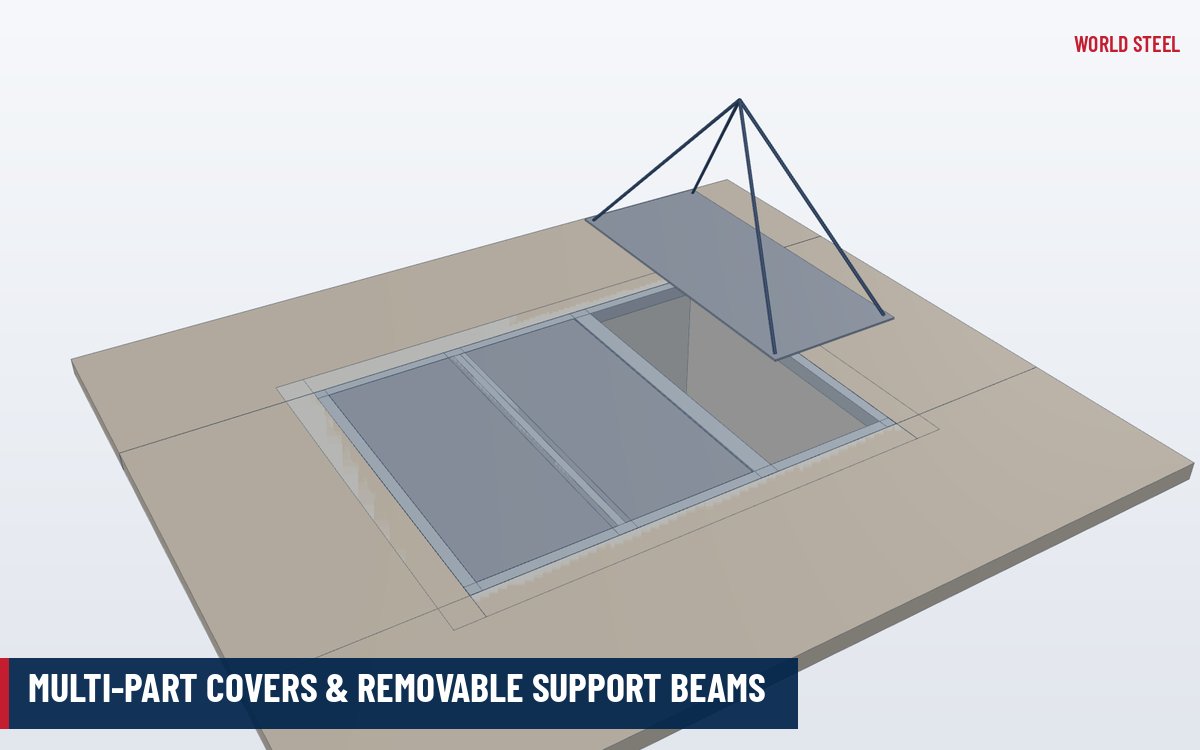
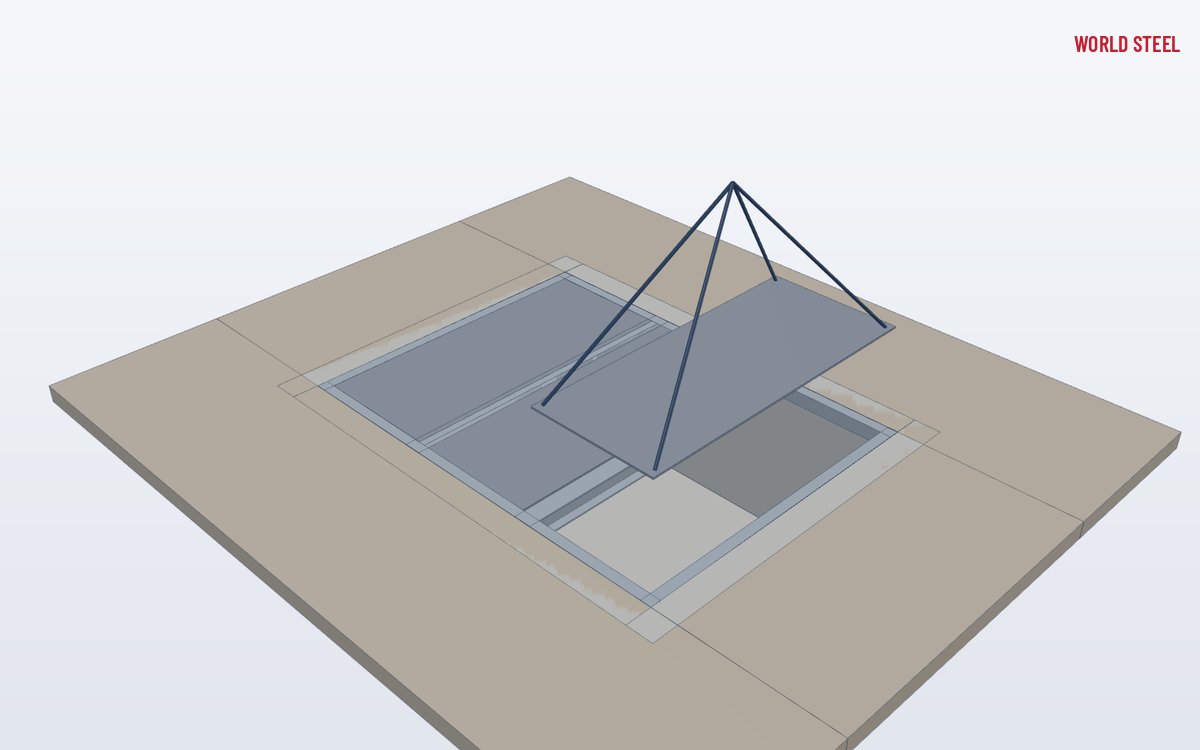
- Covers large openings with several manageable segments
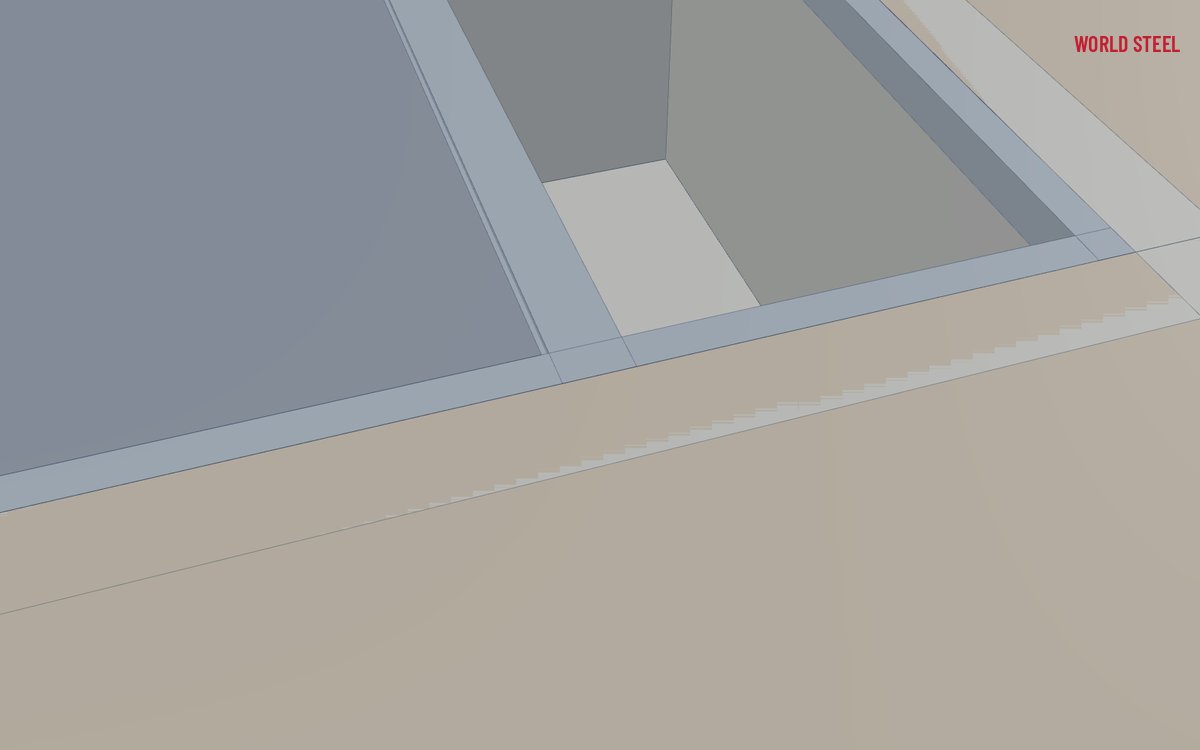
- Removable intermediate beams give full clear opening
- Steel plate, grating or ductile iron segments
- Segment weight planned for manual or crane lifting
- Galvanised frames and beams fabricated by World Steel
- Locking and sealed options to the specification
What it is
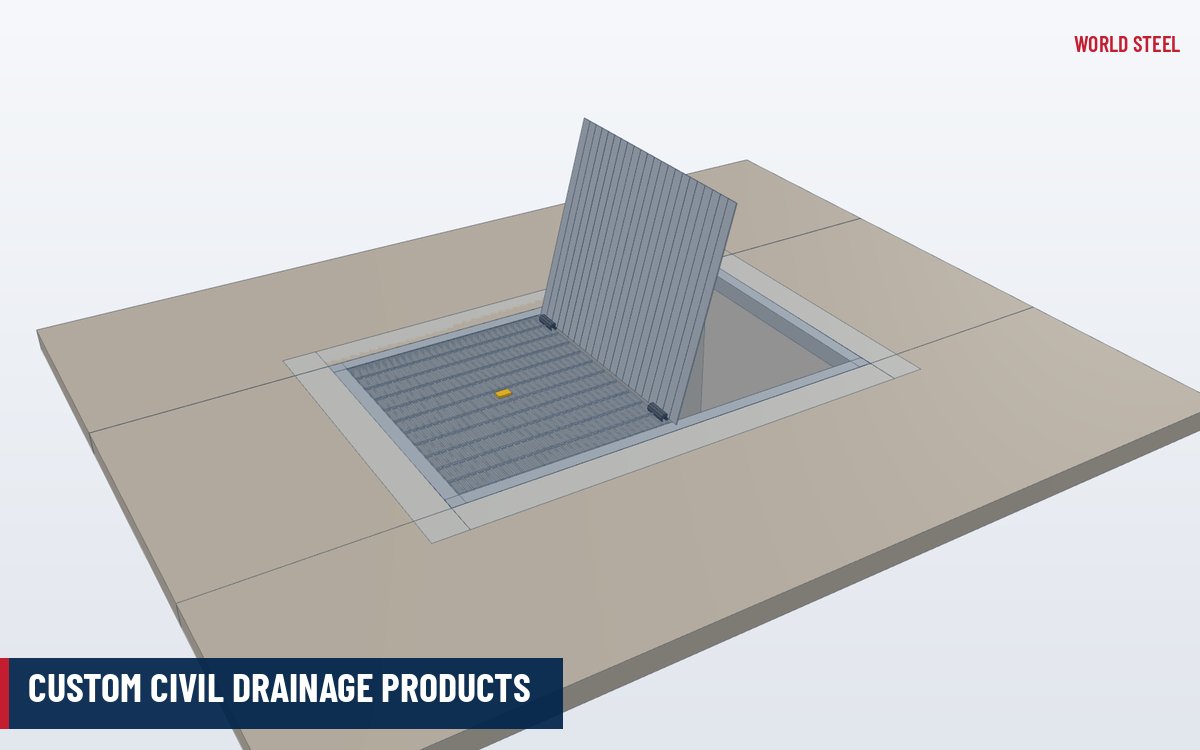
A single cover becomes impractical once an opening grows beyond roughly a metre in each direction: the plate or casting gets too heavy to lift, too deep to fit the slab, and too stiff to seat evenly. A multi-part cover solves this by dividing the opening into several segments that bear on a perimeter frame and on one or more intermediate support beams. When full access is needed – to lift a pump, replace a valve or bring in a meter – the segments are removed and the beams lifted out, leaving the whole opening clear.
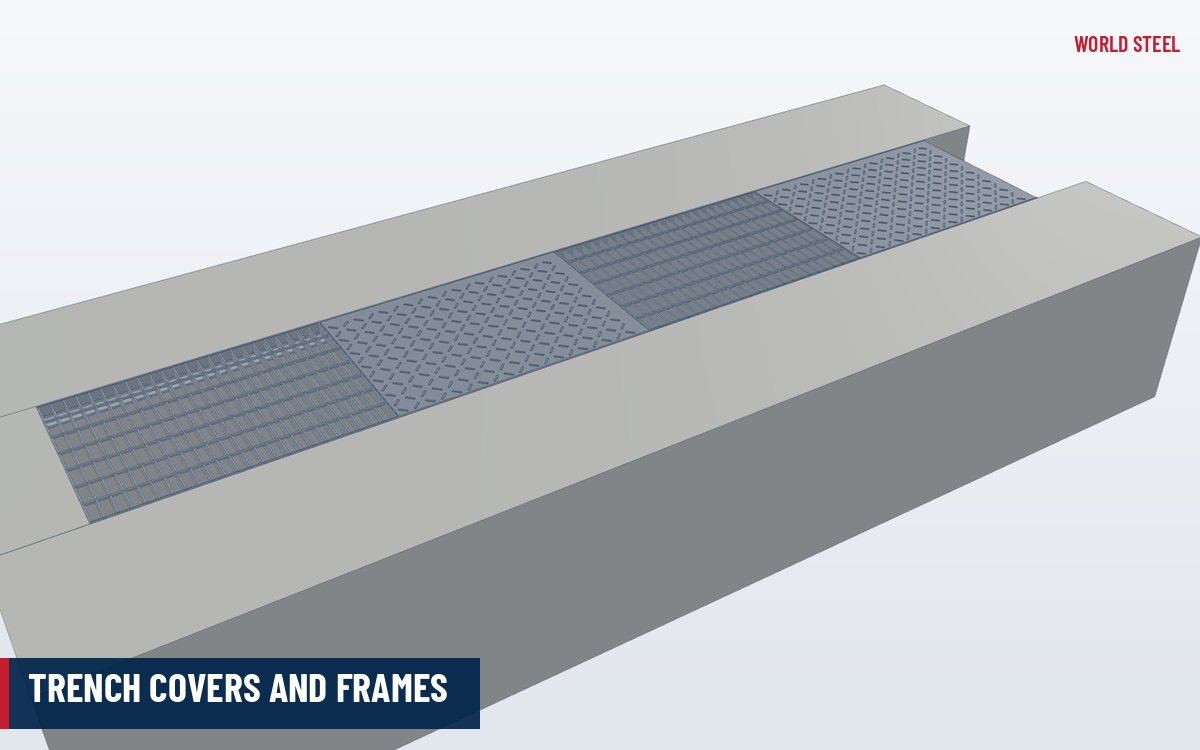
Typical applications are valve and meter chambers, sewer and stormwater access structures, pump station wet wells, cable and services pits, and industrial sumps. The arrangement is a natural extension of World Steel's pit covers and trench covers, scaled up for larger spans and heavier service.
Types and options
| Segment type | Made by | Typical use |
|---|---|---|
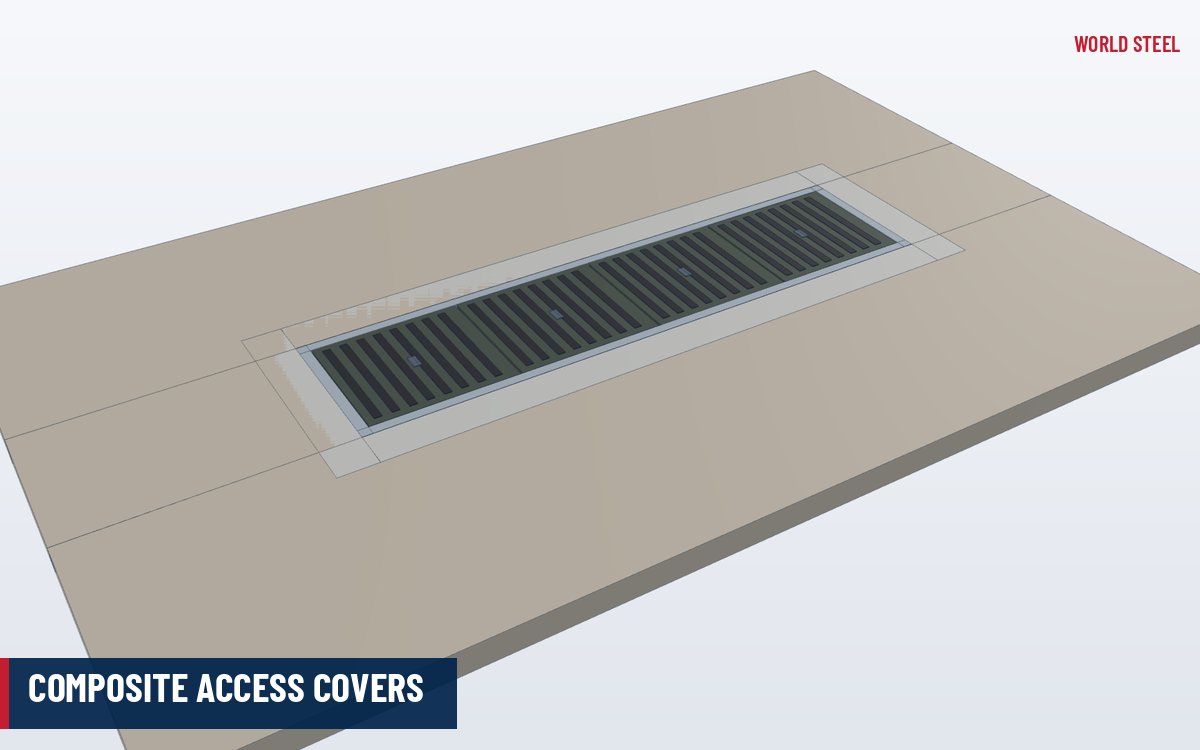
| Steel plate segments (flat or chequer plate, stiffened) | World Steel | Solid closure, odour control, pedestrian to vehicle classes |
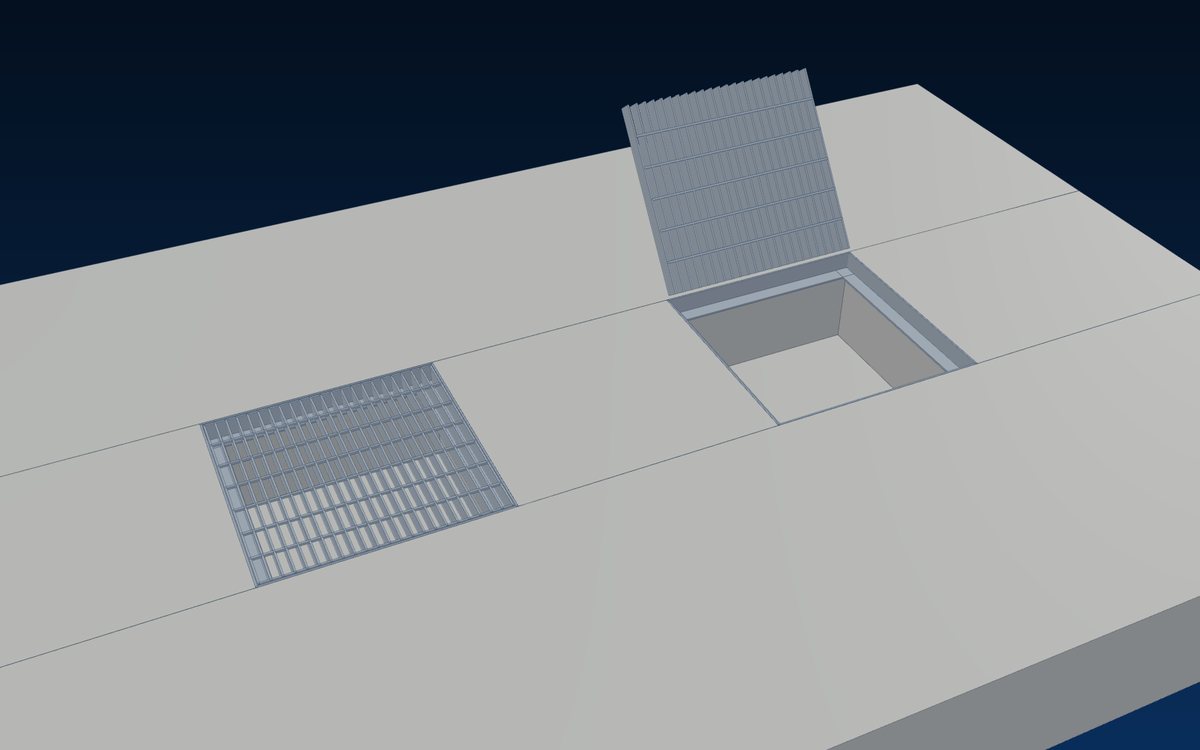
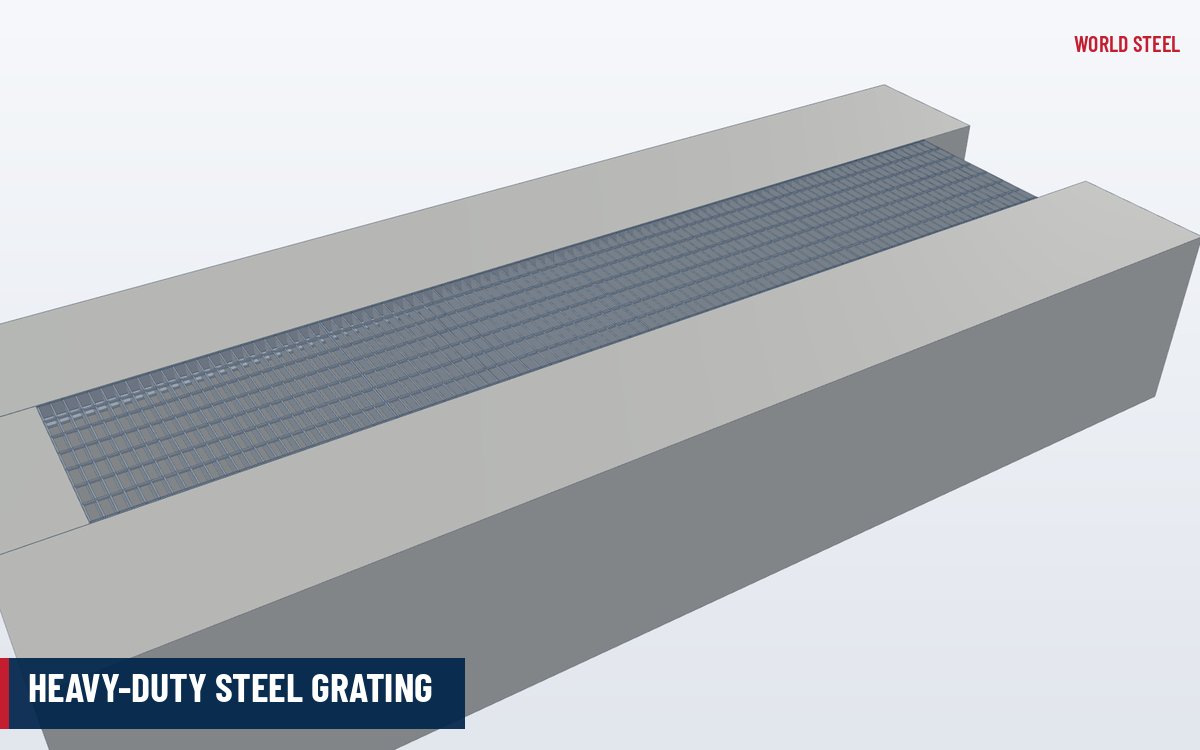
| Grating segments in angle or flat bar frames | World Steel | Ventilated chambers, inspection without opening |
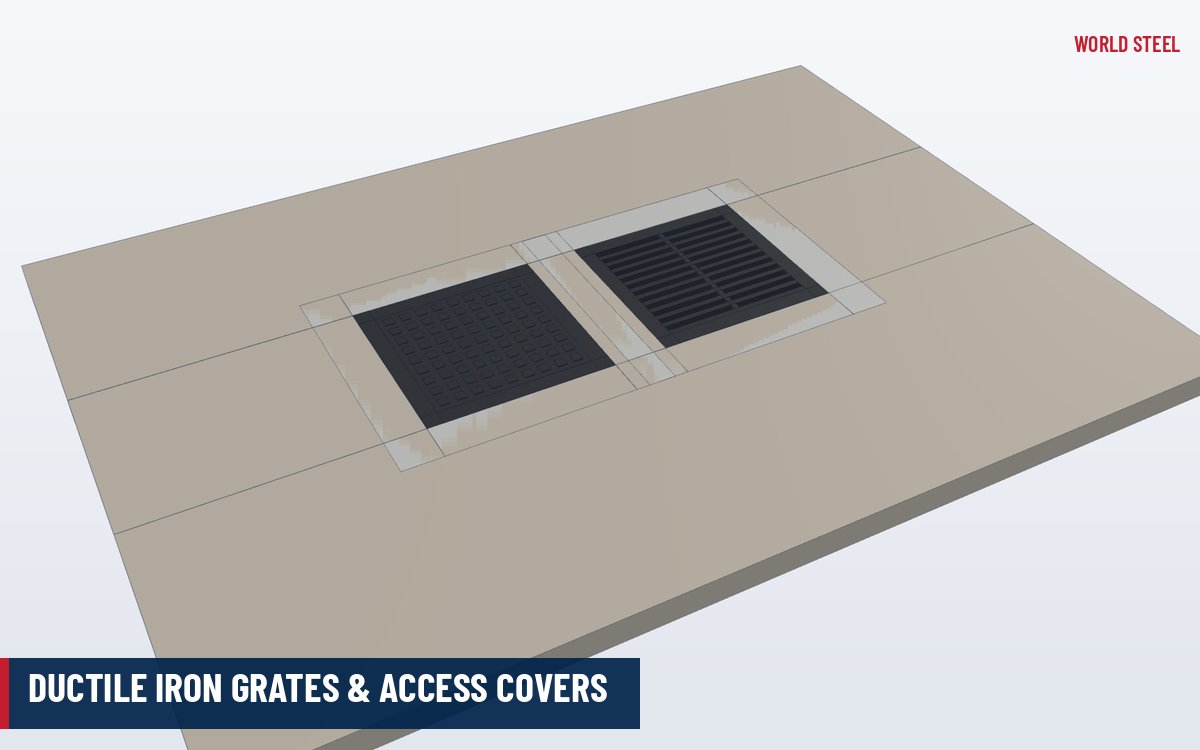
| Ductile iron multi-part covers | Specialist foundry, supplied by World Steel | Roads and utility networks where cast covers are specified |
| Mixed – iron or steel segments on WS beams | Foundry segments, World Steel beams and frames | Non-standard openings using standard cast segments |
Options include lifting keyholes or recessed lifting points, hinged segments, bolt-down or keyed locking, gaskets for odour or gas-tight closures where the specification calls for them, and safety grilles below the covers for fall protection during maintenance. Grating segments follow the same bar sizes as World Steel heavy-duty grating.
Design and compliance
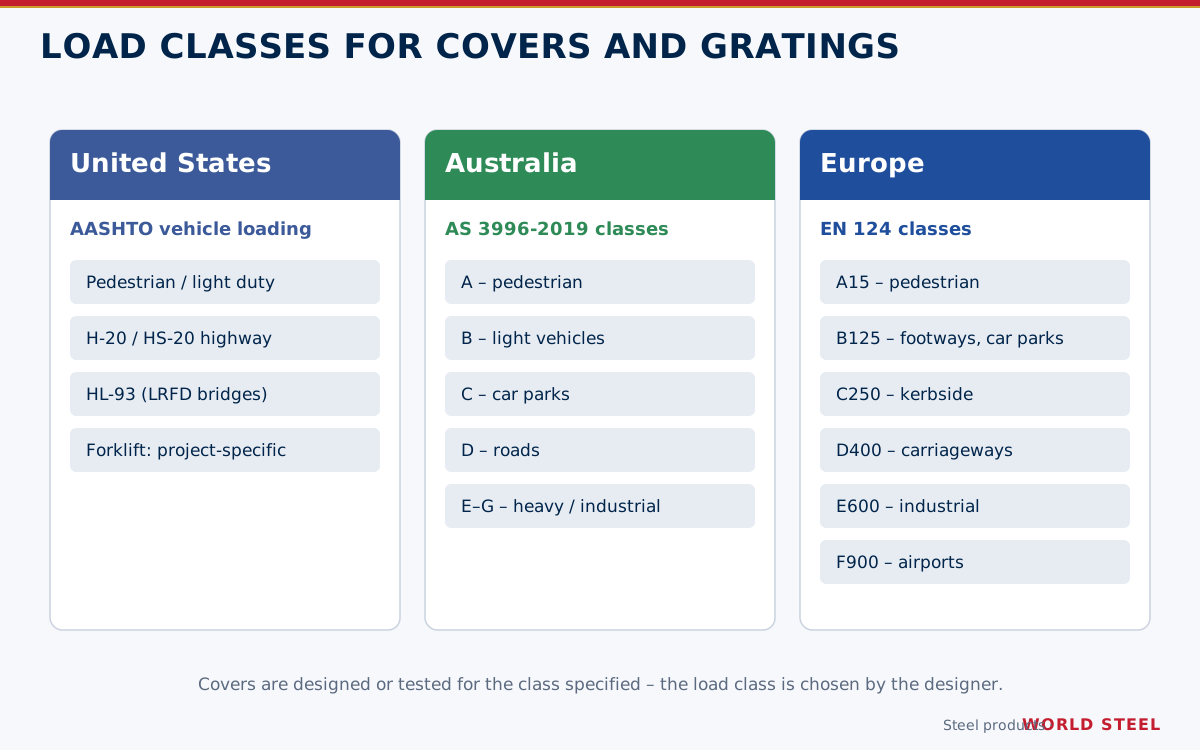
The designer sets the load class for the location. In Australia this is a class from AS 3996-2019 – class A for pedestrian areas through class D for roads and up to class G for heavy docks; in Europe a class from EN 124 (A15 to F900); and in the US usually an AASHTO H-20 / HS-20 or HL-93 vehicle load. The support beams carry the reactions of the segments either side, so beam depth, bearing length and frame pockets are checked together with the segments rather than in isolation.
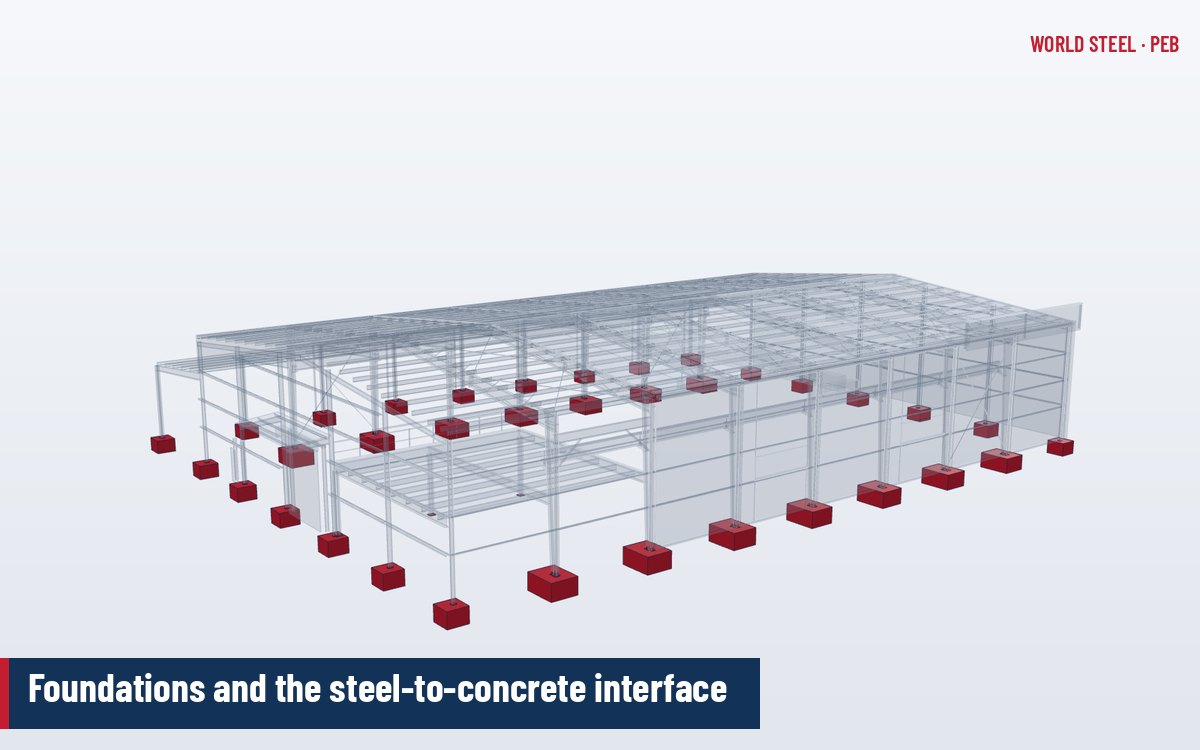
For fabricated steel segments and beams, World Steel designs to the specified class by calculation or works to the engineer's design. Ductile iron multi-part covers are supplied with the manufacturer's own load class marking and test evidence; World Steel does not hold product approvals for castings, and any utility or authority approval is product-specific and comes from the manufacturer. Frames are anchored to the concrete according to the foundation interface design.
Fabrication and finishing at World Steel
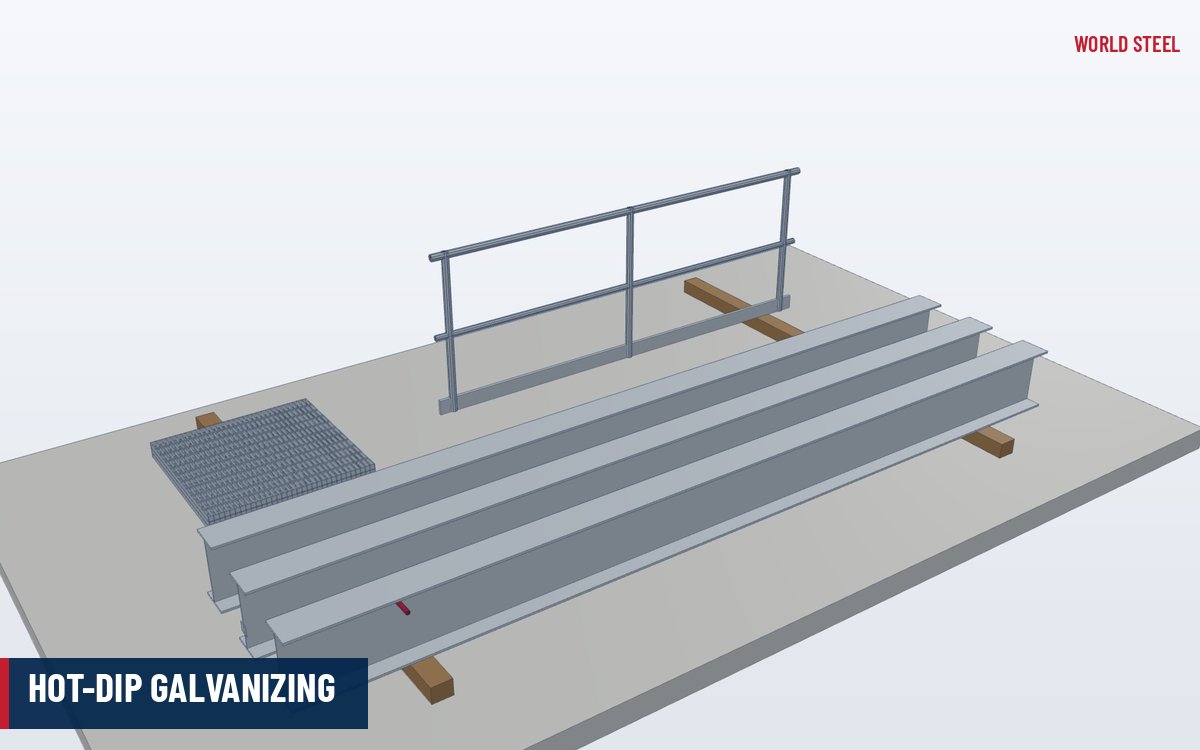
Perimeter frames, support beams and steel segments are cut on CNC plasma and saws, drilled, and welded to qualified procedures under our ISO 3834-2 and AS/NZS 5131 systems. Each opening is trial-fitted in the shop: beams are dropped into their pockets, segments are seated and checked for rocking and level, and match marks are applied so the set goes back together on site exactly as it was checked. Components are then hot-dip galvanised by qualified galvanisers to AS/NZS 4680, EN ISO 1461 or ASTM A123.
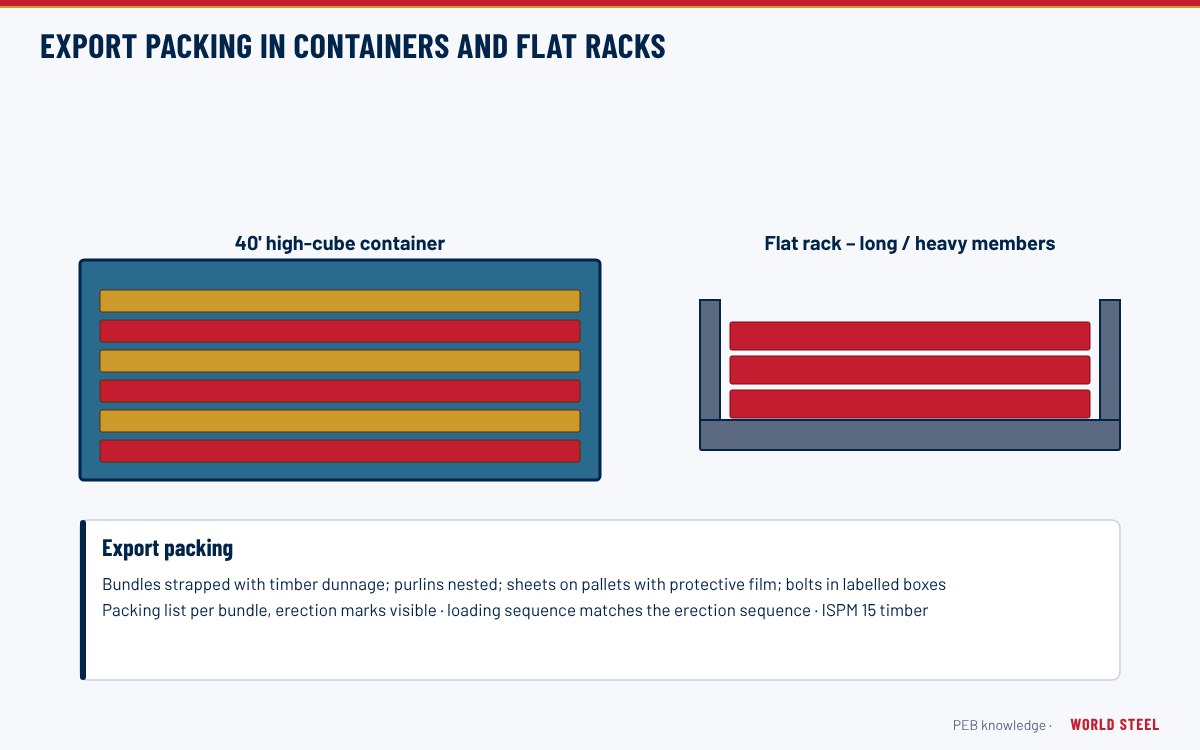
Each segment is labelled with its weight. Where the specification limits manual handling, segments are sized for two-person lifting with keys; heavier segments get lifting points for a crane or gantry. Kits are packed by chamber with the beams, keys and fixings for export shipping.
Installation and selecting
- Cast or grout the perimeter frame level and square; keep the beam pockets clean and free of concrete.
- Place beams, then segments, in the marked order; check that every segment sits without rocking.
- Fit locking bolts or keys and record the lifting procedure for maintenance staff.
- For a quotation, send the clear opening, load class, segment type, maximum lift weight and any sealing or locking requirement.
Normas y requisitos por mercado
Códigos con los que World Steel diseña, fabrica y documenta este producto, y los principales requisitos geométricos y de carga en cada mercado.
 Estados Unidos
- AASHTOVehicle loading H-20 / HS-20, HL-93
- AWS D1.1Structural welding code – steel
- ASTM A536Ductile iron castings
- ACI 318 Ch. 17Anchoring to concrete
- ASTM A123Hot-dip galvanized coatings on fabricated products
- Road-trafficked covers
- AASHTO H-20 / HS-20 or HL-93 commonly specified
- Castings
- Load rating and test evidence from the foundry
 Australia / NZ
- AS 3996-2019Access covers and grates
- AS 4100Steel structures
- AS/NZS 1554.1Structural steel welding
- AS/NZS 5131 Certificación WSCFabrication and erection of structural steelwork
- AS/NZS 4680Hot-dip galvanized coatings
- Load class
- Class A to G by location (AS 3996-2019)
- Road class
- Class D – 210 kN test load (AS 3996-2019)
 Europa
- EN 124Gully tops and manhole tops for vehicular and pedestrian areas
- EN 1090-2 Certificación WSCExecution of steel structures
- EN 1992-4Design of fastenings for use in concrete
- EN ISO 1461Hot-dip galvanized coatings
- Load class
- A15, B125, C250, D400, E600 or F900 (EN 124)
Resumen solo orientativo: prevalecen la especificación del proyecto, la edición del código adoptada y la autoridad competente.
Acabados
| Acabado | Normas / notas |
|---|---|
| Hot-dip galvanised (standard) | AS/NZS 4680 · EN ISO 1461 · ASTM A123 |
| Duplex – galvanised + paint | For aggressive chambers or colour coding – AS/NZS 2312.1 · EN ISO 12944 |
| Ductile iron segments | Foundry coating (typically bitumen or black paint) as supplied |
Preguntas frecuentes
When should a multi-part cover be used instead of one cover?
When a single cover would be too heavy to lift safely or too deep for the slab – typically for openings larger than about a metre in both directions, or where the whole opening must occasionally be cleared for plant removal.
Can the support beams be removed?
Yes. They sit in pockets in the perimeter frame and lift out once the segments are off, so the full clear opening is available.
Does World Steel make the ductile iron covers?
No. Ductile iron segments come from specialist foundries with their own load class marking and test evidence; World Steel supplies them with the steel frames and beams and coordinates the fit.
Can the covers be sealed?
Gasketed and bolted closures can be provided where the specification requires odour or gas-tightness; the sealing performance is confirmed against the project requirement.
 New Zealand
 AS/NZS 5131 CC3
 EN 1090 EXC3 · CE