신뢰 구축, 성공 보장 고객 포털 dang.victor@worldsteelgroup.com +84 902 881 833
World SteelBuilding trust, Assuring success
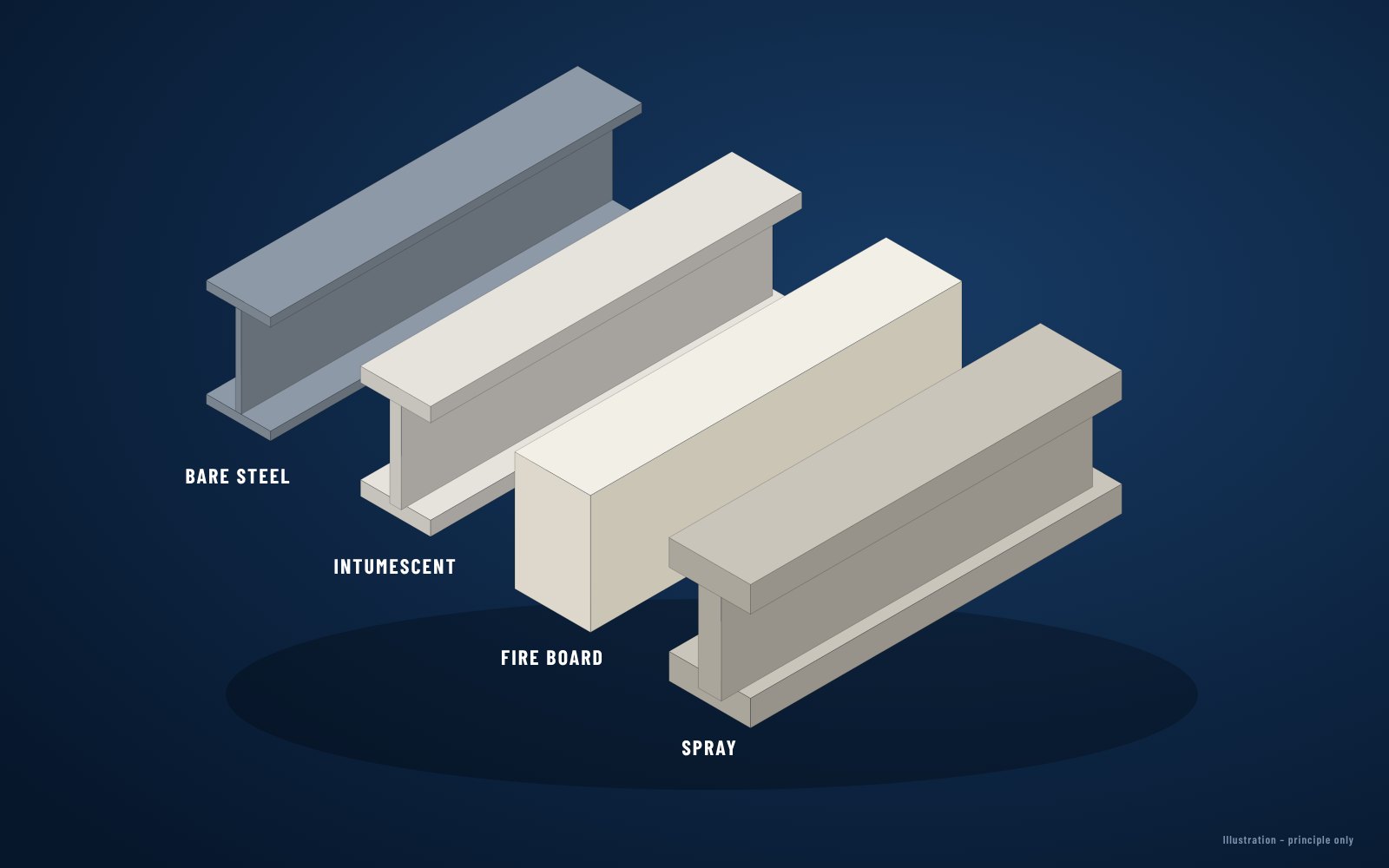
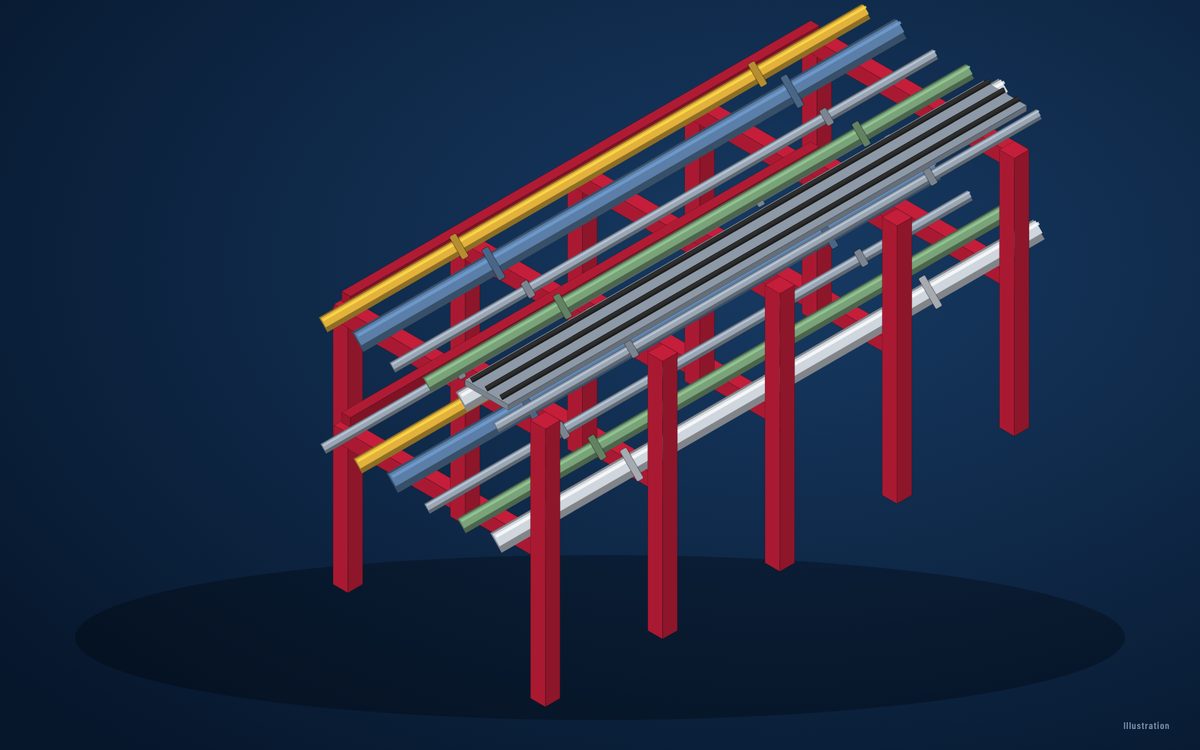
Fire protection of steel beams and columns (illustration)

World Steel · Comprehensive fire protection solutions

Comprehensive fire protection solutions for steel buildings

World Steel delivers integrated fire protection for commercial and industrial steel buildings – combining structural steel expertise with carefully selected fire protection products and systems, tailored to project-specific fire resistance requirements, applicable international standards and local building regulations, and supported by the technical documentation and certification of the products chosen.

Request a fire protection solution건물 유형 살펴보기

8
Fire protection product groups
structure · envelope · openings · seals
R30 – R240
Fire resistance requirements
R · E · I classes explained
500 – 620 °C
Typical critical temperature
depends on load ratio
US · EU · AU · Intl
Standards by market
selected per project
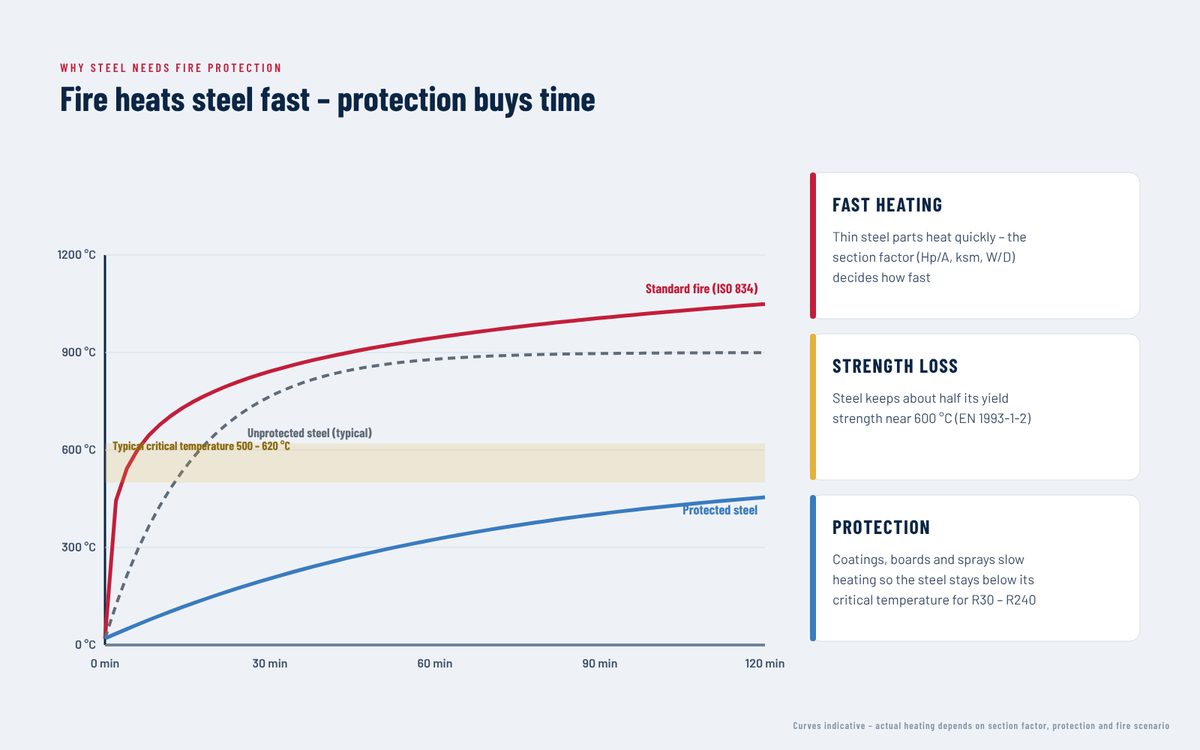
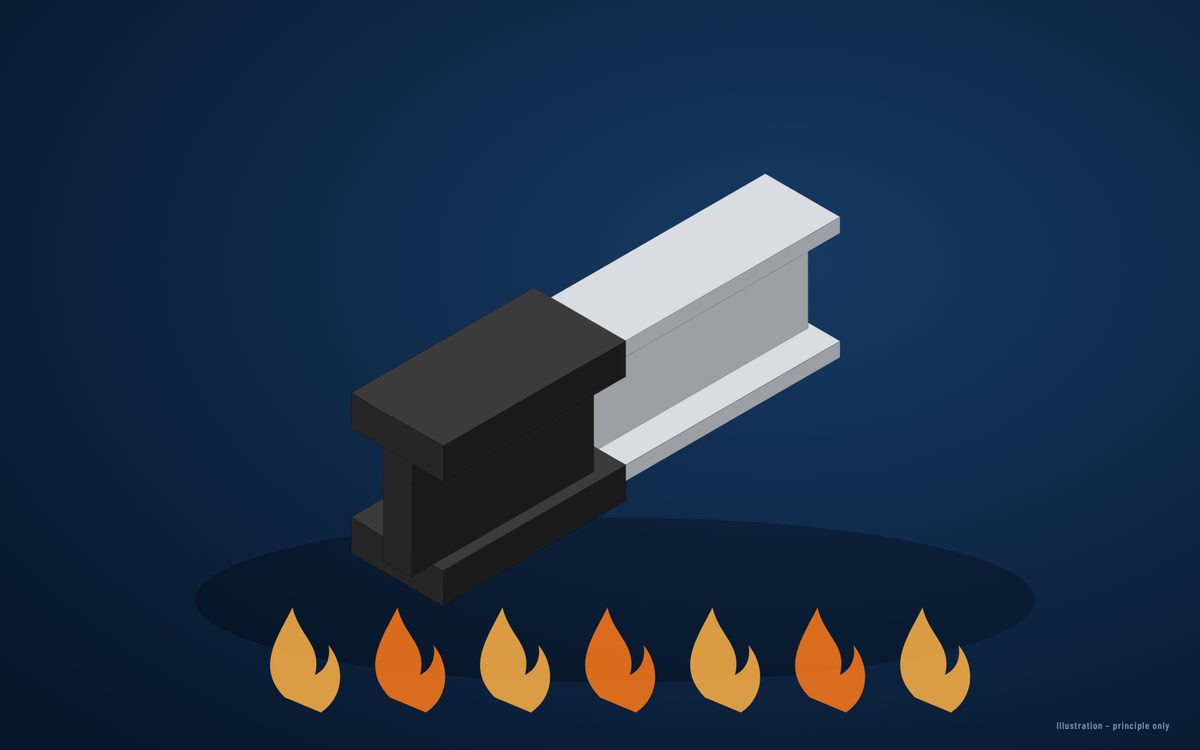
Standard fire curve and steel temperature (illustration)

Why steel needs fire protection

In a building fire, gas temperatures follow the standard fire curve (ISO 834 / ASTM E119 / AS 1530.4) and pass 800 °C within about 20 minutes. Unprotected steel heats up quickly; at around 600 °C its yield strength has fallen to about half. When it reaches its critical temperature – typically 500–620 °C, depending on how heavily the member is loaded – the member can no longer carry its load.

Passive fire protection insulates the steel so it stays below that temperature for the period the building code requires. The amount of protection depends on the member's section factor (Hp/A in Europe, ksm in AS 4100, W/D in the USA): thin, light sections heat faster and need more protection than heavy ones.

Solutions by building type

Fire protection for every type of steel building

Building use, fire load and occupancy decide the ratings and the systems – World Steel matches both to the steel structure.

Commercial steel buildings01

Commercial steel buildings

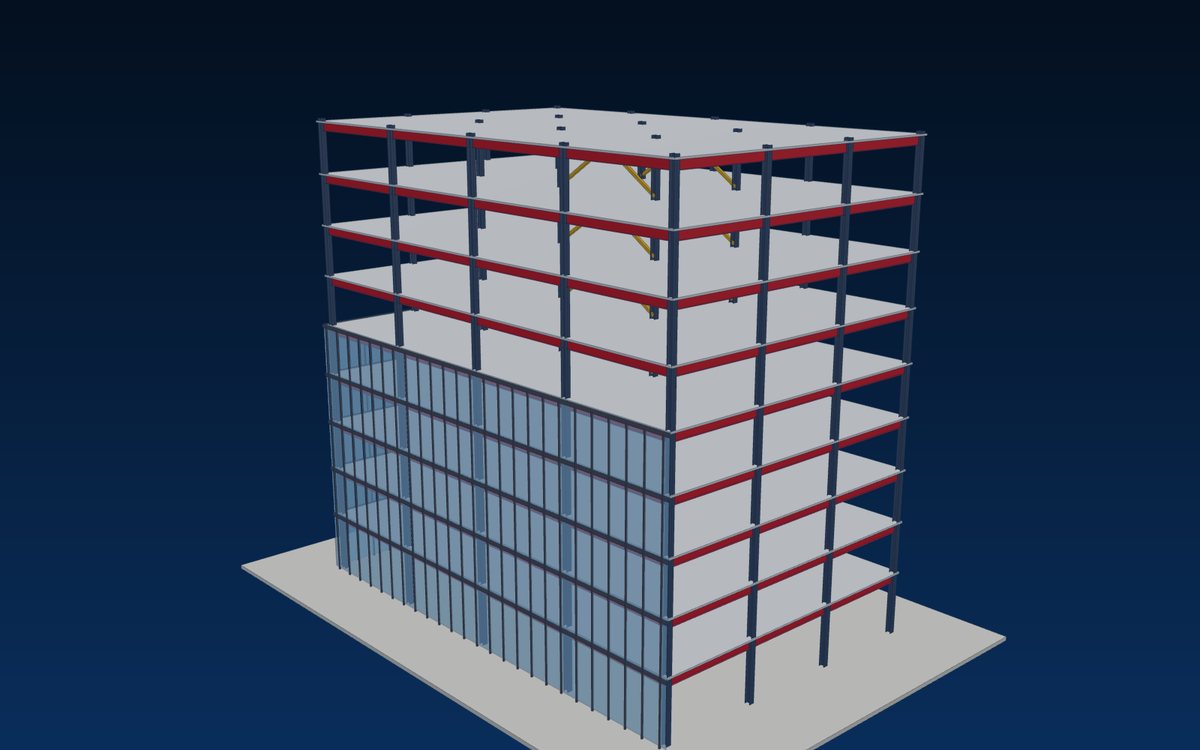
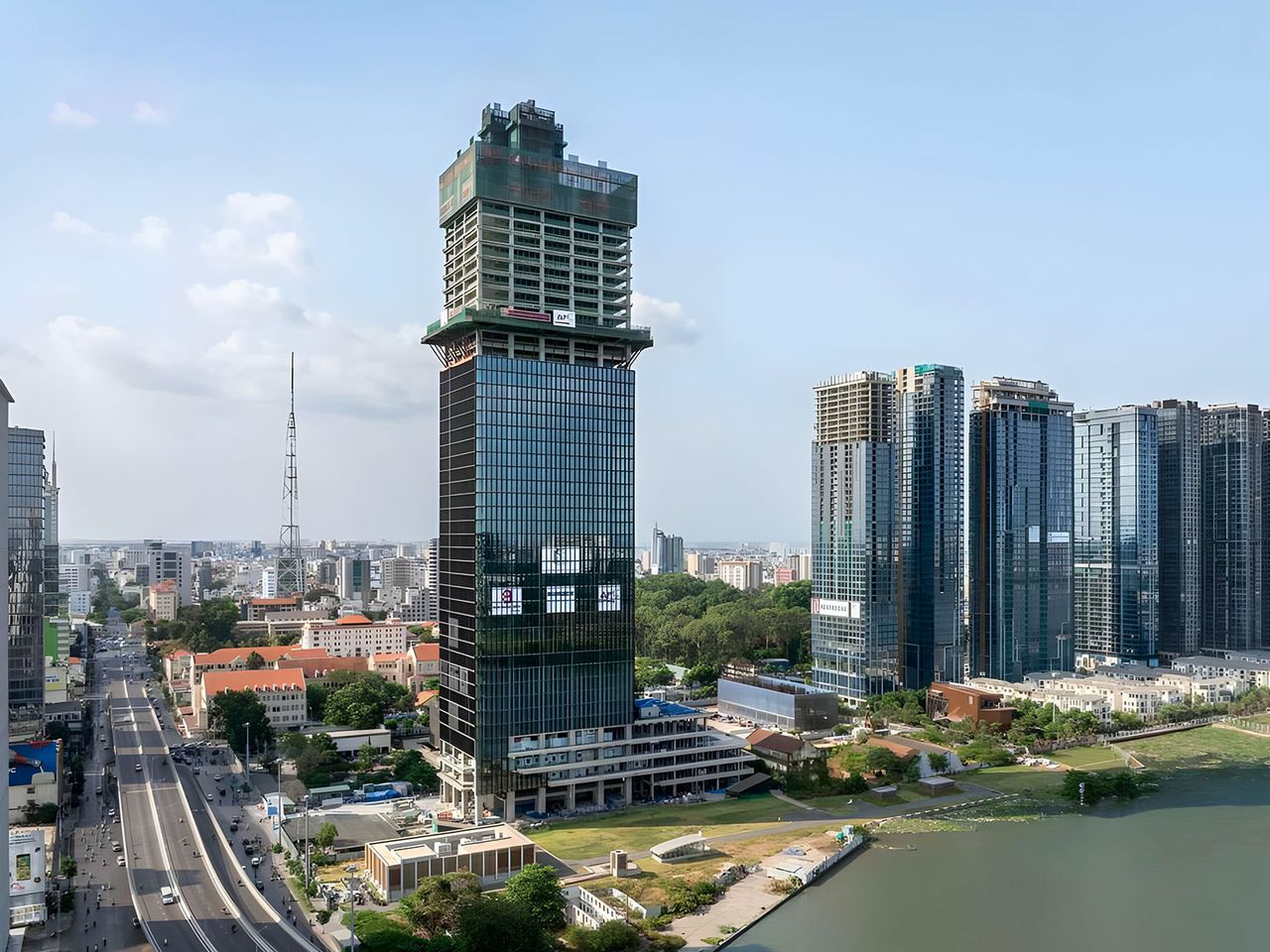
People-intensive buildings with escape routes, atriums and visible steel – appearance, insulation (I) criteria and smoke control matter. Typical: intumescent coatings on exposed steel, boards or sprays on concealed steel, fire-rated doors, glazing and curtains.

  • Office buildings and commercial complexes
  • Shopping centres
  • High-rise steel buildings
  • Airports and public buildings
전문 솔루션: Multi-storey buildings →
Industrial steel buildings02

Industrial steel buildings

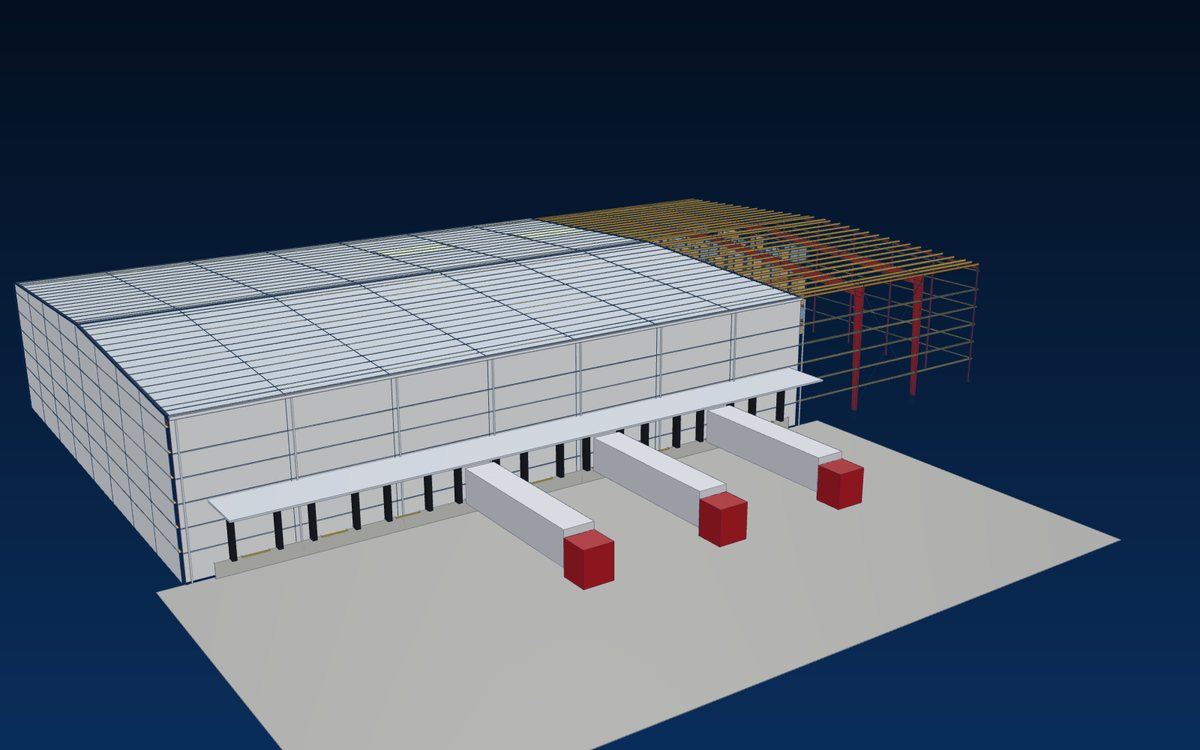
Large spans and high fire loads – compartmentation, insurer requirements and robust protection. Typical: sprays or boards on frames, stone wool sandwich panels, fire walls with shutters, firestop at services; hydrocarbon systems where process fires are possible.

  • Manufacturing plants
  • Industrial and logistics warehouses
  • Distribution centres
  • Power plants, heavy industry and steel production facilities
전문 솔루션: Manufacturing plants →
Specialised steel structures03

Specialised steel structures

Steel close to processes and equipment – exposure, impact and hydrocarbon scenarios. Typical: epoxy intumescents (UL 1709 / EN 1363-2), high-density sprays and exterior-grade systems with ISO 12944 corrosion protection.

  • Industrial platforms and mezzanine floors
  • Pipe racks and equipment support structures
  • Steel trusses and structural support frames
전문 솔루션: Pipe racks →

Product portfolio

Eight fire protection product groups

Each group has its own pages with product types, applications and standards – manufacturer and tested system are confirmed per project.

Find a solution by application

From columns to cable penetrations

Where in the building the protection is needed decides which groups apply.

Steel columns, beams & trussesGroups 01 · 02 · 03

Steel columns, beams & trusses

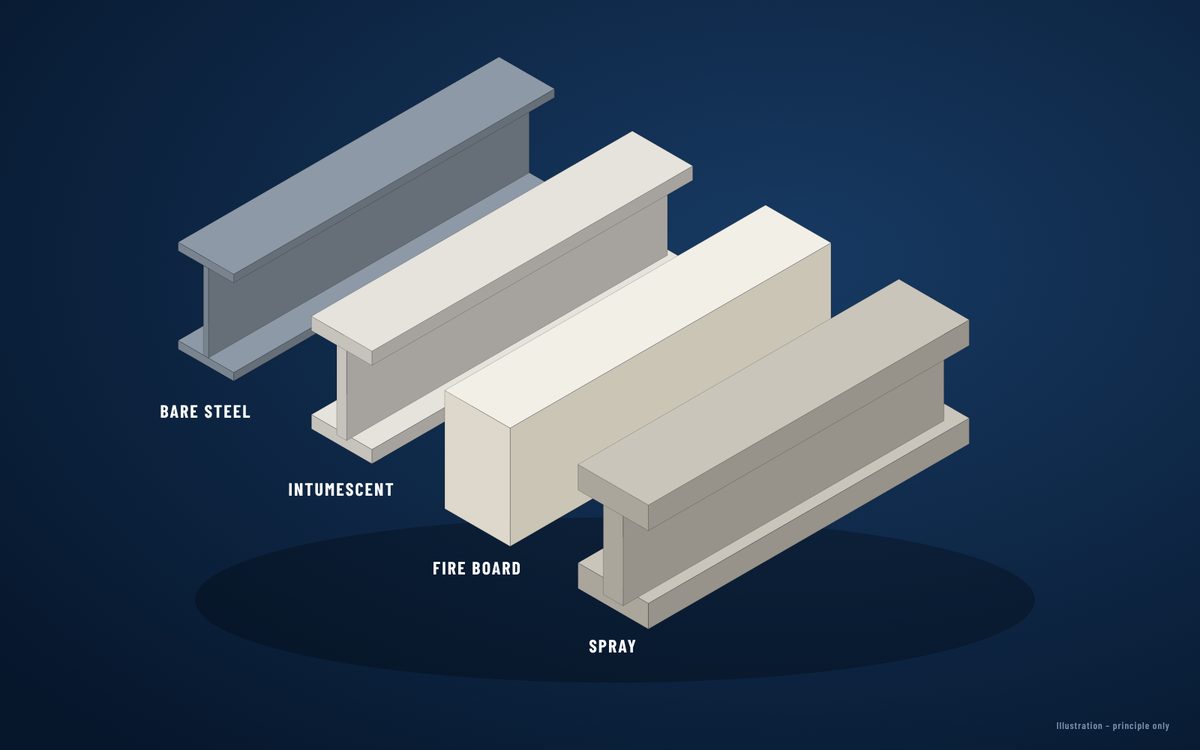
Intumescent coatings for exposed steel, sprays for concealed steel, boards for robust and long ratings – thickness member by member from the section factor.

Walls & roofsGroups 04 · 05

Walls & roofs

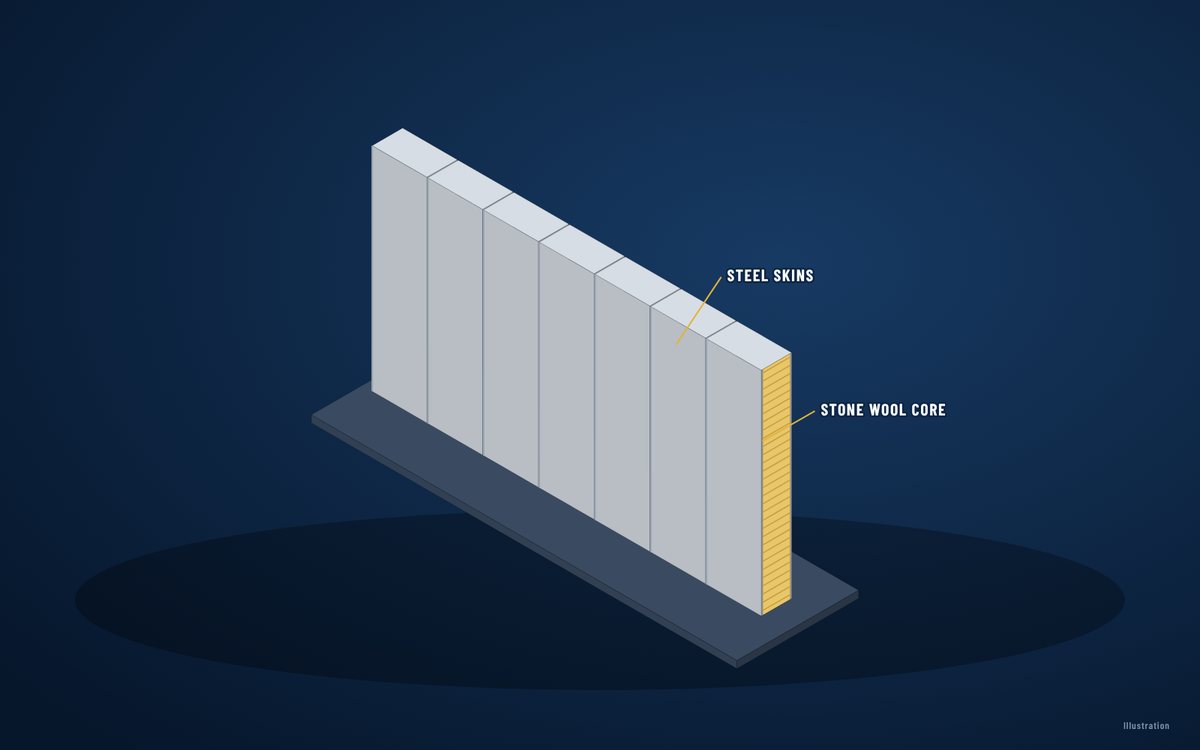
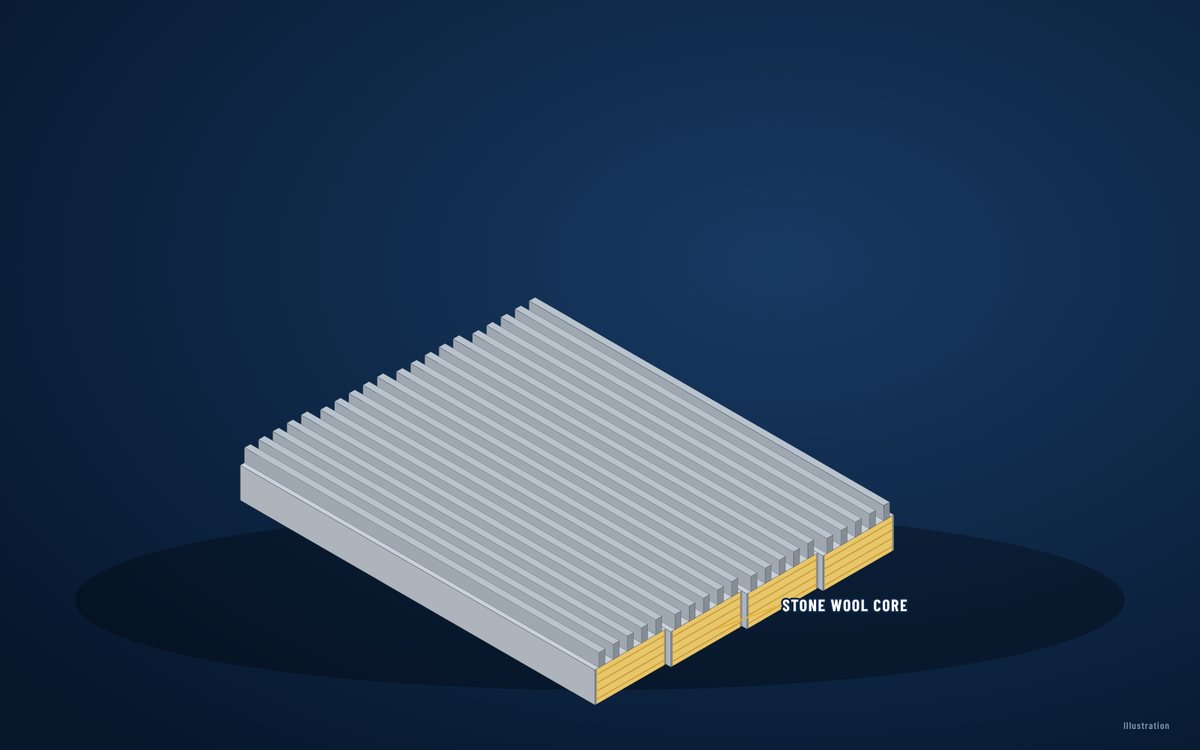
Stone wool insulation and fire-rated sandwich panels for envelopes, partitions and compartment walls.

Openings, floors & ceilingsGroups 03 · 06 · 08

Openings, floors & ceilings

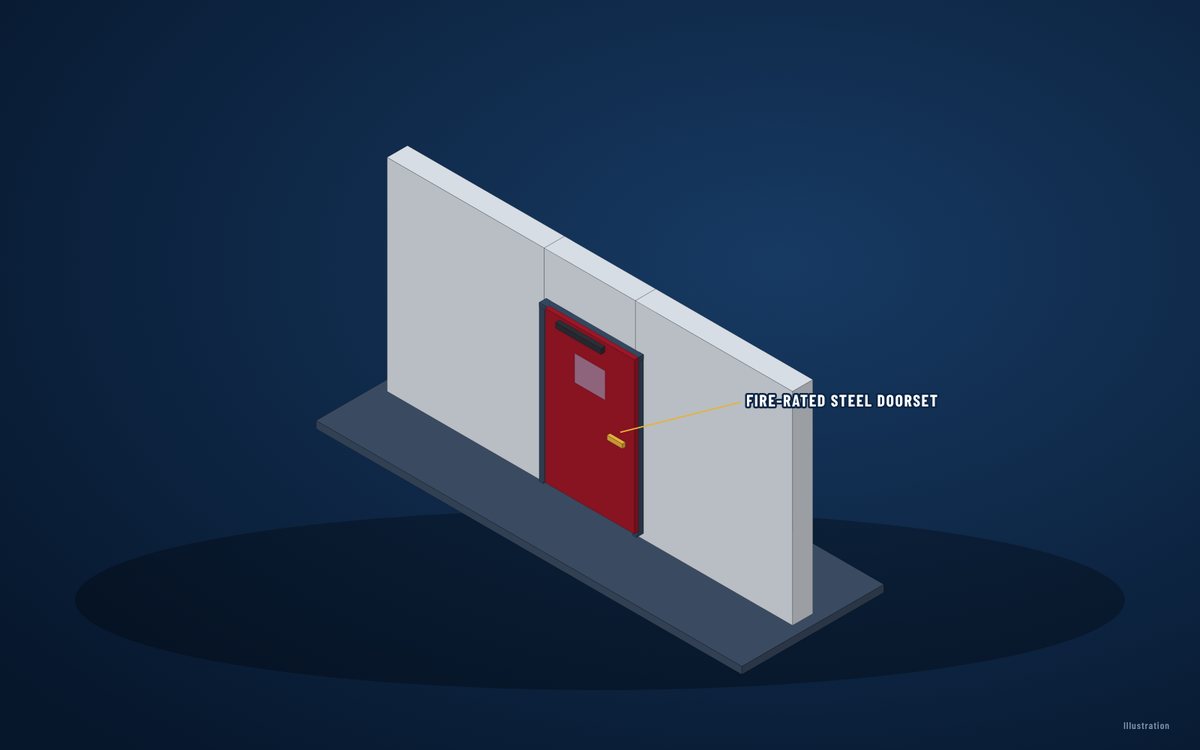
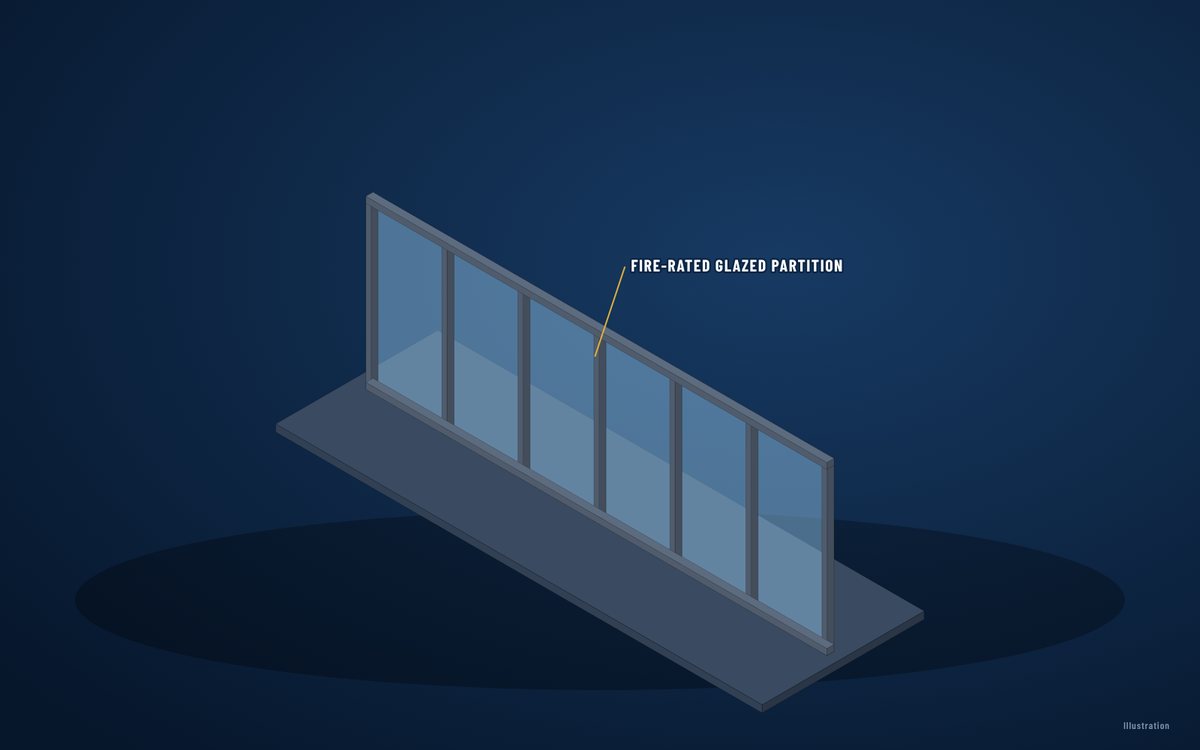
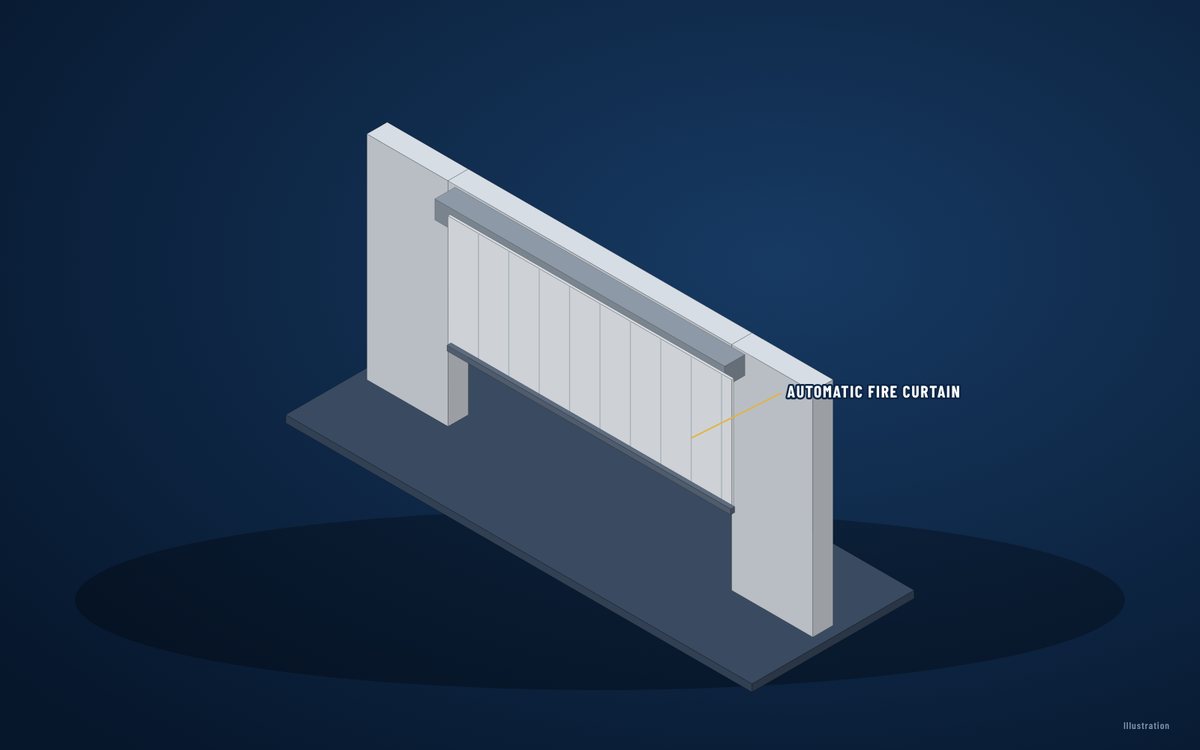
Fire-rated doors, glazing, shutters, access panels and curtains; fire-rated ceilings and floor protection.

MEP penetrations & jointsGroups 04 · 07

MEP penetrations & joints

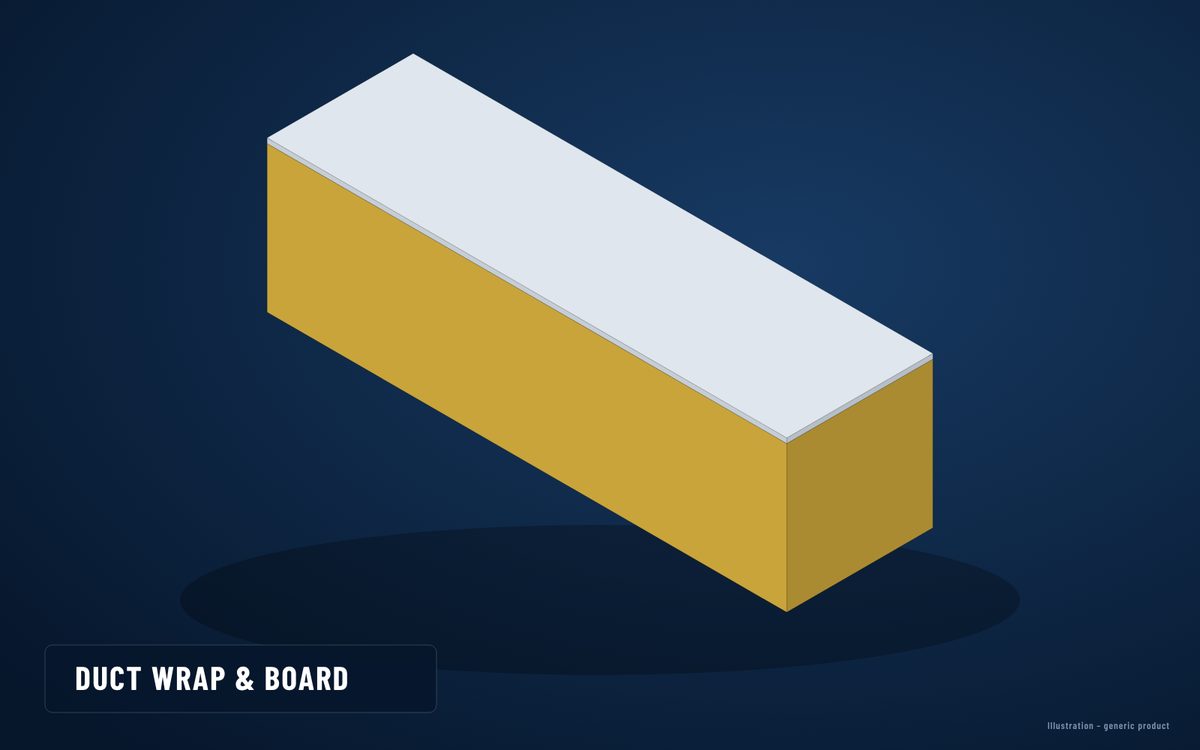
Penetration seals, duct wraps and linear joint systems that keep every service crossing fire-tight.

Complete fire protection solution

From engineering review to final documentation

01

Engineering & technical review

Project requirements, fire resistance ratings, structural steel assessment (section factors, load ratios) and the applicable standards.

02

Product & system selection

Intumescent, spray, board, envelope, firestop and architectural systems chosen for exposure, appearance, programme and budget.

03

Technical compliance

Test reports, classifications and listings checked against the market and authority of the project.

04

Supply & application

Material supply, method statements, shop application of intumescent coatings and coordination with site installers.

05

Inspection & quality control

Inspection and test plans, DFT and thickness inspection, density and bond checks, quality records.

06

Documentation & handover

Technical submittals, compliance documents, as-applied records and maintenance guidance in one dossier.

기준 및 규정 준수

International fire protection standards

Reference standards most often specified in our markets – these are standards World Steel selects products against, not certifications World Steel holds. The local code and the authority having jurisdiction govern.

United States & Canada

  • IBC · NFPA 101Building code; Life Safety Code
  • ASTM E119 · UL 263Fire resistance of building construction
  • UL 1709Rapid-rise (hydrocarbon) fire tests for steel
  • ASTM E84Surface burning characteristics
  • ASTM E814 · UL 1479Through-penetration firestop systems
  • UL 2079Joint systems
United States 표준 전체 →

Europe

  • EN 1993-1-2Eurocode 3 – structural fire design
  • EN 13381 seriesProtection of structural members (-4 passive, -8 reactive)
  • EN 1363 · 1364 · 1365 · 1366Fire resistance tests – general, non-loadbearing, loadbearing elements, service installations
  • EN 1634 seriesDoors, shutters and openable windows
  • EN 13501 seriesReaction-to-fire and fire resistance classification
Europe 표준 전체 →

Australia & New Zealand

  • NCCNational Construction Code – FRLs by building class
  • AS 1530 seriesFire tests (-4 fire resistance)
  • AS 4100 Section 12Fire design of steel structures
  • AS/NZS 5131 WSC 인증 보유Fabrication and erection – World Steel certified CC3
Australia & New Zealand 표준 전체 →

International

  • ISO 834 seriesStandard fire resistance test
  • ISO 12944Corrosion protection under fire protection systems
  • Project standardsBS 476, SCDF Fire Code, local codes – per project

참고용 요약입니다 – 프로젝트 시방서, 채택된 기준 판본 및 관할 기관의 요구가 우선합니다.

International certification & compliance

Documents supplied with the fire protection

For the products and systems selected for each project – as required by the market and the authority.

Technical data sheets

TDS

Product properties, application data and limits.

Safety data sheets

SDS

Handling, storage and safety information.

Fire test reports

test evidence

Reports from accredited laboratories for the tested system.

Classification reports

EN 13501 · FRL

Fire resistance and reaction-to-fire classifications.

Certificates & listings

UL · ETA / CE · CodeMark …

Product certificates and listings valid in the project market.

Declaration of Performance

DoP, where applicable

For CE-marked construction products in Europe.

Approved system details

installation

Tested details and installation guidelines.

Quality records

ITP · DFT · inspection

Inspection and test plans, thickness records and third-party inspection reports.

Certification marks and logos are shown only where valid documents and the right to use them exist. No product is assumed to carry UL, CE, EN or other certification until verified.

Steel + fire protection in one package

Shop-applied fire protection from World Steel

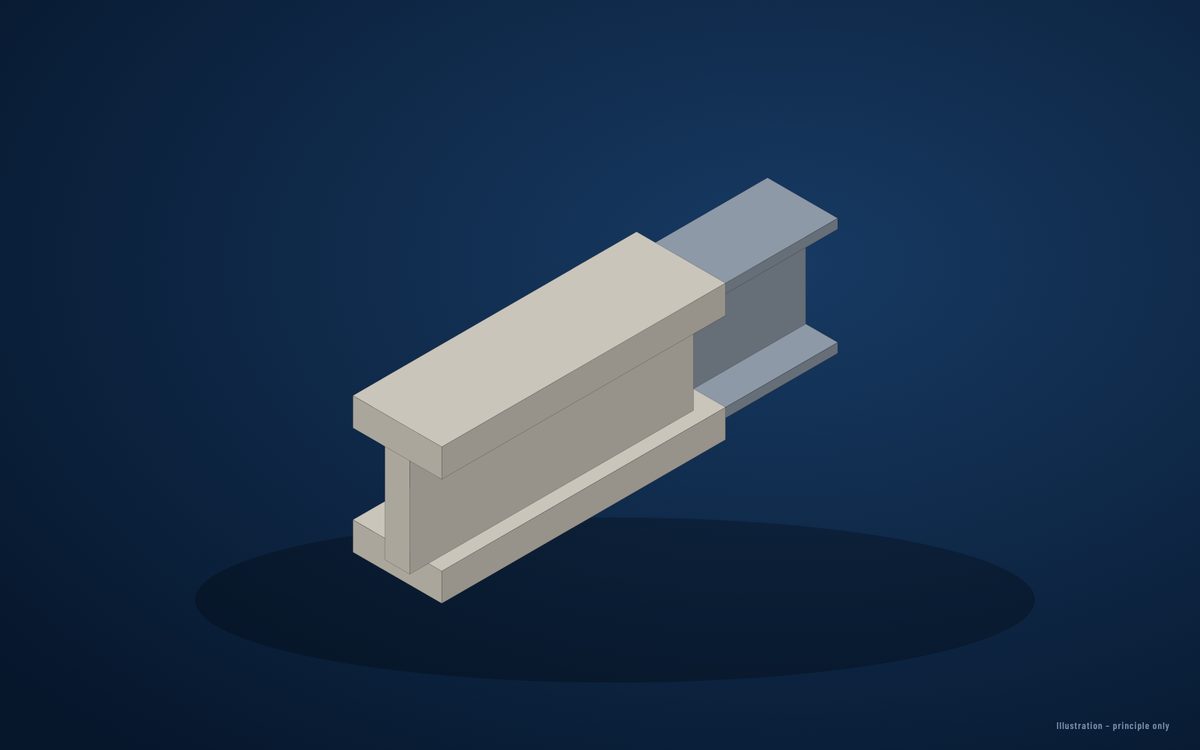
For export projects, applying the intumescent coating in the factory saves weeks on site. World Steel blasts, primes and coats members in its painting shop to the fire engineer's thickness schedule, records the dry film thickness member by member and packs the steel to protect the finish. Boards, sprays and fire stopping are supplied with the structure and the envelope. See also our stone wool range and fire-rated gypsum board.

Intumescent coating on a steel beam (illustration)
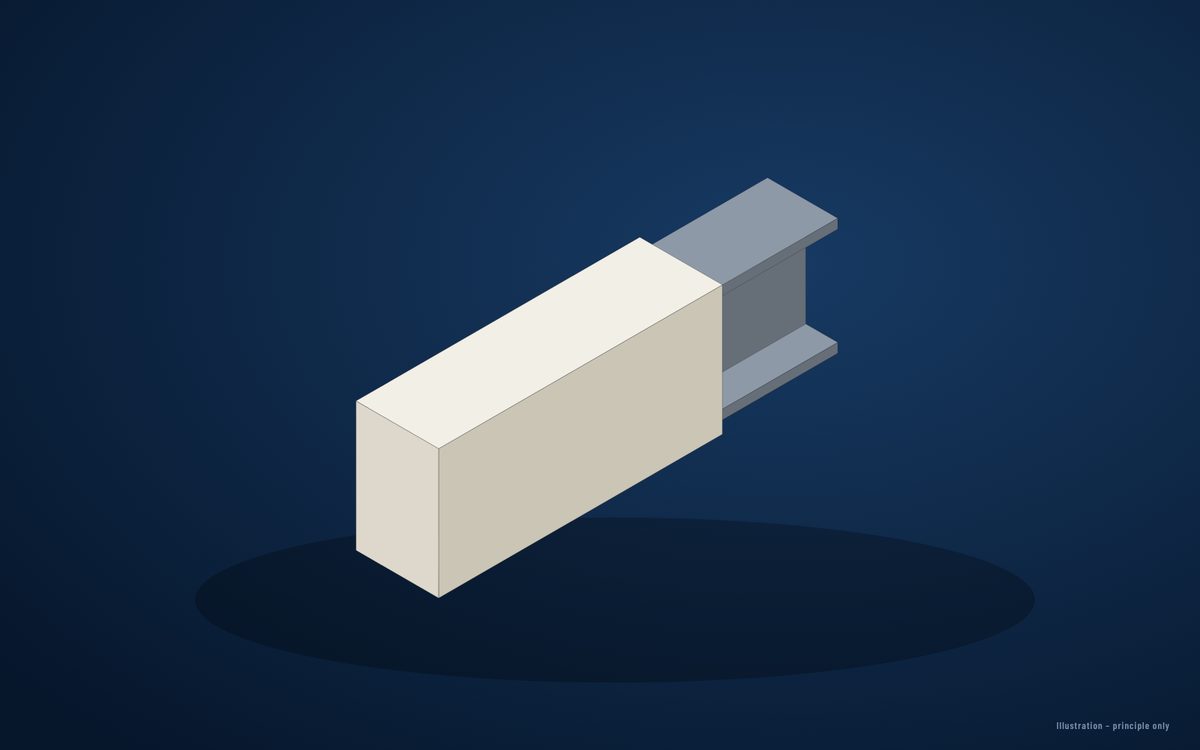
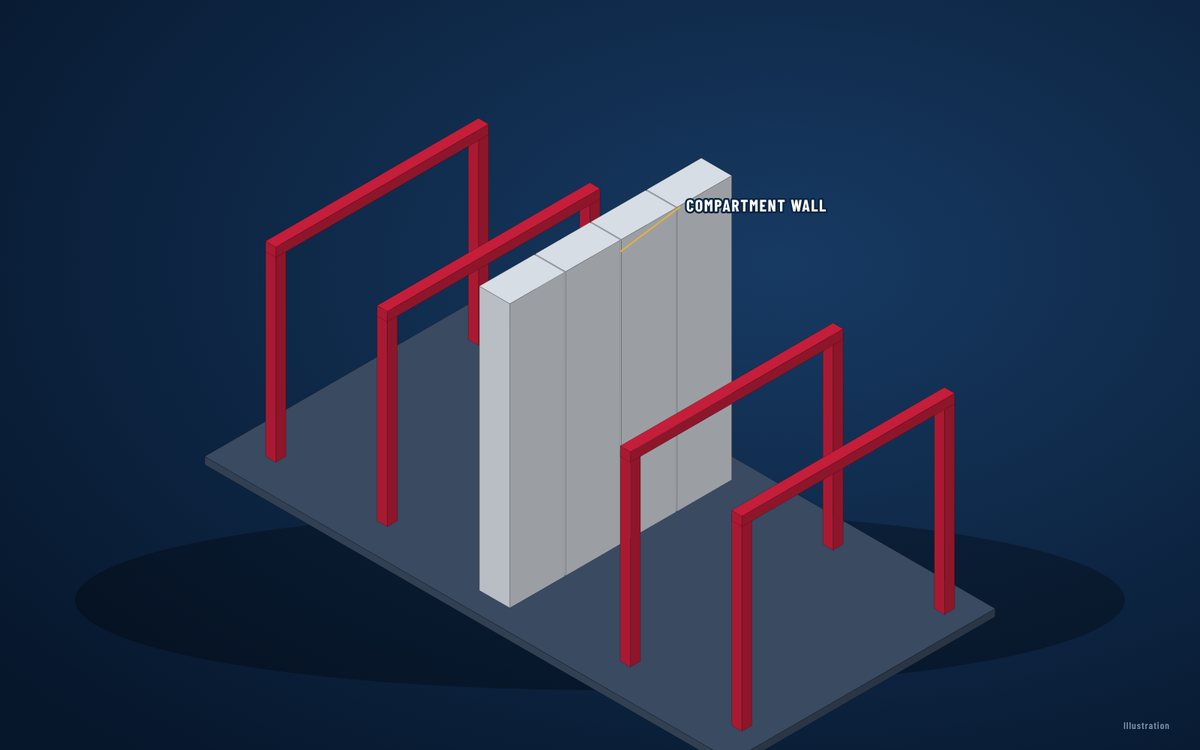
Fire compartment wall in a steel building (illustration)

International fire protection compliance

Selected for your project – documented for your authority

World Steel provides comprehensive fire protection solutions for commercial and industrial steel buildings, with products and systems selected to meet project-specific fire resistance requirements, applicable international standards and local building regulations.

Standards fall into distinct roles: design standards (EN 1993-1-2, AS 4100 Section 12, AISC 360 Appendix 4) size the protection; test standards (ISO 834, ASTM E119, EN 1363–1366, AS 1530.4) produce the evidence; classification standards (EN 13501) express the result; execution and inspection standards (AS/NZS 5131, EN 1090-2, ASTM E605) govern application and checks; certifications and listings belong to specific products and systems – and are confirmed for each market, never assumed.

Compare

Which system for which member?

Typical behaviour – the fire engineer confirms the system and thickness for each member.

Passive fire protection systems for steel
CriterionIntumescent coatingBoardsSprayed (SFRM)
Typical rating30 – 120 min (hydrocarbon grades available)30 – 240 min60 – 240 min
AppearanceSlim, decorative – steel stays visibleClean boxed finishTextured – usually concealed
ApplicationShop or site, spray / brushSite, dry fixingSite, wet spray
Cost per m²Higher at long ratingsMediumLowest for long ratings
DurabilityGood with topcoatVery goodLow – density dependent
Best forExposed steel, atriums, shop-applied export steelColumns in public areas, long ratingsBeams and decks above ceilings

Find a solution

By fire resistance requirement, by market and by standard type

Orientation tables – the fire engineer and the tested data of the selected product decide.

By fire resistance requirement
RequirementTypical use (varies by code)Systems often considered
R30Low-rise, single-storey and some industrial buildingsIntumescent coatings · boards · sprays
R60Multi-storey commercial, many warehouses with compartmentsIntumescent coatings · boards · sprays
R90Taller buildings, larger compartmentsIntumescent (thicker films) · boards · sprays
R120High-rise, high fire loads, escape coresBoards · sprays · selected intumescent systems
R150 – R180Very tall or high-risk buildingsBoards · sprays · selected systems
R240Special cases – fire walls, critical elementsBoards · high-density sprays
HydrocarbonOil, gas, chemical and process plantsEpoxy intumescents (UL 1709 / EN 1363-2) · high-density sprays

Ratings are design requirements and classifications – not a default property of any product. Achievability depends on the tested system, member and exposure.

프로세스

Engineering to documentation – how a fire protection package is delivered

  1. 1

    Engineering review

    Fire strategy, required ratings, member schedule, section factors and the applicable standards.

  2. 2

    Product selection

    Systems per element and zone – exposure, appearance, programme and budget.

  3. 3

    Technical compliance

    Test, classification and certification evidence checked for the market.

  4. 4

    Supply

    Products supplied with the steel package; shop application of intumescent coatings where practical.

  5. 5

    Application & inspection

    Method statements, ITP, thickness, density and bond checks with records.

  6. 6

    Documentation

    Submittals, compliance documents and as-applied records in the project dossier.

FAQ

자주 묻는 질문

At what temperature does structural steel fail?

Steel does not melt in a building fire, but it loses strength. Its critical temperature – typically 500 to 620 °C – depends on how heavily it is loaded; at about 600 °C it keeps roughly half its room-temperature yield strength.

What is the section factor (Hp/A)?

The heated perimeter divided by the cross-section area. A high section factor means a thin, light member that heats quickly and needs thicker protection.

Intumescent coating or boards?

Coatings are slim and keep the steel visible – ideal for exposed steel and shop application up to about 120 minutes. Boards are dry, robust and reach longer ratings. Many projects combine both.

Can World Steel apply the fire protection in the factory?

Yes – intumescent coatings can be applied in our painting shop to the fire engineer's schedule, with dry film thickness records for every member.

What fire rating does my building need?

It is set by the building code of your country, the building use, height and compartment size. Your fire engineer or authority confirms it; we design the protection to suit.

Does World Steel hold UL, CE or other fire certifications?

No – fire certifications belong to specific products and tested systems from their manufacturers. World Steel selects products whose certification or test evidence is valid in your market and supplies those documents. World Steel’s own certifications cover steel fabrication (AS/NZS 5131 CC3, EN 1090 EXC3, ISO 3834-2, IAS AC472).

Is a non-combustible material the same as a fire-rated system?

No. Non-combustibility describes how a material reacts to fire; a fire resistance rating belongs to a tested element or system with its thickness, joints, fixings and supports.

Which information do you need for a fire protection proposal?

Project location and building type, the fire strategy or required ratings, applicable standards, steel drawings or tonnage, the estimated protection area and any specification – our fire protection form collects all of it and accepts drawings.

One partner. Integrated steel solutions. International fire protection compliance.

Submit your project requirements – ratings, standards, drawings and protection areas – and our engineering team proposes a project-specific fire protection solution with the steel package.

Request a fire protection solution Request technical documentation +84 902 881 833