ENEnglish
 VITiếng Việt
 ZH中文
 KO한국어
 JA日本語
 FRFrançais
 ITItaliano
 PTPortuguês
 ESEspañol
 HEעברית
 ARالعربية

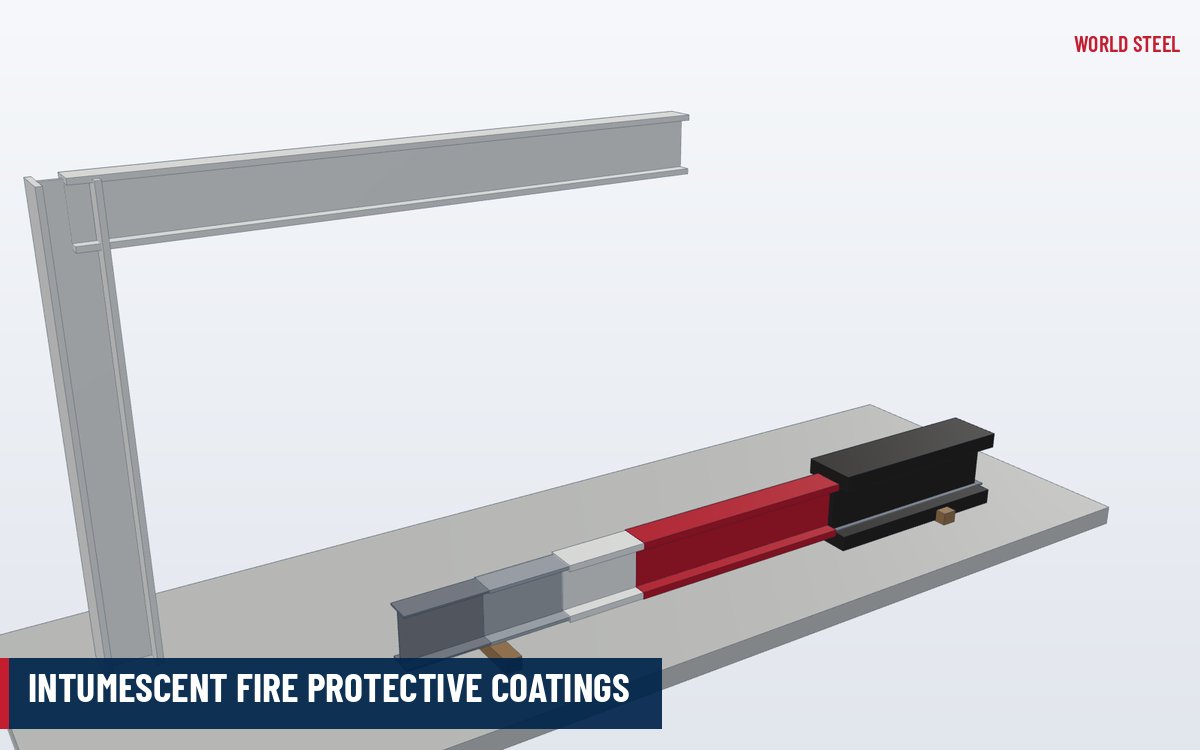
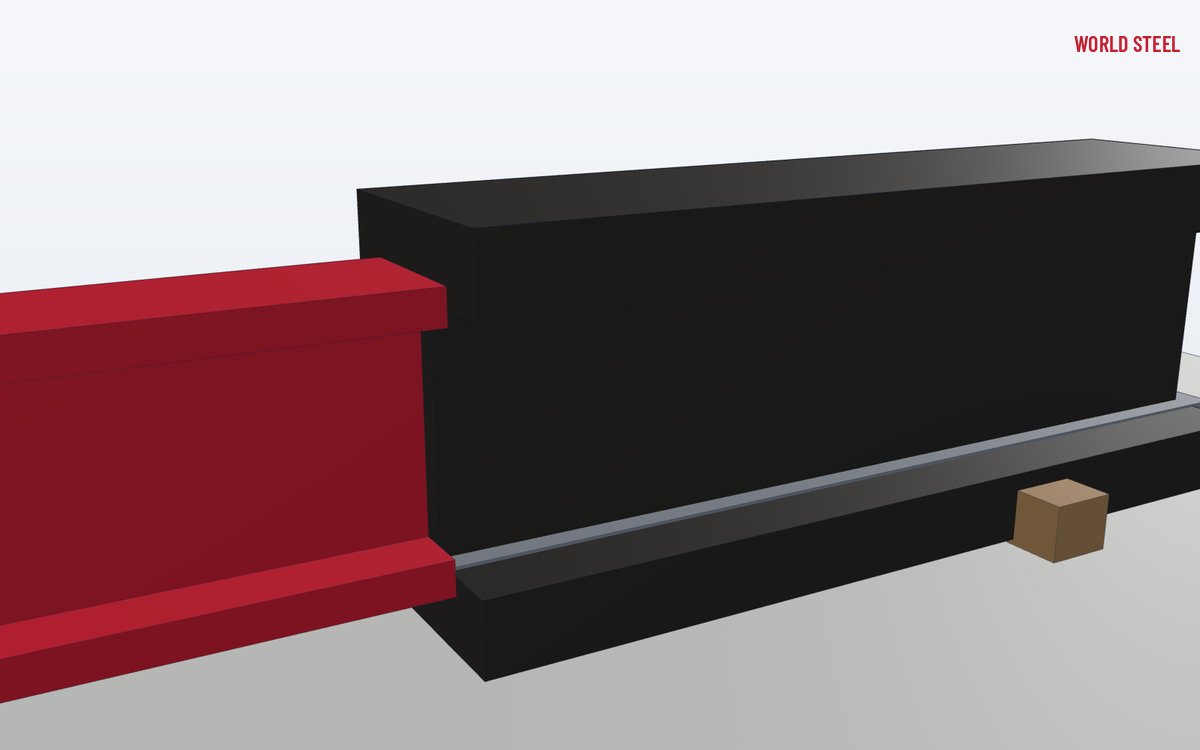
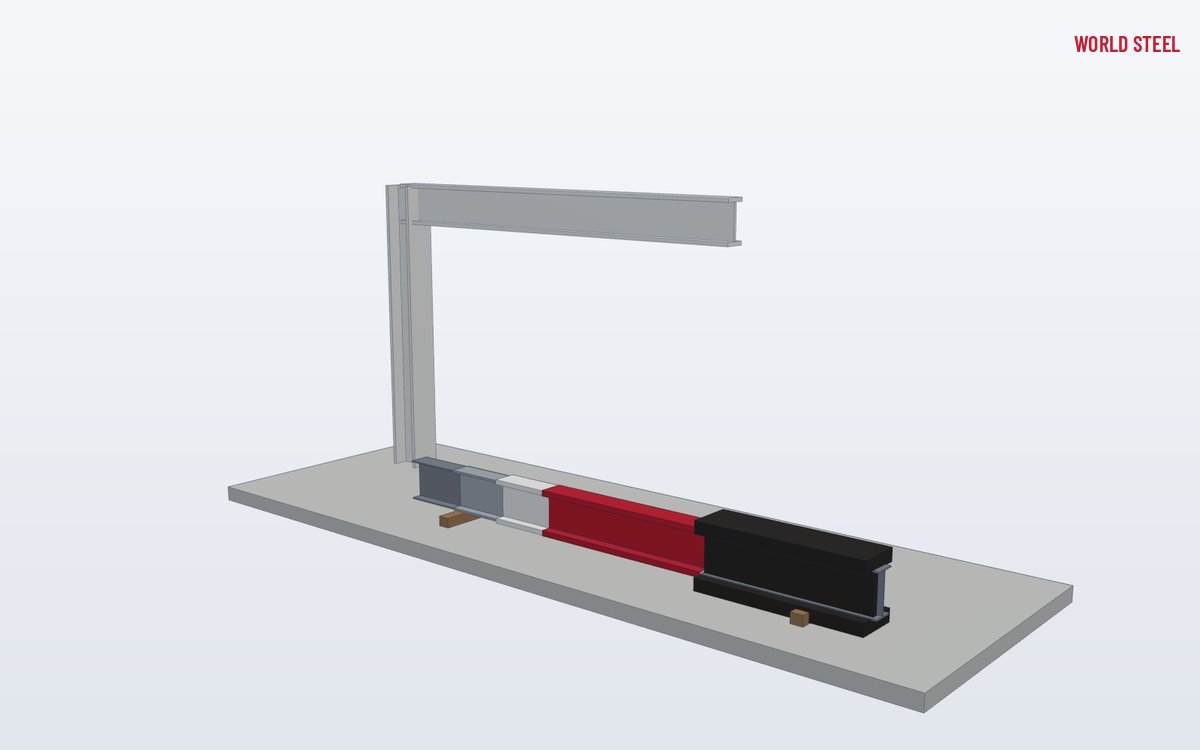
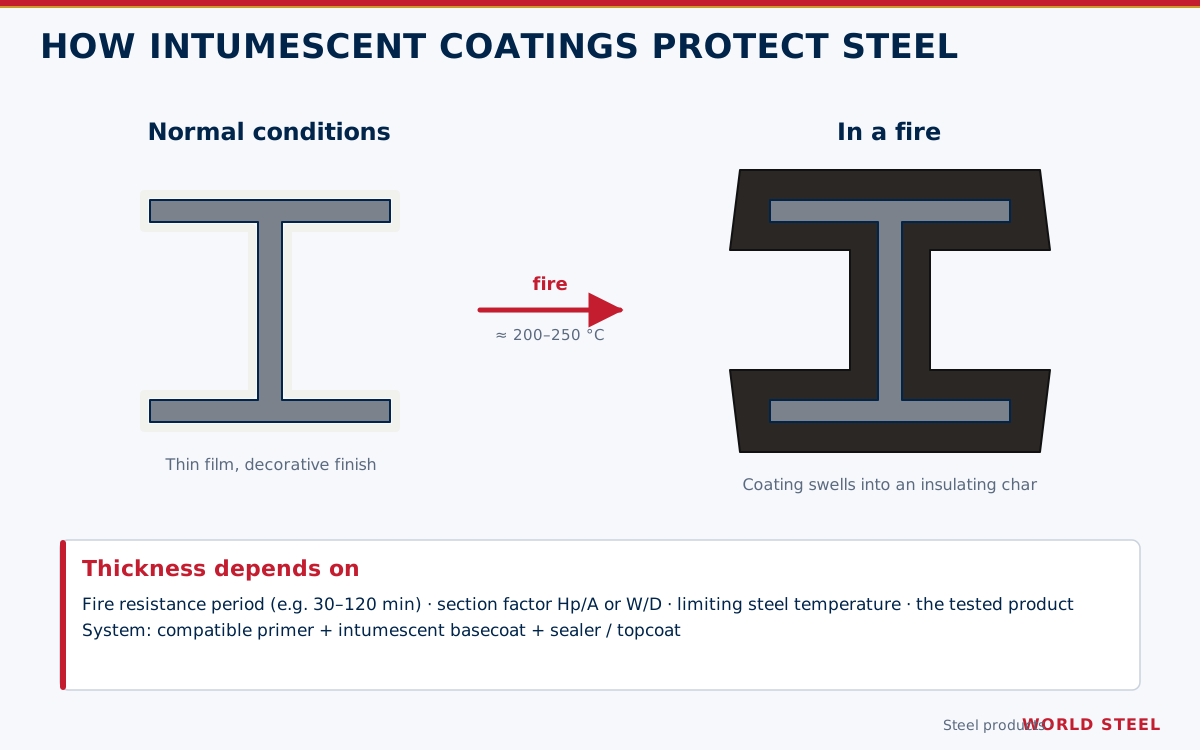
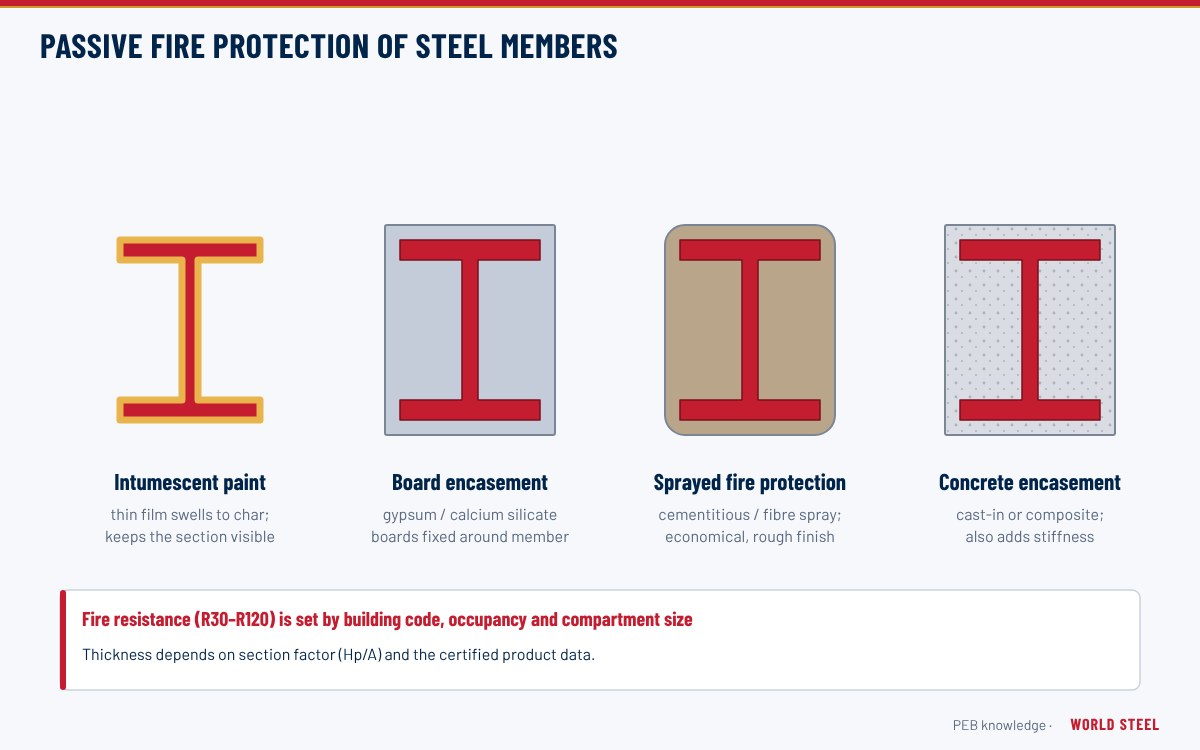
- Thin-film coating that swells into an insulating char
- Thickness from fire rating, section factor and tested product
- Compatible primer, intumescent basecoat and sealer/topcoat
- Site-applied over a WSC primer or shop-applied when specified
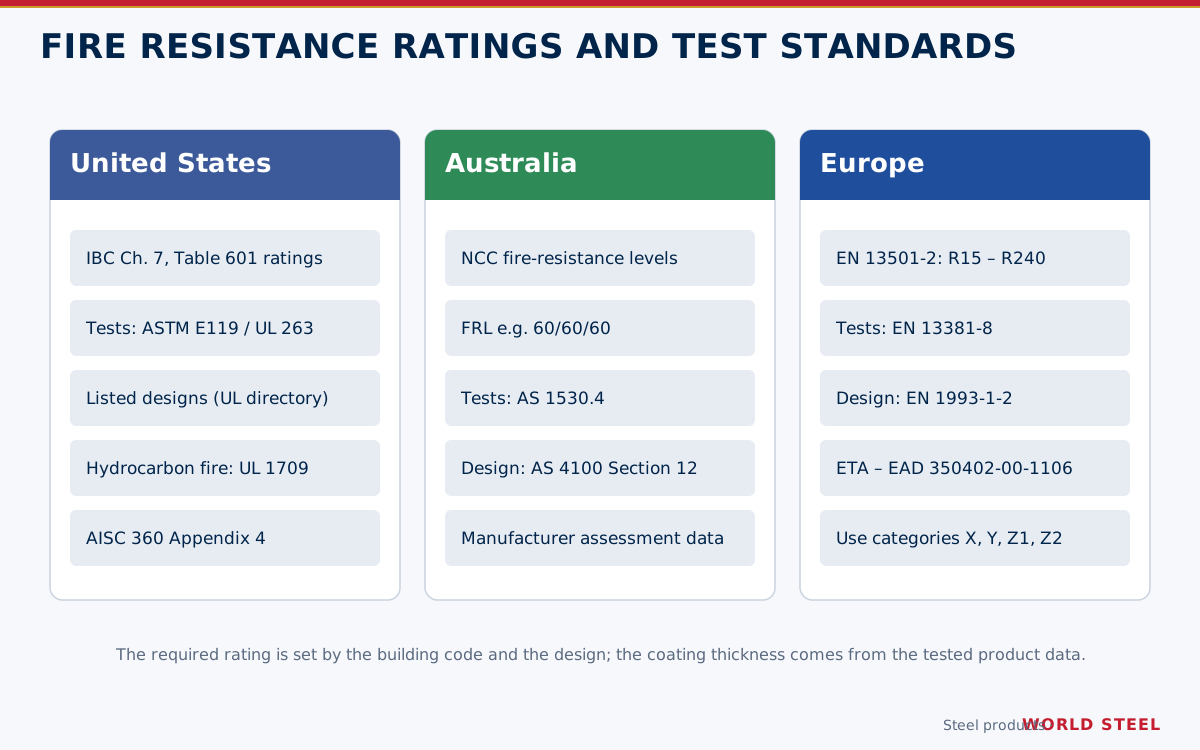
- Ratings to IBC / UL, NCC FRL and EN 13501-2
- Keeps steel slender and architectural
What intumescent fire protection is
Steel does not burn, but it loses strength and stiffness as it heats. Building codes therefore require many structural members to keep their load-bearing function for a set period in a standard fire – 30, 60, 90 or 120 minutes and more. Intumescent coatings – called reactive coatings in European standards and "sơn chống cháy" on Vietnamese projects – are one of the main ways to achieve this. They look like a thick paint film in normal service; when heated, typically from around 200–250 °C, they swell many times their thickness and form a carbonaceous char that insulates the steel and slows its temperature rise.
Because the dry film is only millimetres thick, intumescent protection keeps the steel slender and the profile visible, which is why it is preferred for exposed architectural steel, offices, airports, retail and public buildings. Background on fire design for steel buildings is in the PEB article on structural fire protection.
Fire ratings by market
| Market | How the rating is expressed | Test and assessment basis |
|---|---|---|
| United States | Hourly fire-resistance ratings from IBC Chapter 7 and Table 601 by construction type | ASTM E119 / UL 263 tests; listed designs in the UL directory; UL 1709 for hydrocarbon fires; AISC 360 Appendix 4 for structural fire design |
| Australia | NCC fire-resistance level (FRL), e.g. 60/60/60 – structural adequacy / integrity / insulation | AS 1530.4 fire tests; AS 4100 Section 12; assessment of reactive coatings from manufacturer test data |
| Europe | EN 13501-2 classes R15 to R240 (load-bearing capacity) | EN 13381-8 tests; EN 1993-1-2 design; product ETA under EAD 350402-00-1106 with CE marking |
In Europe the reactive coating product itself carries a European Technical Assessment and CE marking, including a durability use category – X for exterior exposure, Y, Z1 and Z2 for progressively more protected interior conditions. EN 16623 sets terminology and requirements for reactive coatings. The fire rating and the use category must match the building and the exposure of each member.
How the thickness is determined
The required dry film thickness of an intumescent coating is never a single figure for a project – it is calculated for each member from four inputs:
- Fire resistance period – the rating required by the code for that element.
- Section factor – the heated perimeter divided by the cross-section area (Hp/A or A/V, in m⁻¹, in Europe and Australia) or the weight-to-heated-perimeter ratio W/D in the US. Light sections with a high Hp/A or low W/D heat up faster and need more coating.
- Limiting (critical) steel temperature – depends on the utilisation of the member under fire loads, calculated by the structural engineer to EN 1993-1-2, AS 4100 or AISC 360 Appendix 4; where not given, a default value is used by the coating manufacturer.
- The tested product – thickness tables are valid only for the specific product, test and assessment; one manufacturer's figures cannot be applied to another product.
The fire-protection manufacturer, or a fire engineer using its assessed data, issues a loading schedule listing each member size, exposure (three or four sides), rating and required DFT. Open sections, hollow sections and cellular beams are treated differently, so the schedule must follow the actual shop drawing sizes.
System build-up and application
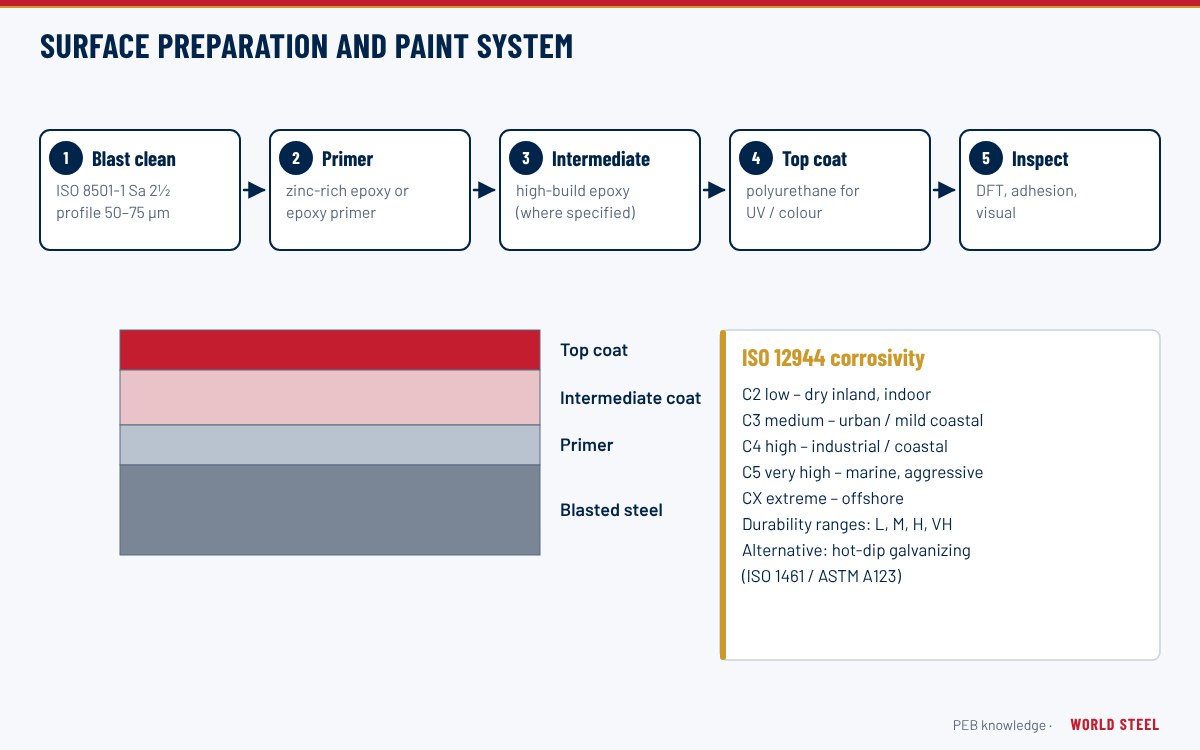
A typical intumescent system has three layers: a compatible anti-corrosive primer (often epoxy or zinc-rich epoxy; an alkyd primer only if the intumescent manufacturer approves it), the intumescent basecoat (water-based, solvent-based or epoxy) at the scheduled thickness, and a sealer or topcoat where needed for durability or colour. World Steel offers two delivery routes:
- Site application by a specialist: World Steel blast cleans and applies the primer specified by the fire-protection manufacturer, records primer DFT and leaves the steel ready for site-applied intumescent after erection and connection work.
- Shop application: where the specification calls for it, World Steel coordinates shop application of the fire-protection manufacturer's certified product to the loading schedule, so members arrive protected; connections and damaged areas are completed on site.
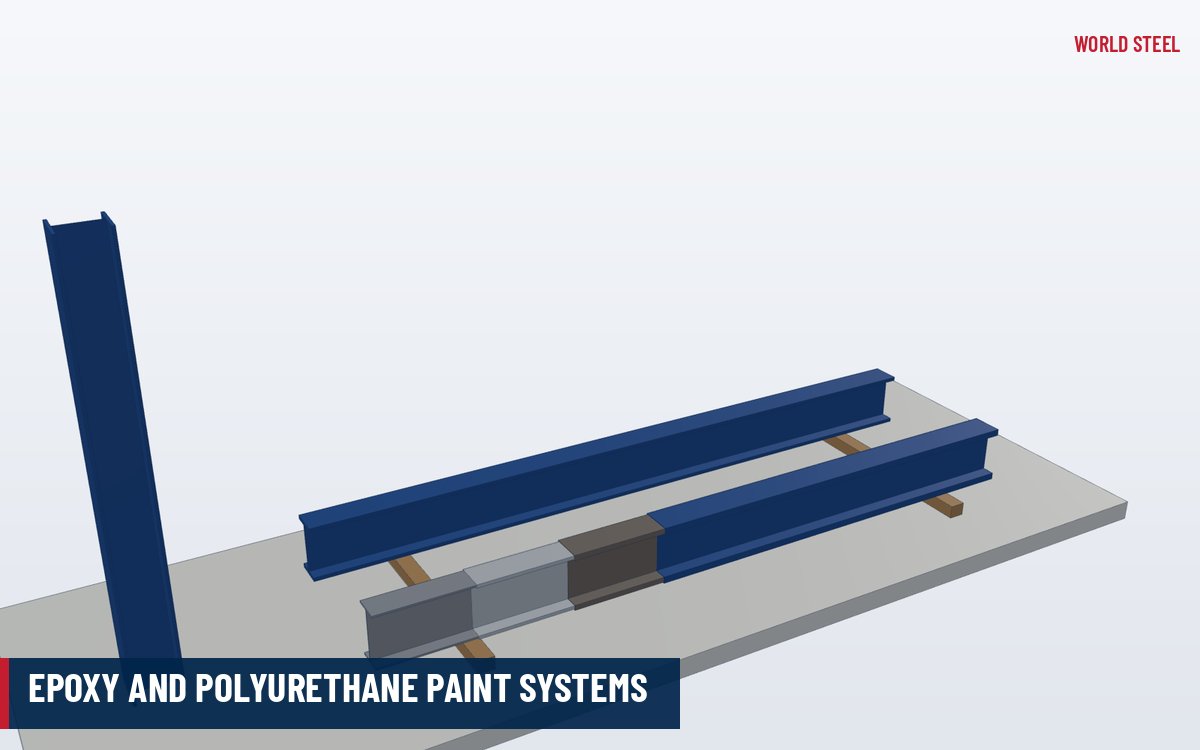
World Steel does not hold fire test certificates of its own – the fire performance comes from the manufacturer's tested and certified product applied to its data sheet. Epoxy intumescents are also used for exterior and hydrocarbon exposure; the corrosion system under them is selected as described under epoxy systems.
Inspection, repair and alternatives
Intumescent DFT is measured at a defined frequency on every protected member and compared with the loading schedule; the primer DFT is deducted where the method requires. Results, batch numbers and ambient conditions go into the coating inspection report. Damage from transport, erection or later trades is repaired to the manufacturer's procedure with the same product, restoring full thickness before the topcoat.
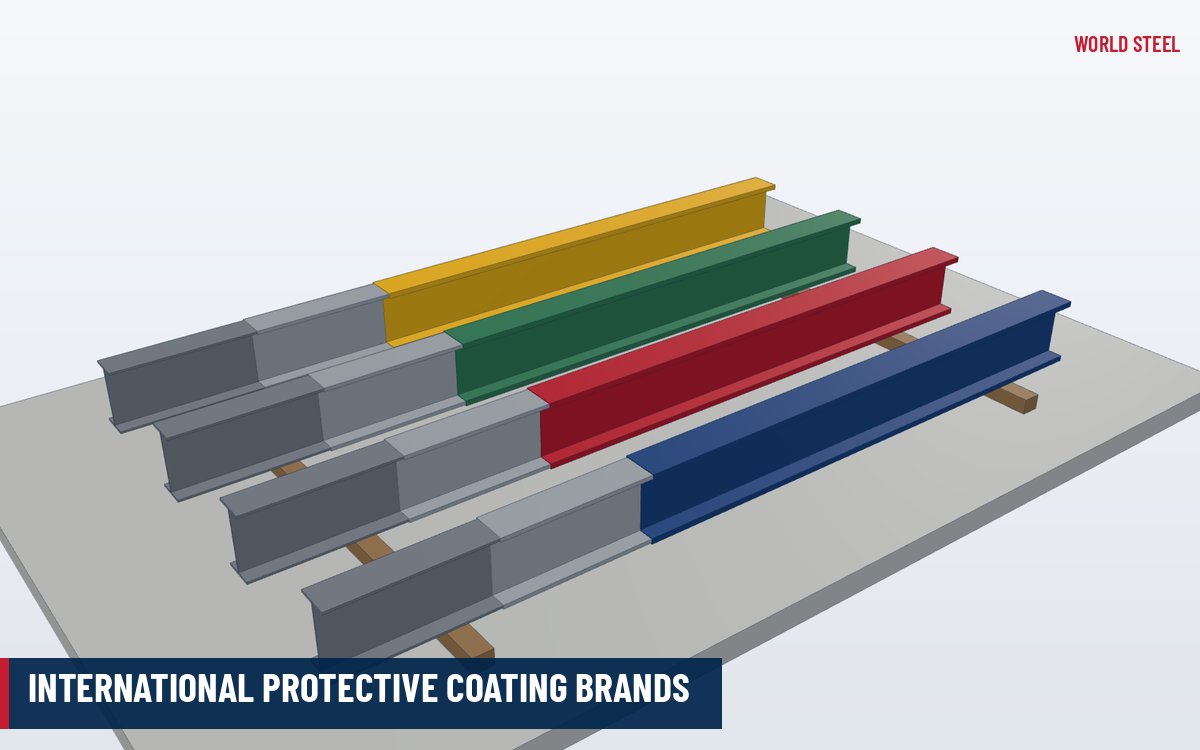
Alternatives include sprayed fire-resistive materials (cementitious or fibre-based), fire-rated boards and concrete encasement. These are often cheaper for hidden steel and long ratings but add bulk and are applied on site. The choice is made by the fire engineer and architect with the overall corrosion protection system in mind; manufacturers whose fire protection systems are commonly specified are listed on the coating brands page, including Jotun and International Paint.
Normas e requisitos por mercado
Normas segundo as quais a World Steel projeta, fabrica e documenta este produto – e os principais requisitos geométricos e de carga em cada mercado.
 Estados Unidos
- IBC Chapter 7 / Table 601Fire and smoke protection; fire-resistance ratings by construction type
- ASTM E119 / UL 263Fire tests of building construction and materials
- UL 1709Rapid-rise (hydrocarbon) fire tests of protection materials
- AISC 360 Appendix 4Structural design for fire conditions
- Rating basis
- Listed design in the UL directory for the assembly (typical)
- Section size measure
- W/D ratio per listed design
 Austrália / NZ
- NCC 2022 Volume OneFire-resistance levels (FRL)
- AS 1530.4Fire-resistance tests for elements of construction
- AS 4100 Section 12Design for fire
- AS/NZS 2312.1Paint coatings (primer under the fire coating)
- Rating format
- FRL e.g. 60/60/60 – structural adequacy / integrity / insulation (NCC)
- Coating thickness
- From assessed manufacturer test data to AS 4100 (section factor)
 Europa
- EN 13501-2Fire classification – resistance to fire
- EN 1993-1-2Structural fire design of steel
- EN 13381-8Reactive protection applied to steel members – test method
- EAD 350402-00-1106Reactive coatings for fire protection of steel elements (ETA)
- EN 16623Reactive coatings – definitions, requirements and marking
- Classification
- R15 – R240 (EN 13501-2)
- Product approval
- ETA and CE marking of the coating; use category X, Y, Z1 or Z2
- Thickness basis
- Section factor Hp/A and critical temperature (EN 13381-8 / EN 1993-1-2)
Resumo apenas para orientação – prevalecem a especificação do projeto, a edição da norma adotada e a autoridade competente.
Acabamentos
| Acabamento | Normas / observações |
|---|---|
| Primer only for site intumescent | Primer approved by the fire coating manufacturer · all markets |
| Shop-applied intumescent + topcoat | UL listed design · NCC FRL / AS 1530.4 data · ETA / EN 13381-8 |
Perguntas frequentes
How thick does the intumescent coating need to be?
It is calculated per member from the fire rating, the section factor (Hp/A, A/V or W/D), the critical steel temperature and the tested product's data. The manufacturer issues a loading schedule; there is no single thickness for a project.
Does World Steel apply intumescent coatings?
World Steel can supply steel primed with the primer the fire-protection manufacturer approves for site application, or coordinate shop application of the manufacturer's certified product where the specification requires it. Fire performance comes from the manufacturer's tested product.
Can intumescent coatings be used outdoors?
Only products assessed for exterior exposure – in Europe use category X – with the right primer and topcoat. Interior products (Y, Z1, Z2) need protection from weather during construction.
What are the alternatives?
Sprayed fire-resistive materials, fire-rated boards and concrete encasement. They can be economical for hidden steel and long ratings but are bulkier and applied on site.
 Singapore
 AS/NZS 5131 CC3
 EN 1090 EXC3 · CE
 IAS AC472