ENEnglish
 VITiếng Việt
 ZH中文
 KO한국어
 JA日本語
 FRFrançais
 ITItaliano
 PTPortuguês
 ESEspañol
 HEעברית
 ARالعربية

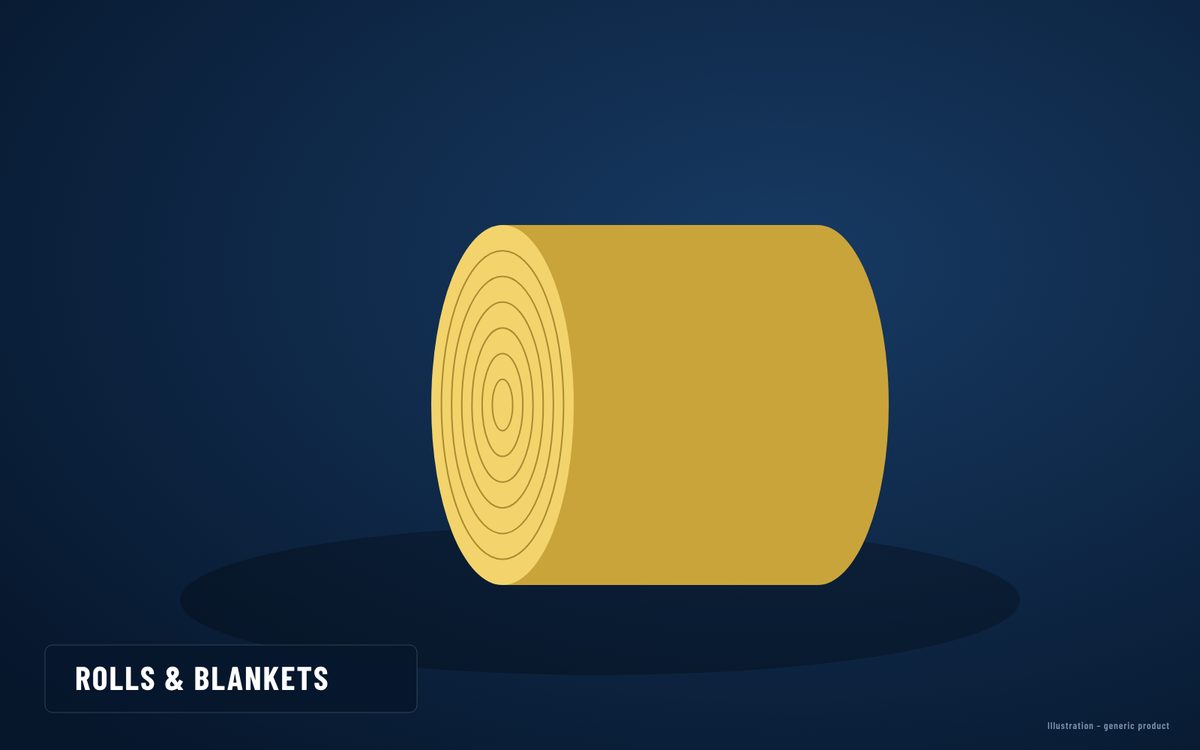 roofs · walls
Rolls & blankets
Flexible rolls, plain or foil-faced, under metal roofs and between studs.
Building materials · Glass wool insulation
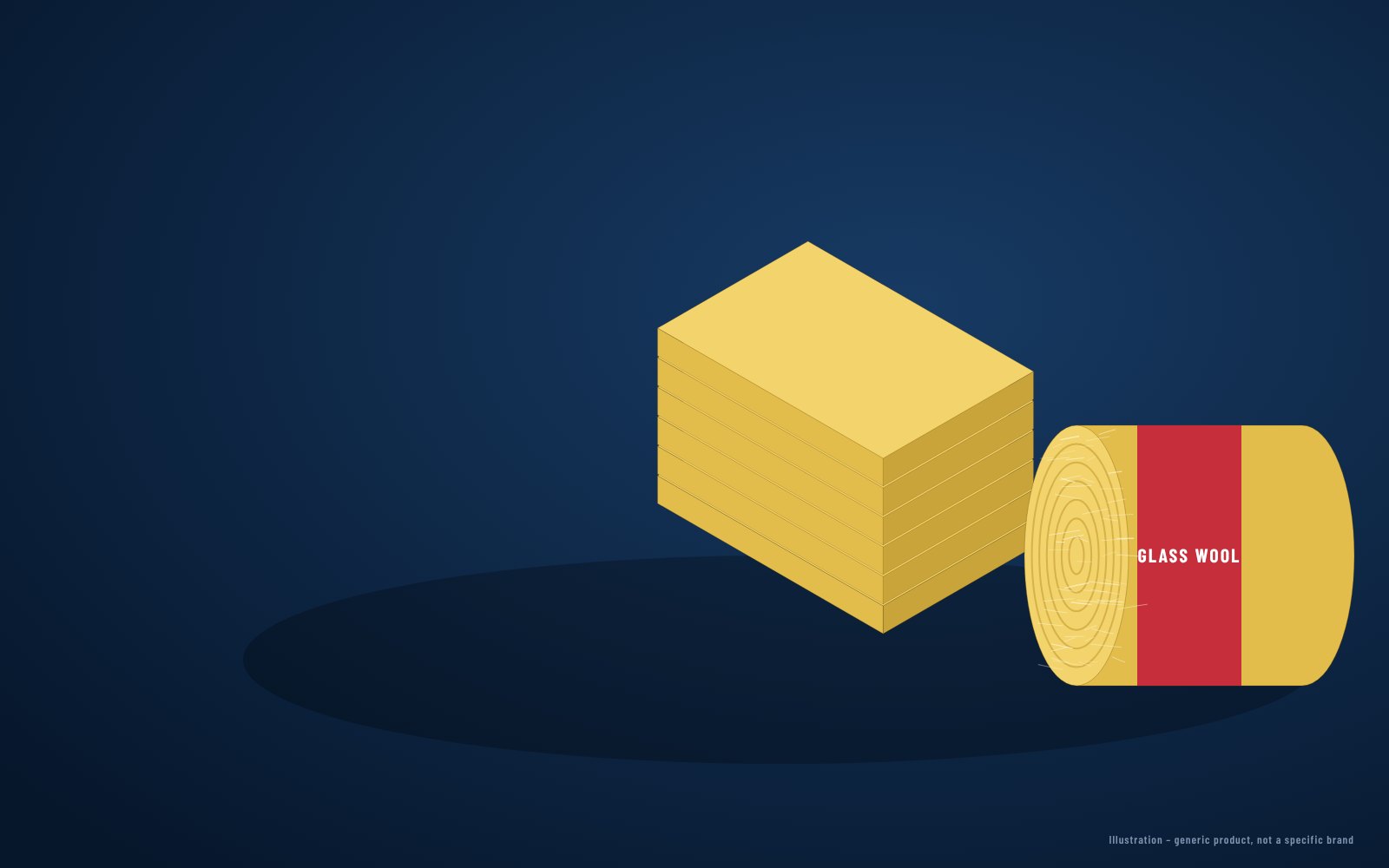
Glass wool is a mineral wool spun from molten glass – mostly sand and recycled glass. Light, flexible and easy to install, it is the most widely used insulation for roofs, walls, ceilings, partitions and air-conditioning ducts. World Steel supplies glass wool with steel buildings.
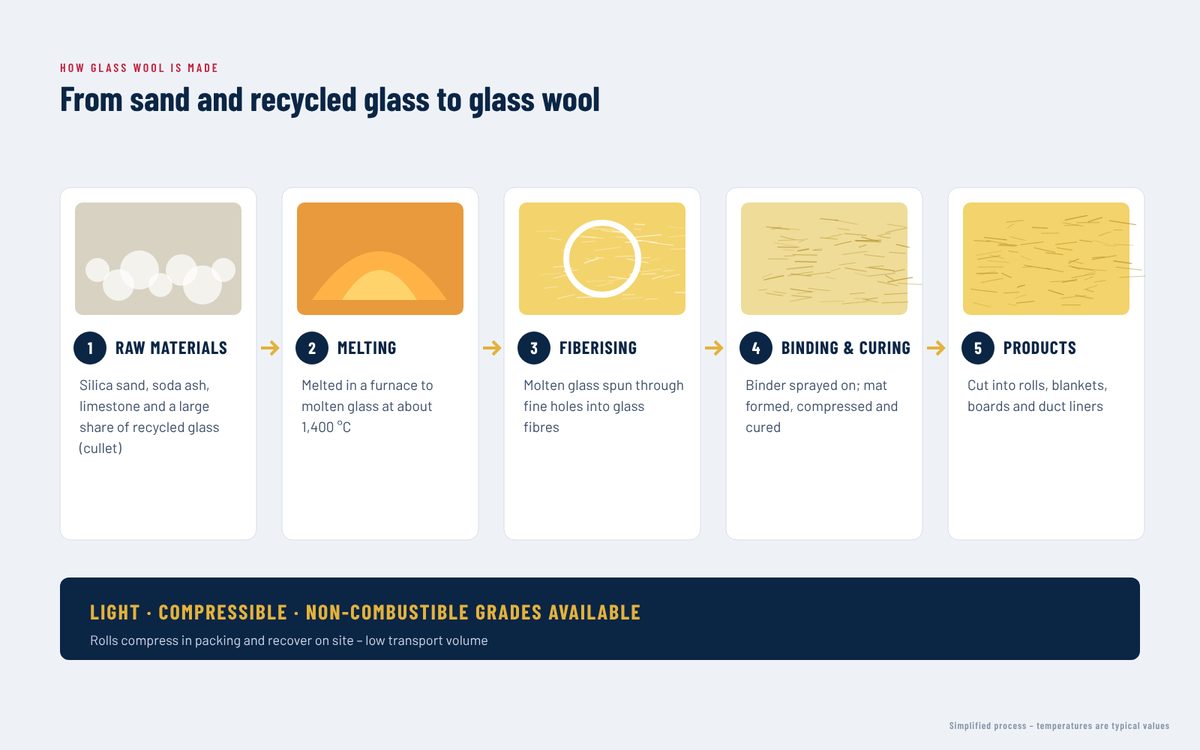
Glass wool – also called glass mineral wool, fiberglass insulation or, in Vietnamese, bông thủy tinh – is made by melting sand, soda ash, limestone and a large share of recycled glass at about 1,400 °C and spinning the molten glass into very fine fibres. A binder holds the fibres together and the mat is cured into rolls, blankets and boards.
Millions of tiny air pockets between the fibres slow down heat flow and absorb sound. Because the fibres are fine and elastic, glass wool is light, can be compressed for transport and recovers its thickness when unpacked – which keeps shipping and handling costs low.
Product forms
Typical forms – the World Steel glass wool range will be published here.
roofs · walls
Flexible rolls, plain or foil-faced, under metal roofs and between studs.
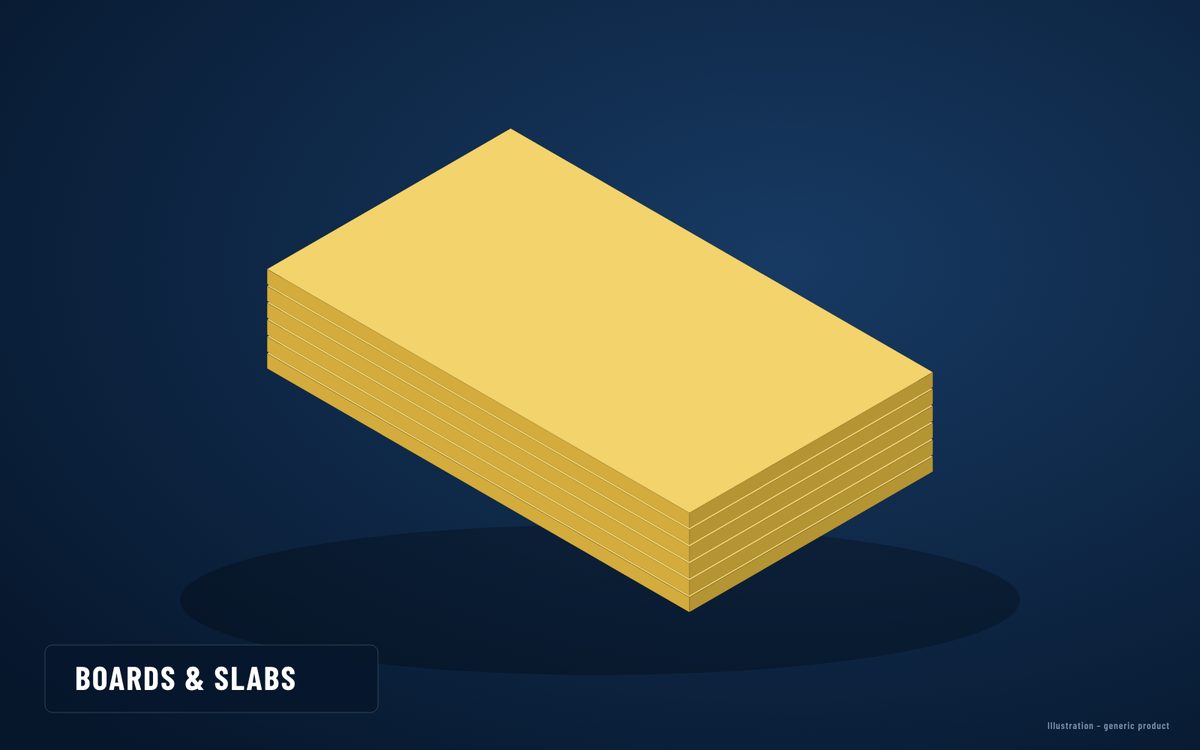 walls · ceilings
Semi-rigid boards for partitions, ceilings and acoustic panels.
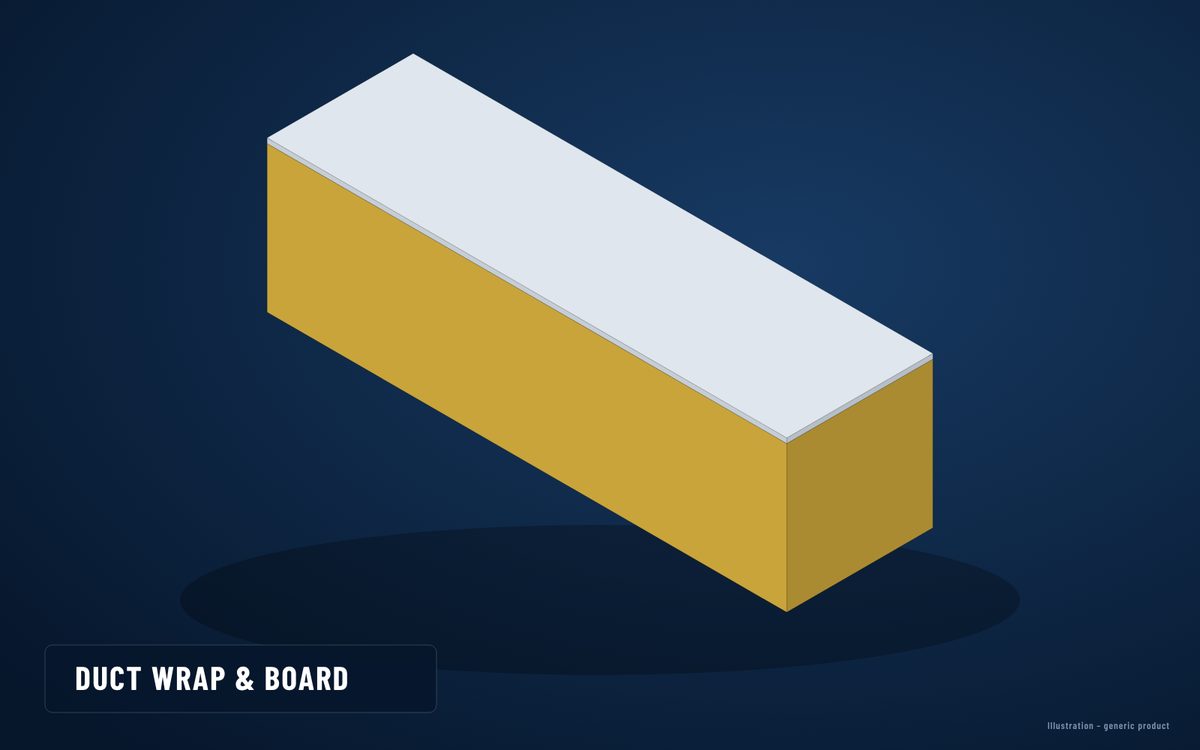 HVAC
Faced blankets and boards for air-conditioning ducts.
יישומים
Low thermal conductivity – good R-values at a low weight.
Fine fibres absorb sound in partitions, ceilings and ducts.
Rolls are compressed in packing – more insulation per container.
Flexible rolls and blankets follow purlins, rafters and studs.
Unfaced glass wool is typically non-combustible; facings change the class.
A large share of recycled glass in the raw material.
תקנים ותאימות
The standards most often specified in our export markets.
 Europe
 United States
 Australia & New Zealand
סיכום להתמצאות בלבד – מפרט הפרויקט, מהדורת התקן שאומצה והרשות המוסמכת הם הקובעים.
In steel buildings
The most common use of glass wool in steel buildings is a foil-faced blanket laid over the purlins, under the roof sheets, often held by a steel wire mesh. It reduces solar heat gain through the roof, cuts the drumming of rain on metal sheets and, with the foil facing, acts as a vapour retarder. World Steel sizes the thickness with the roof design and ships the blankets with the steel package.
Compare
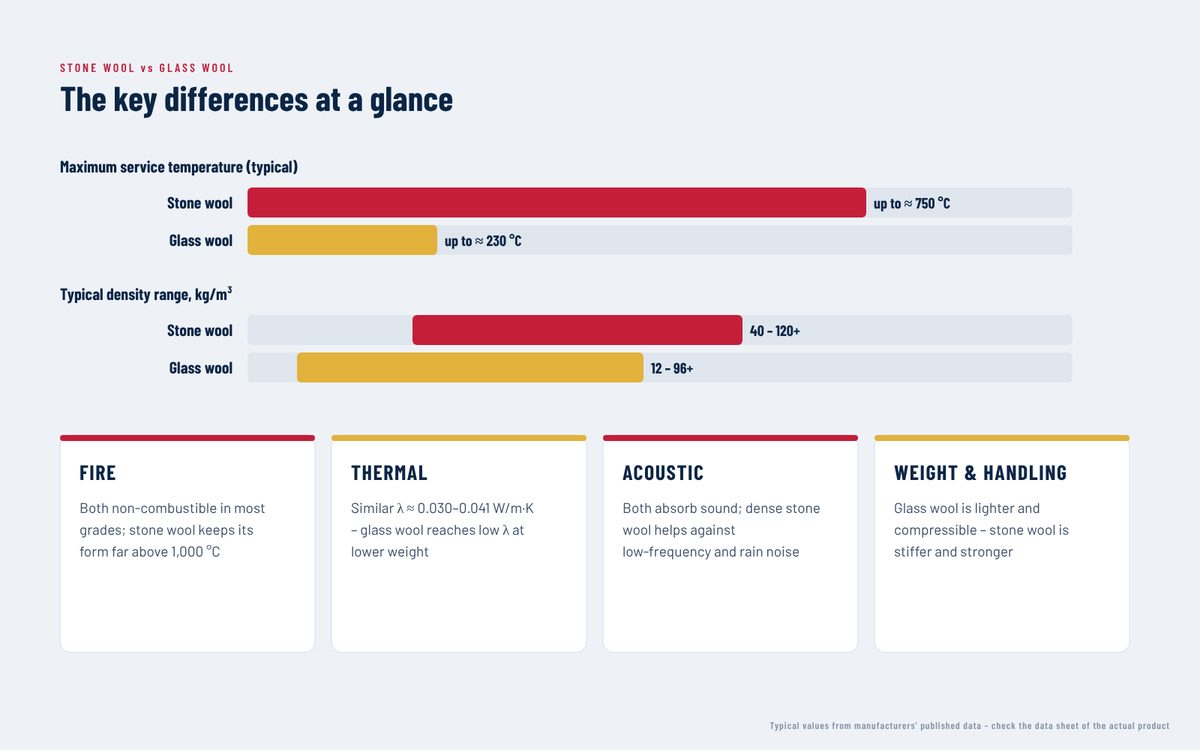
Both are mineral wools with similar thermal conductivity. Glass wool is lighter and usually cheaper; stone wool is denser, stronger and withstands far higher temperatures – the choice for fire barriers, high-rise façades and hot industrial equipment. Read the full ROCKWOOL vs glass wool comparison or see the ROCKWOOL range.
Advantages and limitations
An honest view – choose the insulation by fire, temperature, moisture and load requirements.
| Advantage | Why it matters |
|---|---|
| Low weight | Lighter loads on purlins and ceilings; easy handling at height |
| Compressible | Lower freight volume for export projects |
| Good thermal value per kg | Efficient insulation for roofs, walls and ceilings |
| Sound absorption | Quieter partitions, ceilings and ducts |
| Cost | Usually lower cost per R-value than denser mineral wool |
| Limitation | What to do |
|---|---|
| Lower temperature limit (≈ 230 °C) | Use stone wool for hot pipes, ovens and fire barriers |
| Low compressive strength | Use rigid stone wool or foam boards where the insulation carries load |
| Facings may be combustible | Check the reaction-to-fire class of the faced product |
| Performance drops when wet or compressed | Protect from water; do not crush under sheets or fixings |
| Fibres can irritate skin | Gloves, long sleeves, eye protection and a mask when cutting |
FAQ
Mainly sand, soda ash, limestone and recycled glass, melted at about 1,400 °C, spun into fibres and bound with a binder.
Yes – fiberglass insulation, glass mineral wool and glass wool are names for the same type of mineral wool.
Unfaced glass wool is typically non-combustible, but its fibres soften at much lower temperatures than stone wool, and facings can change the fire class. For fire barriers and high temperatures choose stone wool.
It depends on the climate, the energy code and the required R-value – commonly 50 to 100 mm under metal roofs. World Steel sizes it with the roof design.
Yes, with steel buildings. Our glass wool product pages are being added – ask us for a quotation in the meantime.
Tell us the roof and wall areas and the R-value you need – we quote the insulation with the structure.