ENEnglish
 VITiếng Việt
 ZH中文
 KO한국어
 JA日本語
 FRFrançais
 ITItaliano
 PTPortuguês
 ESEspañol
 HEעברית
 ARالعربية

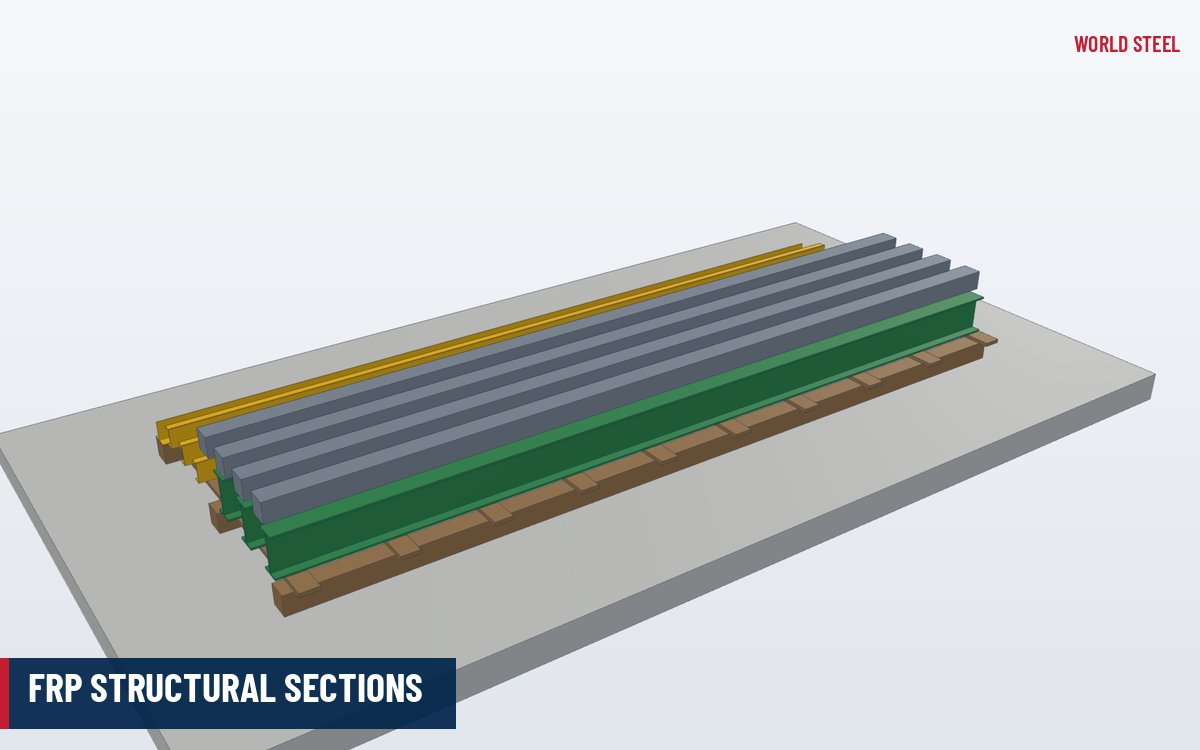
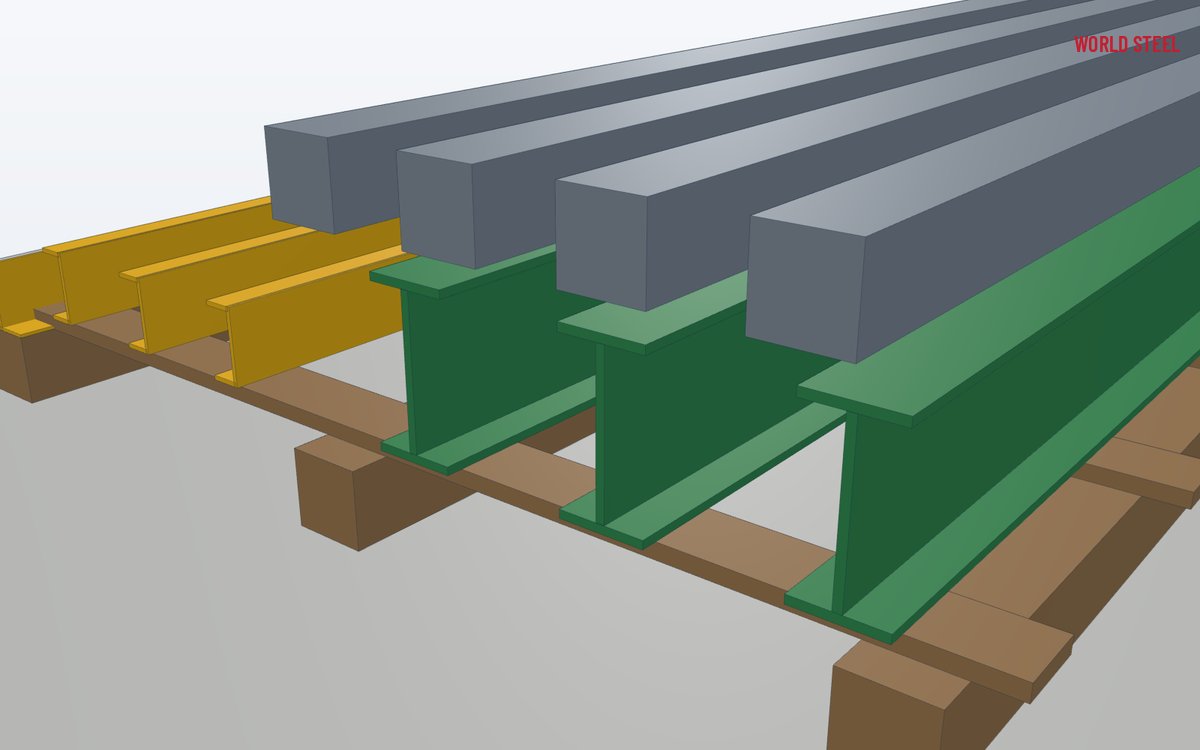
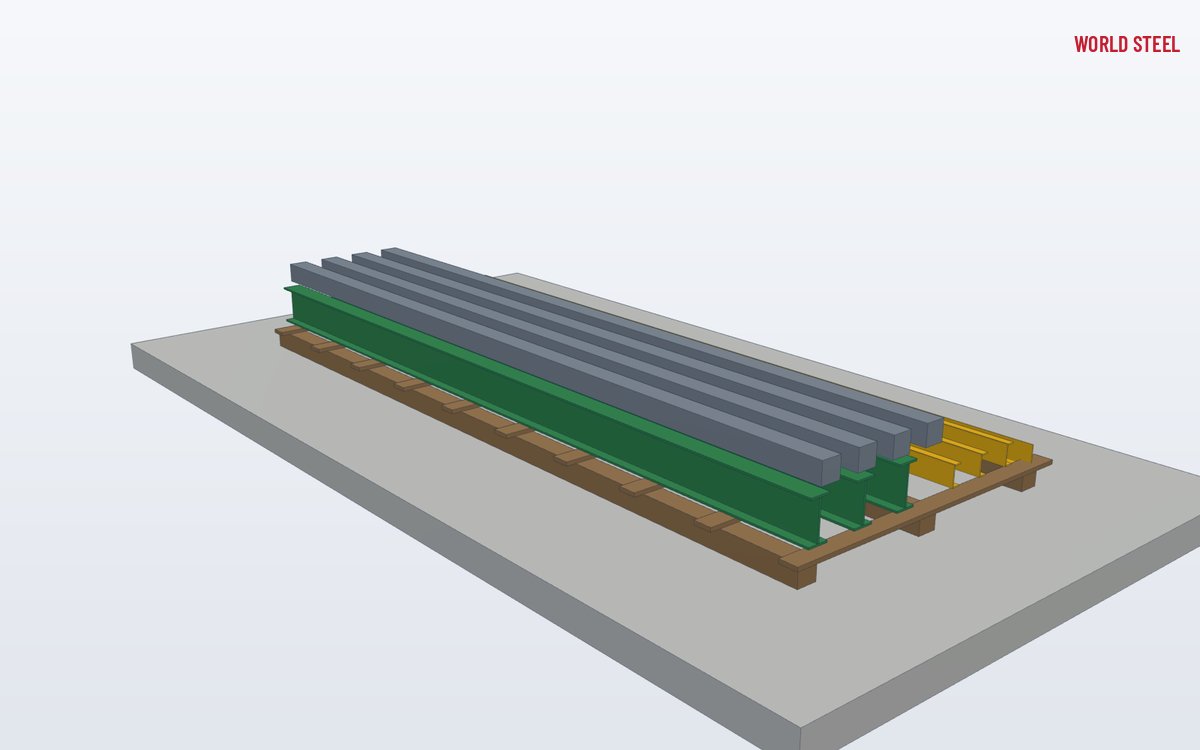
- I-beams, channels, angles, tubes, flat bars and plates
- Pultruded profiles classified to EN 13706
- Corrosion resistant, non-conductive and lightweight
- Bolted connections with stainless steel fasteners
- Supplied from specialist FRP manufacturers – not made by WSC
What it is
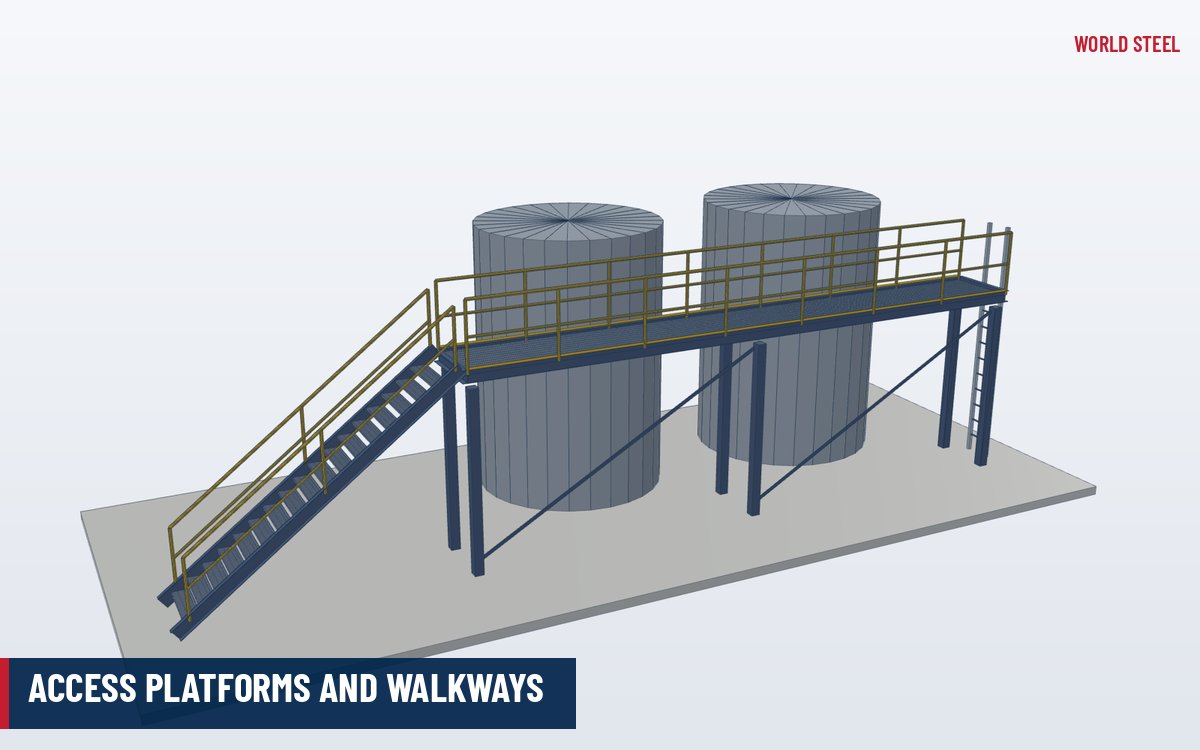
FRP structural sections are pultruded profiles: continuous glass fibre rovings and mats are pulled through a resin bath and a heated die, producing straight lengths with a constant cross-section. The common shapes mirror steel – I-beams and wide-flange beams, channels, equal and unequal angles, square and round tubes, flat bars and plates. They are used for light platforms and walkways, cable tray and pipe supports, cooling tower internals, odour-control and tank covers, marine fendering and jetty structures, and frames around electrical equipment.
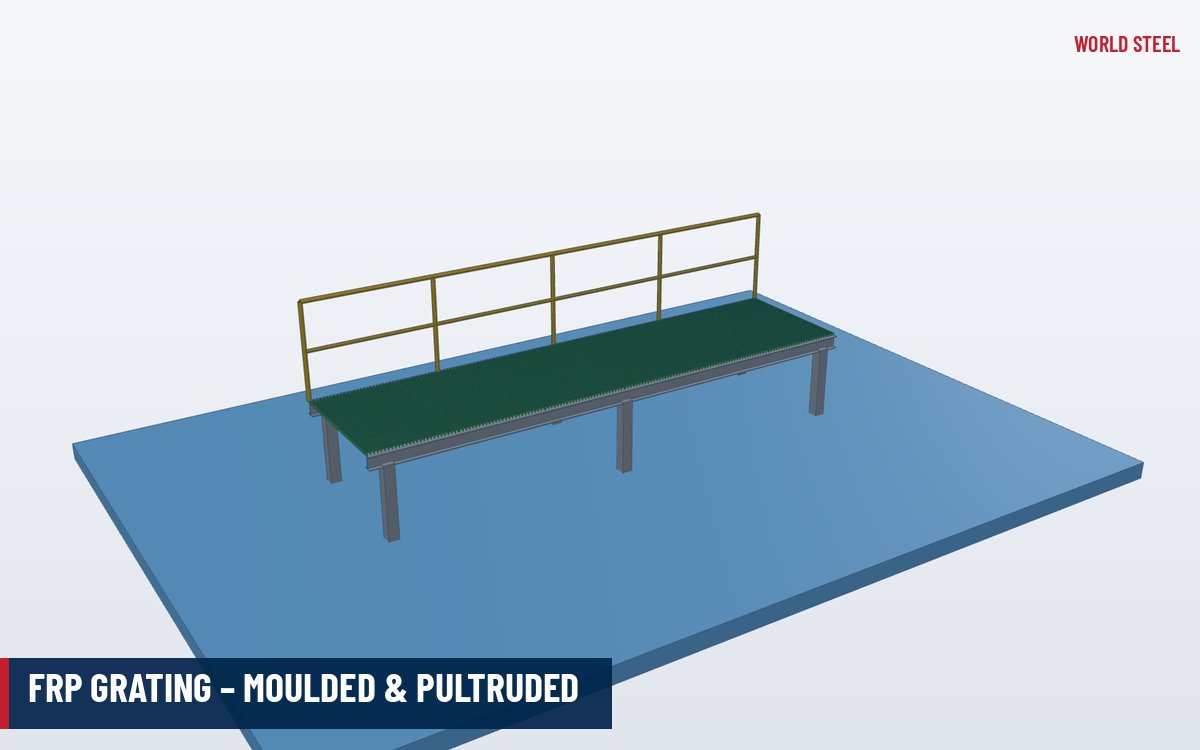
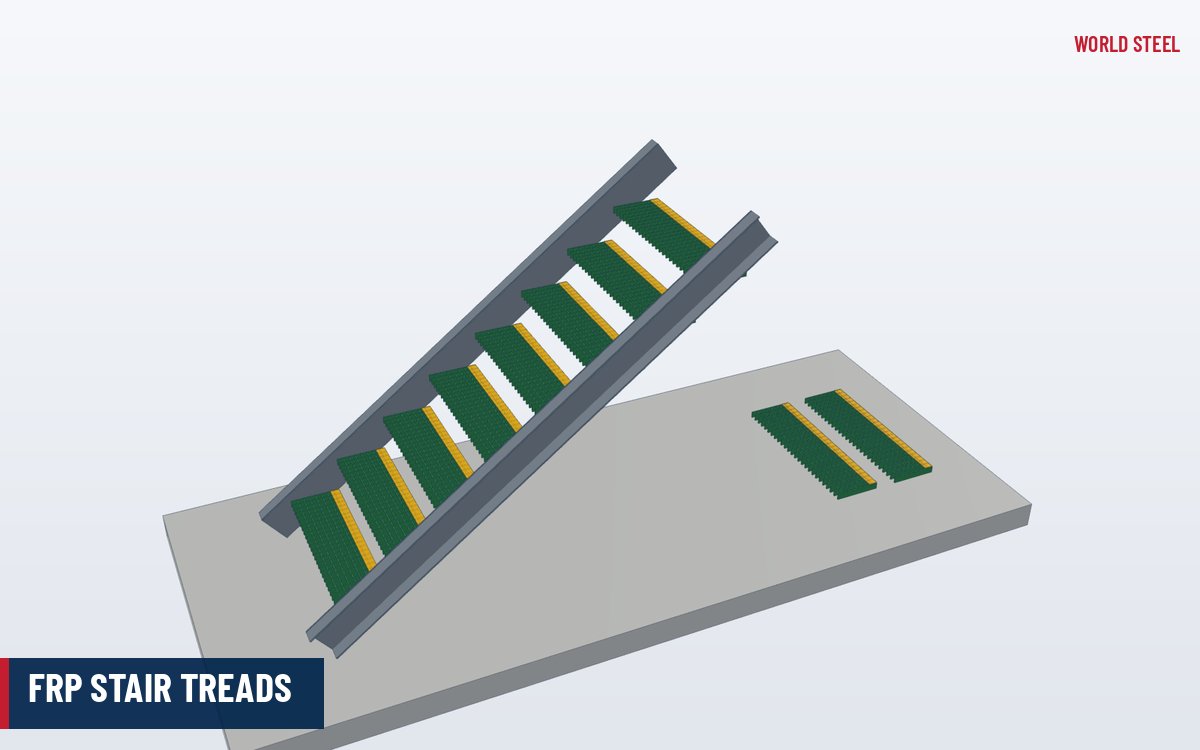
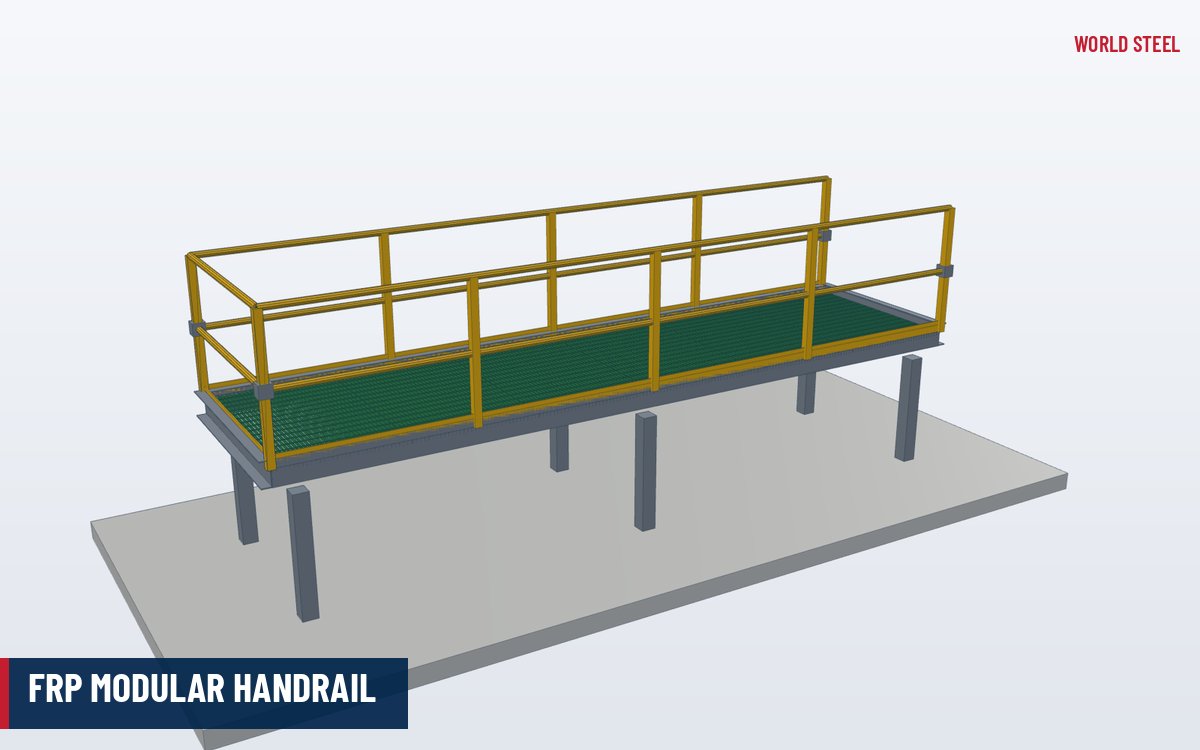
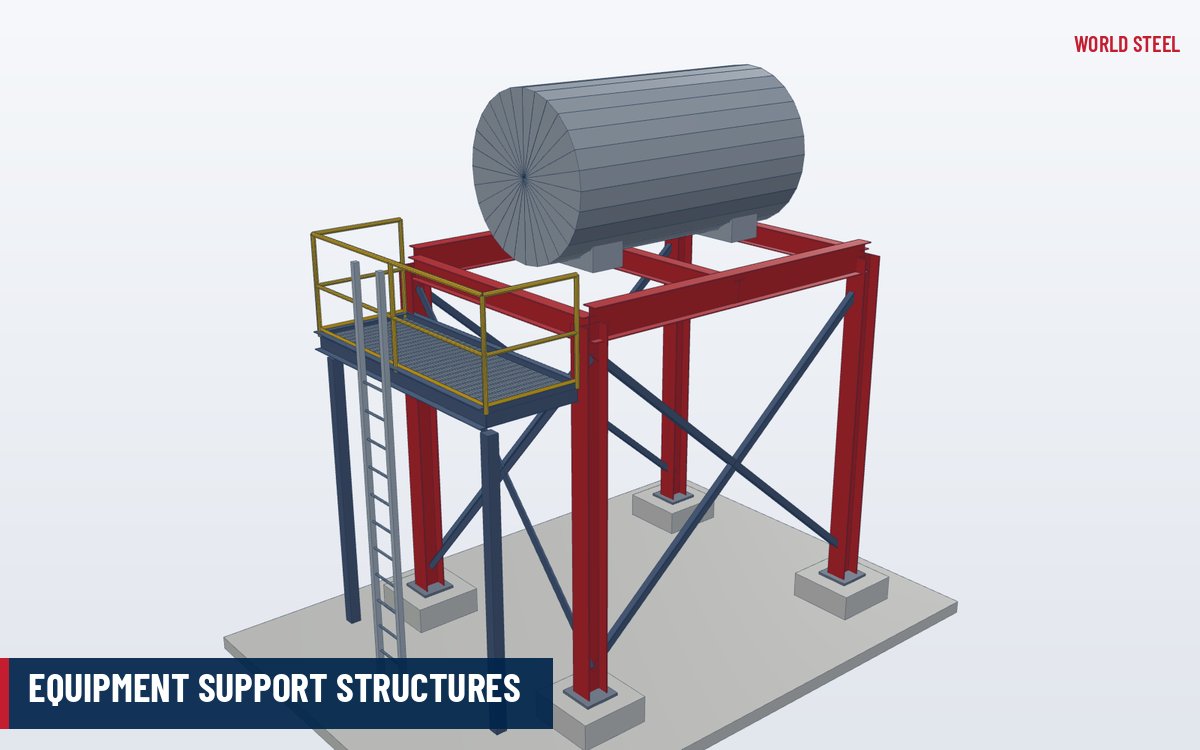
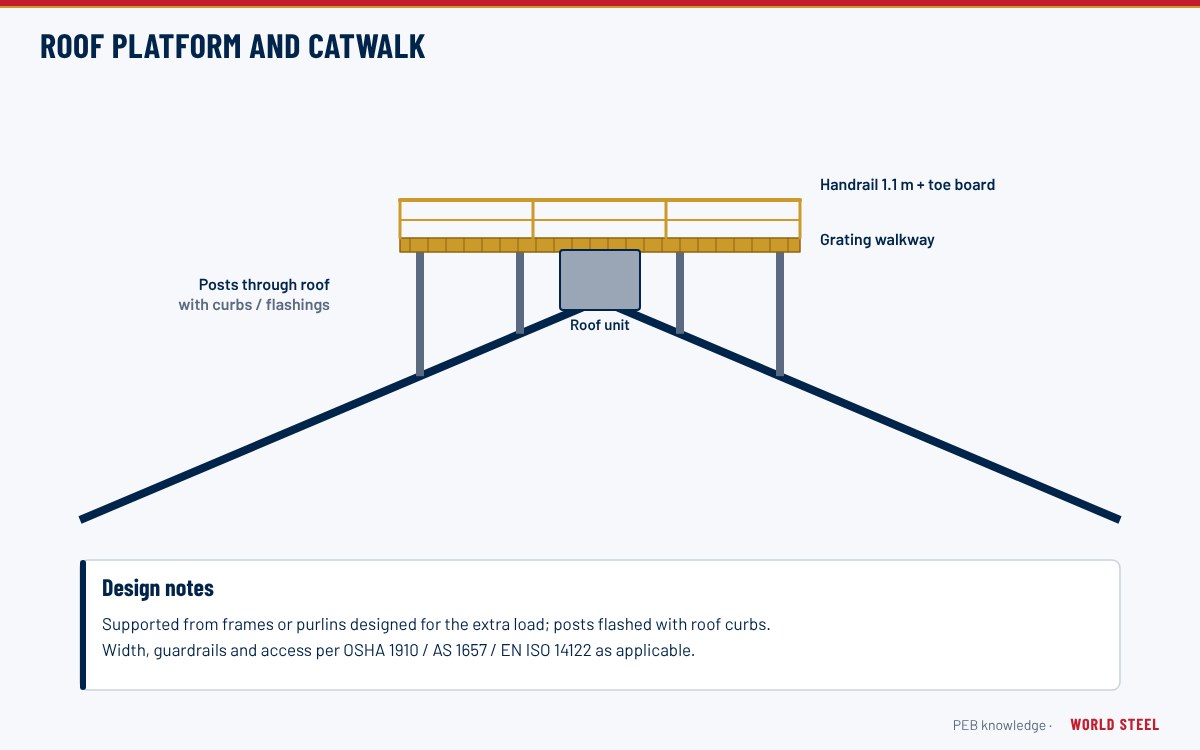
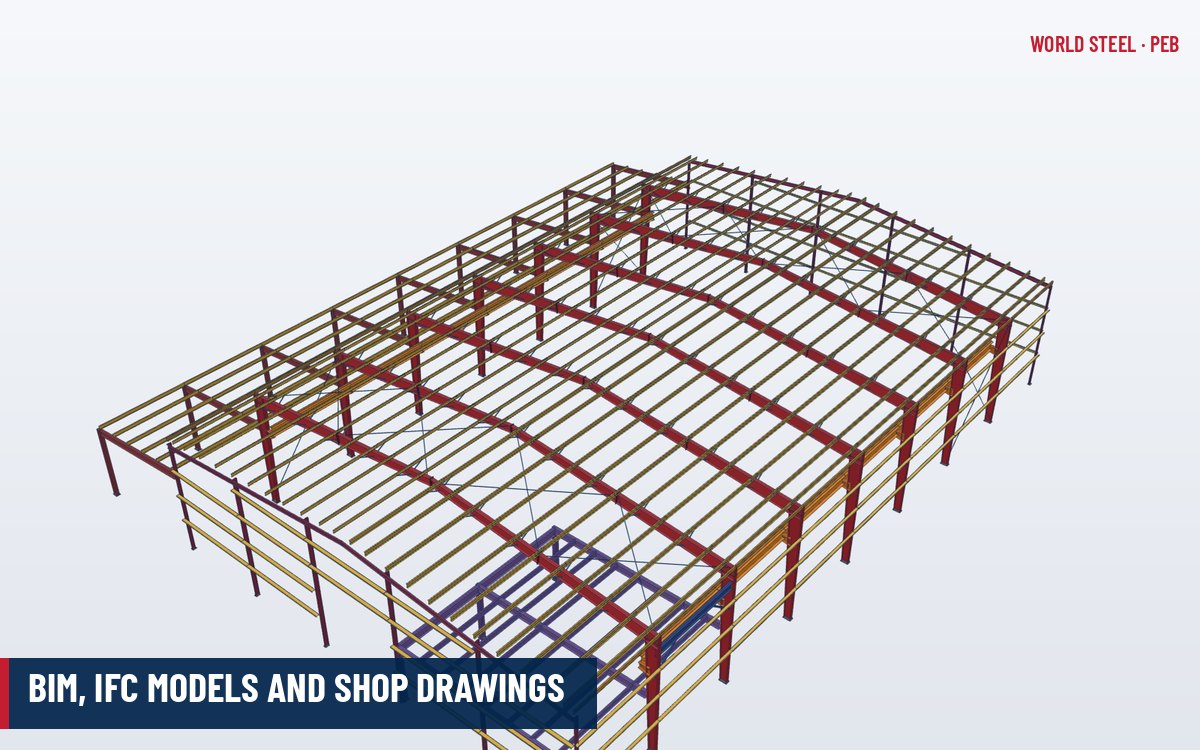
World Steel does not pultrude FRP. We supply sections from specialist FRP manufacturers and coordinate them with the project steel: our engineers model FRP members in Tekla alongside the steel support structures and platforms we fabricate, prepare cutting and drilling lists, check interfaces and pack the FRP parts with the steel delivery. Floors are completed with FRP grating and edges with FRP handrail.
Types and options
| Profile | Typical use | Notes |
|---|---|---|
| I-beam / wide flange | Platform beams, walkway stringers | Usually sized for deflection |
| Channel | Stringers, trimmers, edge members | Back-to-back for heavier members |
| Equal / unequal angle | Bracing, cleats, ledgers | Common for bolted connections |
| Square / round tube | Columns, posts, handrail | Good torsional stiffness |
| Flat bar / plate | Gussets, kick plates, covers | Cut to shape from sheet or bar |
- Resins: isophthalic polyester, vinyl ester for chemical exposure, phenolic or fire-retardant formulations where specified.
- Surface: synthetic surface veil and UV-inhibited resin for outdoor use.
Design and compliance
FRP behaves very differently from steel. Its elastic modulus is a fraction of steel's, it creeps under sustained load, its properties fall at elevated temperature and it is anisotropic – much stronger along the fibres than across them. Members are therefore usually governed by deflection, local buckling of thin flanges, and bearing and bolt-hole strength at connections.
Design uses the manufacturer's published section and material properties with a recognised FRP method: in Europe, EN 13706 classifies pultruded profiles and CEN/TS 19101 gives design rules for fibre-polymer composite structures; in the US, ASCE/SEI 74 (LRFD for pultruded FRP structures) or the manufacturer's design manual is used. Australian projects generally design to the manufacturer's data with loads from AS/NZS 1170. World Steel coordinates the design inputs, connection details and drawings; the member design is by the engineer of record or the manufacturer's design service, and fire behaviour is product-specific evidence from the manufacturer.
Connections, fabrication and supply
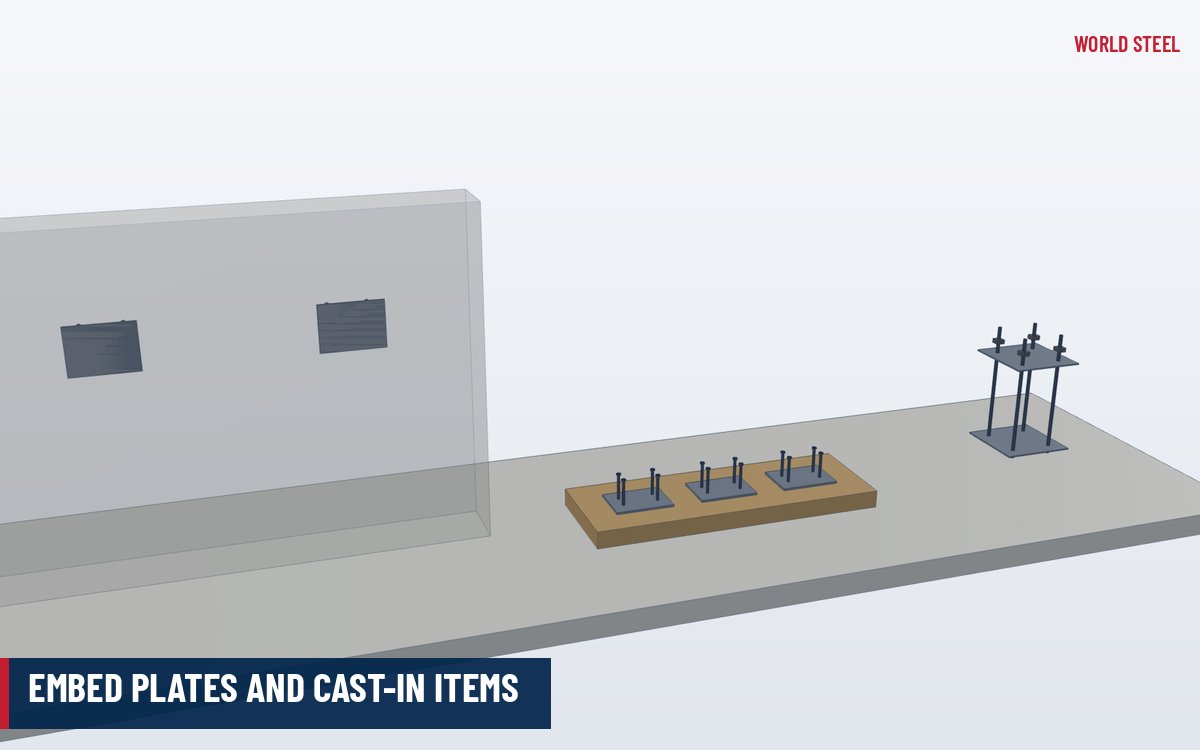
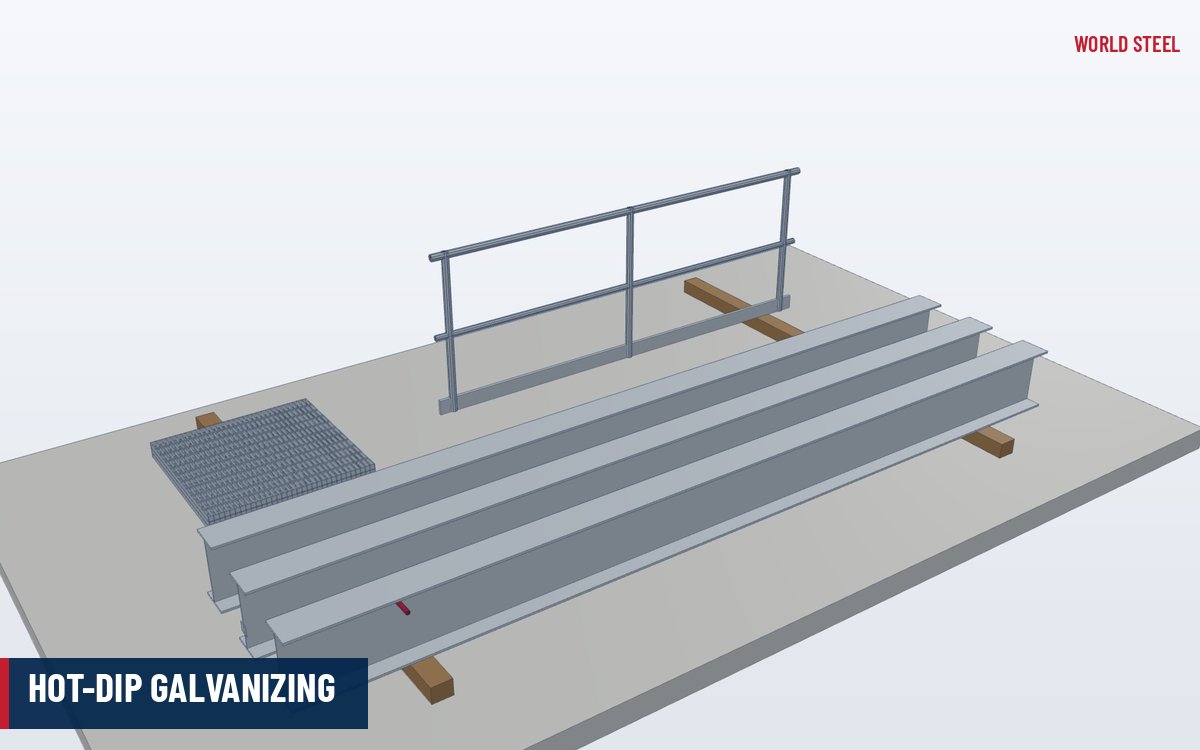
FRP members are joined by bolting through cleats and plates, often combined with structural adhesive; welding is impossible and heat must be kept away. Holes are drilled with carbide or diamond tools, edges and holes are sealed with compatible resin, and stainless steel bolts with large washers spread bearing stress. Where FRP meets steel, World Steel fabricates the base plates and embeds and steel brackets in our plant, hot-dip galvanised or in stainless steel, and isolates dissimilar materials where required.
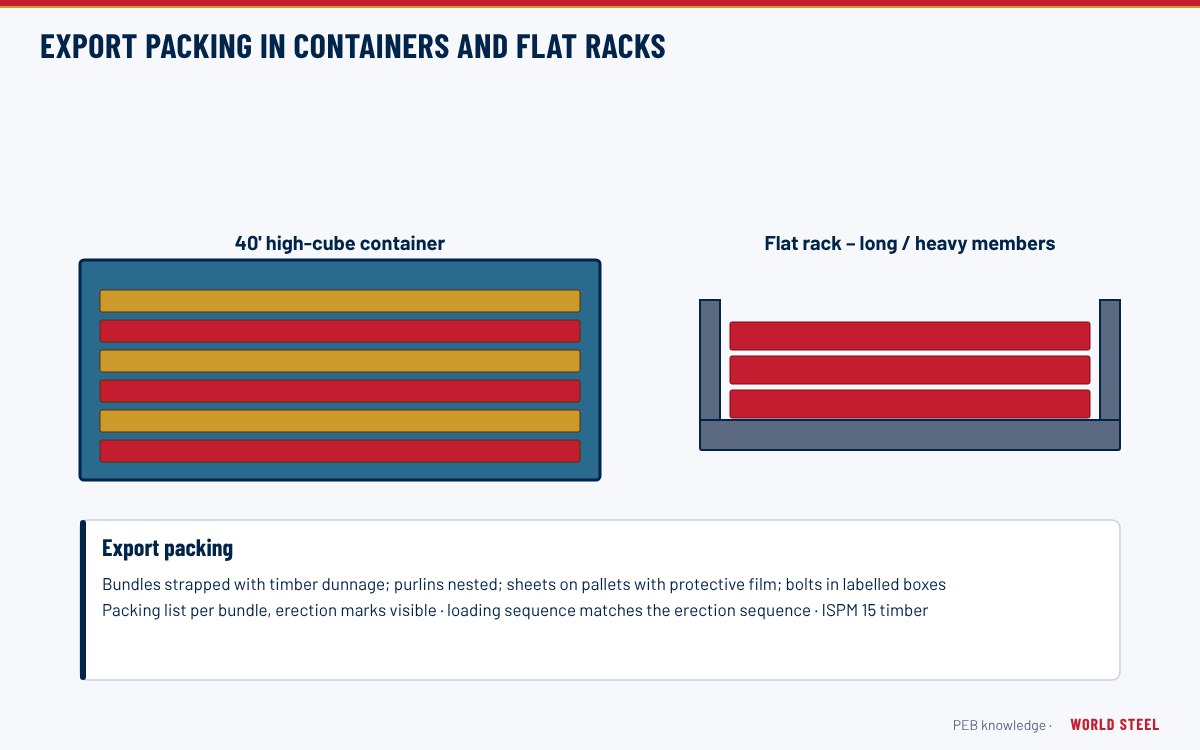
Sections are cut to length and pre-drilled where the drawings allow, labelled, bundled with protection against UV and abrasion, and shipped with the steel package via export packing.
Selecting and specifying
- Send the general arrangement, loads, deflection limits and the design standard to be used.
- State the environment – chemicals, temperature range, UV, marine or electrical exposure.
- State any fire requirement so that the resin system and test evidence can be matched.
- Confirm who designs the members and connections – the engineer of record or the manufacturer.
- Mark which members are FRP and which are steel, so that interfaces, isolation and fixings are detailed once in a single coordinated model.
시장별 표준 및 요구사항
World Steel이 본 제품의 설계, 제작, 문서화에 적용하는 기준 – 그리고 각 시장의 주요 형상 및 하중 요구사항.
 미국
- ASCE/SEI 74Load and resistance factor design for pultruded FRP structures
- ASCE 7Minimum design loads
- ASTM E84Surface burning characteristics
- OSHA 29 CFR 1910 Subpart DWalking-working surfaces
- Member design
- To ASCE/SEI 74 or manufacturer's design manual
- Fire data
- Product-specific – manufacturer's test report
 호주 / 뉴질랜드
- AS/NZS 1170.0Structural design actions – general
- AS/NZS 1170.1Imposed actions
- AS 1657-2018Fixed platforms, walkways, stairways and ladders
- AS 1530.3Early fire hazard indices
- Member design
- To manufacturer's data and the engineer's method
- Walkway width
- ≥ 600 mm (AS 1657)
 유럽
- EN 13706Pultruded profiles – specifications
- CEN/TS 19101Design of fibre-polymer composite structures
- EN 1991-1-1Imposed loads
- EN 13501-1Reaction to fire classification
- Profile grade
- Per EN 13706 classification
- Platform width
- ≥ 600 mm, preferably 800 mm (EN ISO 14122-2)
참고용 요약입니다 – 프로젝트 시방서, 채택된 기준 판본 및 관할 기관의 요구가 우선합니다.
표면 처리
| 표면 처리 | 표준 / 비고 |
|---|---|
| Pigmented resin with surface veil | UV-inhibited, colour through the section, by the manufacturer |
| Sealed cut ends and holes | Compatible resin applied after cutting and drilling |
| Steel interfaces | Hot-dip galvanised to ASTM A123 · AS/NZS 4680 · EN ISO 1461, or stainless steel |
자주 묻는 질문
Does World Steel produce FRP sections?
No. Sections are pultruded by specialist FRP manufacturers. World Steel supplies them, coordinates them in the model with our steelwork, cuts and drills where agreed, inspects and ships them with the steel package.
Can FRP sections replace steel one for one?
Rarely. FRP is much less stiff than steel, so sections are usually larger or spans shorter. Members must be designed with FRP rules and the manufacturer's properties.
How are FRP members connected?
By bolting through cleats and plates with stainless steel fasteners, sometimes with structural adhesive. Holes and cut ends are sealed with resin.
Who designs the FRP structure?
The engineer of record or the manufacturer's design service. World Steel coordinates inputs, connections and drawings and supplies the steel interfaces.
 New Zealand
 Singapore
 AS/NZS 5131 CC3
 EN 1090 EXC3 · CE