ENEnglish
 VITiếng Việt
 ZH中文
 KO한국어
 JA日本語
 FRFrançais
 ITItaliano
 PTPortuguês
 ESEspañol
 HEעברית
 ARالعربية

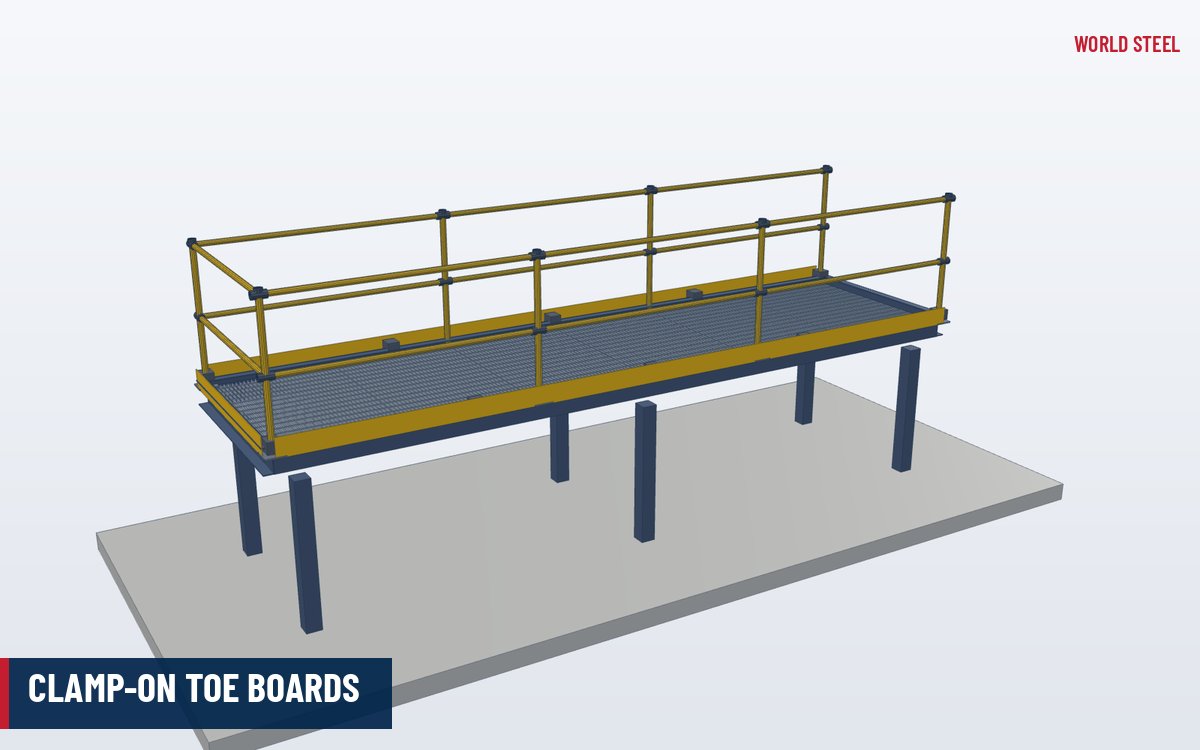
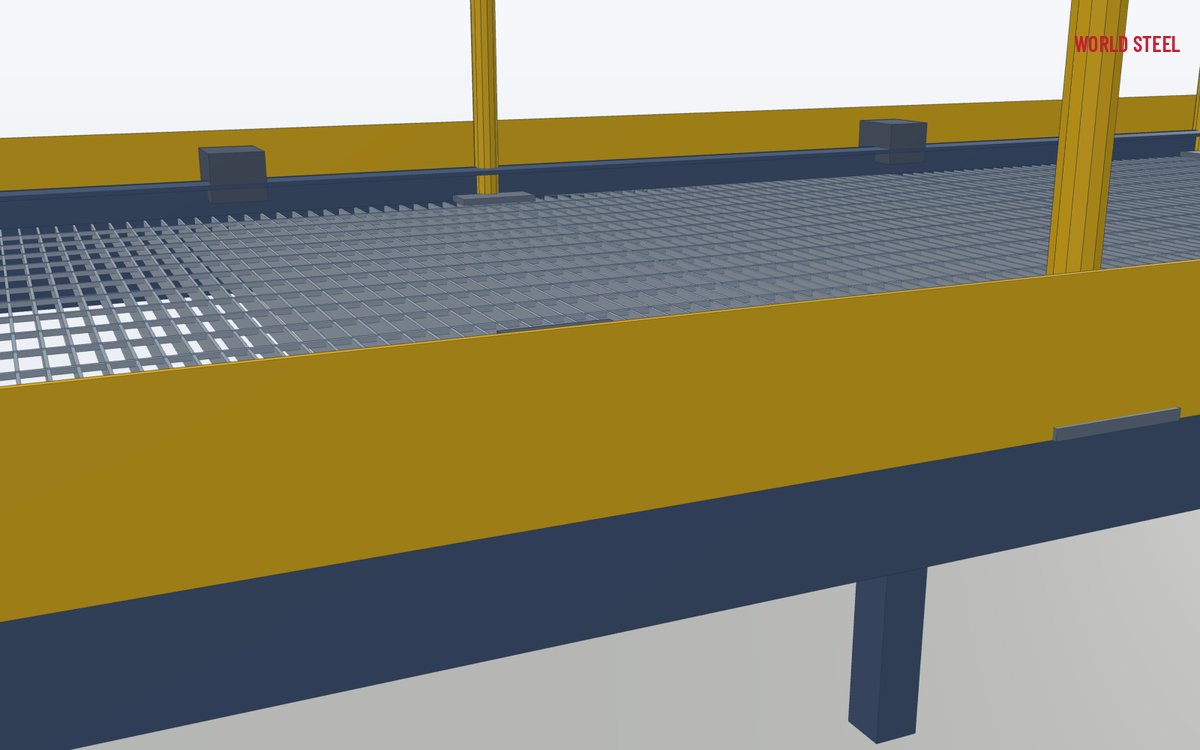
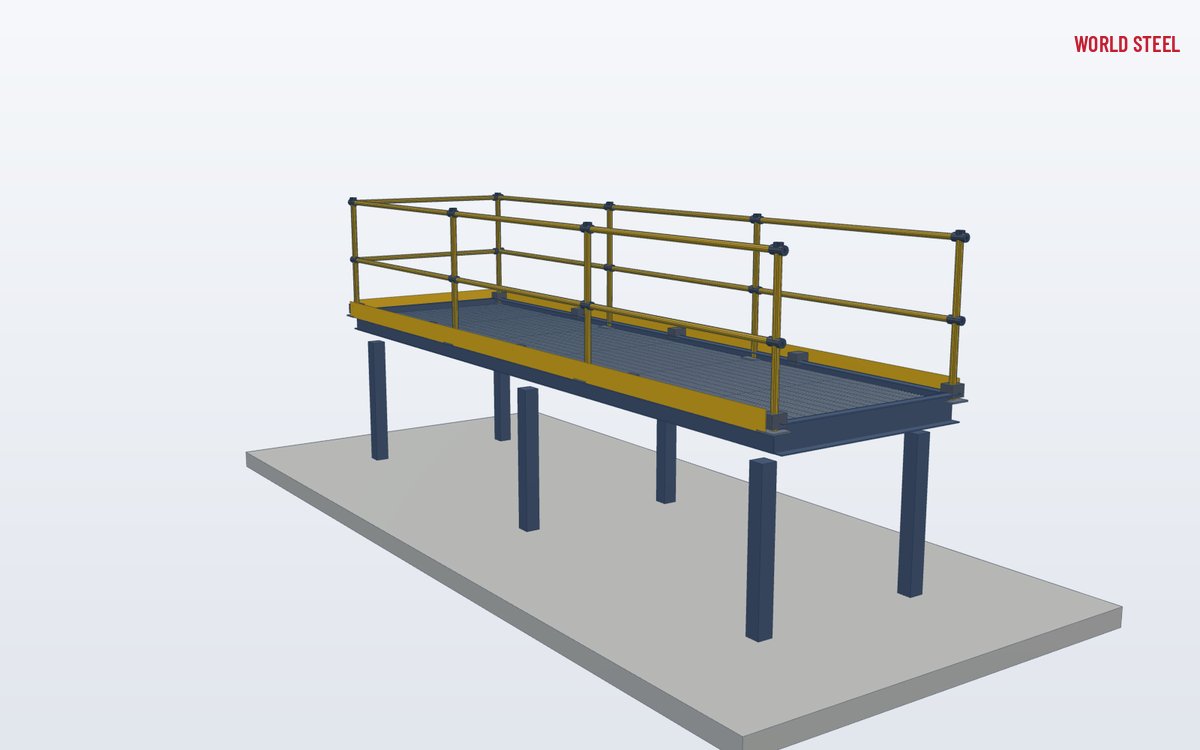
- Retrofit where toe boards are missing or too low
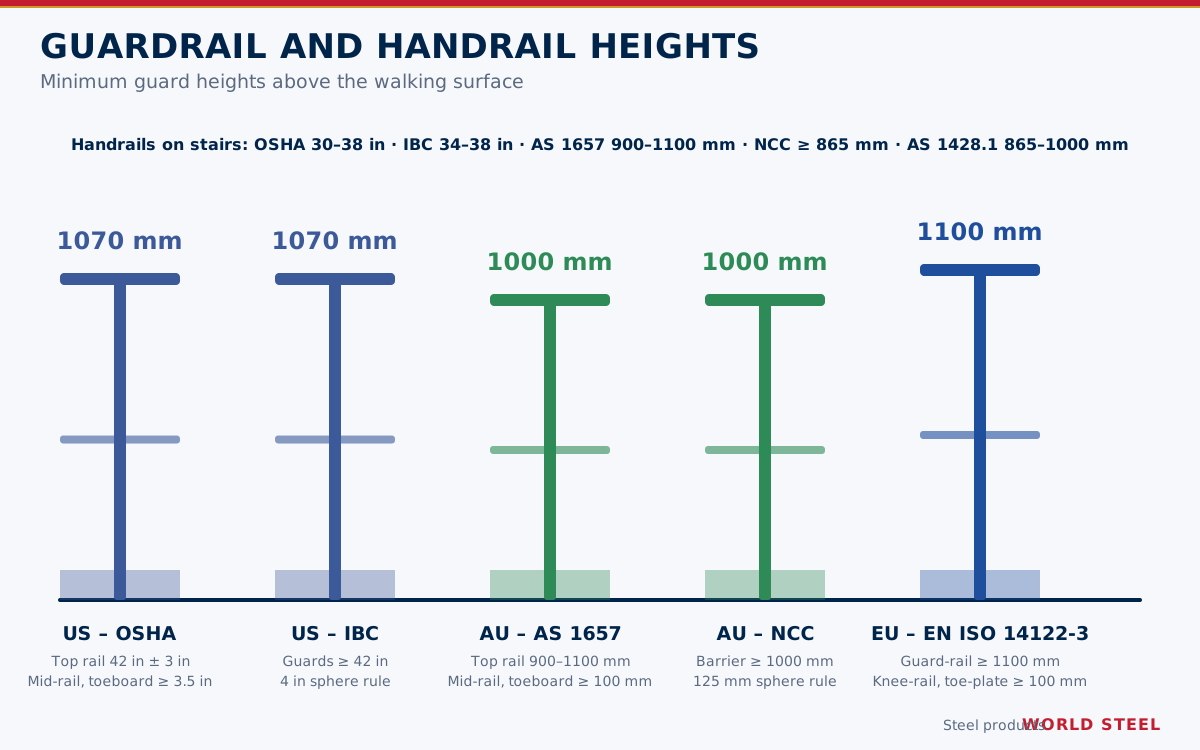
- 100–150 mm high to suit AS 1657, OSHA and EN ISO 14122-3
- Clamped to existing stanchions – no welding on live plant
- Corner, end and gate pieces
- Galvanised or safety-yellow powder-coated
What it is
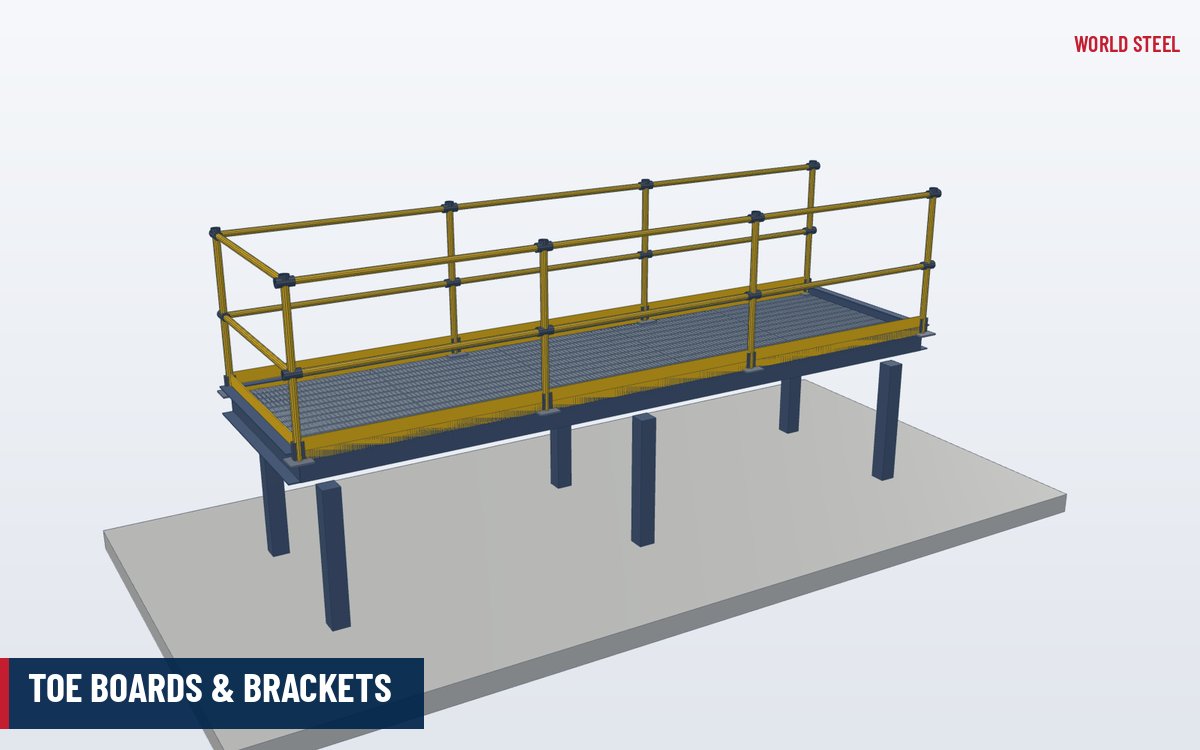
A toe board is the low upstand along the edge of a platform, walkway or landing that stops tools, fasteners and loose material from being kicked or rolled off the edge, and stops a foot sliding under the bottom rail. Many existing platforms were built without one, or with a flat bar that is too low, corroded or has gaps at the deck. Clamp-on toe boards close that gap by fixing a new upstand to the existing stanchions with bolted clamps, so the work can be done on a running plant without hot work.
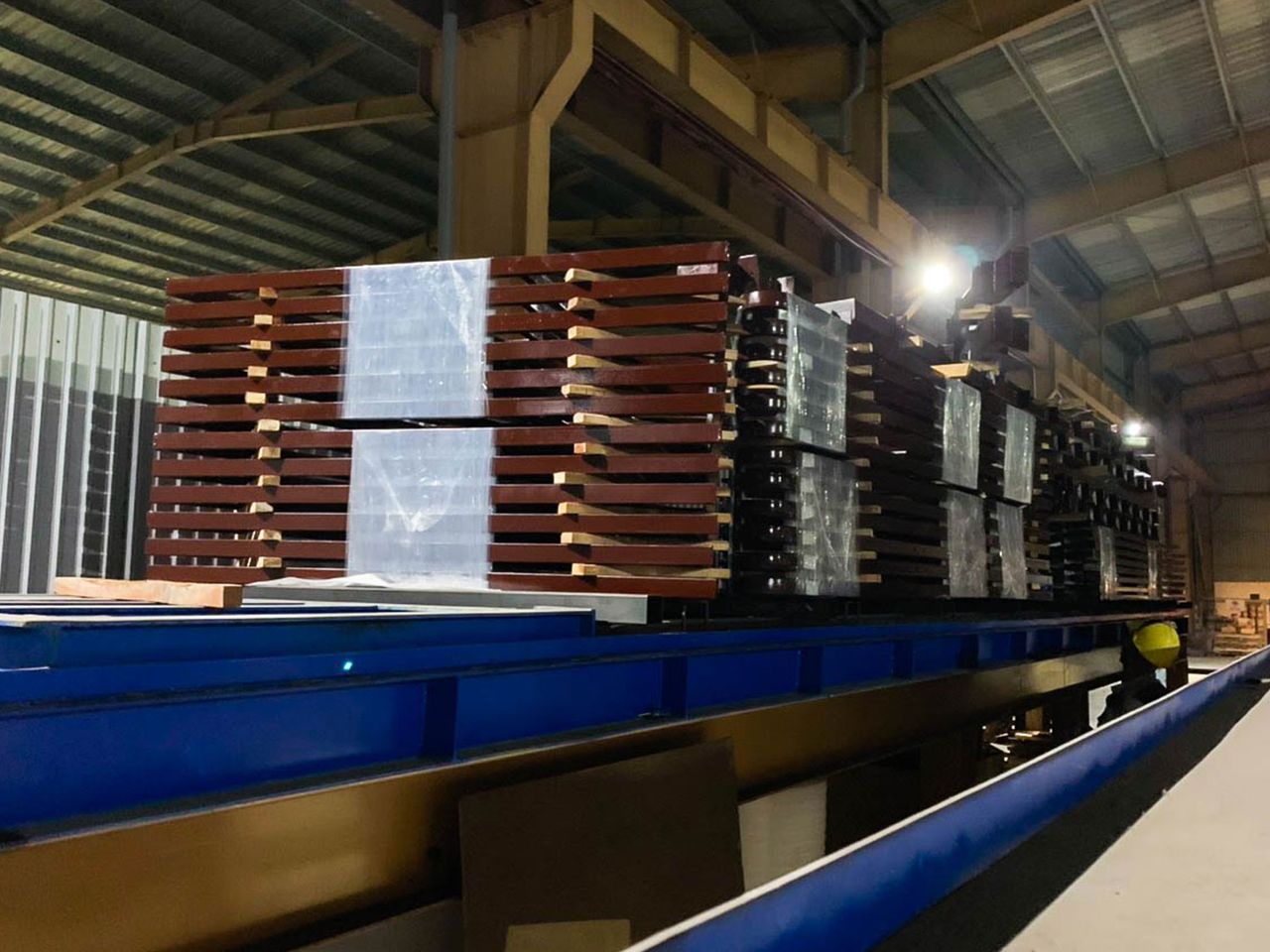
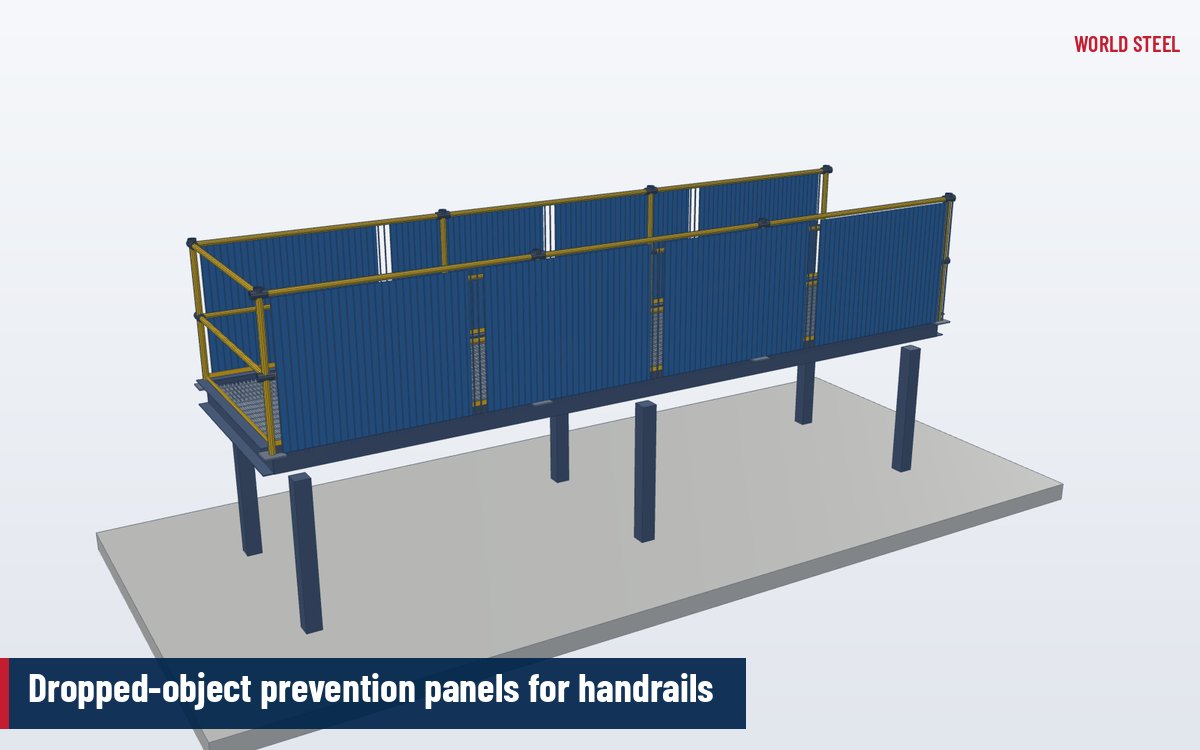
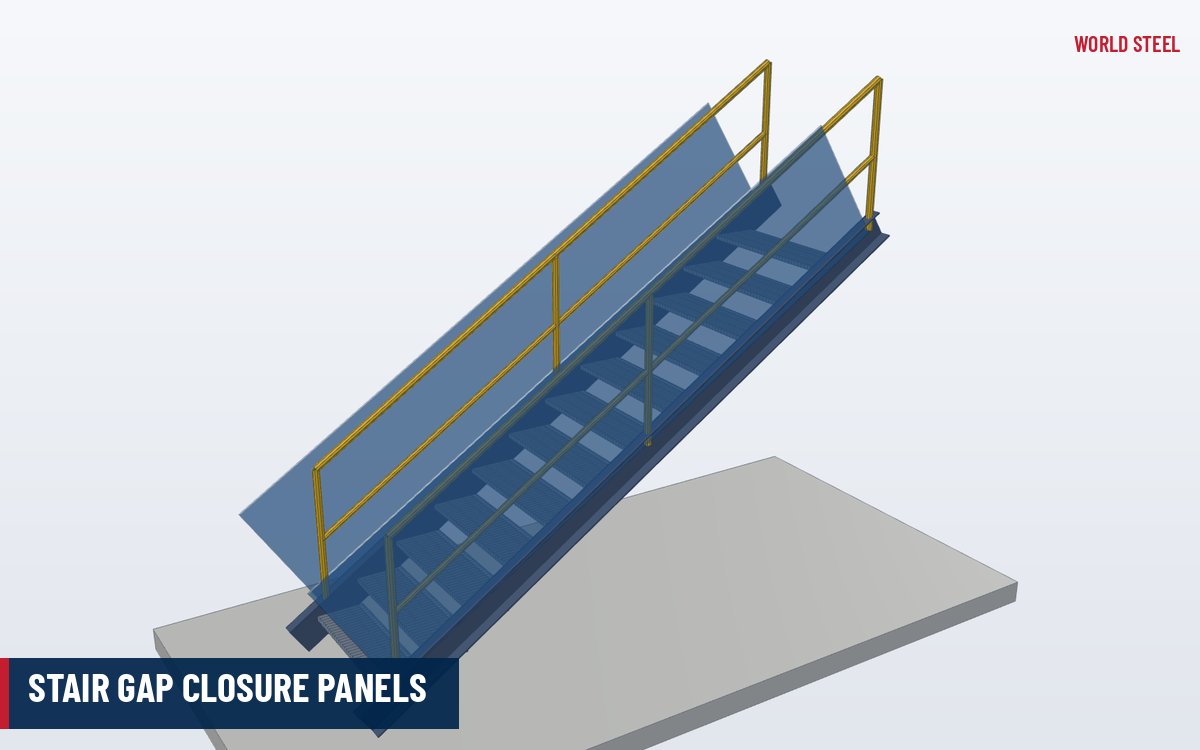
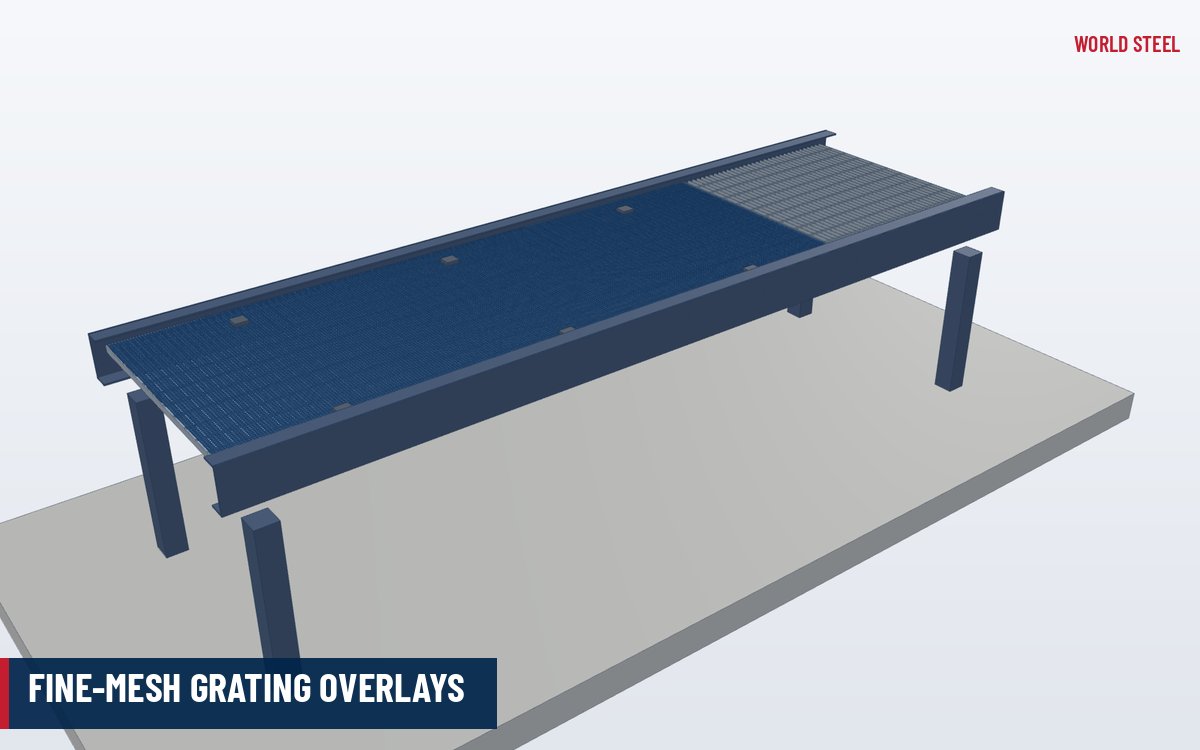
World Steel fabricates the toe boards in its Vietnam plant to a site survey that records stanchion type, diameter and spacing, deck edge detail and obstructions such as pipes, cable trays and ladder openings. Lengths, corners, end returns and gate pieces are made to suit, so the board follows the deck edge with the bottom gap kept small. Toe boards are often the first item in a site's dropped-object programme and are usually combined with handrail infill panels, grating overlays and stair gap closure panels.
Types and options
| Option | Description | Typical use |
|---|---|---|
| Straight toe board | Folded steel section 100–150 mm high, cut to bay or run length | Platform and walkway edges |
| Corner piece | Pre-formed internal or external corner | Platform corners and bends |
| End return | Closed end at stanchions, walls or stair heads | Ends of runs |
| Gate toe board | Short section fixed to a self-closing gate | Ladder and access openings |
| Clamp bracket | Bolted saddle to suit round tube, square tube, angle or flat bar stanchions | Matching existing stanchion types |
Clamp brackets are made to the surveyed stanchion profile so that one board type can be fitted across a site with mixed handrail generations. Where pipes or cable trays pass through the edge, the board is notched or split and the gap closed with a cover piece.
Design and compliance
Height and bottom gap are the governing dimensions. In Australia, AS 1657-2018 requires a toe board at least 100 mm high where needed. In the US, OSHA 29 CFR 1910.29(k) requires toeboards at least 3.5 in (90 mm) high with a gap to the walking surface of no more than 0.25 in (6 mm), able to withstand 50 lbf; MSHA 30 CFR 56.11002 requires toeboards on elevated walkways at surface mines where necessary. In Europe, EN ISO 14122-3 requires a toe-plate at least 100 mm high, with the gap between knee-rail and toe-plate not exceeding 500 mm. A 150 mm board is often chosen where tools and materials are handled regularly.
Toe boards stop objects at deck level only; where material is stacked higher, infill panels to the mid-rail or top rail are needed as well. Stanchions should be checked for corrosion and fixing condition before boards are added. No test rating is claimed beyond the code requirements the design is checked against. See the WS modular toe boards for new modular handrails and the modular handrail range.
Fabrication and finishing at World Steel
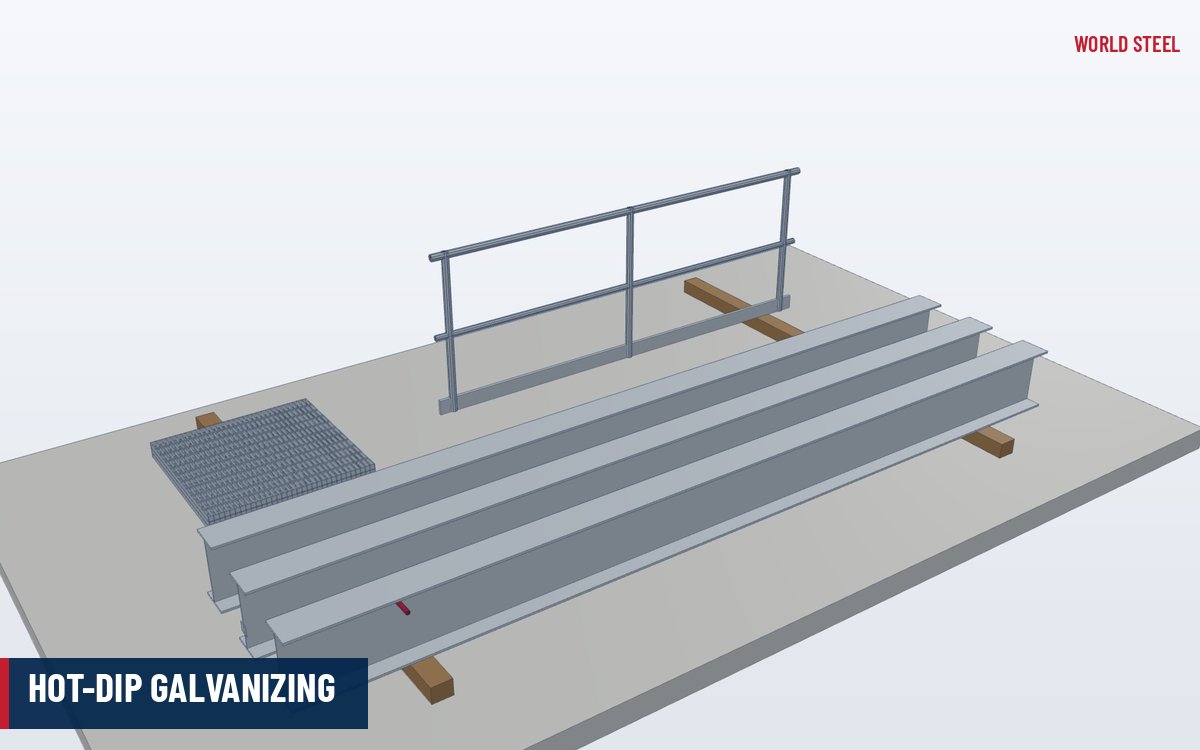
Boards are cut and folded from steel sheet or plate on CNC equipment and punched for clamp bolts; brackets are made from plate and bar on jigs. Welding of brackets follows qualified procedures under AWS D1.1, AS/NZS 1554.1 or EN ISO 3834-2. Parts are hot-dip galvanised by qualified galvanisers to AS/NZS 4680, ASTM A123 or EN ISO 1461, and can be finished in safety-yellow powder coat over the galvanising. Boards are marked by run and packed with their clamp kits.
Installation and site notes
- Survey stanchion types and spacing, deck edge level and every obstruction along each run.
- Fit clamp brackets, set the board on the deck so the bottom gap is within the code limit, then tighten.
- Fit corners and end returns last, closing gaps at stair heads and ladder openings.
- Include toe boards in routine inspections, especially on vibrating structures.
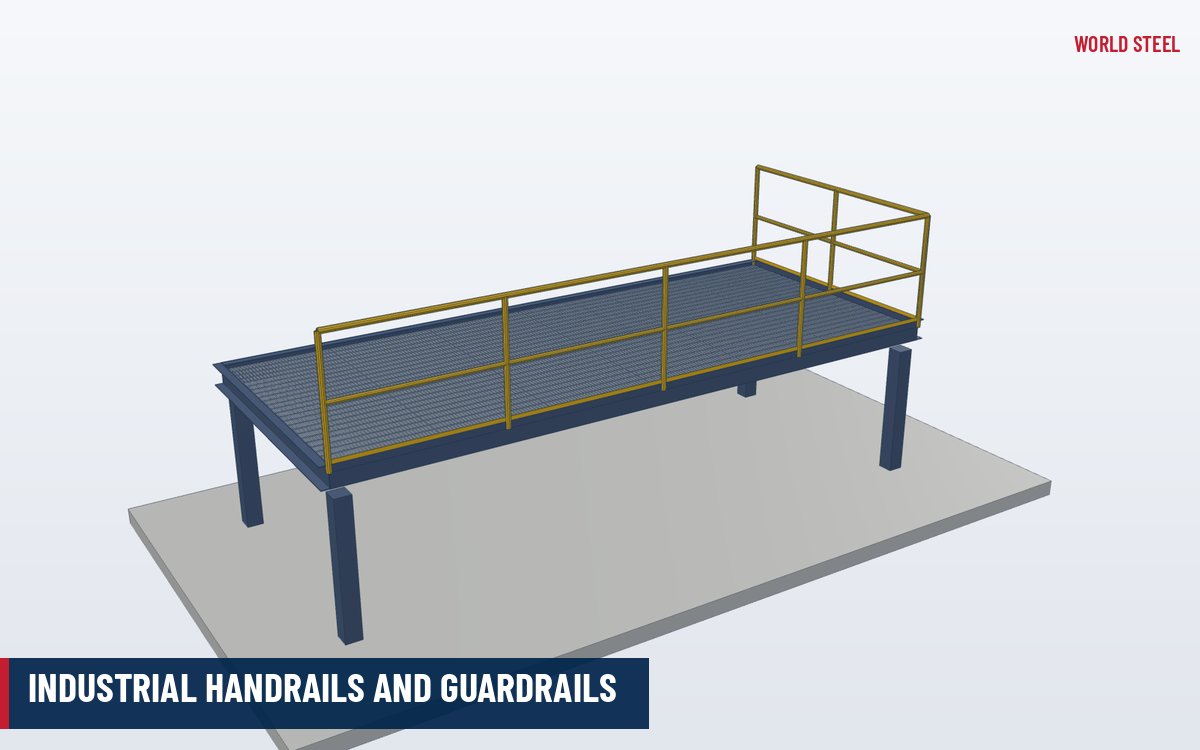
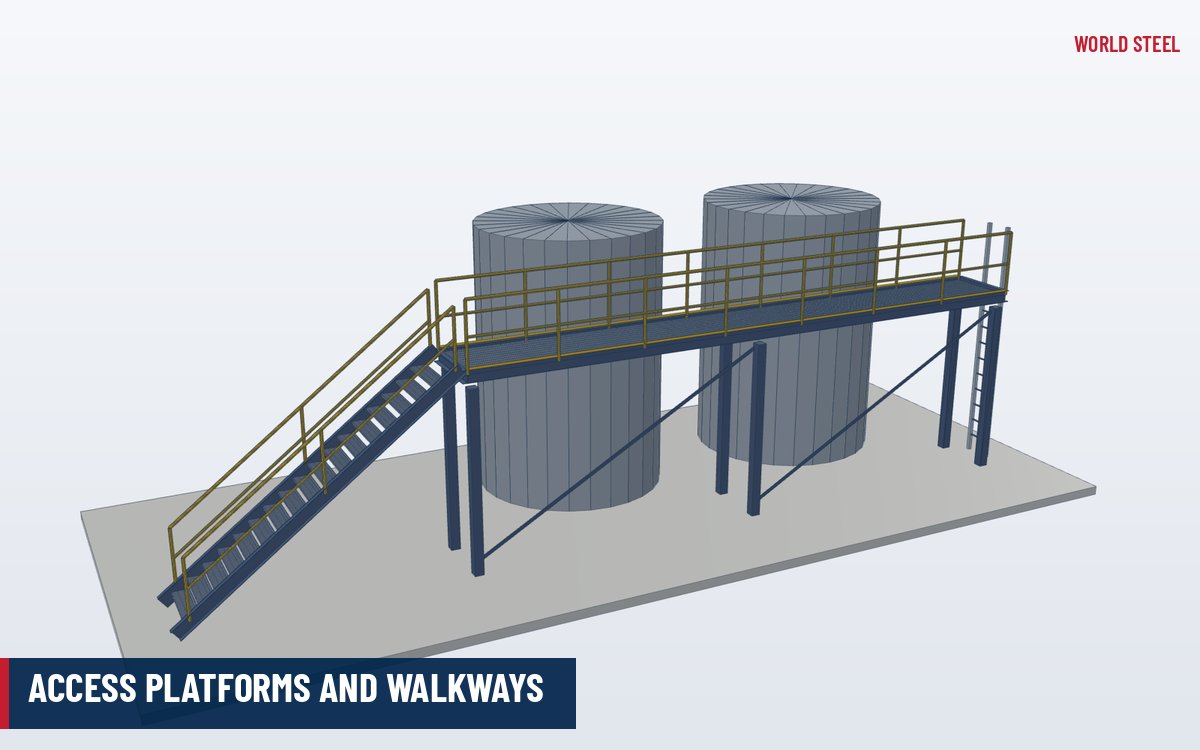
Toe boards are supplied alone or with new industrial handrails and access platforms.
시장별 표준 및 요구사항
World Steel이 본 제품의 설계, 제작, 문서화에 적용하는 기준 – 그리고 각 시장의 주요 형상 및 하중 요구사항.
 미국
- OSHA 29 CFR 1910.29(k)Toeboards
- 30 CFR 56.11002MSHA – handrails and toeboards (surface mines)
- ASTM A123Hot-dip galvanized coatings
- Toeboard height
- ≥ 3.5 in (90 mm) (OSHA 1910.29(k))
- Gap to floor
- ≤ 0.25 in (OSHA 1910.29(k))
- Load
- 50 lbf (OSHA 1910.29(k))
 호주 / 뉴질랜드
- AS 1657-2018Fixed platforms, walkways, stairways and ladders
- Model WHS RegulationsManaging the risk of falling objects
- AS/NZS 4680Hot-dip galvanized coatings
- Toe board height
- ≥ 100 mm where required (AS 1657)
- Guardrail height
- 900–1100 mm (AS 1657)
 유럽
- EN ISO 14122-3Stairs, stepladders and guard-rails
- EN 1090-2 WSC 인증 보유Execution of steel structures
- EN ISO 1461Hot-dip galvanized coatings
- Toe-plate height
- ≥ 100 mm (EN ISO 14122-3)
- Knee-rail to toe-plate gap
- ≤ 500 mm (EN ISO 14122-3)
참고용 요약입니다 – 프로젝트 시방서, 채택된 기준 판본 및 관할 기관의 요구가 우선합니다.
표면 처리
| 표면 처리 | 표준 / 비고 |
|---|---|
| Hot-dip galvanised (standard) | ASTM A123 / A153 · AS/NZS 4680 · EN ISO 1461 |
| HDG + safety-yellow powder coat | Galvanised, then yellow polyester powder coat |
| HDG + yellow paint topcoat | AS/NZS 4680 + AS/NZS 2312.1 · EN ISO 1461 + EN ISO 12944 |
자주 묻는 질문
How high should a toe board be?
At least 100 mm under AS 1657 and EN ISO 14122-3, and at least 3.5 in (90 mm) under OSHA. Many sites choose 150 mm where tools and materials are handled.
Do you need to weld to the handrail?
No. Toe boards are fixed with bolted clamps made to suit the existing stanchion profile.
Can it fit mixed handrail types on one site?
Yes. Clamp brackets are made for round tube, square tube, angle and flat bar stanchions from the survey.
Are yellow toe boards available?
Yes – safety-yellow powder coat or paint over hot-dip galvanising.
 Papua New Guinea
 AS/NZS 5131 CC3
 EN 1090 EXC3 · CE