ENEnglish
 VITiếng Việt
 ZH中文
 KO한국어
 JA日本語
 FRFrançais
 ITItaliano
 PTPortuguês
 ESEspañol
 HEעברית
 ARالعربية

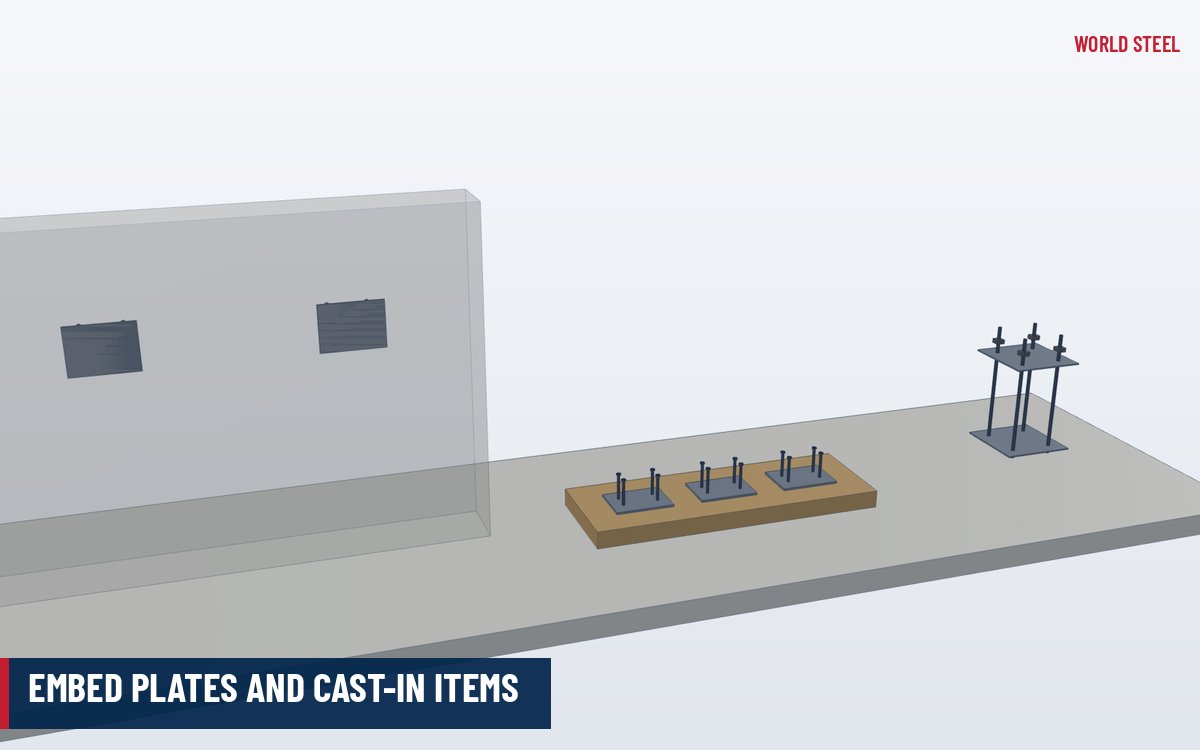
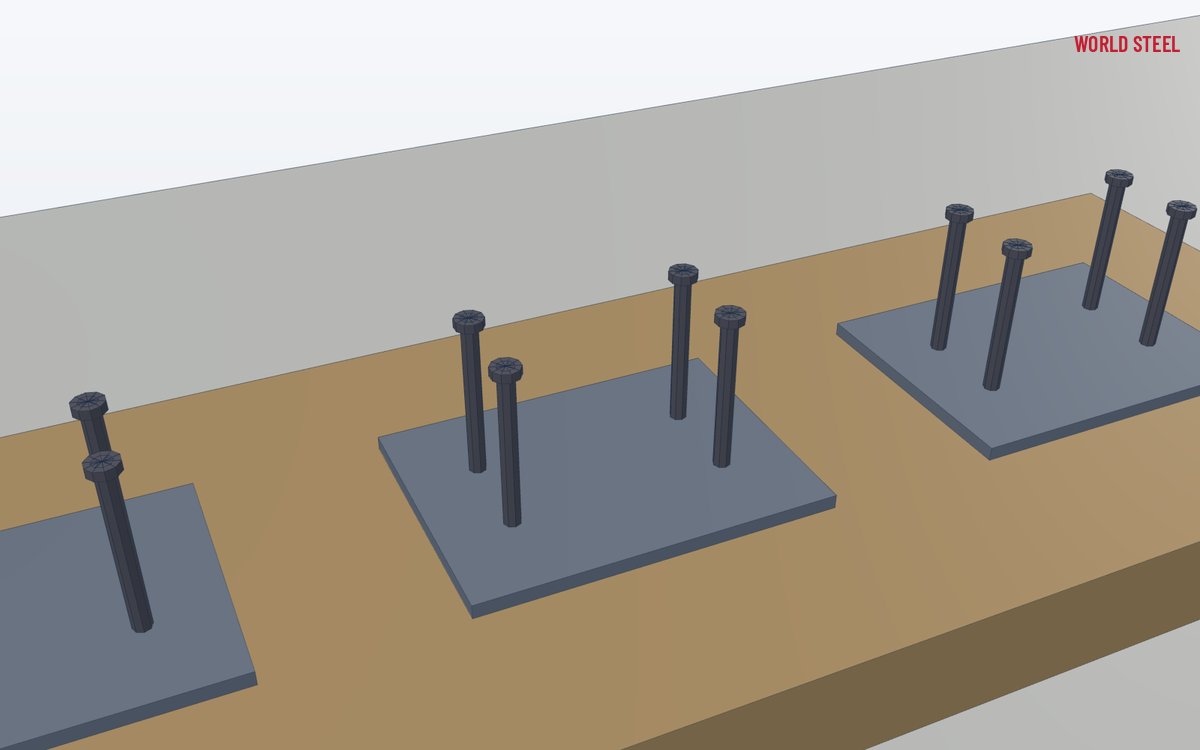
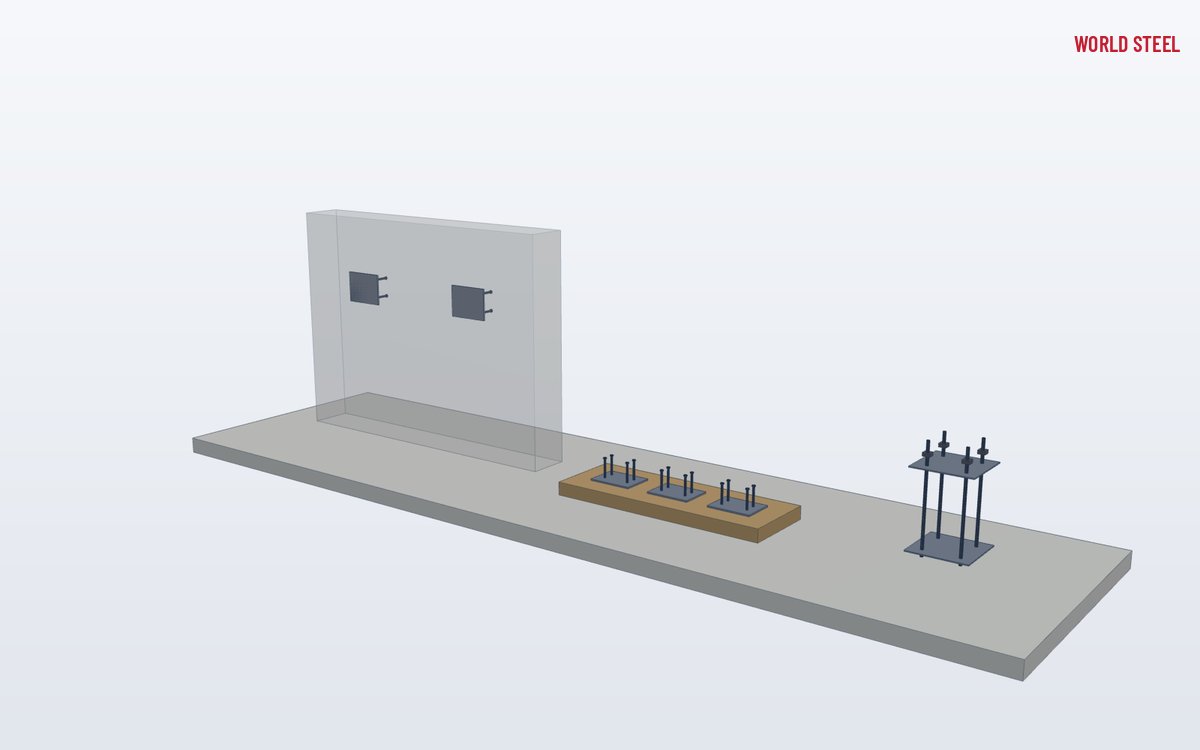
- Embed plates with headed studs, rebar anchors or welded angles
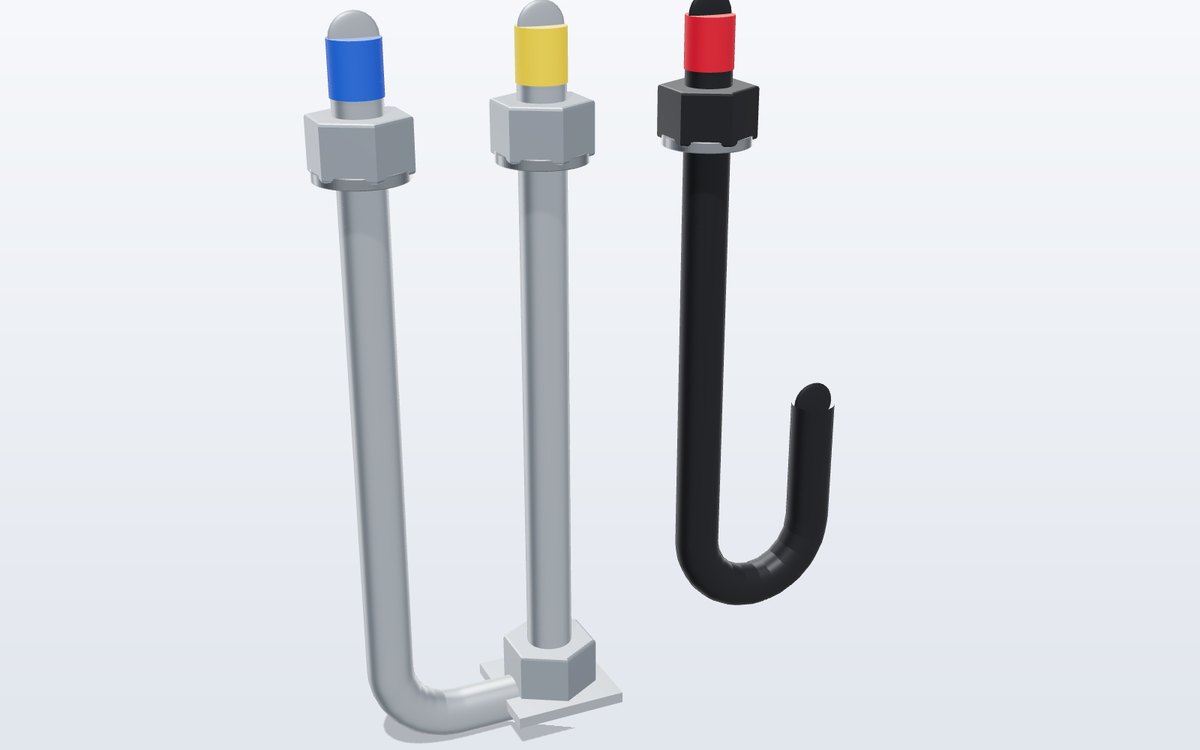
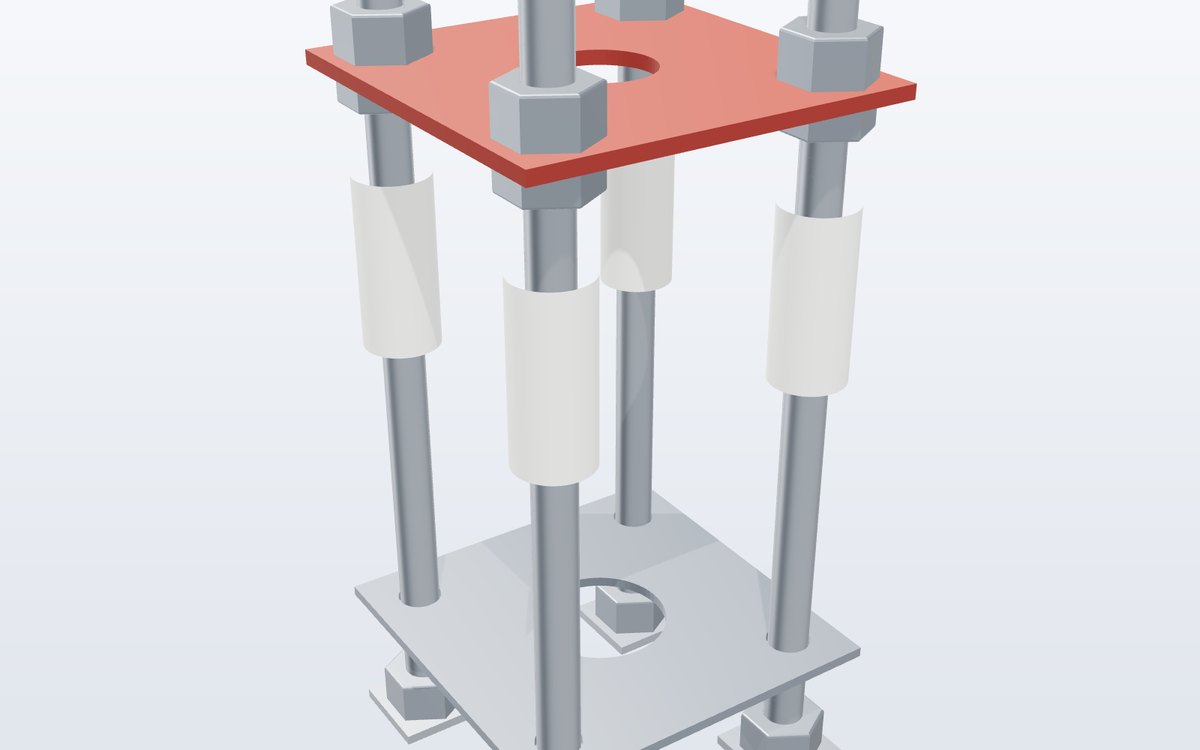
- Anchor bolt assemblies with nuts, washers and setting templates
- Stud welding to AWS D1.1, AS/NZS 1554.2 and EN ISO 14555
- Piece-marked to the concrete pour sequence
- Shipped ahead of the main steel to suit the concrete programme
- Black, galvanized or stainless as specified
What it is
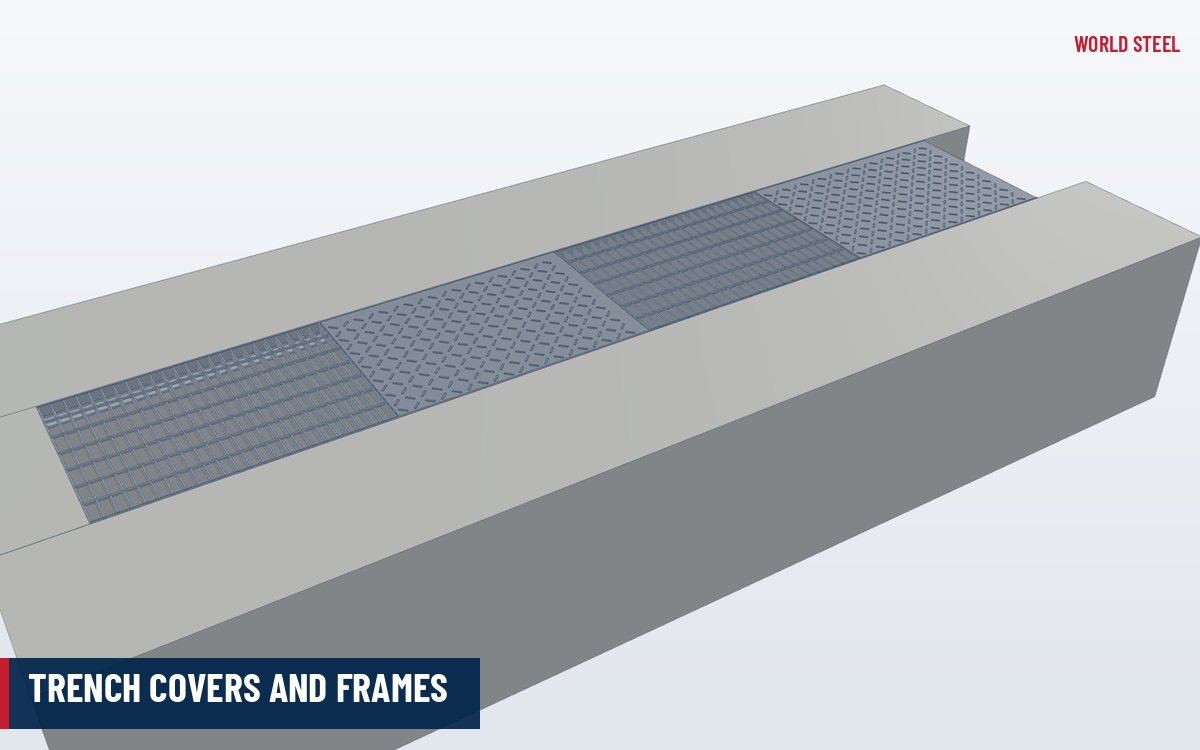
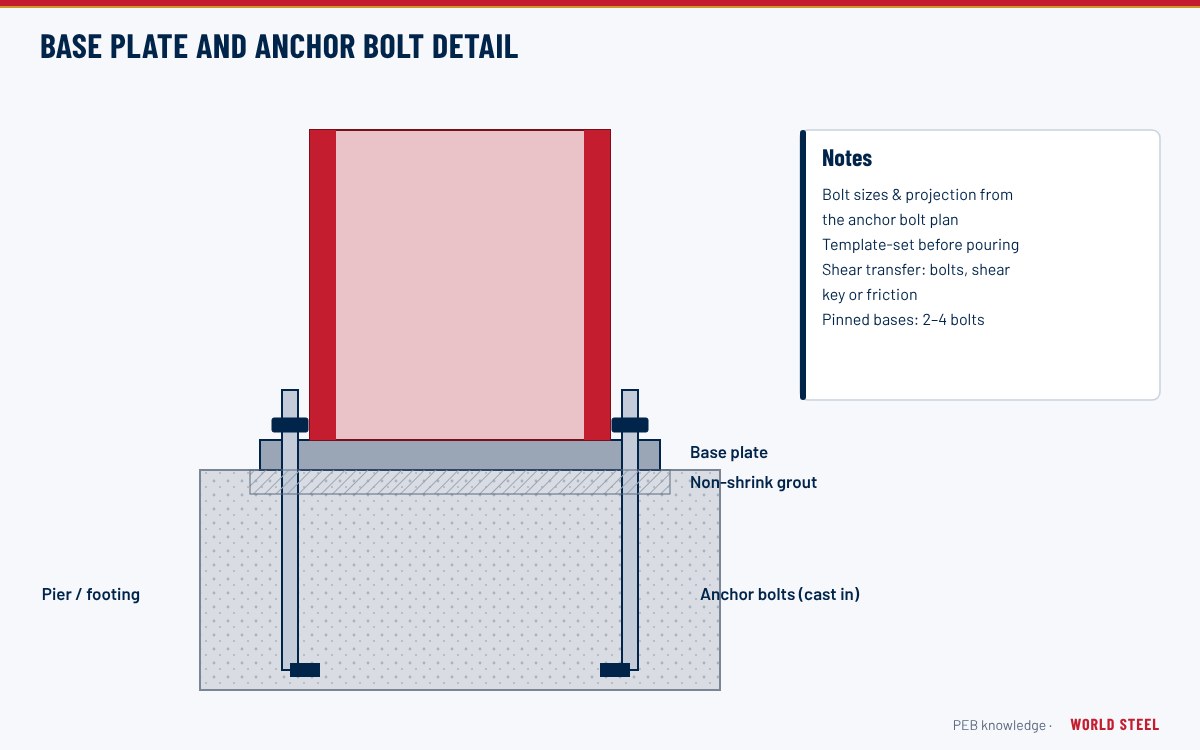
Cast-in items are the steel parts set into concrete before it is poured so that steelwork, equipment, facades and services can be connected later. The most common are embed plates (a steel plate with headed studs or deformed bar anchors welded to the back), anchor bolt assemblies for column bases, cast-in edge angles for slab edges and pits, and channel or angle frames for trench covers. They are small items, but if one is missing or in the wrong place, the steel erection programme stops.
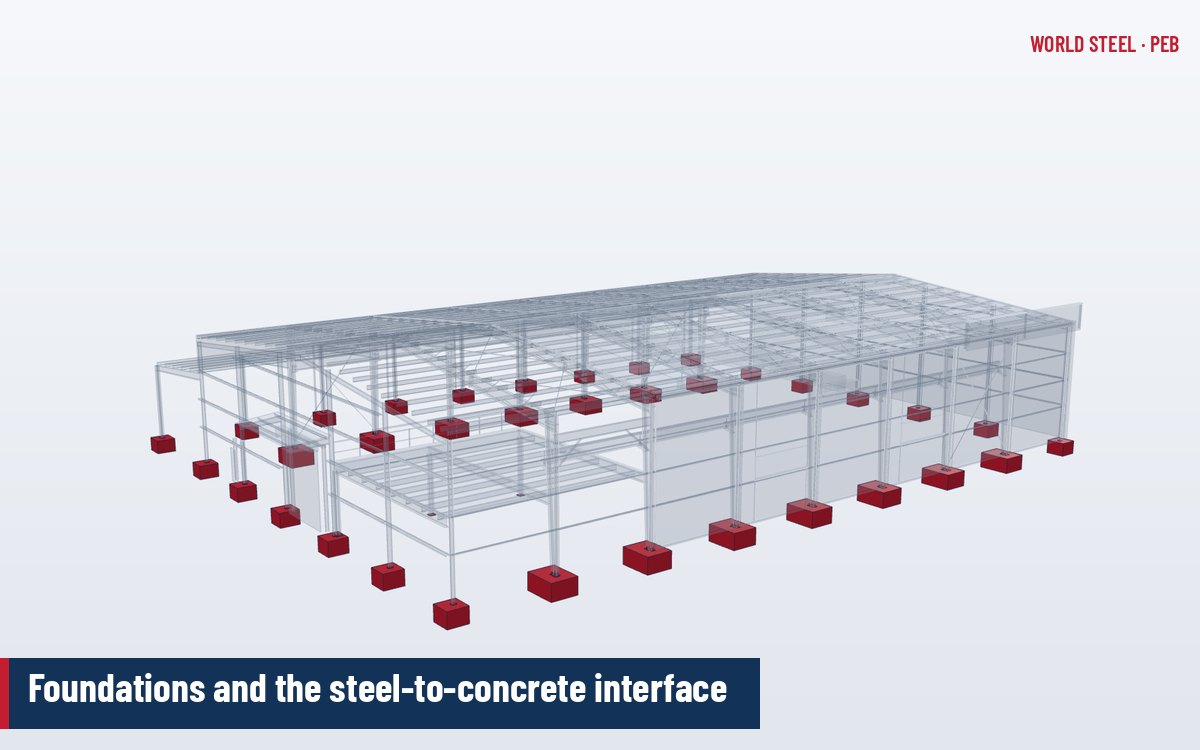
World Steel fabricates embeds and anchor assemblies for its own structural steel and PEB packages and as stand-alone misc. metals supplies. Background on the foundation interface is in anchor bolts and embeds and foundations interface.
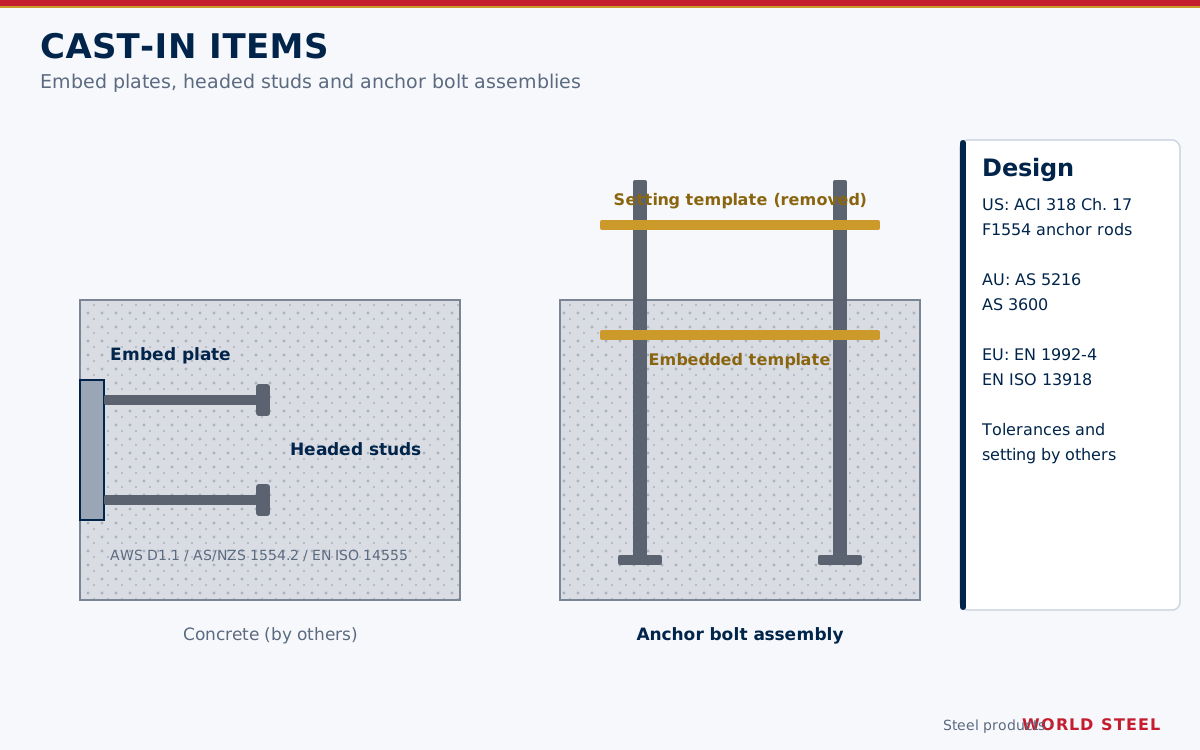
Types and options
| Item | Construction | Typical use |
|---|---|---|
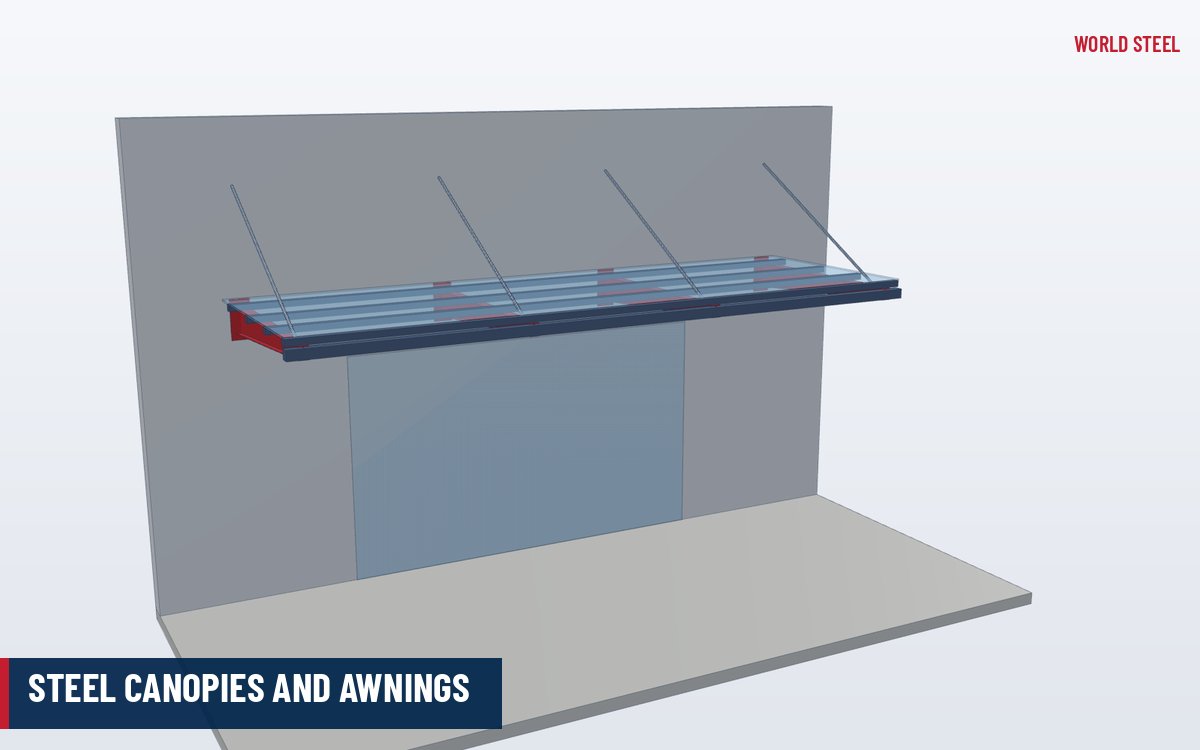
| Embed plate with headed studs | Plate with arc-welded headed anchor studs | Beam seats, brackets, facade and canopy connections |
| Embed plate with rebar anchors | Plate with fillet- or flare-welded deformed bars | Higher tension loads, anchorage into reinforcement |
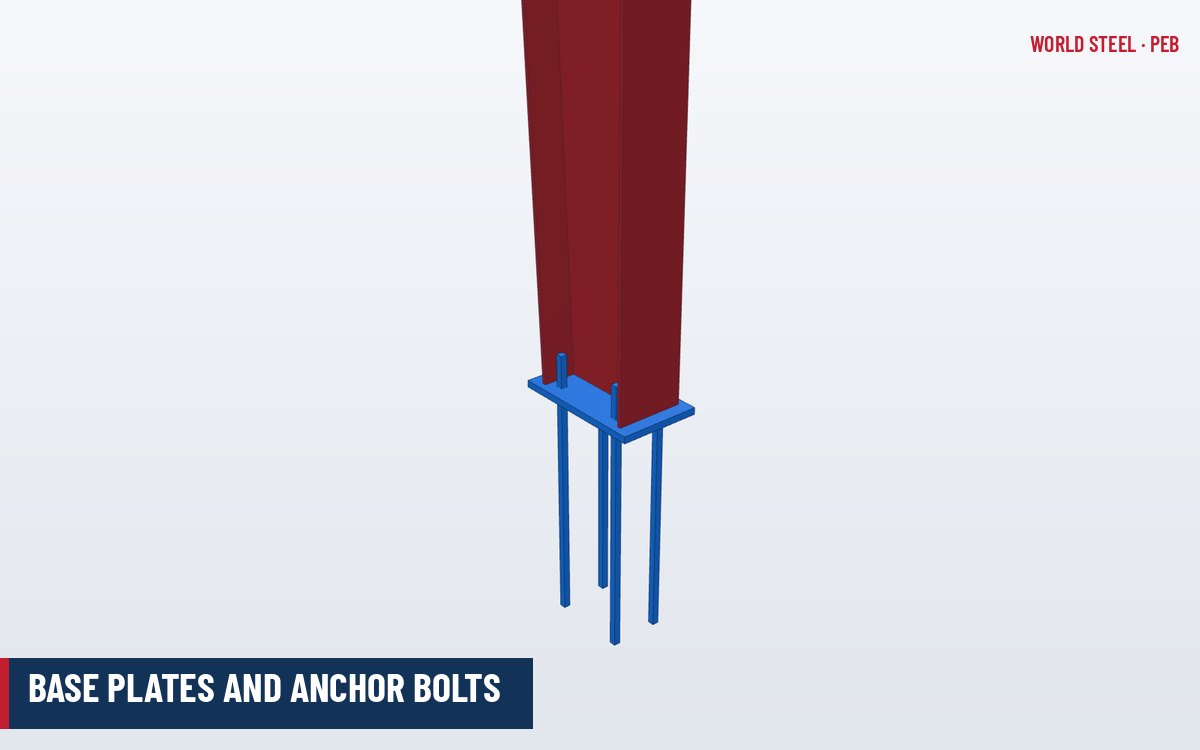
| Anchor bolt assembly | Rods with nuts, washers, plate or template | Column bases, equipment, pipe racks |
| Cast-in edge angle | Angle with welded studs or lugs | Slab edges, pits, dock levellers, joint protection |
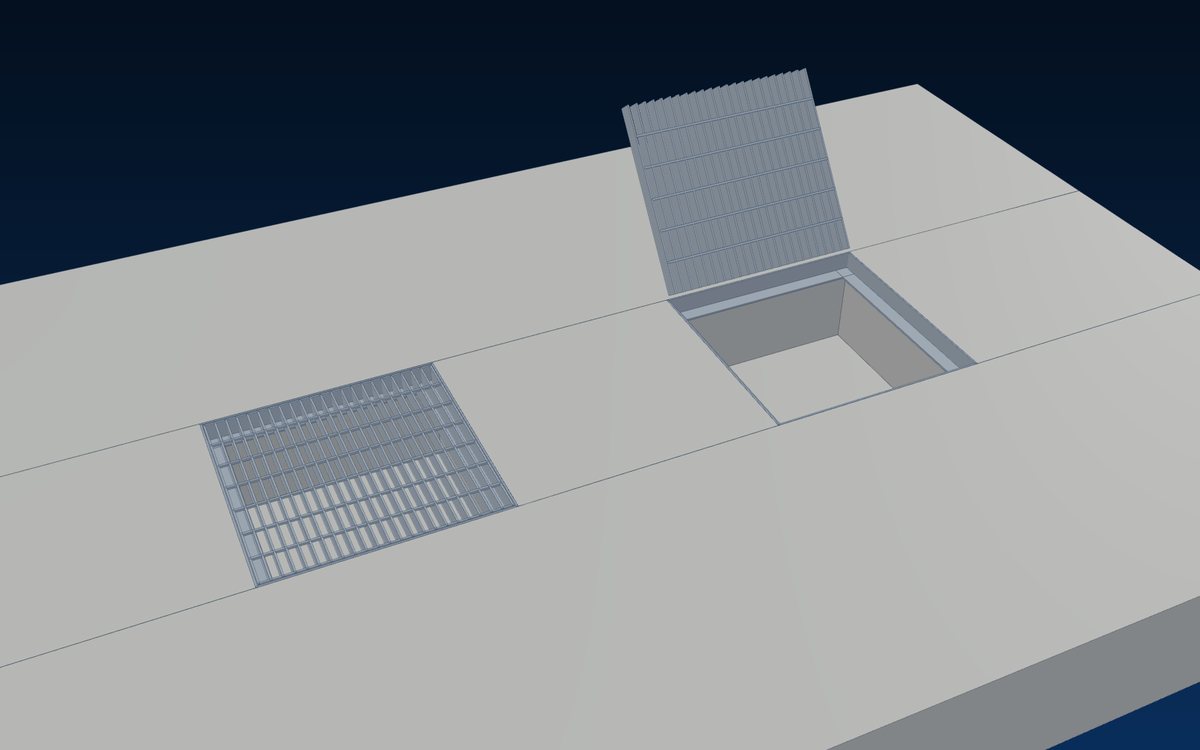
| Cast-in channel / frame | Channel or angle frame with anchors | Trench and pit cover frames, sumps, equipment pads |
Plates can include threaded studs, tapped holes, slotted holes, shear lugs or weld-on brackets. Anchor rods are supplied straight, hooked or headed, with single or double nuts and leveling nuts as detailed.
Design and compliance
Anchorage to concrete is designed by the engineer of record: in the US to ACI 318 Chapter 17, in Australia to AS 5216 with AS 3600, and in Europe to EN 1992-4. The fabricator's job is to supply exactly the stud diameter, length, spacing, plate thickness and material shown, and to prove the stud welds. Headed studs are typically ASTM A108 material welded to AWS D1.1; Australian work follows AS/NZS 1554.2, and European work uses studs to EN ISO 13918 welded to EN ISO 14555. Anchor rods in the US are commonly ASTM F1554 Grade 36, 55 or 105.
Production stud welding is checked with pre-production bend tests and visual inspection of the weld collar on every stud, plus bend testing of samples as required by the welding standard. Where embed plates connect to structural steel under EN 1090, they are part of the execution class of the structure; under AS/NZS 5131 they follow the construction category set by the designer.
Fabrication and finishing at World Steel
Plates are CNC-cut and drilled from approved shop drawings, studs are welded with drawn-arc stud welding equipment, and rebar anchors are welded by qualified welders using approved procedures. Each item is hard-stamped or tagged with its piece mark and grid location. Anchor bolt sets are packed with their templates, nuts and washers so site crews receive complete assemblies.
Finishes are usually black (uncoated) for fully embedded items, or hot-dip galvanized by qualified galvanizers to ASTM A123 / AS/NZS 4680 / EN ISO 1461 for exposed faces; threaded parts are galvanized to ASTM A153 or the regional equivalent. Stainless steel embeds can be supplied for aggressive environments. See base plates and anchor bolts for coating guidance at the interface.
Installation and site notes
- Embeds and anchor sets are shipped first, separately from the main steel, and listed by pour.
- Items are fixed to formwork or templates and tied to reinforcement so they do not move during the pour.
- Threads are protected with tape or sleeves; plate faces are kept flush with the concrete surface.
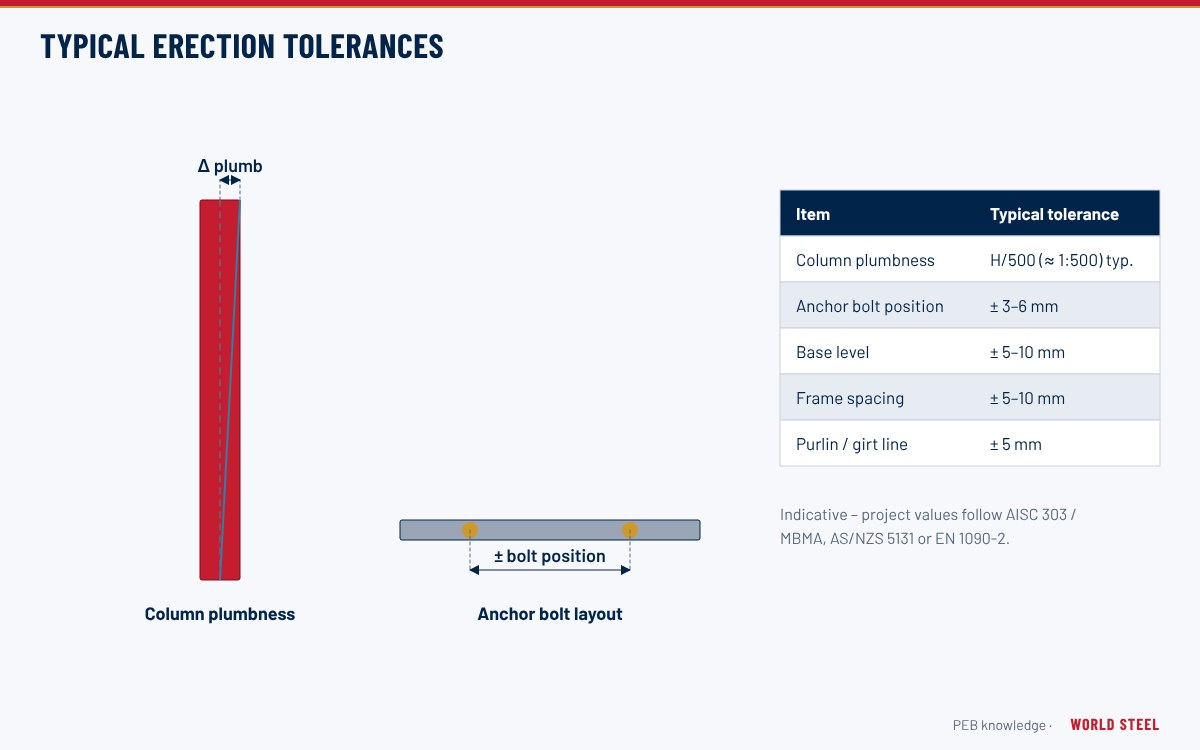
- Positions are surveyed after the pour and checked against the erection tolerances before steel arrives; see erection tolerances.
Selecting and specifying
Send the embed schedule with plate sizes, stud or anchor details, material grades and quantities per pour. Define the finish for each item, whether a stud welding procedure qualification or sample testing is required, and the delivery sequence. Embeds supporting canopies, shelf angles or equipment can be coordinated in the same model as the steel they carry.
Normas e requisitos por mercado
Normas segundo as quais a World Steel projeta, fabrica e documenta este produto – e os principais requisitos geométricos e de carga em cada mercado.
 Estados Unidos
- ACI 318 Ch. 17Anchoring to concrete
- AWS D1.1Structural welding code – steel, incl. stud welding
- ASTM A108Steel bar for headed studs
- ASTM F1554Anchor bolts, Gr 36/55/105
- ASTM A123 / A153HDG of fabricated articles and hardware
- Anchor design
- Per ACI 318 Chapter 17 by the engineer of record
- Stud welding
- Qualification and production tests per AWS D1.1
 Austrália / NZ
- AS 5216Design of post-installed and cast-in fastenings in concrete
- AS 3600Concrete structures
- AS/NZS 1554.2Stud welding
- AS/NZS 3678Structural steel – plate
- AS/NZS 4680Hot-dip galvanized coatings
- Fastening design
- Per AS 5216 by the designer
- Construction category
- CC1–CC4 set by the designer (AS/NZS 5131)
 Europa
- EN 1992-4Design of fastenings for use in concrete
- EN ISO 13918Studs and ceramic ferrules for arc stud welding
- EN ISO 14555Arc stud welding of metallic materials
- EN 10025-2Hot-rolled structural steels
- EN 1090-2 Certificação WSCExecution of steel structures
- Fastening design
- Per EN 1992-4 by the designer
- Execution class
- EXC1–EXC4 set by the designer (EN 1090-2)
Resumo apenas para orientação – prevalecem a especificação do projeto, a edição da norma adotada e a autoridade competente.
Acabamentos
| Acabamento | Normas / observações |
|---|---|
| Black (uncoated) | For fully embedded items, per specification |
| Hot-dip galvanized | ASTM A123 / A153 · AS/NZS 4680 · EN ISO 1461 |
| Stainless steel | ASTM A240 / A276 · AS 1449 · EN 10088 grades as specified |
Perguntas frequentes
Do you design the anchorage?
Anchorage is normally designed by the engineer of record to ACI 318 Chapter 17, AS 5216 or EN 1992-4. We fabricate to that design and can propose details for approval if requested.
How are the stud welds checked?
Stud welding is qualified and checked with production tests and visual inspection of every weld collar, in line with AWS D1.1, AS/NZS 1554.2 or EN ISO 14555.
Should embed plates be galvanized?
Fully embedded items are often left black. Exposed faces, external work and coastal sites usually call for hot-dip galvanizing; follow the project specification.
Can embeds arrive before the structural steel?
Yes. Embeds and anchor bolt sets are normally shipped first and packed by pour so the concrete programme is not delayed.
 New Zealand
 AS/NZS 5131 CC3
 EN 1090 EXC3 · CE