ENEnglish
 VITiếng Việt
 ZH中文
 KO한국어
 JA日本語
 FRFrançais
 ITItaliano
 PTPortuguês
 ESEspañol
 HEעברית
 ARالعربية

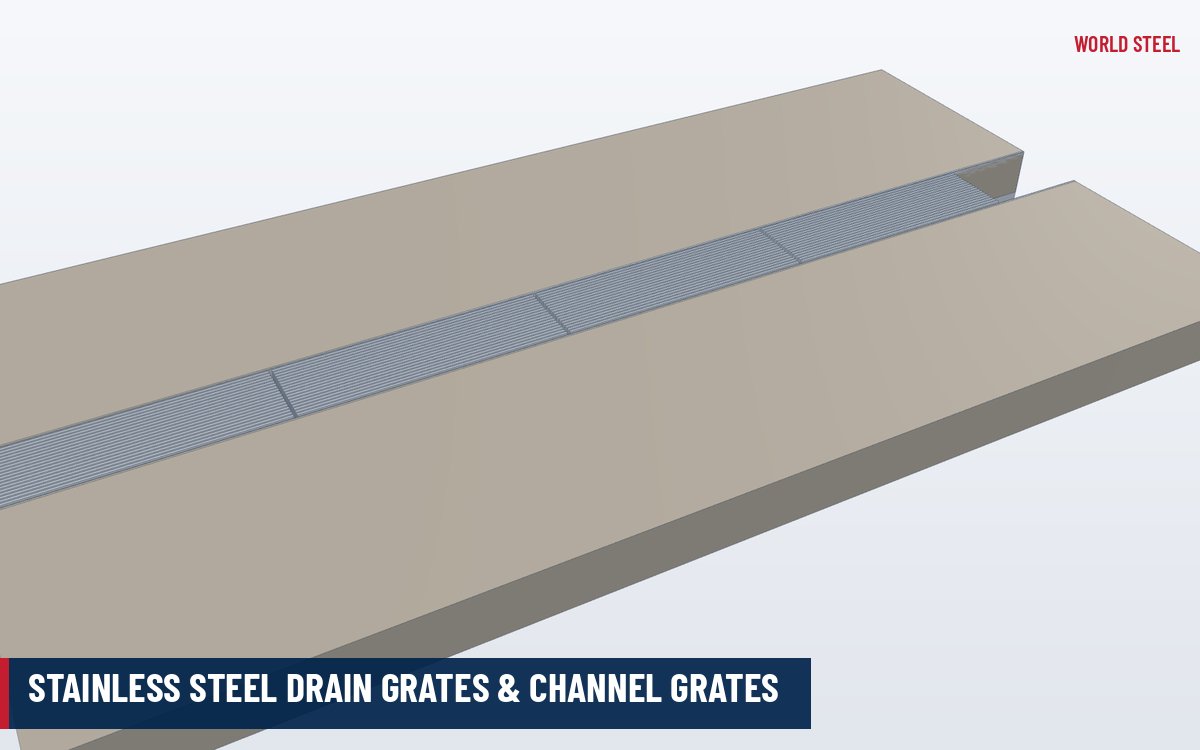
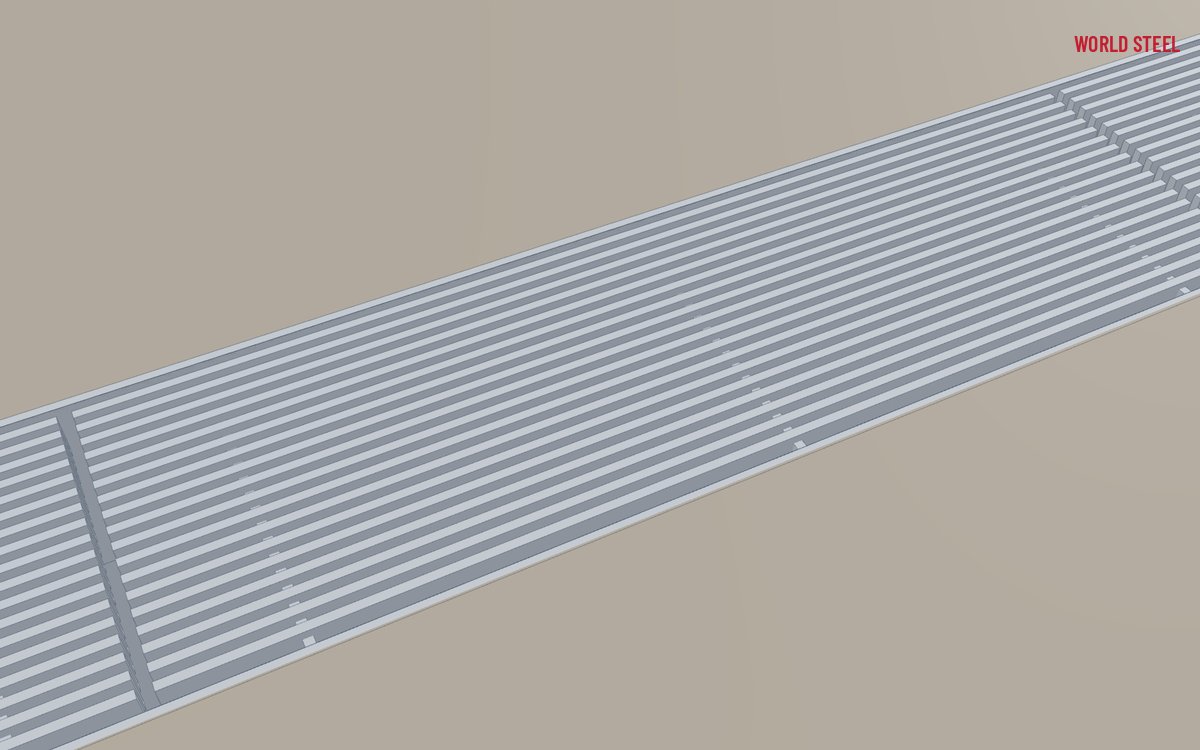
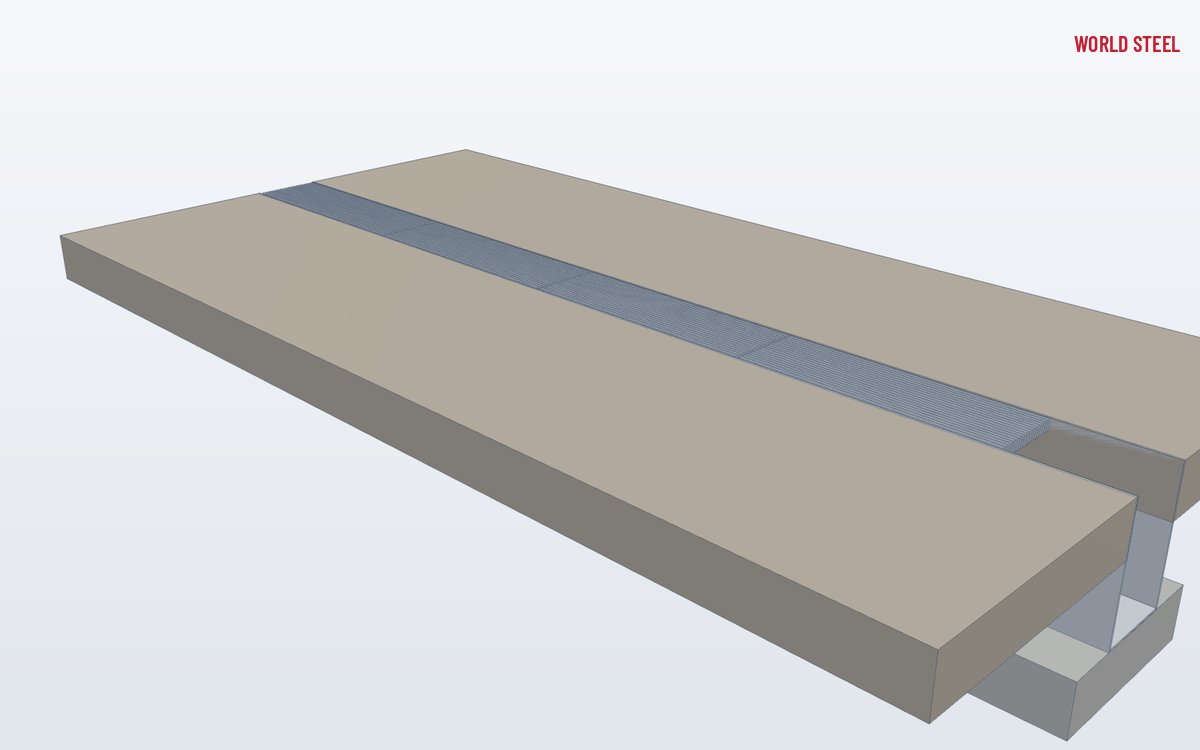
- Grade 304 or 316 stainless – slot, wedge-wire, heel-guard
- Plazas, pools, commercial kitchens, food plants, hospitals
- Pedestrian and light-vehicle classes
- Laser cut, TIG/MIG welded, pickled and passivated
- Hygienic, crevice-free design for washdown areas
What they are
Stainless steel drain grates cover linear channel drains and floor gullies where appearance, hygiene or corrosion resistance matter more than the lowest first cost. Unlike a galvanised steel grate, a stainless grate has no coating to wear through, can be cleaned with aggressive detergents and keeps a uniform finish in public spaces. World Steel fabricates stainless grates, channel edges and frames in a segregated stainless area of our plant, using the same tooling discipline as our stainless steel grating.
Common applications are hotel and retail plazas, swimming pool surrounds, commercial kitchens, food and beverage plants, hospitals and laboratories, shower and change rooms, and building entries where a slot drain must sit discreetly in stone or tile paving.
Types and options
| Type | Description | Typical use |
|---|---|---|
| Slot grate | Laser-cut longitudinal or transverse slots in plate | Plazas, entries, showers |
| Wedge-wire grate | Profiled wire welded to support rods, narrow tapered gaps | Food plants, kitchens, pools |
| Heel-guard grate | Close bar or perforated pattern that rejects heels | Public footpaths, malls |
| Bar grate | Welded stainless bearing and cross bars | Plant rooms, light vehicle areas |
| Tile-in / slot top | Tray that receives the floor finish with a narrow slot | Architectural floors |
- Grades: 304 for interiors and mild exteriors; 316 for coastal, pool (chlorinated) and food-plant washdown environments.
- Load: pedestrian and light-vehicle classes as specified; heavier classes are possible with deeper sections and are checked case by case.
- Edges and frames: stainless angle frames or channel edge profiles with anchor lugs, removable or locked grates.
Design and compliance
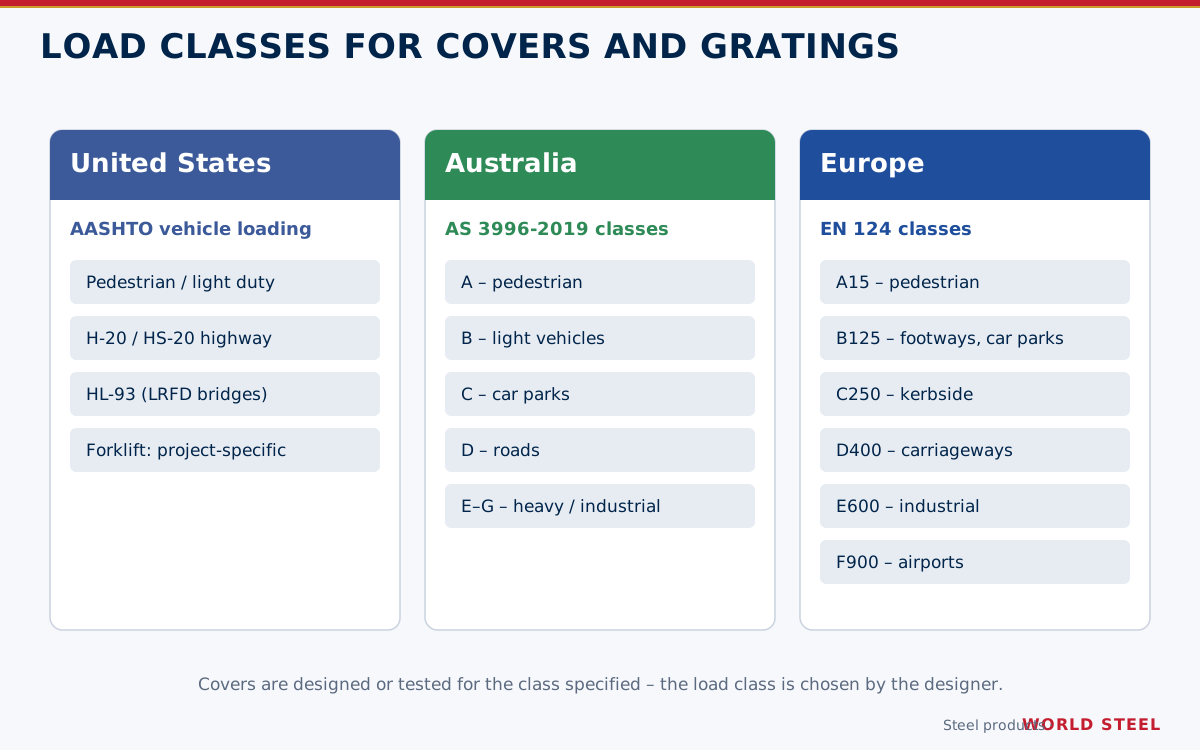
The designer sets the load class – AS 3996-2019 in Australia, EN 124 in Europe or a project loading in the US – and the stainless grade from the exposure. Bar depth, slot width and support spacing are then sized for the class, with slot width also checked against heel-guard or accessibility requirements. For food and hygiene areas the design avoids closed crevices, lap joints and threaded fixings in the wet zone, and slopes surfaces to drain.
Stainless welding is to AS/NZS 1554.6, AWS D1.6 or EN ISO 3834-2 with EN ISO 15614-1 procedures, and material is to EN 10088 or the equivalent ASTM grades with EN 10204 3.1 certificates. Load testing or third-party approval, where required, is design-specific and agreed in the contract.
Fabrication and finishing at World Steel
Plate is laser cut so slots are clean and consistent, then formed and welded with stainless consumables. Stainless and carbon steel tools are kept apart to prevent iron contamination. After welding, heat tint is removed by pickling, and the surface is passivated so the chromium oxide layer reforms evenly; a brushed or bead-blasted finish can be added for architectural areas. Grates are protected with film, trial-fitted to their frames and packed in timber crates. Learn more about our manufacturing process.
Installation and site notes
- Set frames level with the finished floor and fully bed them; avoid voids that cause rocking.
- Keep carbon steel grinding sparks and tools away from stainless parts during construction.
- Remove protective film after the floor finish is complete; clean with neutral cleaners and fresh water.
- Coordinate drain falls and outlets with the channel supplier and the plumbing design; see foundation interfaces.
Selecting and specifying
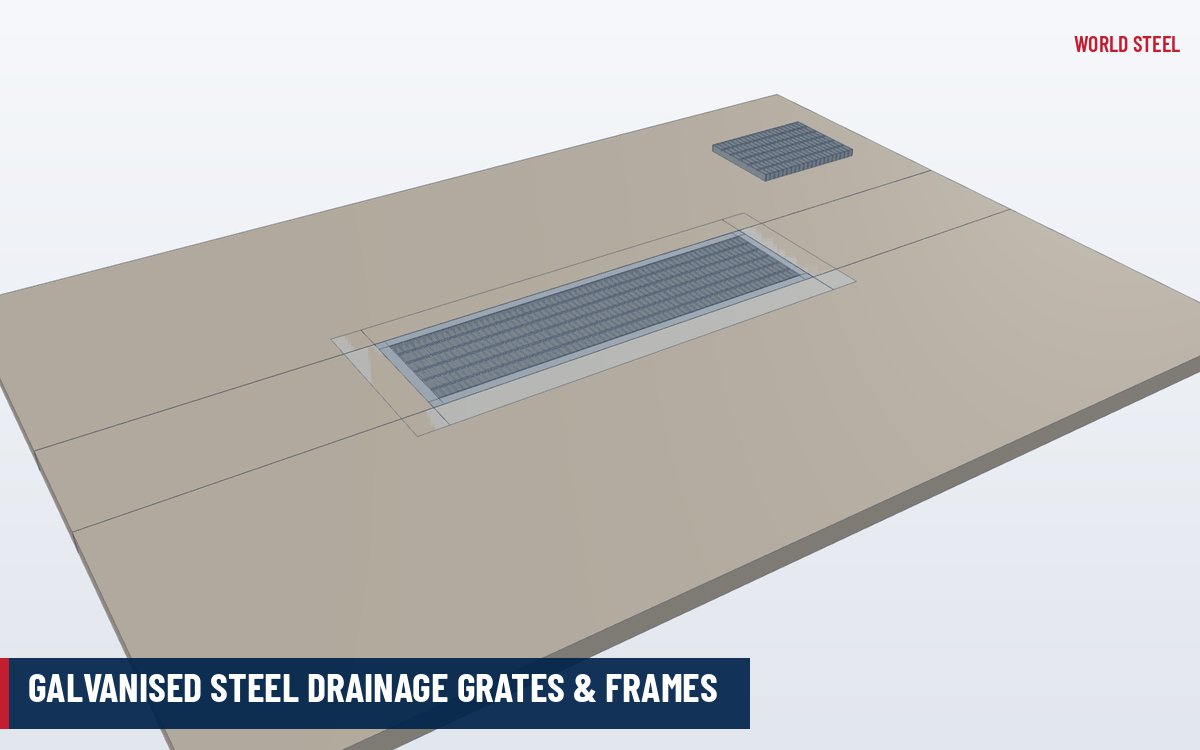
Send the channel width and run lengths, load class, grate type and stainless grade, finish, any slot-width or heel-guard rule and the setting detail. We can supply grates alone to suit an existing channel or complete frames and grates. For non-standard shapes and civil items, see custom civil drainage.
Norme e requisiti per mercato
I codici secondo cui World Steel progetta, fabbrica e documenta questo prodotto, con i principali requisiti geometrici e di carico in ciascun mercato.
 Stati Uniti
- AWS D1.6Structural welding code – stainless steel
- ASTM A240Stainless steel plate, sheet and strip
- ASTM A967Chemical passivation of stainless steel parts
- ACI 318 Ch. 17Anchoring to concrete
- Load
- Project-specified; AASHTO loading only where trafficked by road vehicles
 Australia / NZ
- AS 3996-2019Access covers and grates
- AS/NZS 1554.6Welding stainless steels for structural purposes
- AS 4586Slip resistance classification of pedestrian surfaces
- AS 5216Fastenings in concrete
- Load class
- Typically A 10 kN or B 80 kN (AS 3996-2019)
 Europa
- EN 124Gully tops and manhole tops for vehicular and pedestrian areas
- EN 1433Drainage channels for vehicular and pedestrian areas
- EN 10088Stainless steels
- EN ISO 3834-2Quality requirements for fusion welding
- Load class
- Typically A15 or B125 (EN 124 / EN 1433)
Sintesi solo orientativa: prevalgono il capitolato di progetto, l'edizione del codice adottata e l'autorità competente.
Finiture
| Finitura | Norme / note |
|---|---|
| Pickled and passivated | ASTM A967 · ASTM A380 · weld cleaning per AS/NZS 1554.6 |
| Brushed or bead-blasted | Architectural appearance after passivation |
Domande frequenti
304 or 316 – which grade should I choose?
304 suits interiors and mild exteriors. Choose 316 near the coast, around chlorinated pools and in food plants with aggressive washdown chemicals.
Why are welds pickled and passivated?
Welding leaves heat tint that lowers corrosion resistance. Pickling removes it and passivation restores an even protective oxide layer, so the grate does not tea-stain or rust at the welds.
Can stainless grates carry vehicles?
Most are pedestrian or light-vehicle class. Heavier classes are possible with deeper bars and closer supports and are checked for the class specified.
Can you supply grates to fit an existing channel?
Yes – send the channel make-up dimensions and seat detail and we fabricate grates to suit.
 Singapore
 United Arab Emirates
 AS/NZS 5131 CC3
 EN 1090 EXC3 · CE