ENEnglish
 VITiếng Việt
 ZH中文
 KO한국어
 JA日本語
 FRFrançais
 ITItaliano
 PTPortuguês
 ESEspañol
 HEעברית
 ARالعربية

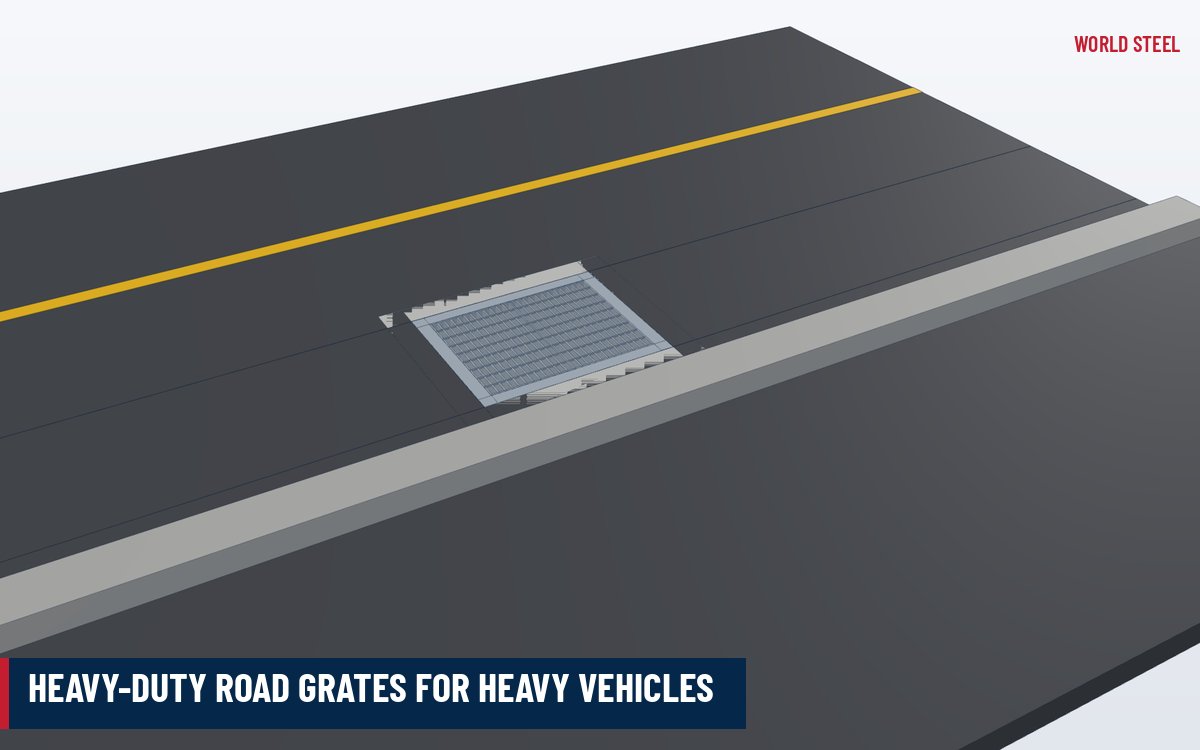
- AS 3996 classes D–G (210–900 kN test loads)
- EN 124 D400–F900 · AASHTO HS-20 / HL-93
- Deep bearing bars and heavy frames with anchor lugs
- Bolt-down and locking against displacement
- For ports, freight yards, industrial and haul roads
What they are
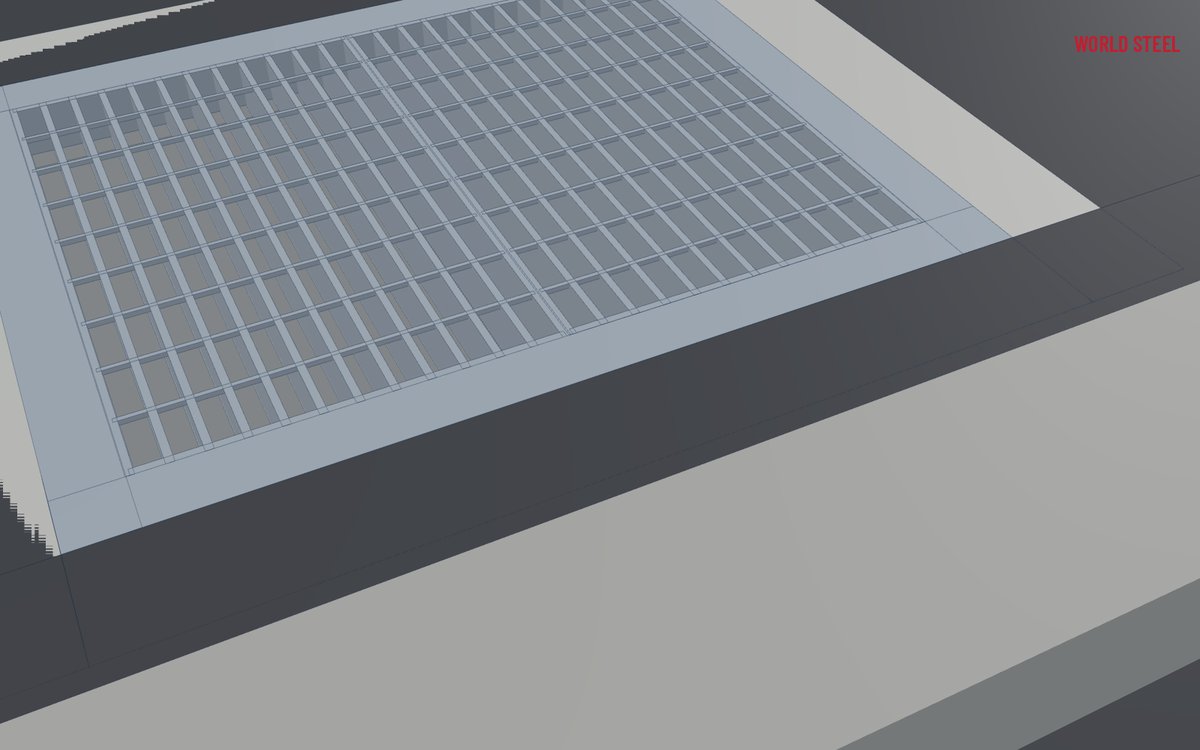
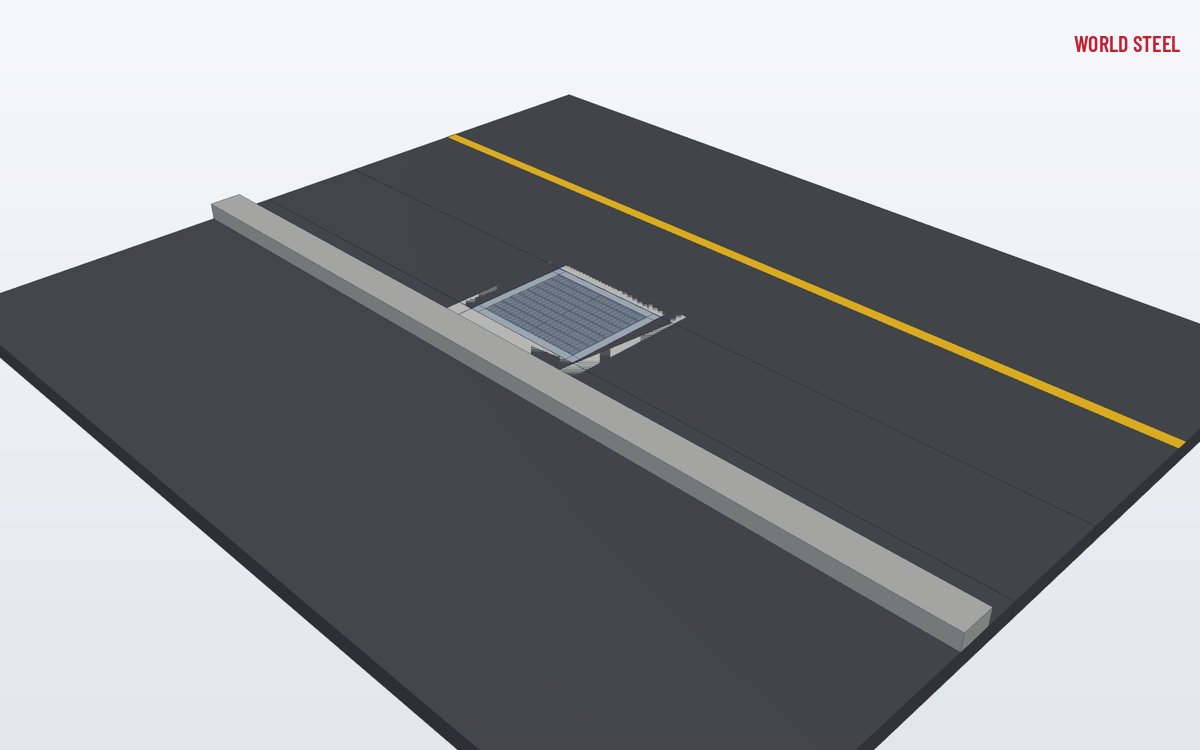
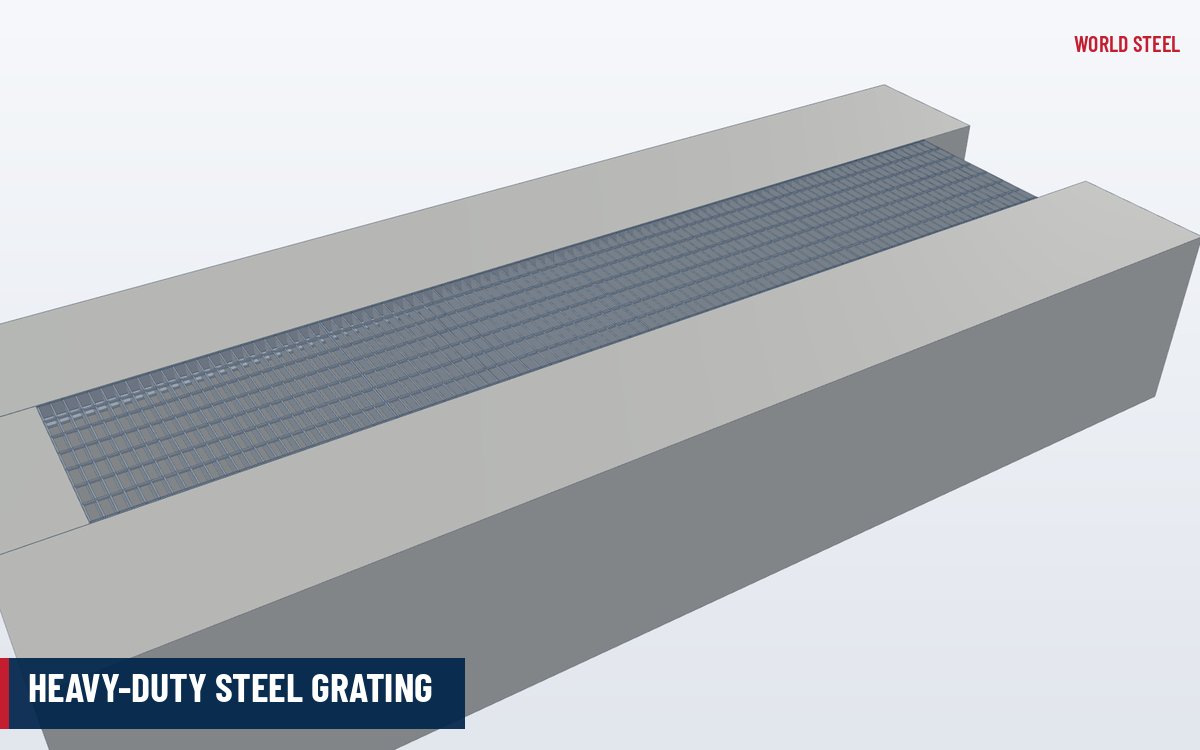
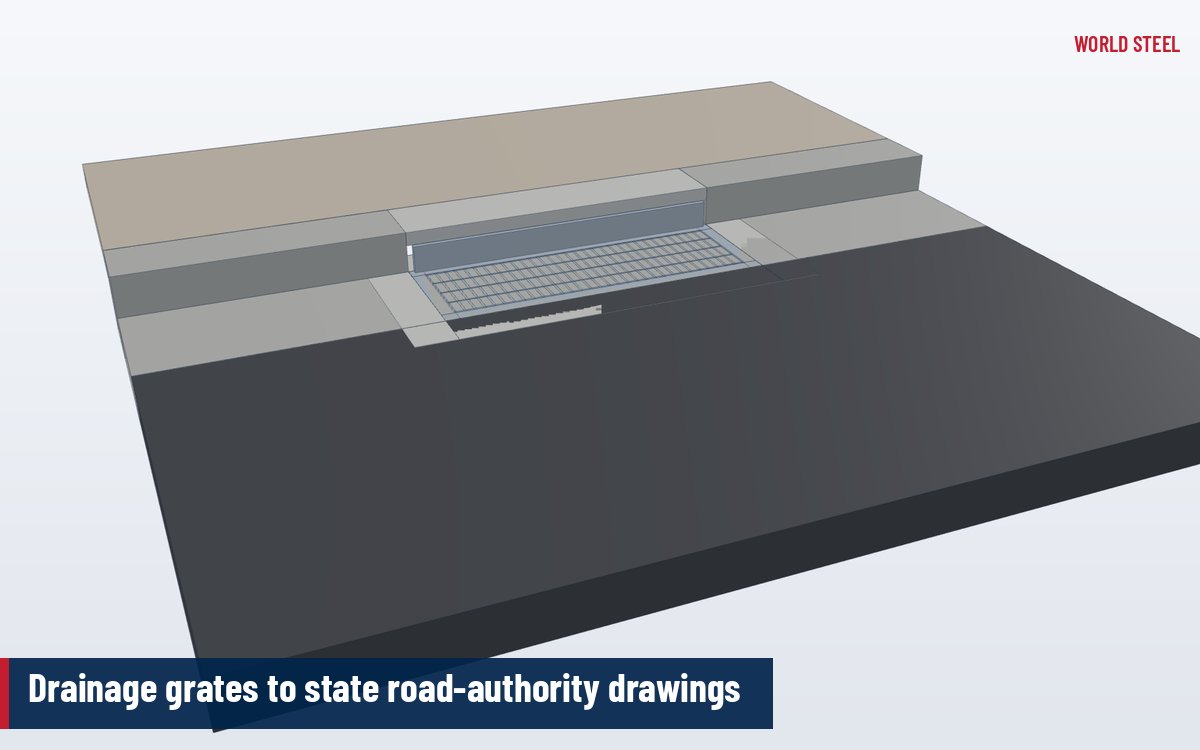
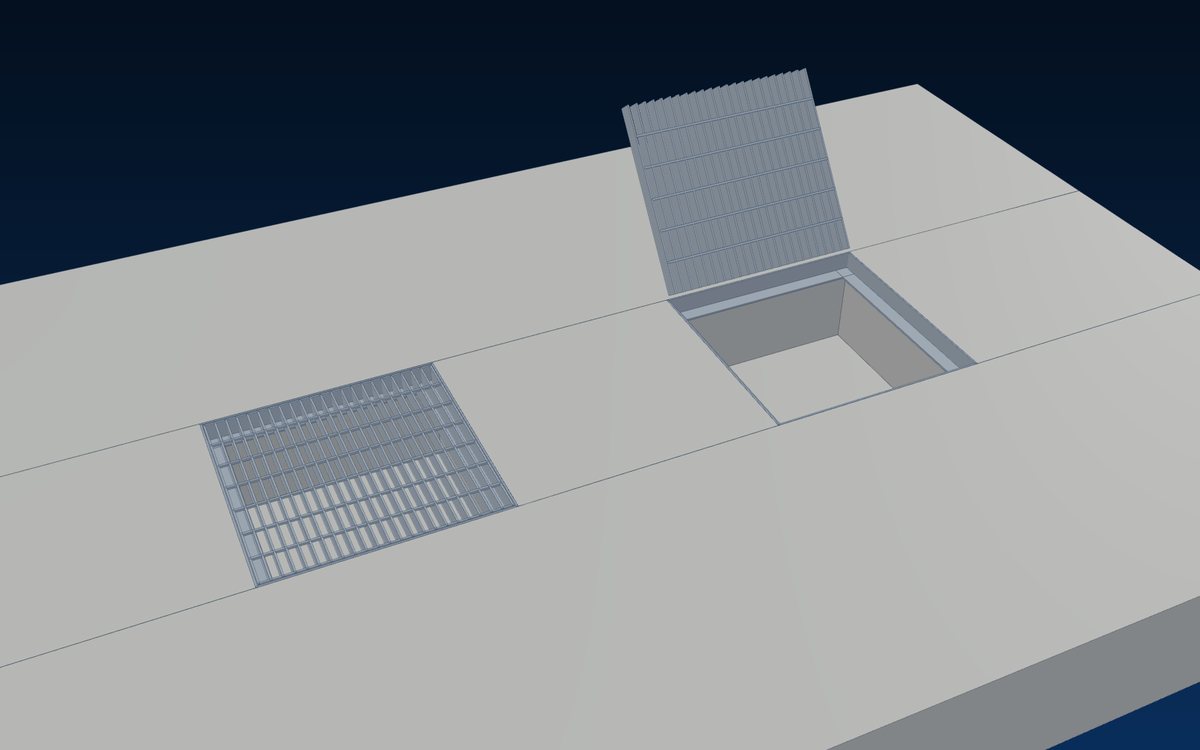
Heavy-duty road grates are welded steel grates built for pavements that carry trucks, forklifts, straddle carriers and other heavy plant. Compared with a standard steel drainage grate, they use deeper and thicker bearing bars at closer centres, a heavier frame angle or built-up frame, more anchor lugs and positive locking so that braking and turning wheels cannot lift or shift the grate. The frame is cast into a reinforced concrete surround that spreads the load into the pavement.
World Steel fabricates these grates in the same plant and to the same welding procedures as our heavy-duty grating for industrial floors. Typical uses are container terminals and wharves, freight and logistics yards, industrial estate roads, fuel and transport depots and mining haul roads, where cast items are difficult to source in the size required or where a project wants all drainage steelwork in one package.
Load classes covered
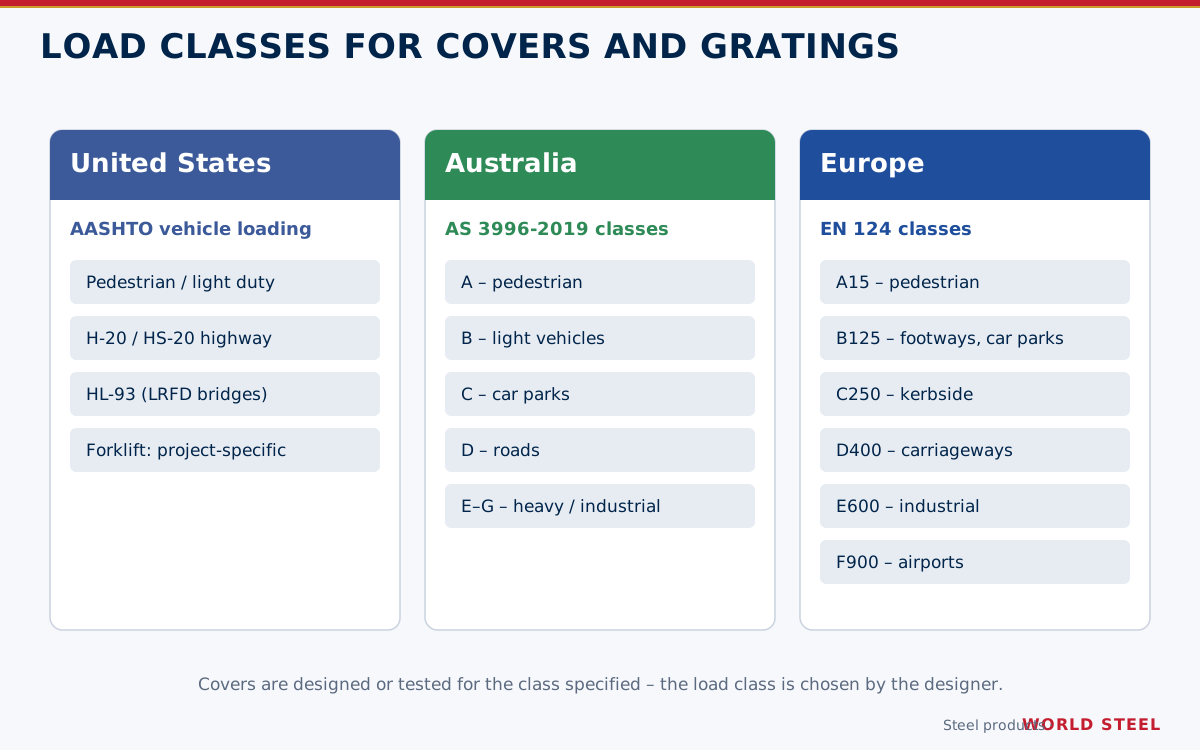
| Typical location | AS 3996-2019 | EN 124 | US practice |
|---|---|---|---|
| Roads and commercial vehicle areas | Class D (210 kN) | D400 | AASHTO H-20 / HS-20 |
| General docks, industrial pavements | Class E (400 kN) | E600 | HS-20 / HL-93 or project wheel load |
| Docks, container handling areas | Class F (600 kN) | F900 | Project-specific wheel load |
| Heavy docks, aircraft pavements | Class G (900 kN) | F900 | Project-specific wheel load |
The values are the class test loads, not working wheel loads. For port and mining plant the designer often checks the grate for the actual vehicle wheel or axle load and contact area as well as the class – we work to whichever is the more onerous design given on the drawings.
Design and compliance
The grate is designed as a series of bearing bars spanning the clear opening, with cross bars and edge bars distributing the wheel load. Bar depth is governed by bending and deflection, while frame and anchorage design must resist both vertical load and horizontal braking forces. World Steel prepares calculations or checks the client's design for the specified class, sizes the welds, and produces shop drawings in Tekla. Test evidence for a class – where an authority requires it – is specific to the design and is agreed and witnessed in the contract; we do not claim road-authority prequalification or third-party approval unless it has been obtained for that design.
Anchorage to concrete is checked to AS 5216, EN 1992-4 or ACI 318 Chapter 17. Welding follows AS/NZS 1554.1, AWS D1.1 or EN ISO 3834-2, and coatings are applied by qualified galvanisers to AS/NZS 4680, ASTM A123 or EN ISO 1461. Our design team can coordinate frame details with the pavement engineer.
Fabrication at World Steel
- Deep bearing bars and frame plates are CNC cut, notched and welded in jigs for consistent seats.
- Frames can be angle, channel or built-up plate sections with anchor lugs or studs at close centres.
- Locking is by countersunk bolts into tapped frame bosses or by locking bars, keeping the top surface flush.
- Every grate is trial-fitted to its frame, marked with location and class, galvanised as a pair and checked again.
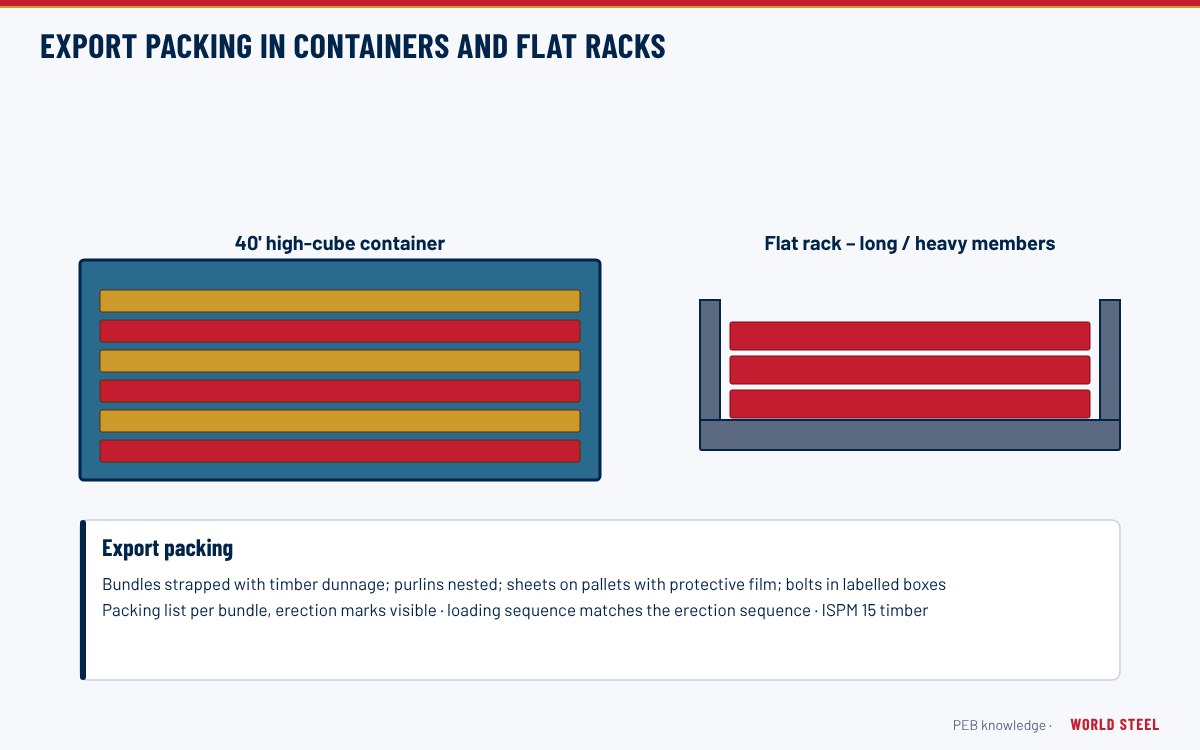
- Heavy items are packed on steel skids for crane handling; see packing and shipping.
Installation and site notes
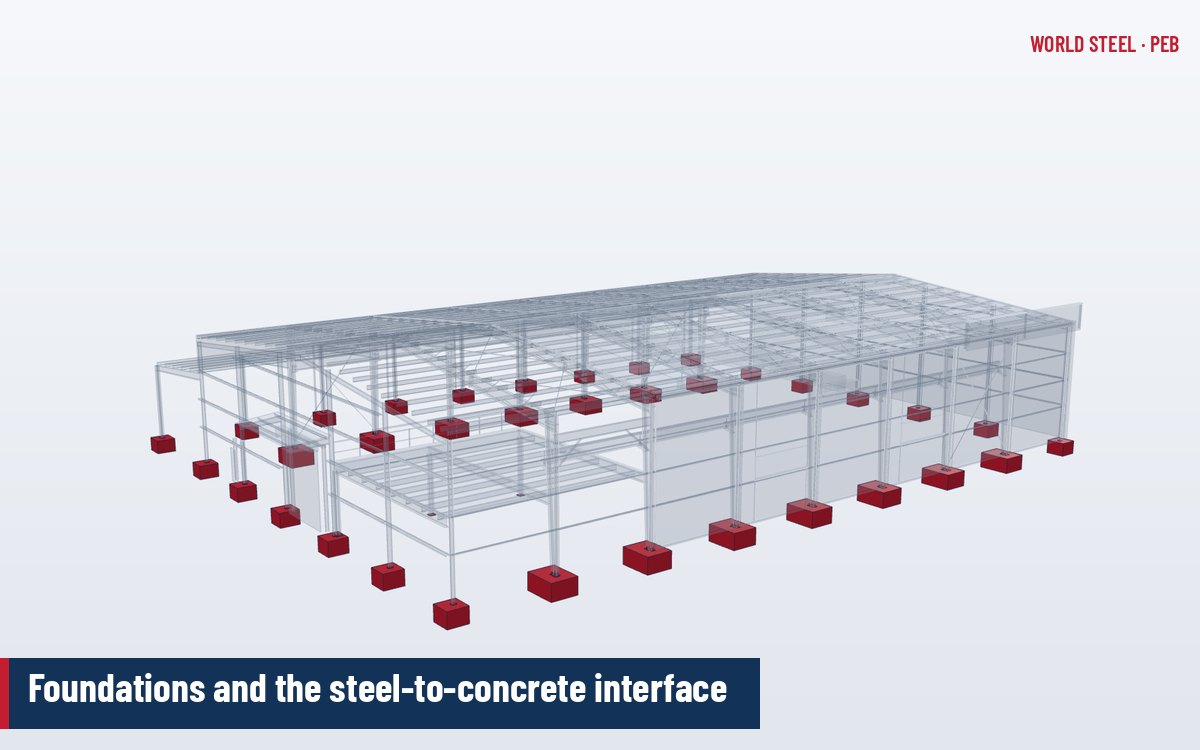
Heavy-duty frames must be fully bedded – voids under the seat flange are the most common cause of rocking, noise and early failure. Brace frames during the pour, compact concrete thoroughly around the anchor lugs and keep grates in place until curing is complete. Tighten locking bolts to the specified torque and recheck after the first period of traffic. Inspect grates during routine pavement maintenance and repair any zinc damage with zinc-rich paint. Consult our foundation interface notes for cast-in tolerances.
Selecting and specifying
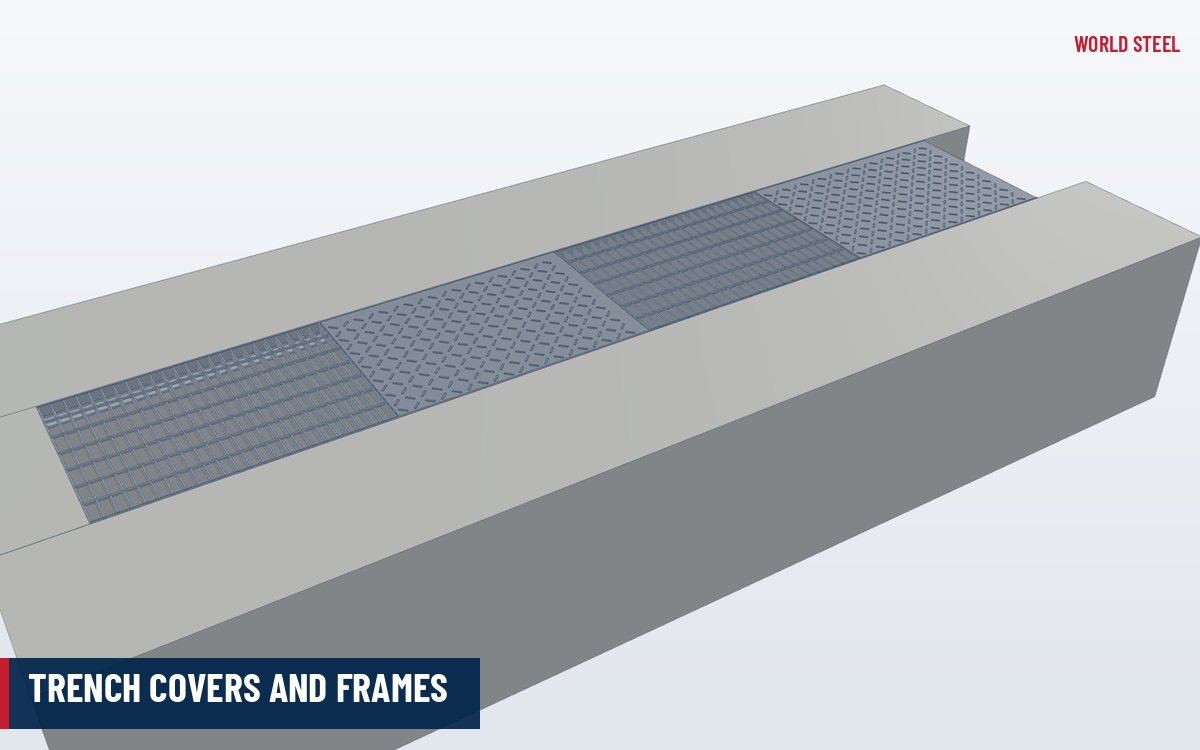
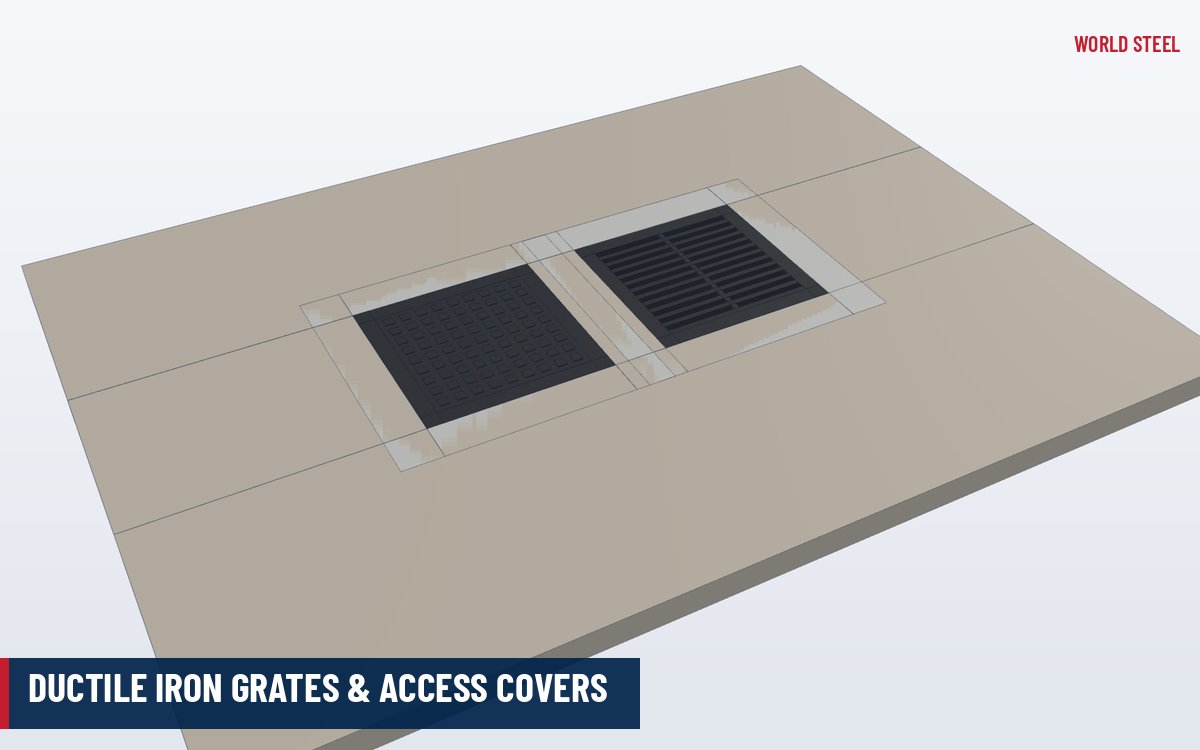
Please send the load class or design vehicle, clear openings and depth limits, the pavement and concrete detail, the locking requirement and any authority standard drawing. For drainage lines along wharves and yards we can also supply matching trench covers and pit covers so the whole drainage package arrives from one fabricator.
Norme e requisiti per mercato
I codici secondo cui World Steel progetta, fabbrica e documenta questo prodotto, con i principali requisiti geometrici e di carico in ciascun mercato.
 Stati Uniti
- AASHTOVehicle loading H-20 / HS-20, HL-93
- ANSI/NAAMM MBG 532Heavy-Duty Metal Bar Grating Manual
- AWS D1.1Structural welding code – steel
- ACI 318 Ch. 17Anchoring to concrete
- ASTM A123Zinc (hot-dip galvanized) coatings on iron and steel products
- Vehicle loading
- AASHTO HS-20 or HL-93 commonly specified; heavier per project
 Australia / NZ
- AS 3996-2019Access covers and grates
- AS 4100Steel structures
- AS/NZS 1554.1Welding of steel structures
- AS 5216Fastenings in concrete
- AS/NZS 4680Hot-dip galvanized coatings on fabricated ferrous articles
- Load class
- D 210 kN, E 400 kN, F 600 kN, G 900 kN (AS 3996-2019)
 Europa
- EN 124Gully tops and manhole tops for vehicular and pedestrian areas
- EN 1993-1-1Design of steel structures
- EN ISO 3834-2Quality requirements for fusion welding
- EN 1992-4Design of fastenings for use in concrete
- EN ISO 1461Hot-dip galvanized coatings on fabricated articles
- Load class
- D400, E600 or F900 (EN 124)
Sintesi solo orientativa: prevalgono il capitolato di progetto, l'edizione del codice adottata e l'autorità competente.
Finiture
| Finitura | Norme / note |
|---|---|
| Hot-dip galvanised | AS/NZS 4680 · ASTM A123 · EN ISO 1461 |
| Duplex (galvanised + paint) | Marine and port environments – EN ISO 12944 · AS/NZS 2312.1 |
Domande frequenti
What is the difference between AS 3996 classes D and G?
The class test load: class D is 210 kN for roads and commercial vehicles, E 400 kN, F 600 kN for docks and G 900 kN for heavy docks and aircraft pavements. The designer chooses the class from the traffic.
Can steel grates replace cast grates in a port?
Often, yes – a welded steel grate can be designed for the class or wheel load specified and made to non-standard openings. Any authority test or approval requirement is checked for the specific design.
How are the grates locked?
With countersunk bolts into tapped bosses on the frame or with locking bars, keeping the top flush so tyres and forklifts are not damaged.
Do you supply the frames as well?
Yes – grates and frames are fabricated, trial-fitted and galvanised as matched pairs and marked by location.
 Papua New Guinea
 AS/NZS 5131 CC3
 EN 1090 EXC3 · CE