ENEnglish
 VITiếng Việt
 ZH中文
 KO한국어
 JA日本語
 FRFrançais
 ITItaliano
 PTPortuguês
 ESEspañol
 HEעברית
 ARالعربية

 C1 · C2 interior
Shop primer
For dry, heated interiors and members that will be fire protected or finished by others.
Service · Blasting, coating & galvanizing
The coating decides how long your steel lasts before its first major maintenance. We classify the site, select the system for the durability you need, shot blast every member and apply and inspect the coating under the same quality system as the fabrication – with hot-dip galvanizing and duplex systems on request.
A paint system that is right for an inland warehouse fails early on a seafront; a system made for offshore exposure is money wasted indoors. We start from the site – its corrosivity category and the time you expect before the first major maintenance – and select a system that meets both.
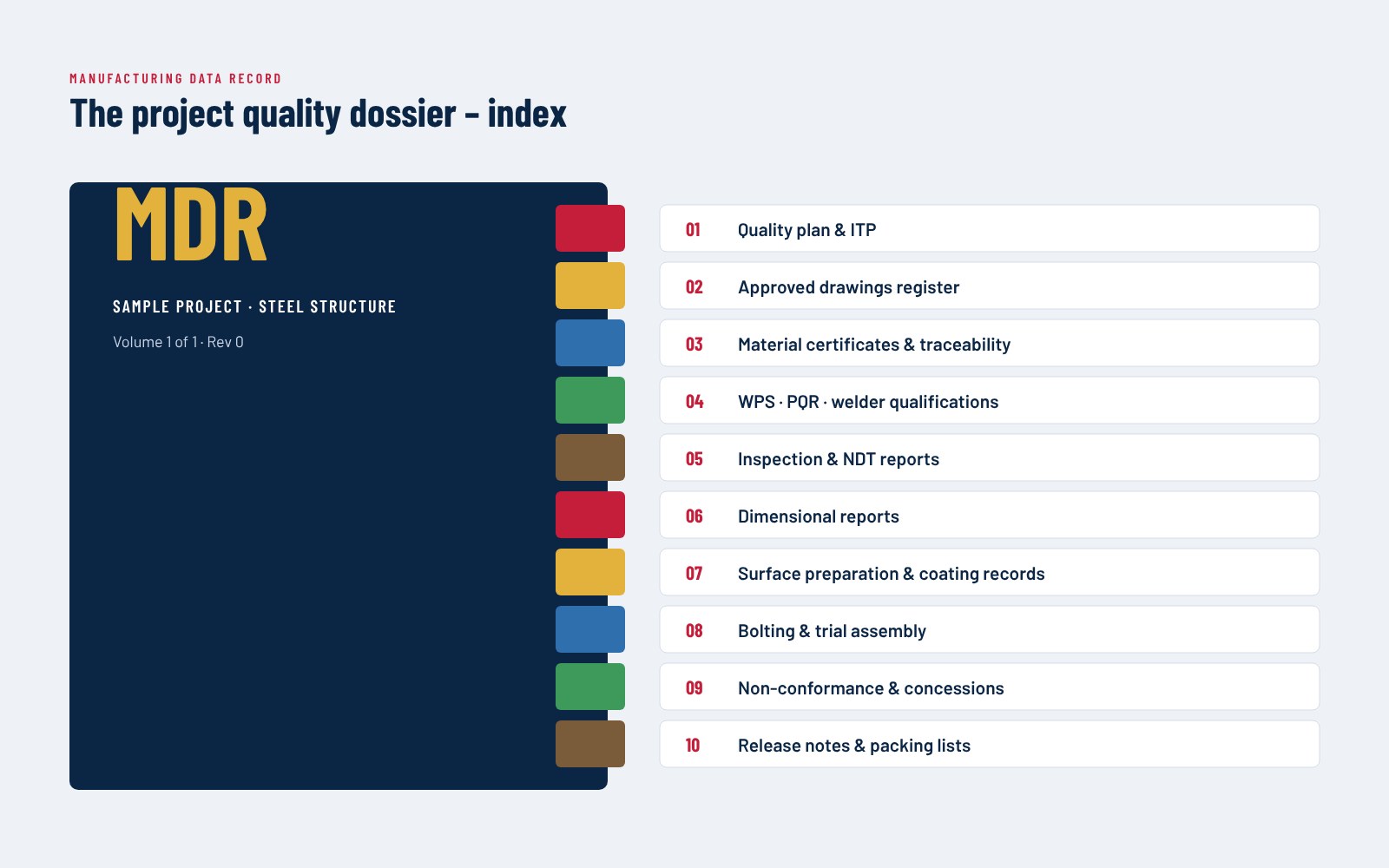
Then the steel is prepared for it: welds dressed, sharp edges rounded, every surface shot blasted to the specified grade, coated in controlled conditions and checked. Thickness, adhesion and appearance are recorded and filed in the project quality dossier.
Protection systems
Typical options – the final system, thicknesses and colours follow the project specification.
C1 · C2 interior
For dry, heated interiors and members that will be fire protected or finished by others.
C2 – C4
Zinc-rich or epoxy primer with epoxy intermediate coats – the standard choice for industrial and commercial buildings.
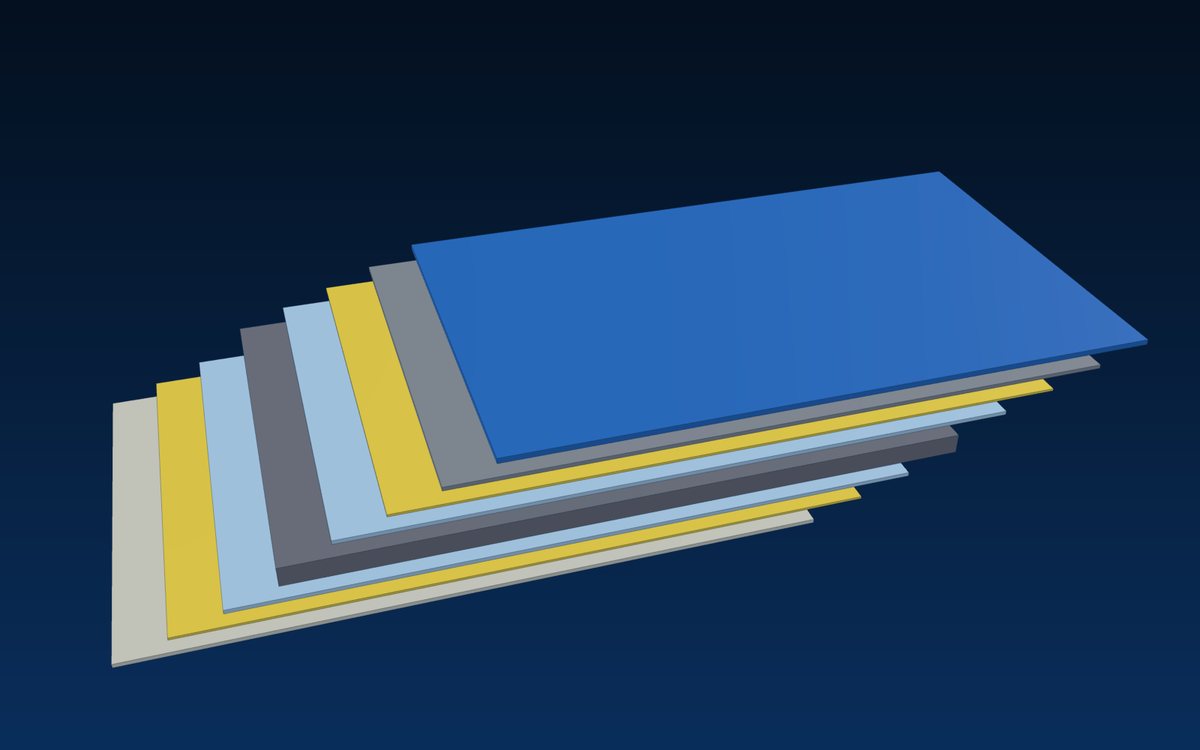 C3 – C5 · UV
Polyurethane topcoat for colour and gloss retention on exposed steel and architectural members.
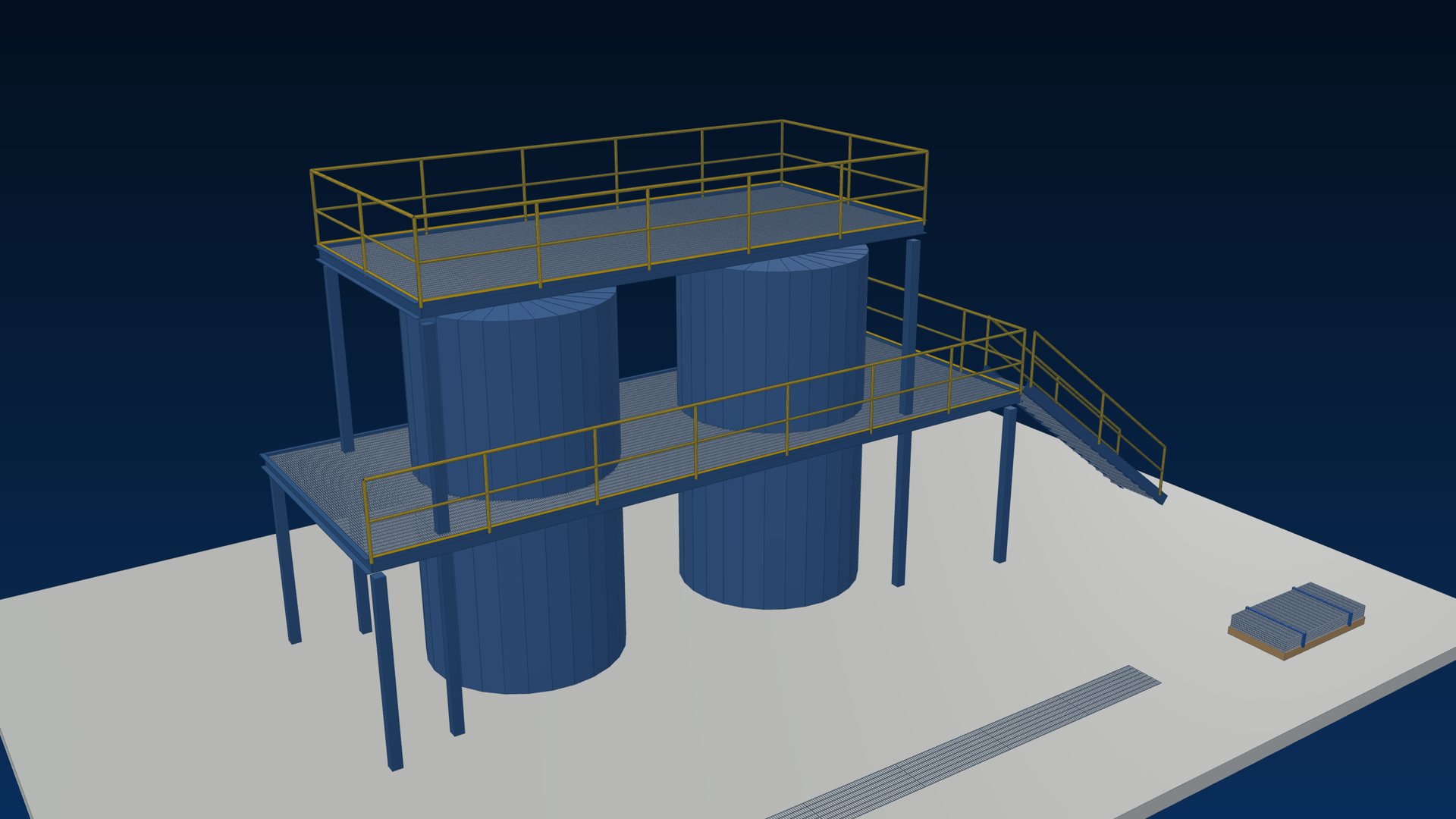 on request
Zinc coating to ISO 1461, ASTM A123 or AS/NZS 4680 – members detailed with vent and drain holes from the start.
 C5 · CX coastal
Galvanizing with a paint system on top for seafront, island and aggressive industrial sites – see coastal & island steel.
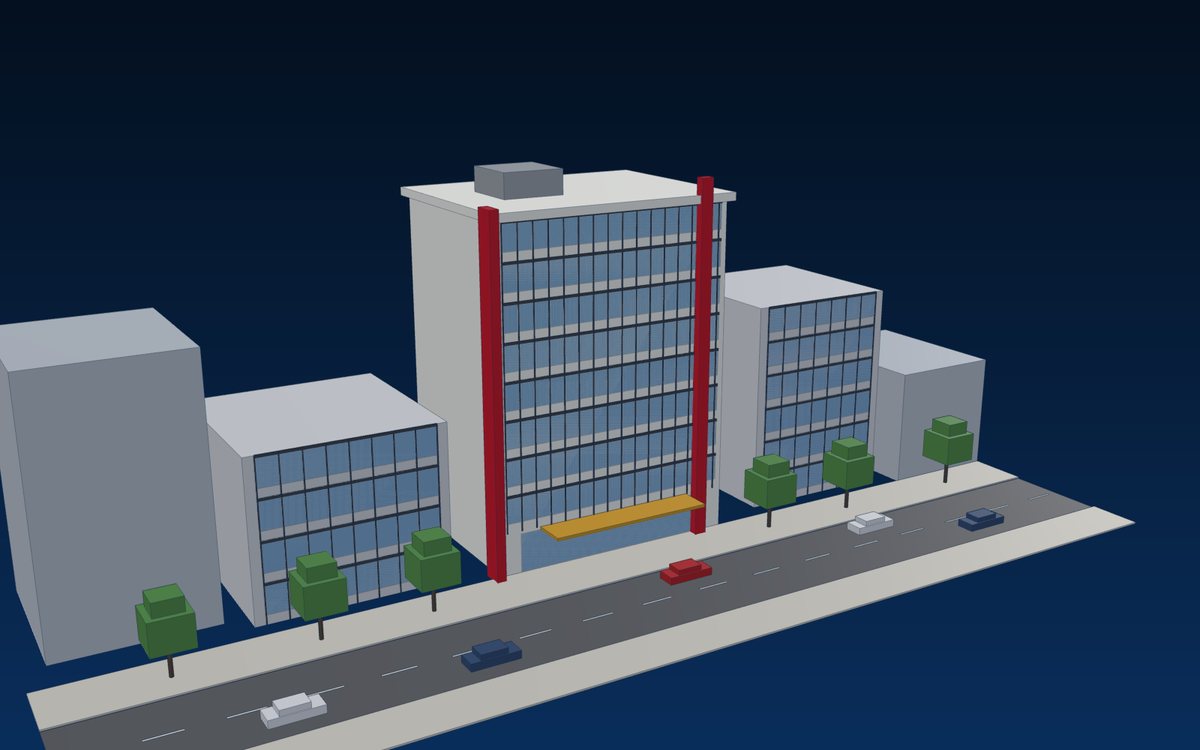 RAL · project colours
Topcoat colours chosen with you – try them on a 3D model in our colour selector.
التطبيقات
Corrosivity category and durability agreed first – then the system, never the other way round.
Shot blasting to Sa 2½ gives the clean, rough profile a coating needs to adhere for its full life.
Fabrication, blasting and coating under the same QC – no transport to a third party between steps.
Drainage, sealing and edge details are part of our design, so the coating is not defeated by the shape.
Dry film thickness, adhesion where specified and inspection results filed with the quality dossier.
Coated members are packed and loaded to protect the finish – see export packing.
المعايير والامتثال
We follow the coating standard named in your specification – these are the most common.
 International
 United States
 Australia & New Zealand
 Europe
ملخص للاسترشاد فقط – تسري مواصفات المشروع وإصدار المعيار المعتمد والجهة المختصة.
Surface preparation
Paint adheres to what is under it. Before blasting, welds are dressed, spatter removed and sharp edges rounded to the preparation grade specified. Blast cleaning then removes mill scale and rust to Sa 2½ and gives the surface profile the system needs. Cleanliness, dust and roughness are checked, and the first coat goes on before the surface can flash-rust.
Inspection
Ambient conditions are checked before coating and dry film thickness is measured and recorded before the steel is released. Adhesion tests and holiday tests are made where the specification asks for them. The results go into the coating section of the quality dossier handed over with your project.
Reference
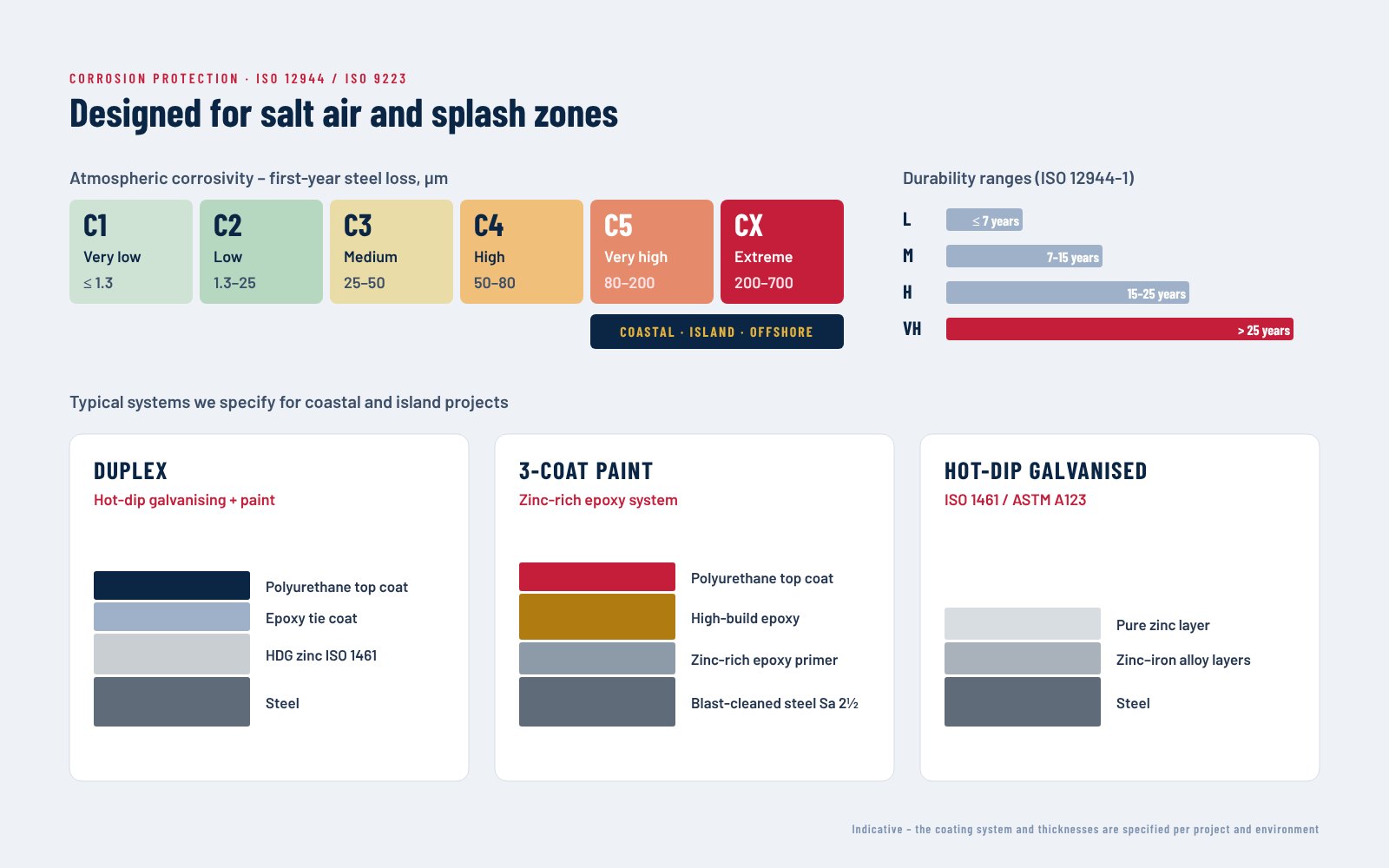
Indicative guidance from ISO 12944-2 and ISO 12944-1 for early planning – the category is confirmed for each site.
| Category | Corrosivity | Typical exterior | Typical interior |
|---|---|---|---|
| C1 | Very low | – | Heated buildings with clean atmospheres – offices, shops, schools |
| C2 | Low | Atmospheres with low pollution, mostly rural areas | Unheated buildings where condensation may occur – depots, sports halls |
| C3 | Medium | Urban and industrial atmospheres, moderate pollution; coastal areas with low salinity | Production rooms with high humidity and some pollution – food plants, laundries |
| C4 | High | Industrial areas and coastal areas with moderate salinity | Chemical plants, swimming pools, coastal boatyards |
| C5 | Very high | Industrial areas with high humidity and aggressive atmosphere; coastal areas with high salinity | Buildings with almost permanent condensation and high pollution |
| CX | Extreme | Offshore areas with high salinity; industrial areas with extreme humidity; subtropical and tropical atmospheres | Industrial areas with extreme humidity and aggressive atmosphere |
| Range | Time to first major maintenance |
|---|---|
| L – low | Up to 7 years |
| M – medium | 7 to 15 years |
| H – high | 15 to 25 years |
| VH – very high | More than 25 years |
العملية
Site category, durability, system and colours agreed in the design basis.
Welds dressed, spatter removed, edges rounded to the preparation grade.
Shot blasting to Sa 2½; cleanliness, dust and roughness checked.
Primer, intermediate and topcoats applied in controlled conditions.
Dry film thickness measured; adhesion and appearance checked where specified.
Results filed in the quality dossier; members packed to protect the finish.
FAQ
It depends on the site corrosivity category and the durability you need. Tell us the location and the use of the building – we propose a system to ISO 12944 or to your specification, with its thicknesses and colours.
Hot-dip galvanizing and duplex systems are available on request. Members to be galvanized are designed and detailed for it from the start, with vent and drain holes and suitable connections.
Yes – where the specification names a product or an approved list, we apply that system and follow the manufacturer's data sheets.
Members are packed to protect the finish, and touch-up material matching the system is supplied with the steel so minor damage is repaired at site according to the specification.
Yes. Dry film thickness readings, and adhesion or other tests where specified, are filed in the coating section of the project quality dossier.
Send us the site location, exposure and the life you expect – we reply with a coating system and its cost.