ENEnglish
 VITiếng Việt
 ZH中文
 KO한국어
 JA日本語
 FRFrançais
 ITItaliano
 PTPortuguês
 ESEspañol
 HEעברית
 ARالعربية

Why EN 1090 is mandatory in Europe
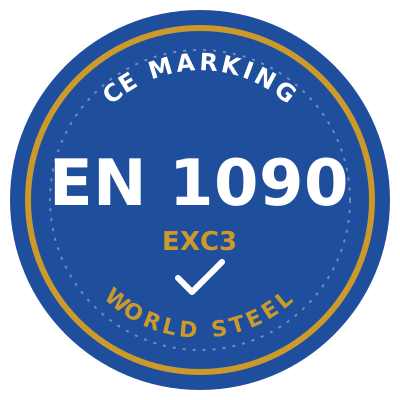
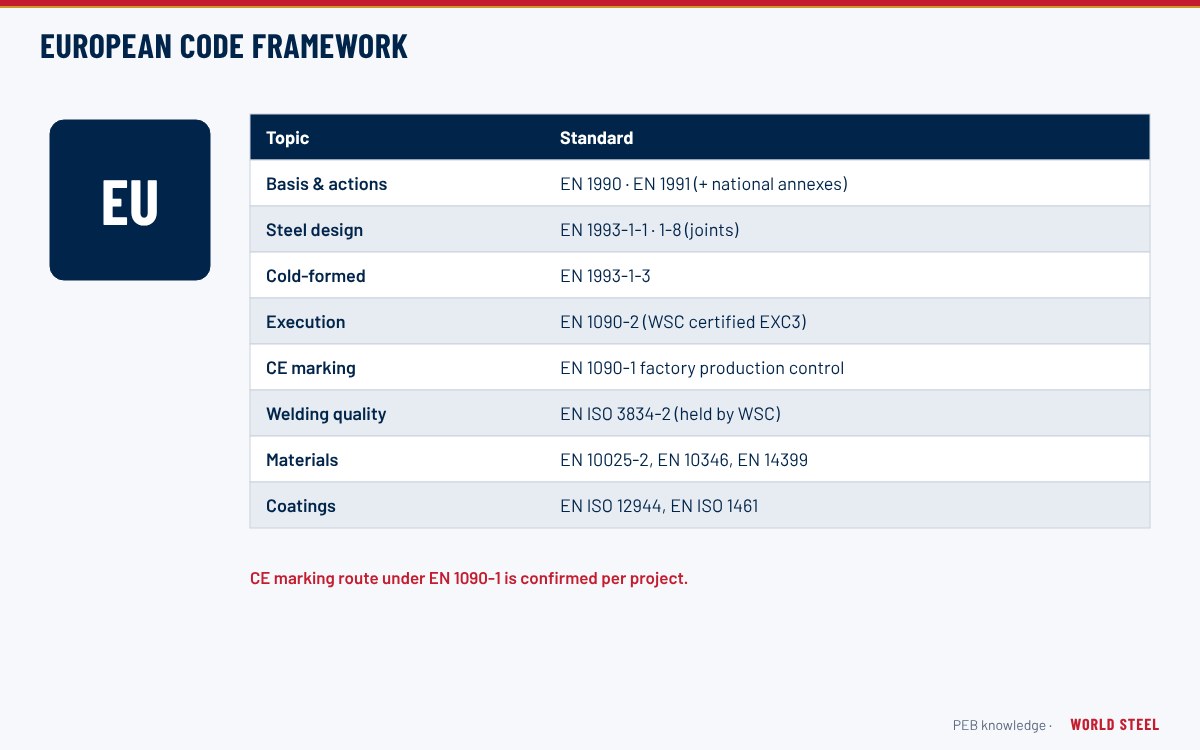
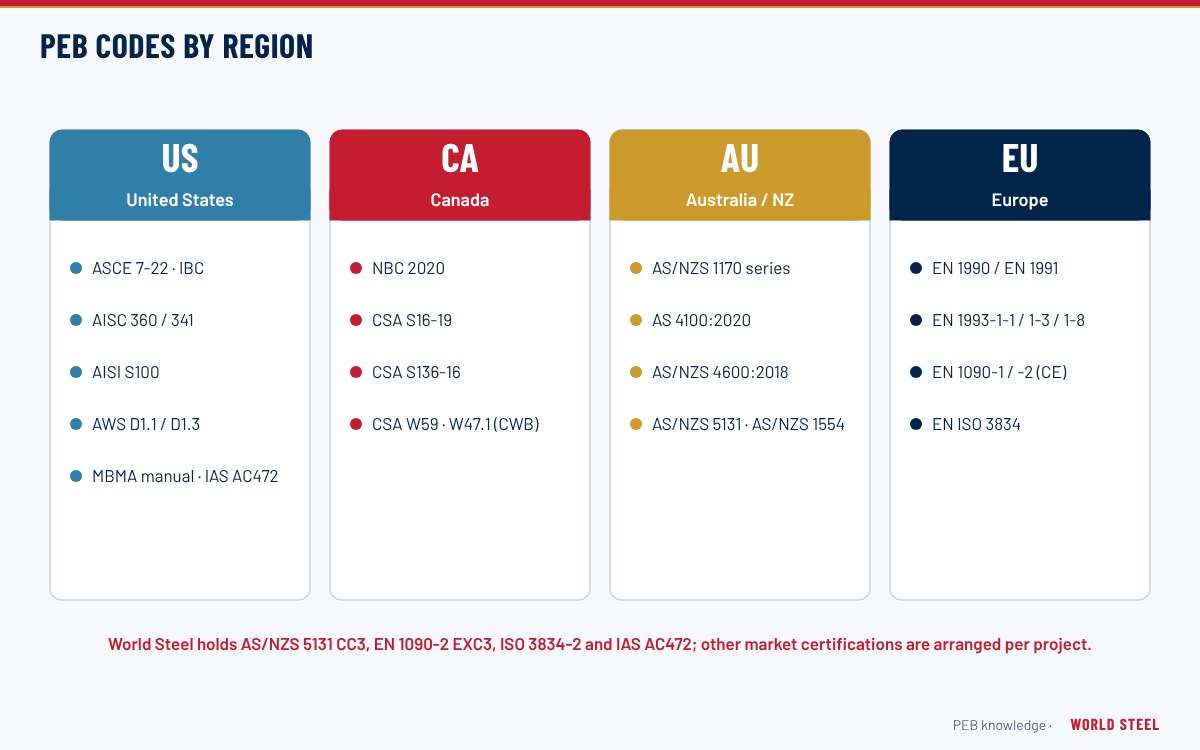
Fabricated structural steel components placed on the market in the European Union and EEA are construction products under the Construction Products Regulation. Their harmonised standard is EN 1090-1, so a fabricator may only CE-mark and sell structural components if its factory production control (FPC) has been certified by a notified body under attestation system 2+. The technical requirements for the execution of the work – materials, preparation, welding, bolting, tolerances, inspection and testing – are in EN 1090-2, graded by execution class EXC1 to EXC4.
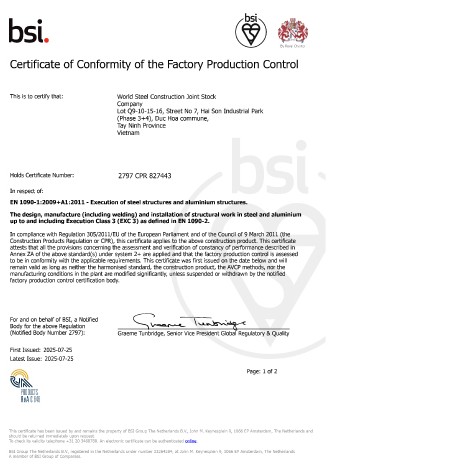
World Steel holds certificate 2797 CPR 827443, issued by BSI Group The Netherlands B.V., Notified Body 2797, first issued on 25 July 2025. It covers the design, manufacture (including welding) and installation of structural work in steel and aluminium up to and including Execution Class 3 (EXC3).
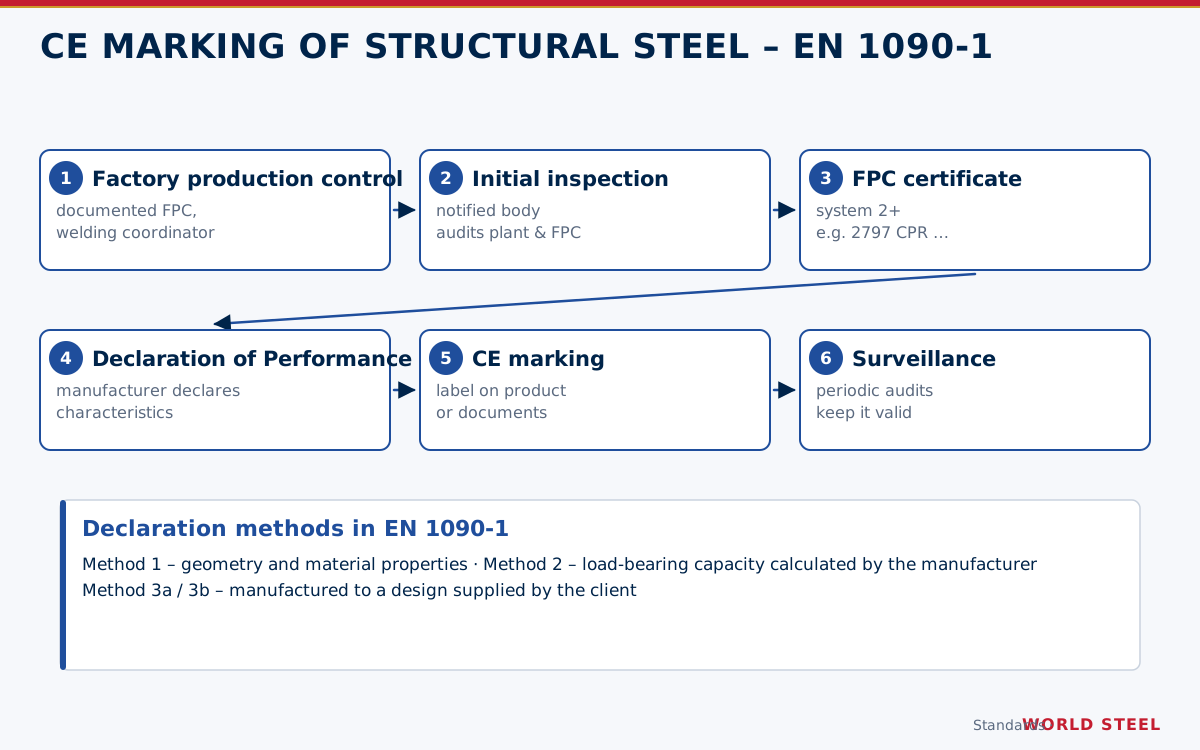
Execution classes and what EXC3 covers
The execution class is chosen by the designer from the consequence class of the structure, the type of loading and the production category. EXC2 is the normal class for most buildings; EXC3 applies to structures where failure would have high consequences or that carry fatigue or seismic actions, such as large-span roofs, stadiums, bridges, crane structures and heavy industrial plants. A certificate up to EXC3 also covers work in EXC1 and EXC2.
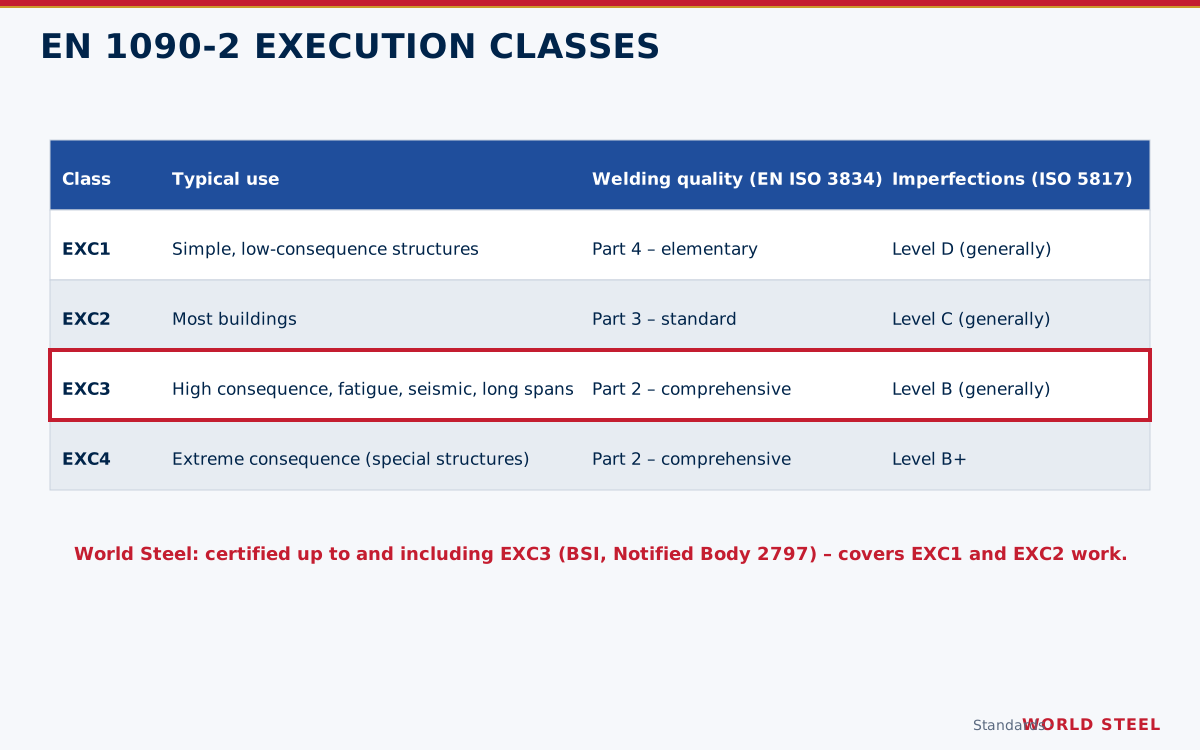
For EXC3, EN 1090-2 requires comprehensive welding quality requirements to EN ISO 3834-2, a responsible welding coordinator with comprehensive technical knowledge to EN ISO 14731, welding procedures qualified to EN ISO 15614-1, welders qualified to EN ISO 9606-1, quality level B for weld imperfections to EN ISO 5817 in most cases, extended non-destructive testing and full traceability of constituent products.
What the client receives
With every CE-marked delivery World Steel issues a Declaration of Performance (DoP) and applies the CE marking with the notified body number, the reference to EN 1090-1, the execution class and the declared essential characteristics. EN 1090-1 allows the manufacturer to declare performance by different methods – method 1 (geometry and material properties only), method 2 (load-bearing capacity calculated by the manufacturer) and methods 3a/3b (manufactured to a design provided by the client) – so the DoP matches who did the structural design.
| Item | World Steel |
|---|---|
| Notified Body | 2797 – BSI Group The Netherlands B.V. |
| FPC certificate | 2797 CPR 827443 |
| Harmonised standard | EN 1090-1:2009+A1:2011 |
| Execution class | Up to and including EXC3 (EN 1090-2) |
The new Construction Products Regulation (EU) 2024/3110 applies from 8 January 2026. During its transition period, harmonised standards cited under Regulation (EU) No 305/2011 – including EN 1090-1 – continue to be used for CE marking until new harmonised technical specifications replace them.
Where it applies
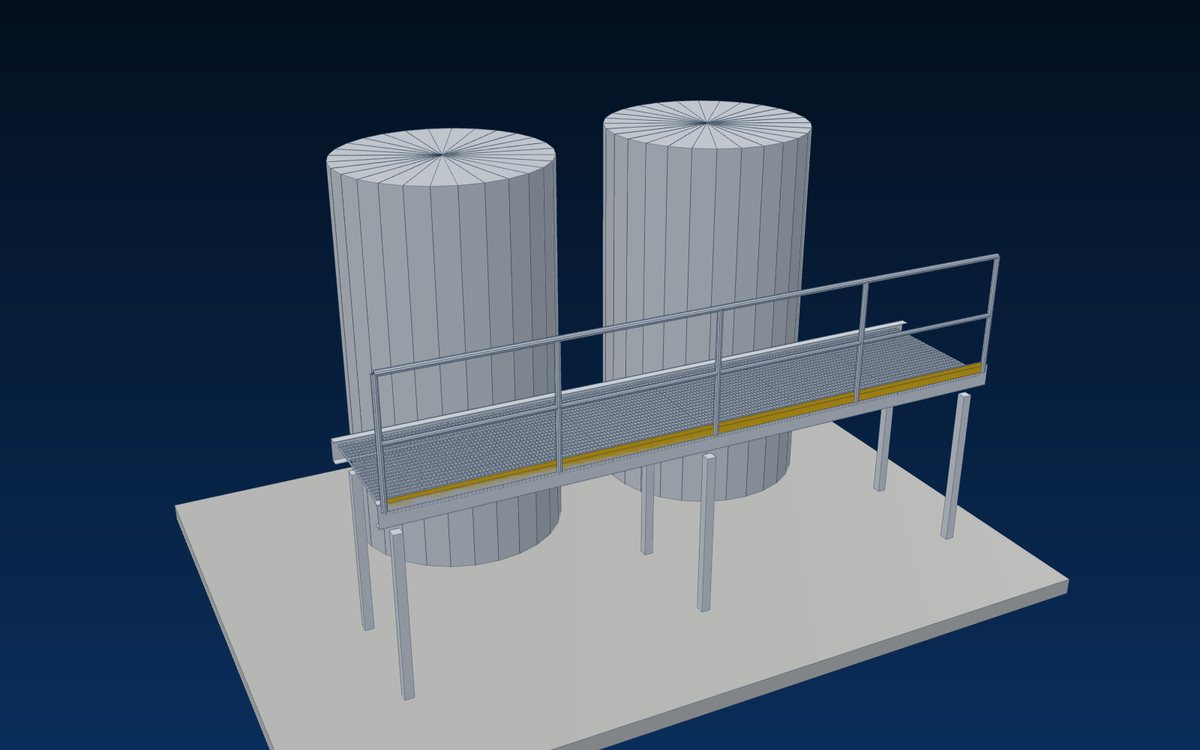
The certification covers World Steel's structural steel, pre-engineered buildings, long-span roofs and load-bearing steel products – stairs, platforms, mezzanines and pipe racks – for projects in Germany, the Netherlands and the rest of Europe. See European standards for the full regulatory picture.
 Germany
 Netherlands