ENEnglish
 VITiếng Việt
 ZH中文
 KO한국어
 JA日本語
 FRFrançais
 ITItaliano
 PTPortuguês
 ESEspañol
 HEעברית
 ARالعربية

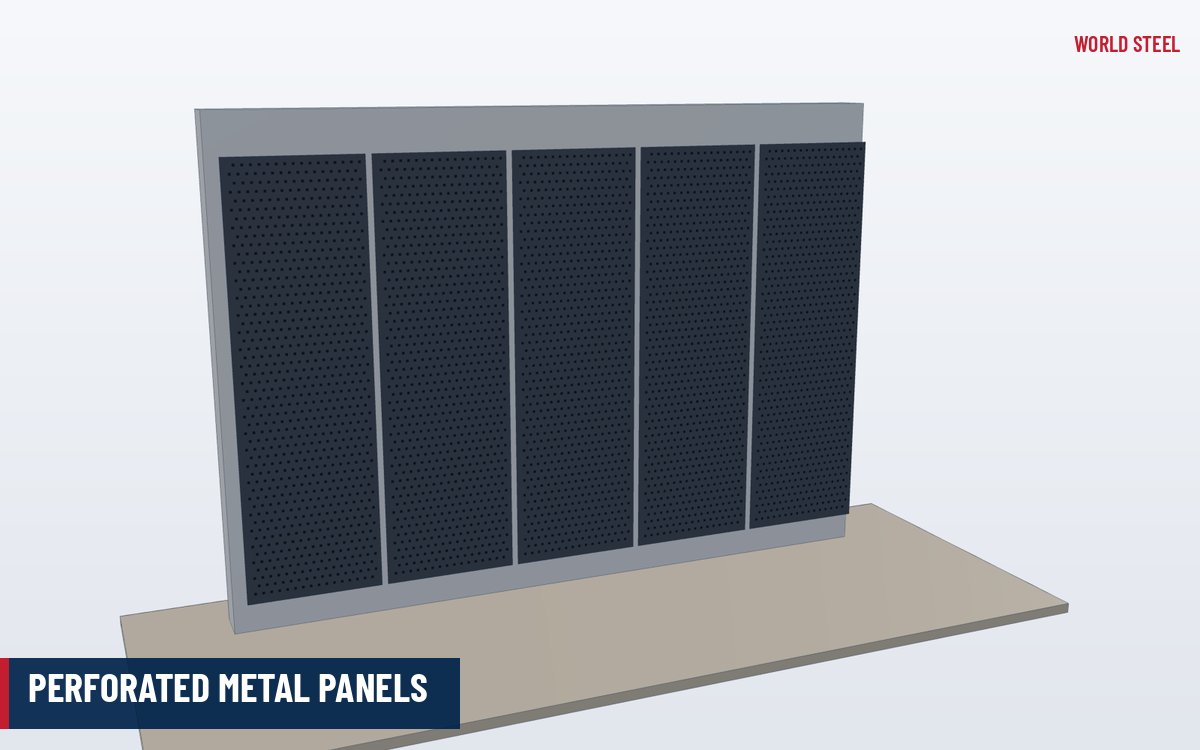
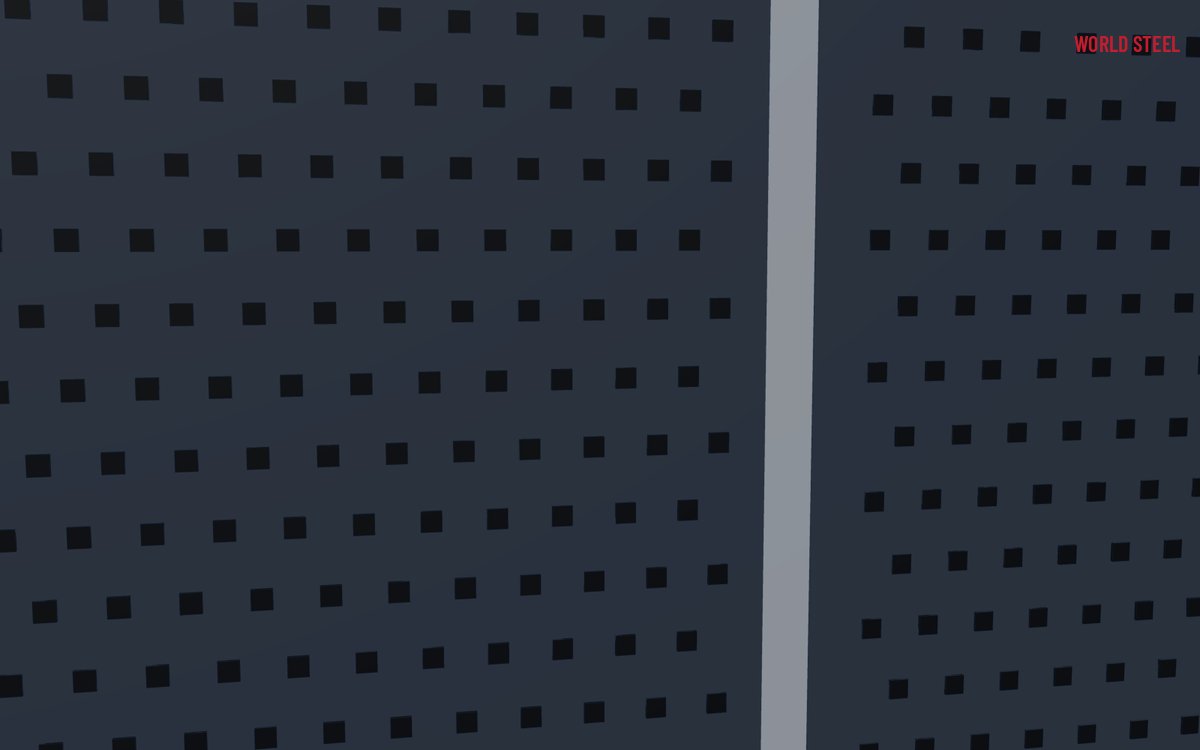
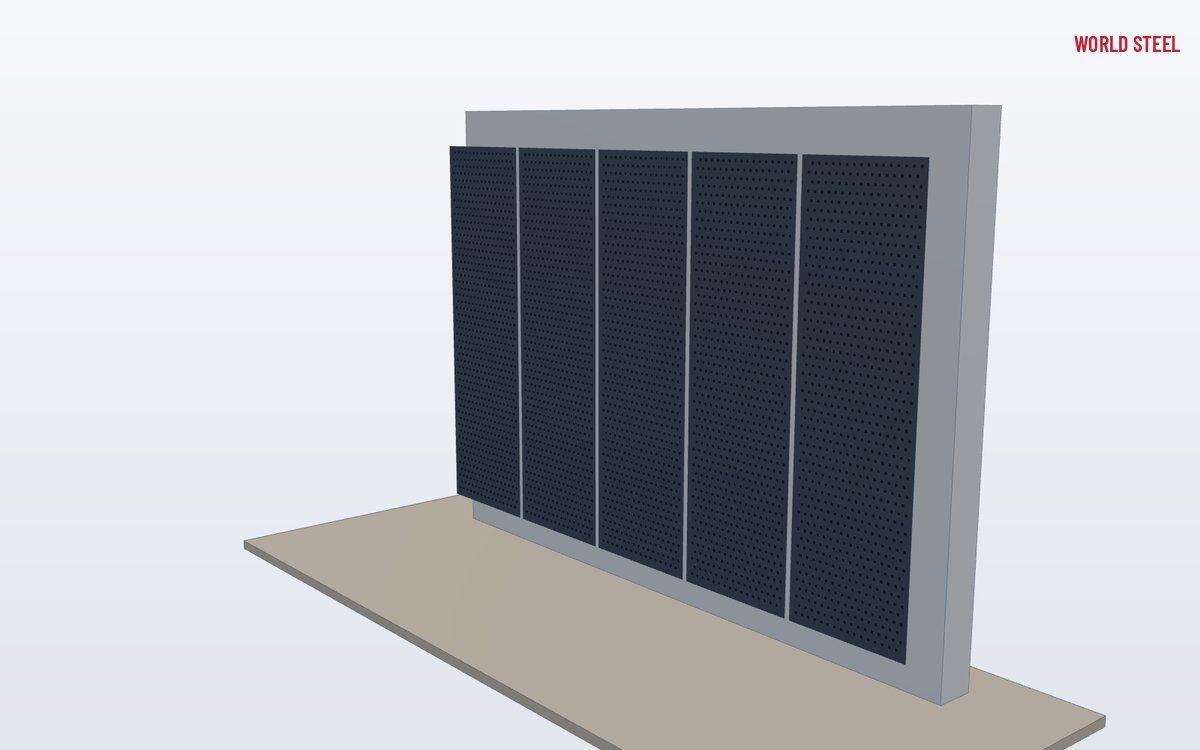
- Round, square, slotted, decorative and image perforation
- Mild steel, galvanised, stainless or aluminium
- Open area chosen for light, airflow and acoustics
- Folded edges, brackets and frames to the drawing
- Powder-coated, anodised or galvanised finishes
What it is
Perforated metal is sheet or plate in which a pattern of holes has been punched or cut, leaving a flat, rigid panel that lets light, air, sound and liquids through while acting as a screen, guard or surface. The hole shape, size, pitch and arrangement together set the open area – the percentage of the sheet that is hole – and the panel's look, strength and acoustic behaviour.
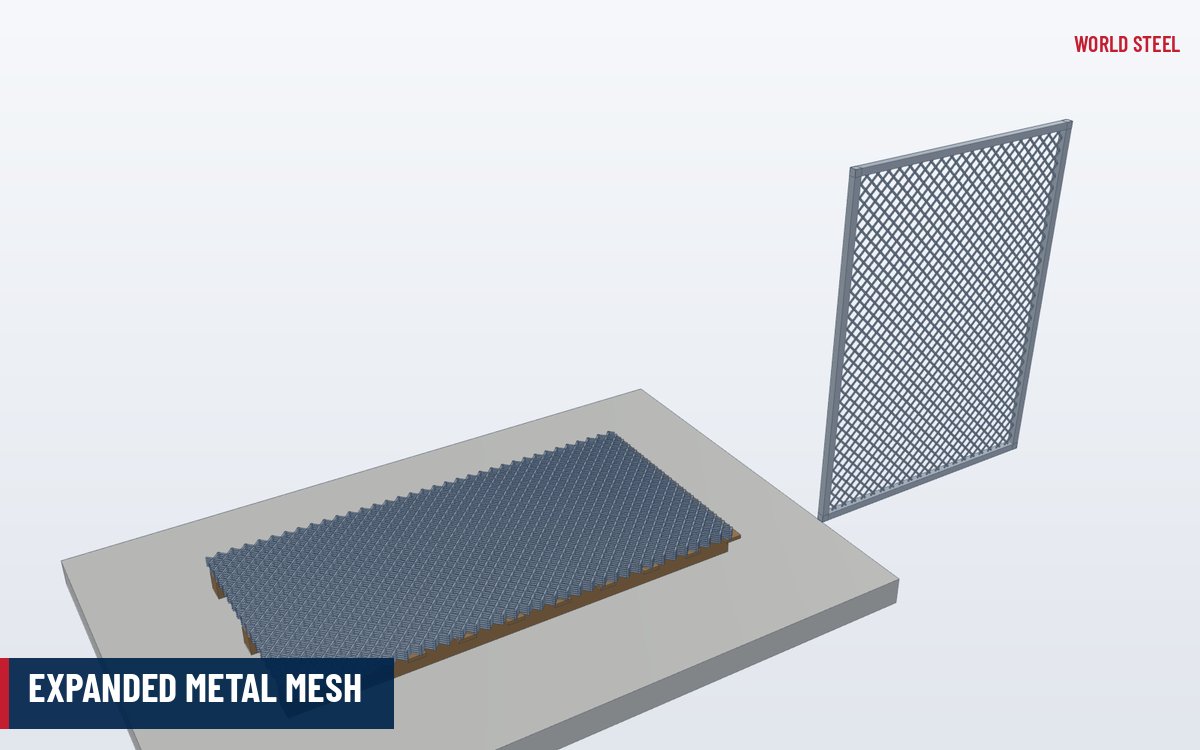
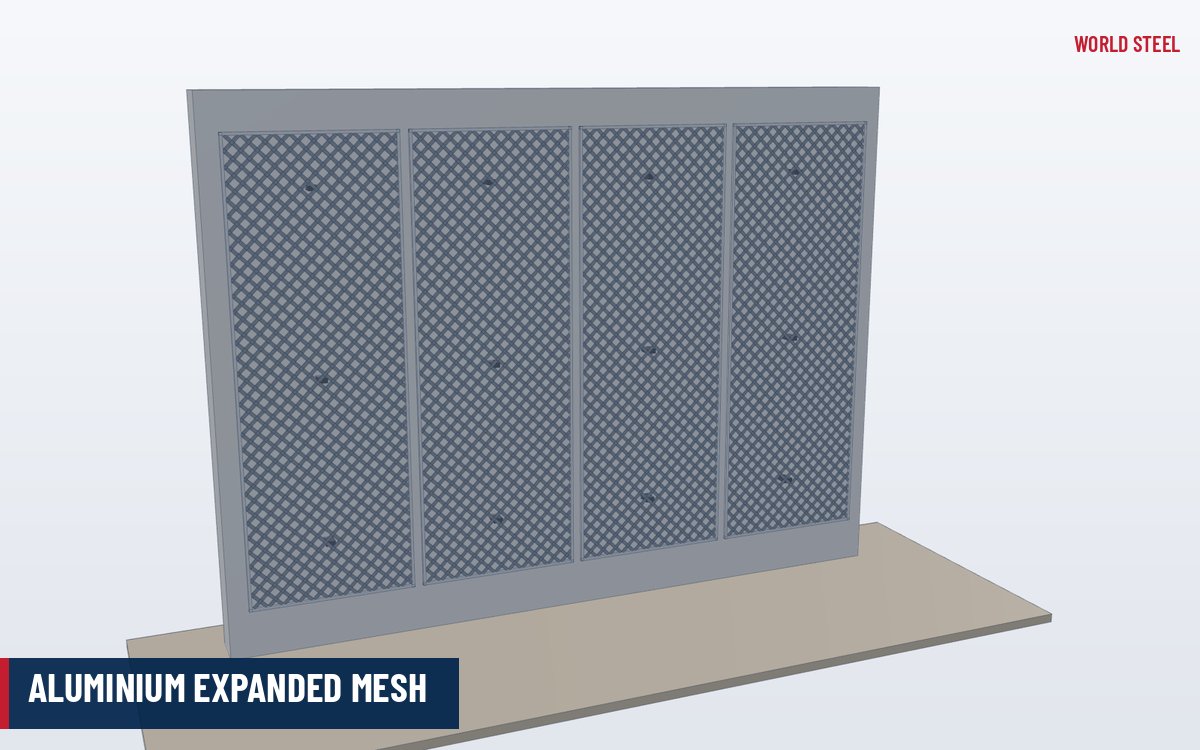
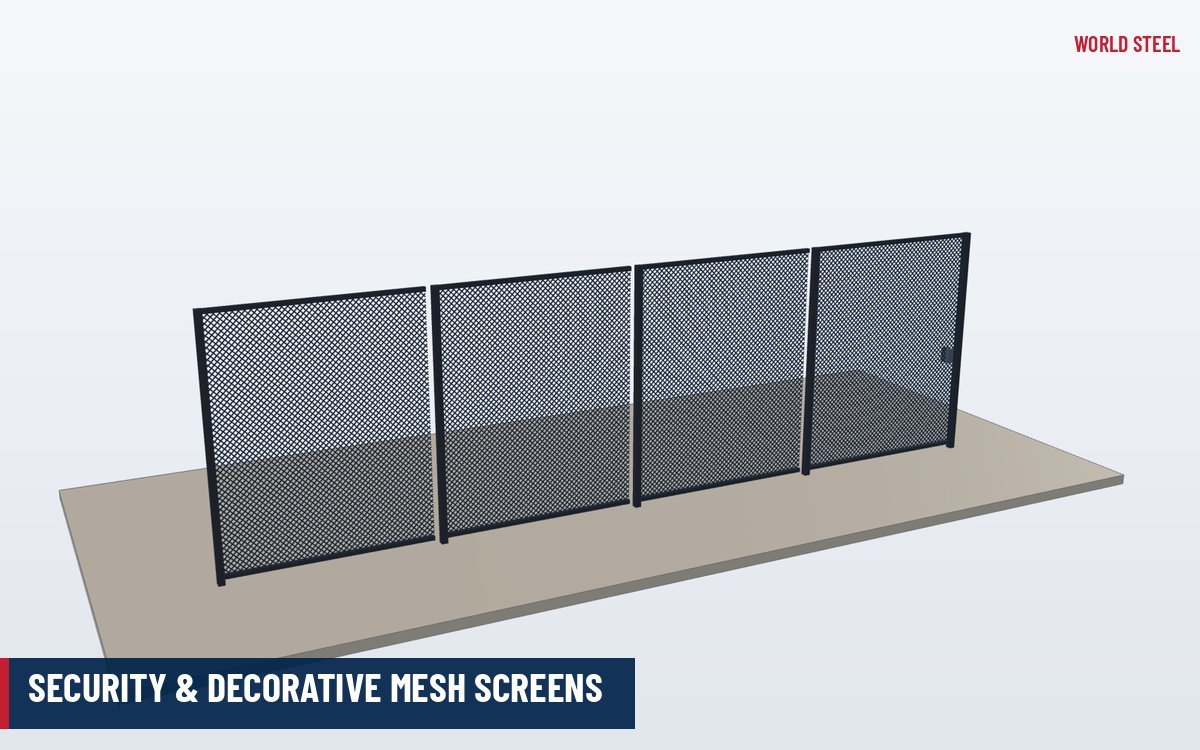
Perforated panels are used on facades and sunscreens, plant and service screens, balustrade and fence infill, ceilings and acoustic linings, signage, stair and walkway edge panels, machine guards and ventilation grilles. Where weight and cost per square metre matter more than a flat face, expanded metal or aluminium expanded mesh may be the better choice.
Types and options
| Pattern | Description | Typical use |
|---|---|---|
| Round holes, 60° staggered | Strongest, most common arrangement | Screens, guards, acoustic linings |
| Round holes, straight pitch | Holes in a square grid | Architectural panels, signage |
| Square holes | High open area, crisp grid | Infill, grilles, sieves |
| Slotted holes | Slots in line or staggered | Ventilation, drainage, sunscreens |
| Decorative and image | Varying hole sizes form a graphic or pattern | Feature facades, screens, wayfinding |
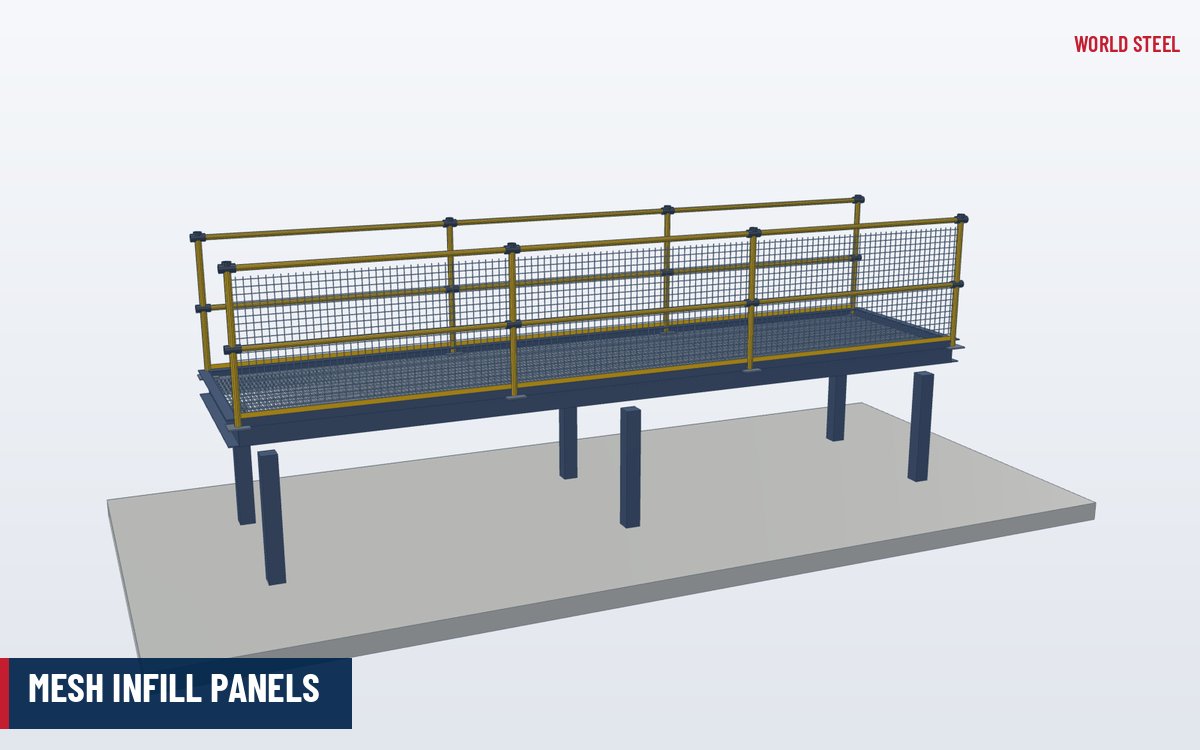
Panels can be supplied flat, with folded return edges for stiffness, with welded studs or brackets, or set in frames as handrail infill or screen panels. Plain margins are left at edges and fold lines so panels can be bent and fixed without tearing through a row of holes.
Design and compliance
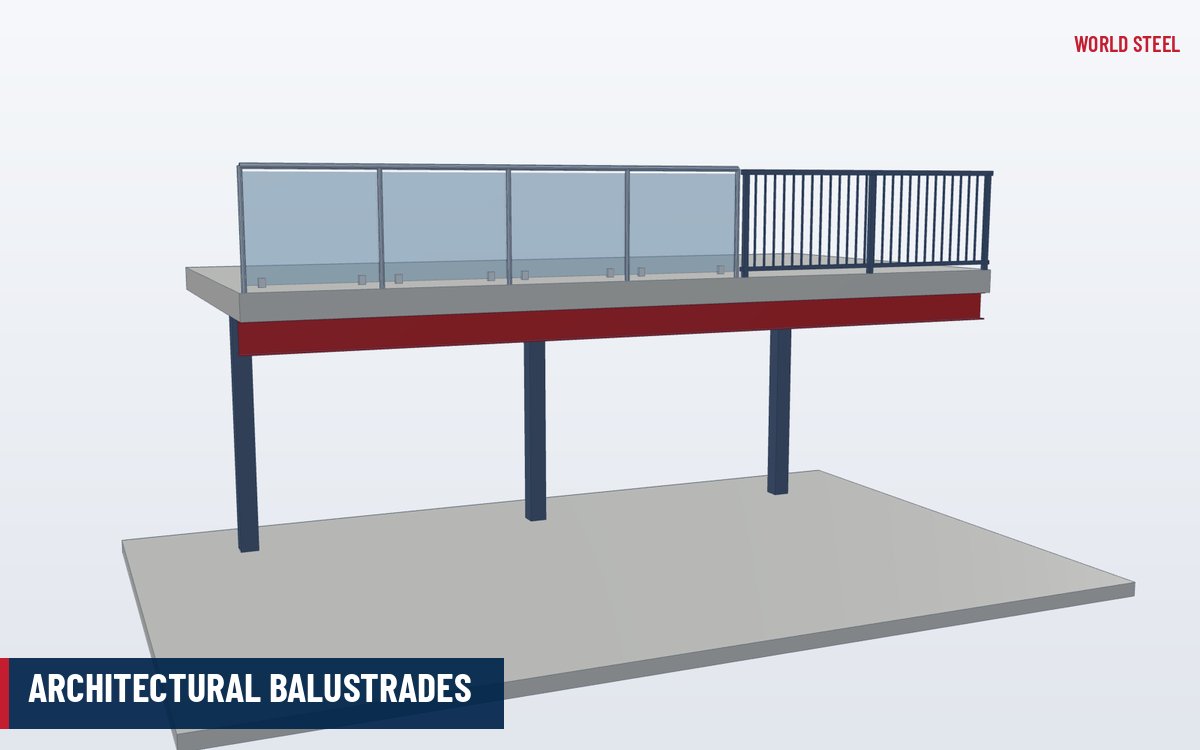
Perforation reduces the stiffness and strength of the sheet roughly in proportion to the open area, so thickness, fold depth and fixing spacing are chosen together. Facade and screen panels are designed for wind to AS/NZS 1170.2, ASCE 7 or EN 1991-1-4; balustrade infill for the infill loads of AS/NZS 1170.1, ASCE 7 or EN 1991-1-1; and opening sizes in barriers must meet the climbing and sphere rules of the local code, such as the 125 mm sphere rule of NCC 2022 or the 4 in sphere of the IBC. Panels used as machine guards follow EN ISO 13857, AS 4024.1 or OSHA 1910.212 for reach distances.
For acoustic linings, the perforated face works with an absorbent backing behind it; sound absorption is a property of the tested system (ISO 354 or ASTM C423), not of the sheet alone. Hole patterns are often described by the codification of ISO 7806 or the dimensions of DIN 24041. Facade fire rules apply to the coating and build-up as for any cladding – see cladding systems.
Fabrication and finishing at World Steel
Perforated sheet stock is produced by specialist perforators on multi-tool presses and supplied by World Steel with the project package; custom and image patterns are punched or laser-cut from the DXF file to the architect's design. In the World Steel plant we cut, fold and drill panels, weld brackets, studs and frames using qualified procedures under ISO 3834-2 and our AS/NZS 5131 and EN 1090-2 systems, and check flatness and edge margins against the shop drawings.
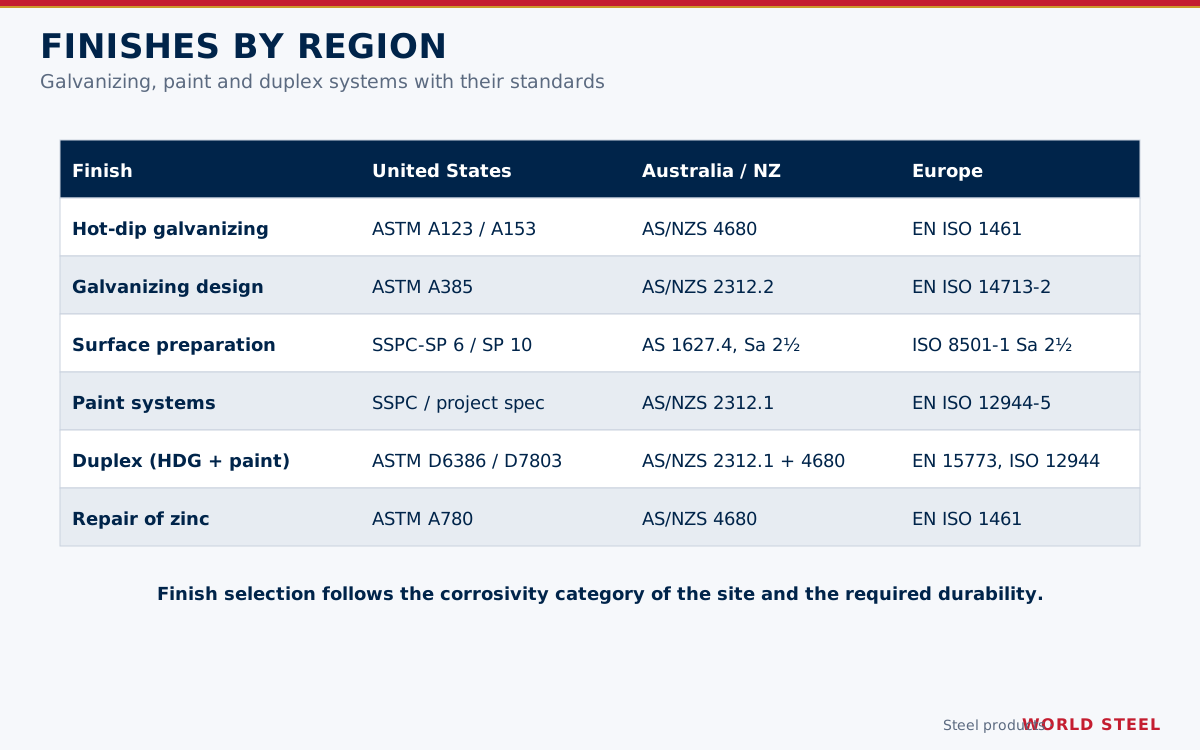
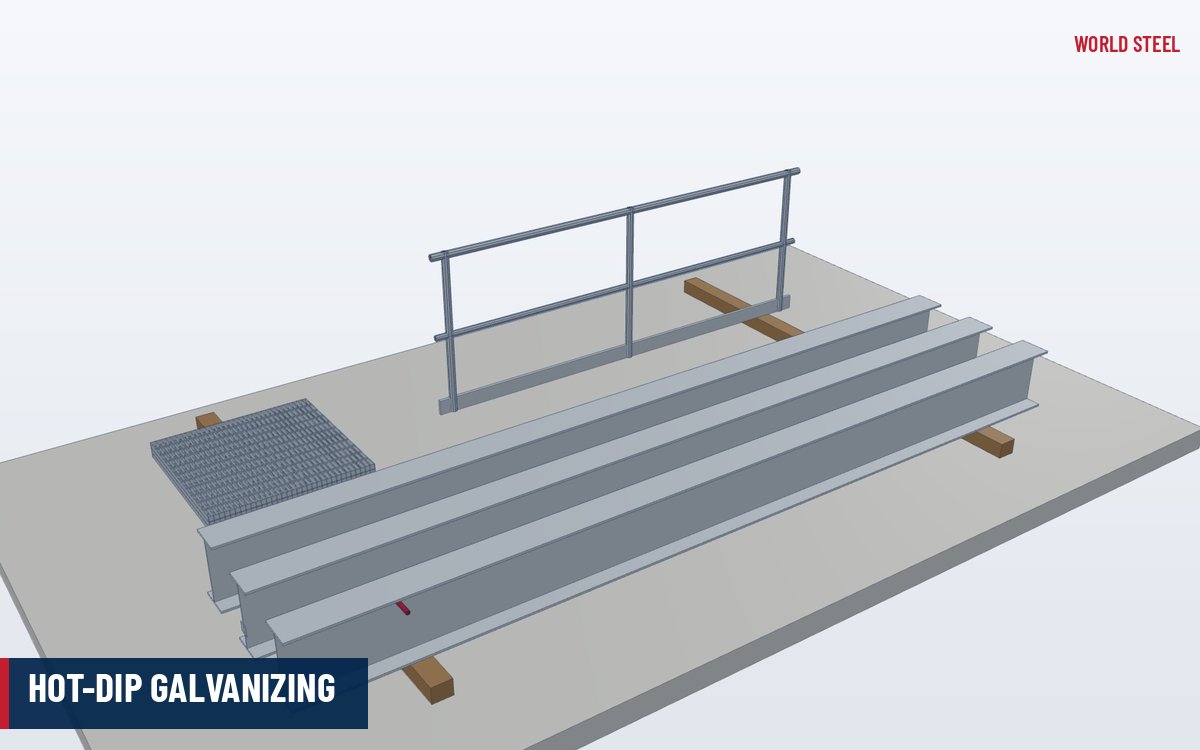
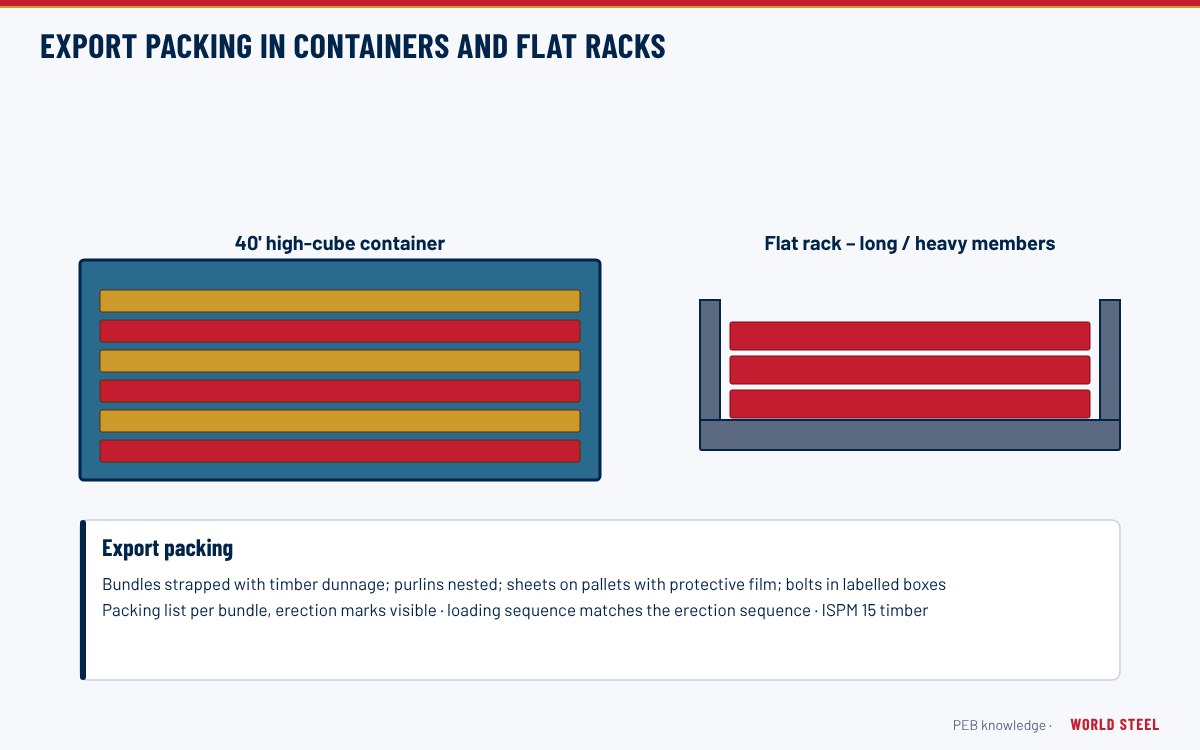
Mild steel panels and frames are hot-dip galvanised by qualified galvanisers – thin sheets are reviewed for distortion first – or painted to the specification. Architectural panels are powder-coated or, in aluminium, anodised by specialist finishers. Panels are interleaved and crated by elevation for export shipping.
Selecting and specifying
- Choose the hole shape, size, pitch and open area for the purpose – light, airflow, view, acoustics or a graphic – and request a sample.
- State material, thickness, panel sizes, margins, fold details and fixing method.
- Give wind or barrier loads and the code for openings where panels form a balustrade.
- Name the finish standard and colour; for image perforation, supply the artwork or DXF.
시장별 표준 및 요구사항
World Steel이 본 제품의 설계, 제작, 문서화에 적용하는 기준 – 그리고 각 시장의 주요 형상 및 하중 요구사항.
 미국
- ASCE 7Minimum design loads – wind, guard infill
- IBCInternational Building Code – guards and cladding
- ASTM C423Sound absorption – reverberation room method
- OSHA 29 CFR 1910.212Machine guarding
- ASTM A123Hot-dip galvanized coatings
- Guard openings
- Reject a 4 in sphere (IBC 1015.4)
- Infill load
- 50 lb on 1 ft² (ASCE 7)
 호주 / 뉴질랜드
- AS/NZS 1170.2Wind actions
- AS/NZS 1170.1Imposed actions – barrier infill
- NCC 2022Barriers and external wall rules
- AS 4024.1Safety of machinery – guarding
- AS/NZS 4680Hot-dip galvanized coatings
- Barrier openings
- Must not pass a 125 mm sphere (NCC 2022)
- Barrier height
- ≥ 1000 mm (NCC 2022)
 유럽
- EN 1991-1-4Wind actions
- EN 1991-1-1Imposed loads – barriers
- ISO 7806Perforated plates – codification of perforations
- EN ISO 13857Safety distances to prevent reaching danger zones
- EN 13501-1Reaction to fire classification
- Barrier openings
- Per national building regulations
- Guard openings
- Opening vs reach distance (EN ISO 13857)
참고용 요약입니다 – 프로젝트 시방서, 채택된 기준 판본 및 관할 기관의 요구가 우선합니다.
표면 처리
| 표면 처리 | 표준 / 비고 |
|---|---|
| Powder coat | AS 3715 (aluminium) · EN 12206-1 · AAMA 2603/2604/2605 |
| Hot-dip galvanised | AS/NZS 4680 · ASTM A123 · EN ISO 1461 |
| Anodised aluminium | AS 1231 · EN ISO 7599 · AAMA 611 |
| Stainless steel | EN 10088 · ASTM A240 – brushed or as rolled |
자주 묻는 질문
What open area should I choose?
It depends on the purpose: lower open areas give privacy and stiffness, higher ones more light and airflow. Most screens and facades fall between about 20 % and 50 %; we recommend checking a sample.
Can perforated panels be used as balustrade infill?
Yes, if the holes meet the local opening rule (for example the 125 mm sphere rule of the NCC) and the panel and fixings take the infill load. Small holes also stop climbing footholds.
Can you perforate a picture or logo?
Yes. Image perforation varies hole sizes to form a graphic; supply the artwork and we prepare the pattern with the perforator for approval before production.
Do perforated panels improve acoustics?
Only with an absorbent backing behind them. Acoustic performance belongs to the tested system and is confirmed with the system supplier.
 New Zealand
 United Arab Emirates
 AS/NZS 5131 CC3
 EN 1090 EXC3 · CE