ENEnglish
 VITiếng Việt
 ZH中文
 KO한국어
 JA日本語
 FRFrançais
 ITItaliano
 PTPortuguês
 ESEspañol
 HEעברית
 ARالعربية

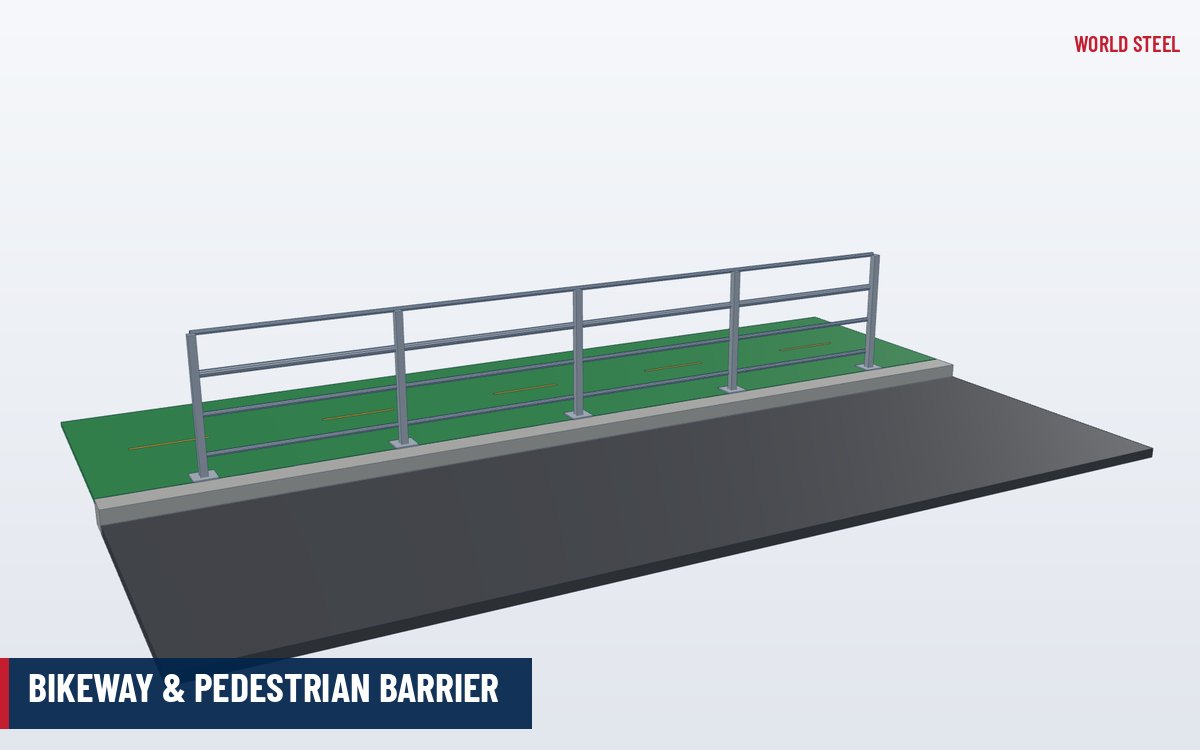
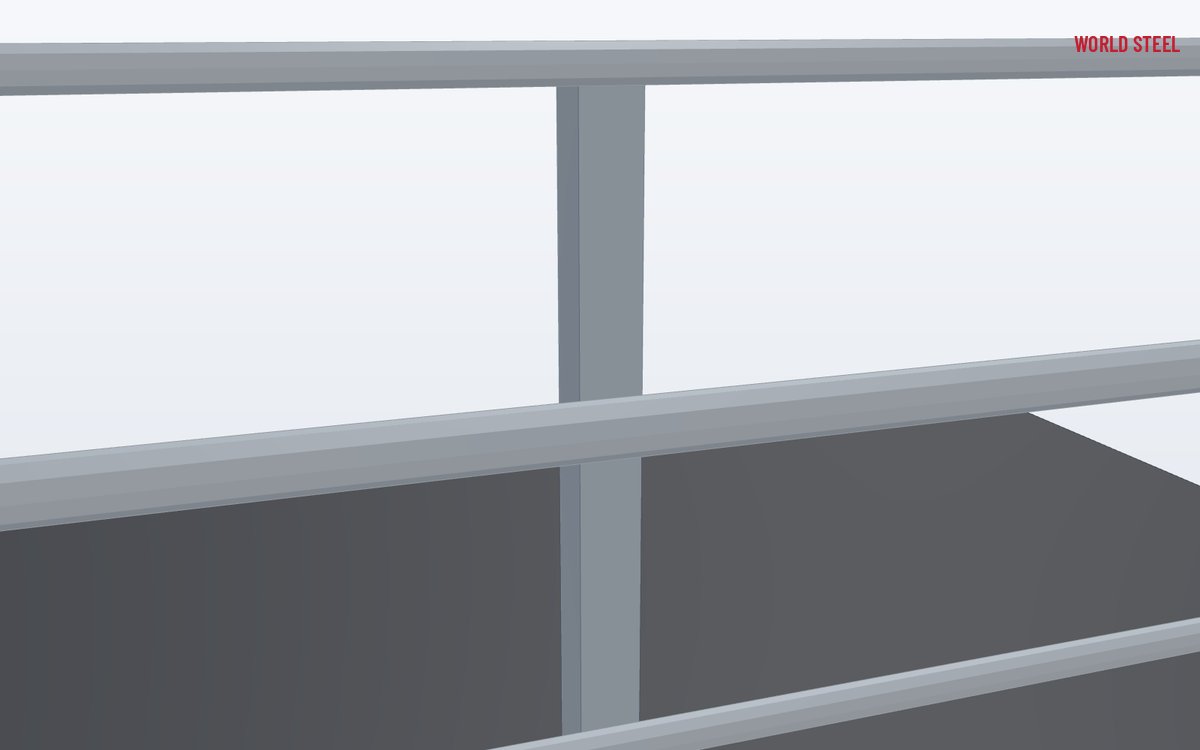
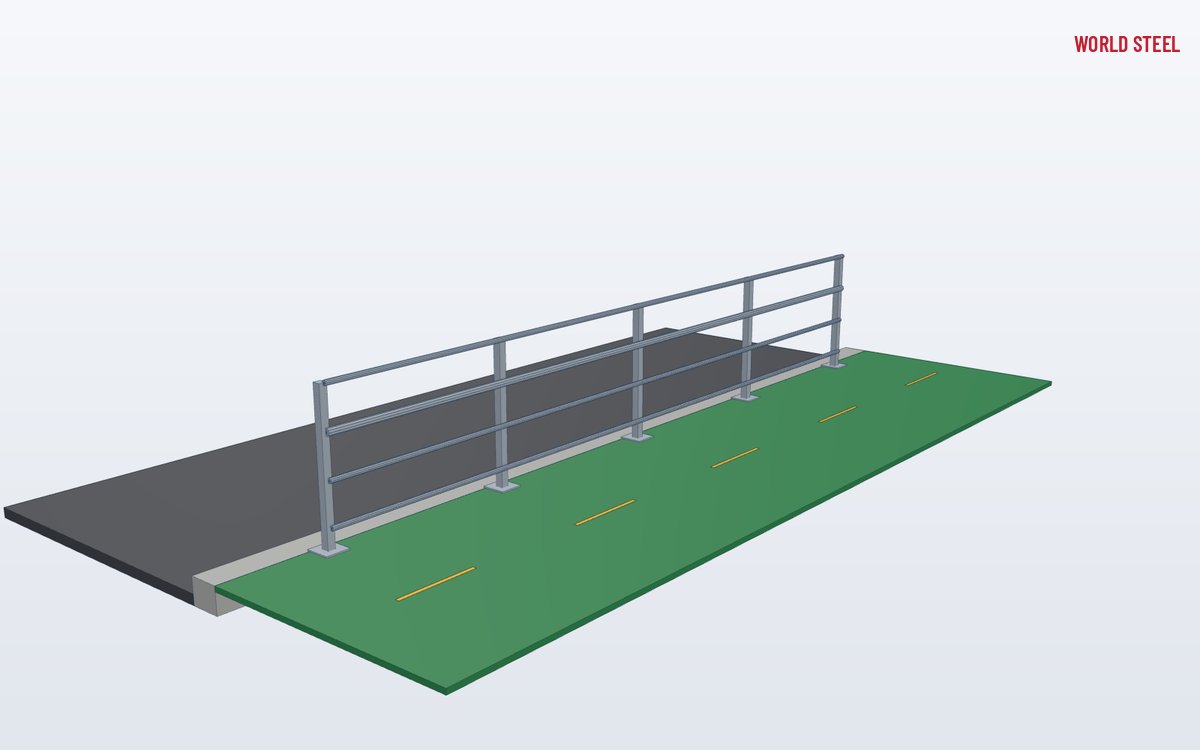
- Post-and-rail barrier for shared paths, cycleways and footbridges
- Rub rail at handlebar height, mesh or picket infill
- Height and loads to the road authority drawing
- Bolted panels – galvanised or duplex coated, no site welding
- Pedestrian and cyclist barrier – not a vehicle safety barrier
What it is
The WS-MH-700 bikeway and pedestrian barrier is a modular steel barrier for the edges of shared paths, cycleways, pedestrian bridges, boardwalks, underpasses and elevated ramps. It keeps people on bicycles and on foot from falling over a drop, steepening batter or retaining wall, and guides them along the path without snagging a pedal or handlebar. Posts are bolted to the deck, edge beam or footing, and factory-made rail and infill panels are bolted between them, so the barrier goes up quickly, in short possessions and without hot work over live traffic or waterways.
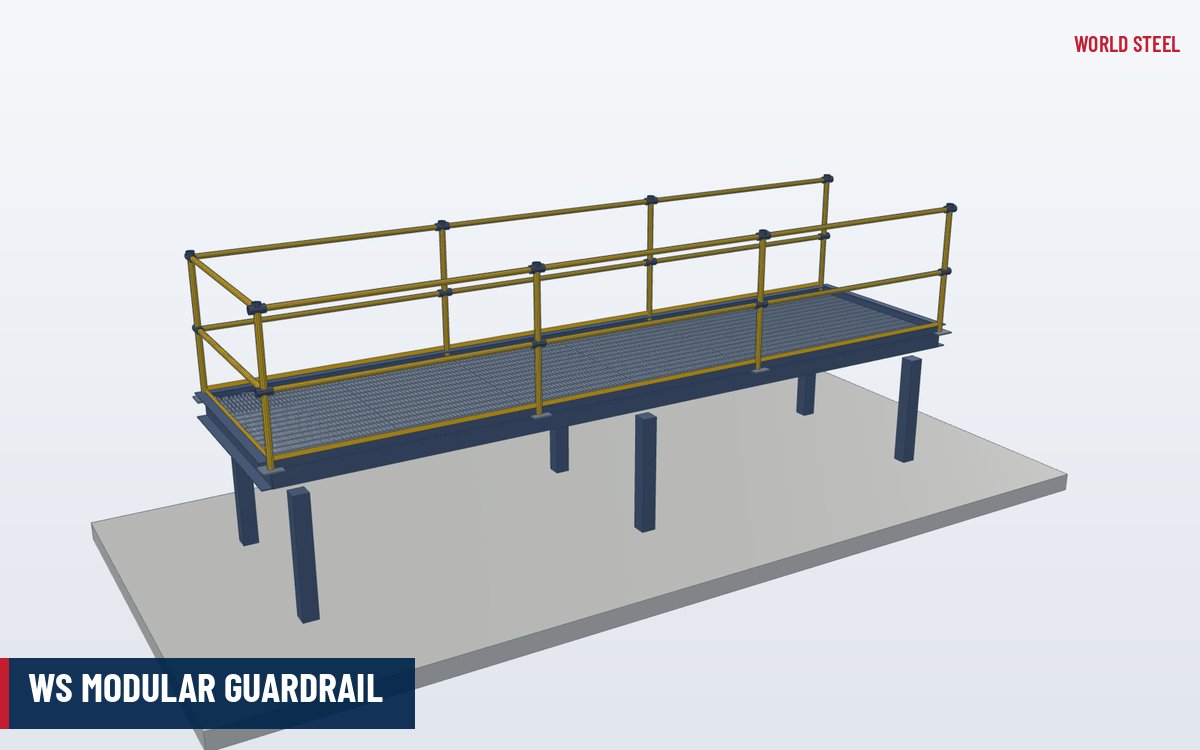
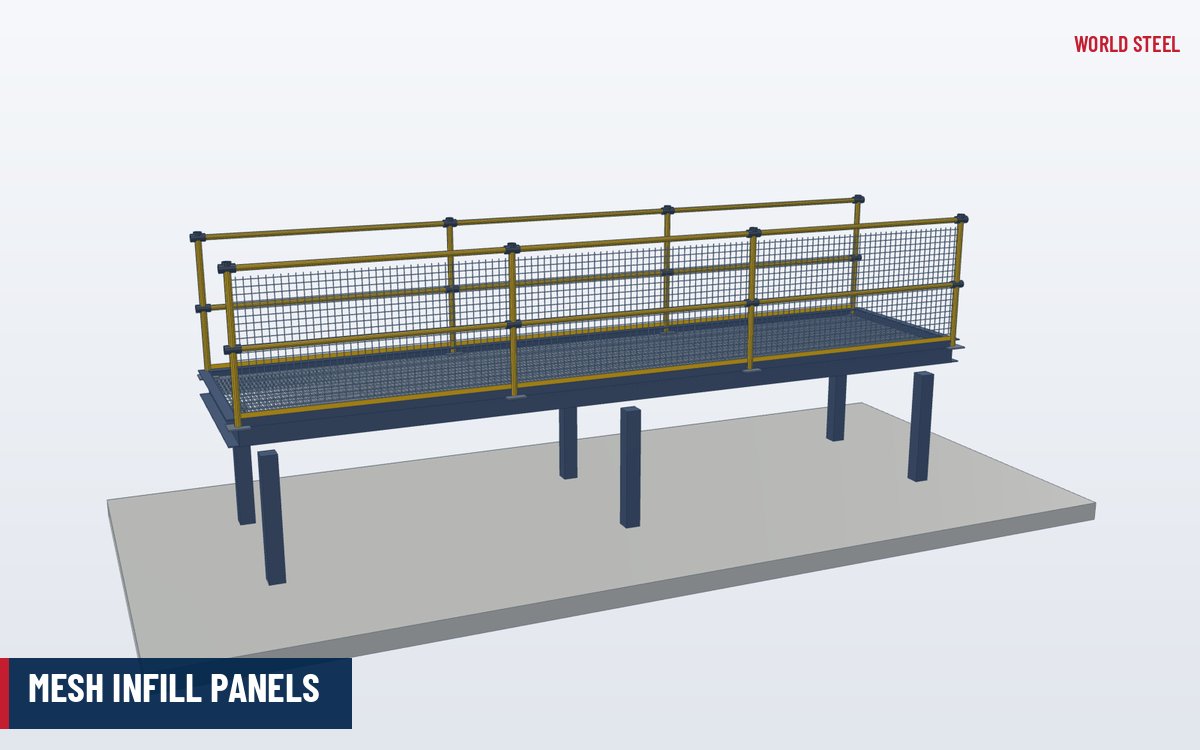
The system shares its fabrication logic with the WS modular guardrail and the mesh infill panels, but the geometry is set by transport and bridge rules rather than industrial access codes. It is often supplied with the steelwork of a pedestrian bridge and detailed in the same model.
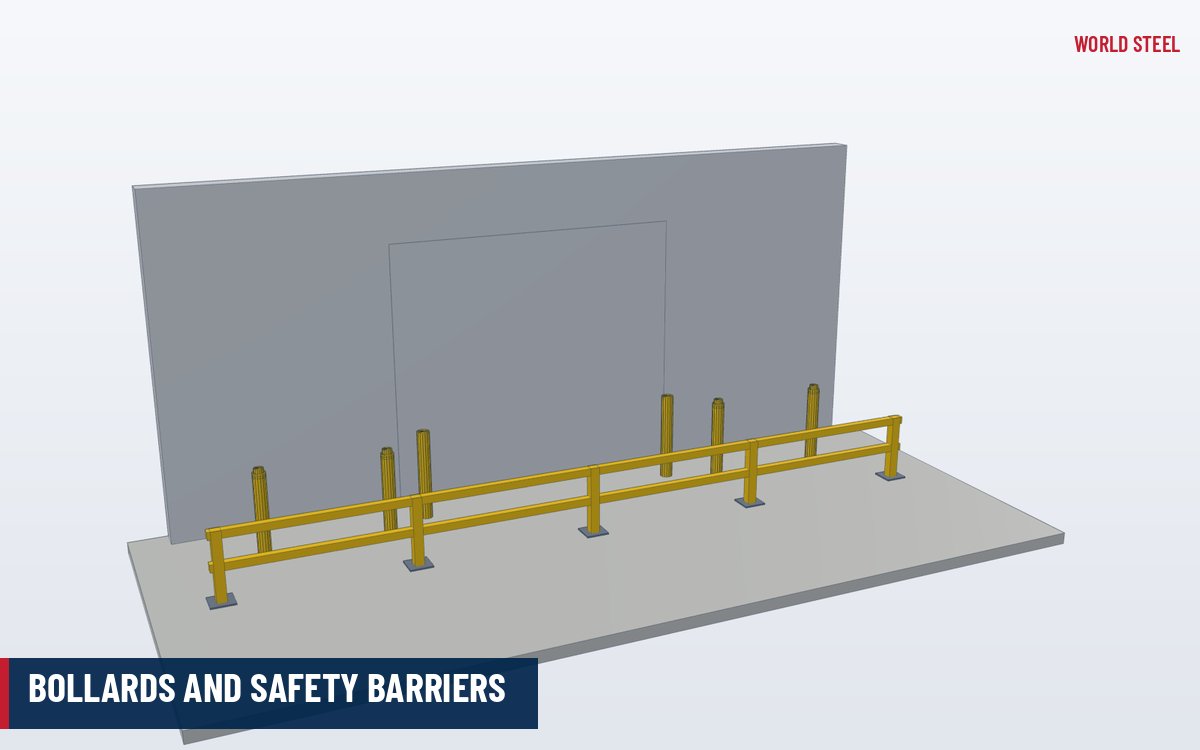
This is a pedestrian and cyclist barrier. It is not a road safety barrier and has no vehicle crash rating; where errant vehicles must be contained, a tested road safety barrier system is required, and World Steel fabricates such items only to the tested design supplied by the system owner (see bollards and barriers).
Types and options
Configurations are built from a small set of posts, rails and infill panels; the choice depends on the fall height, who uses the path and what the road or bridge authority drawing shows.
| Configuration | Description | Typical use |
|---|---|---|
| Rail barrier | Top rail, rub rail and intermediate rails | Paths beside batters and low drops |
| Mesh infill | Framed welded or expanded mesh panels | Bridges, high drops, railway overpasses |
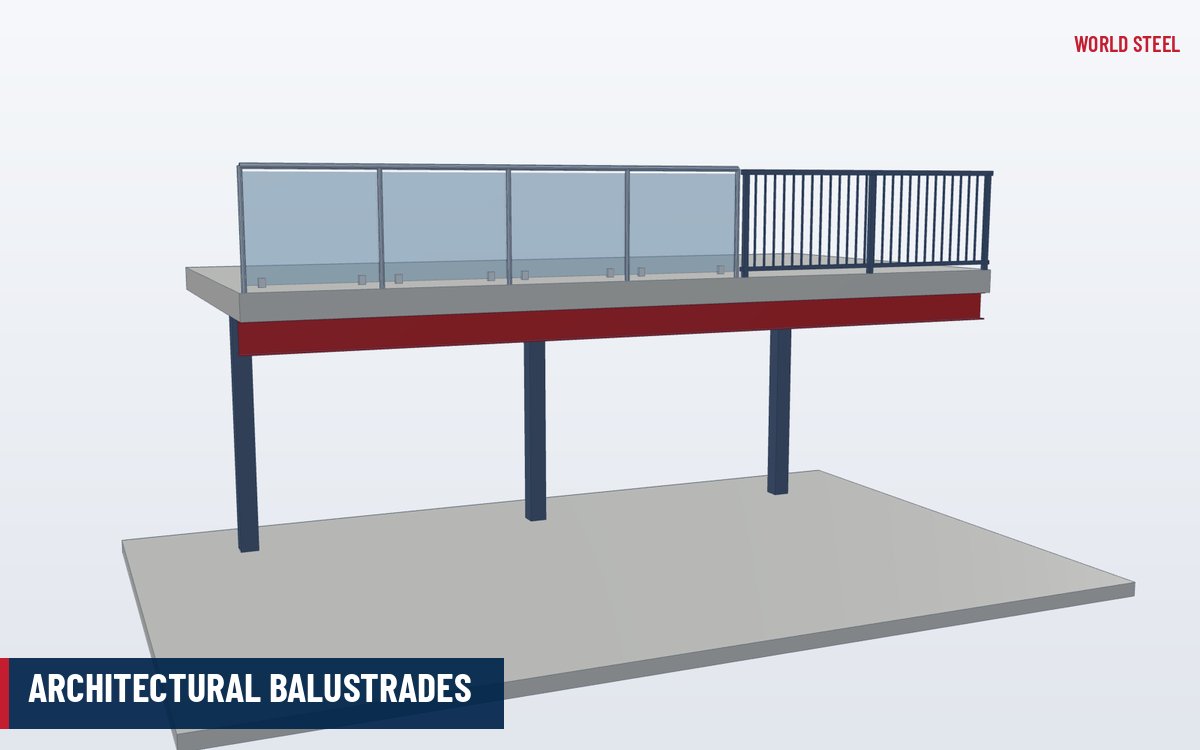
| Picket infill | Vertical flat bar or round pickets | Urban paths, parks and promenades |
| Throw screen | Taller mesh panels with return or curved top | Overpasses over roads or rail, to authority drawing |
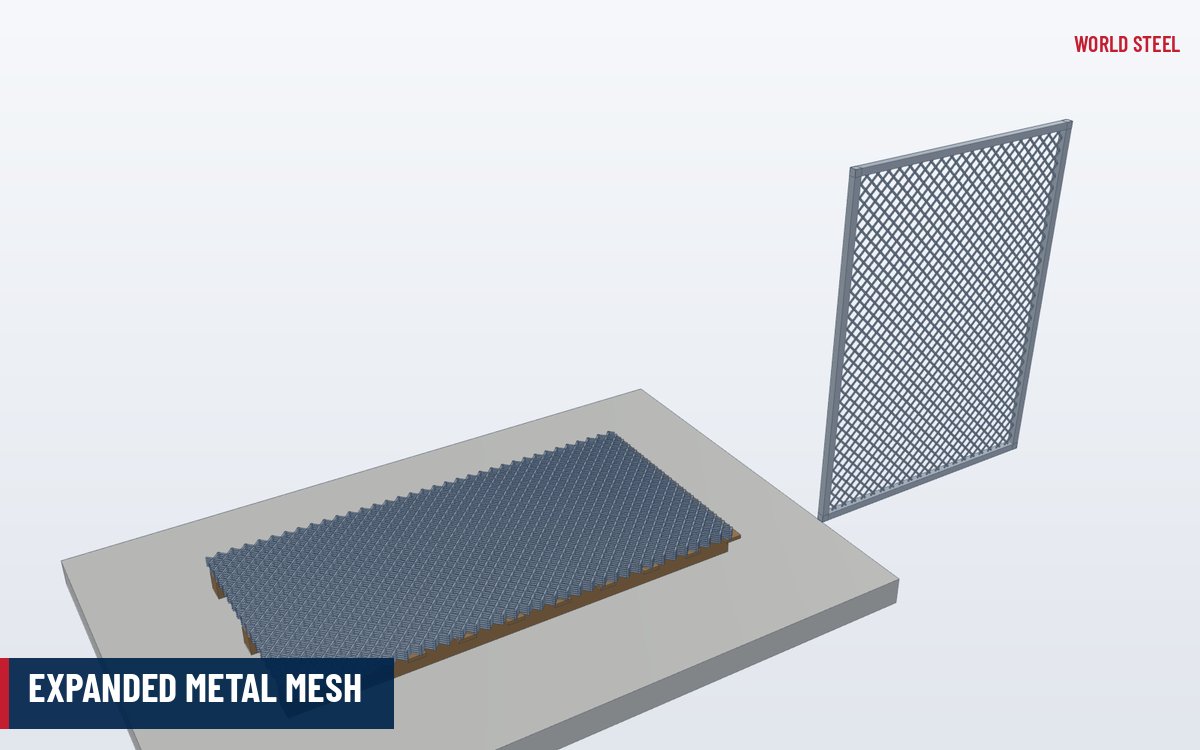
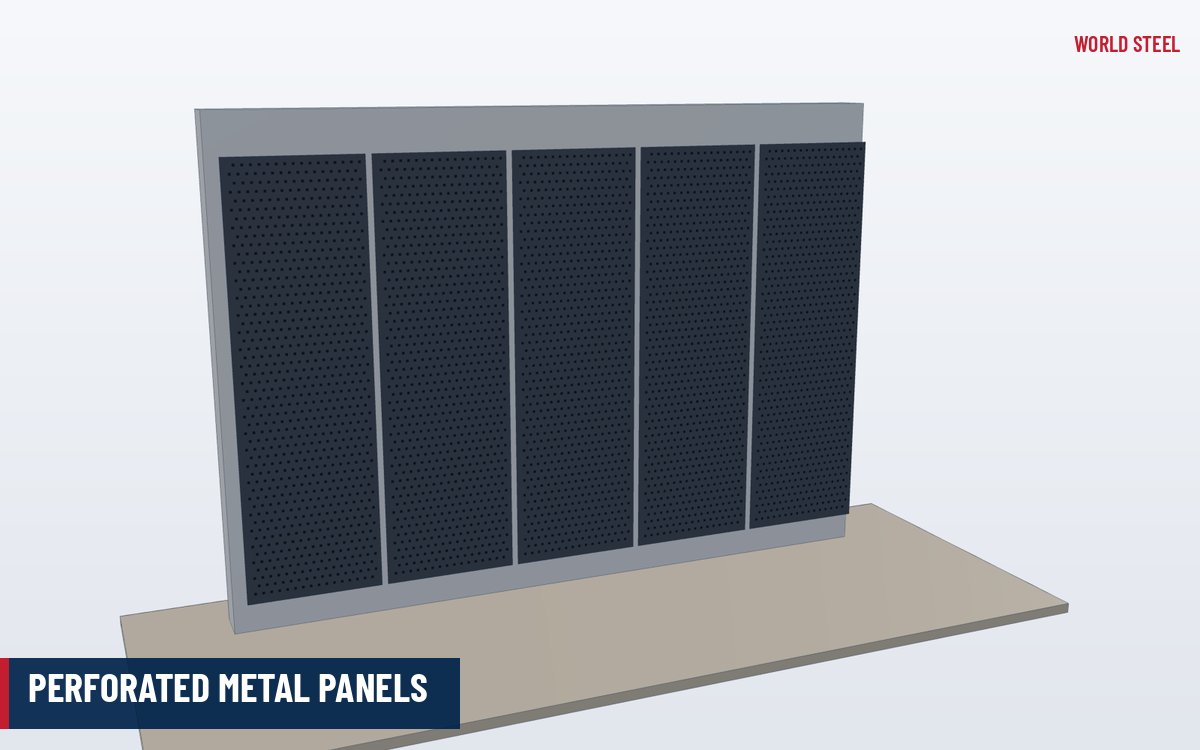
Options include a timber or composite capping rail, a kerb or toe rail at deck level, splice joints at bridge expansion joints, and removable or hinged bays for inspection access. Infill can be cut from expanded metal or perforated panels where an architectural finish is wanted.
Design and compliance
Barrier height comes from the path designer and the road authority's standard drawings. In Australia, Austroads guidance for paths for walking and cycling is the usual reference, and heights of about 1.2–1.4 m are common where cyclists could be thrown over the barrier; lower pedestrian heights apply elsewhere. A rub rail at handlebar height keeps bars and pedals off the infill, and openings are limited to the size the authority sets – often stricter on bridges and near schools.
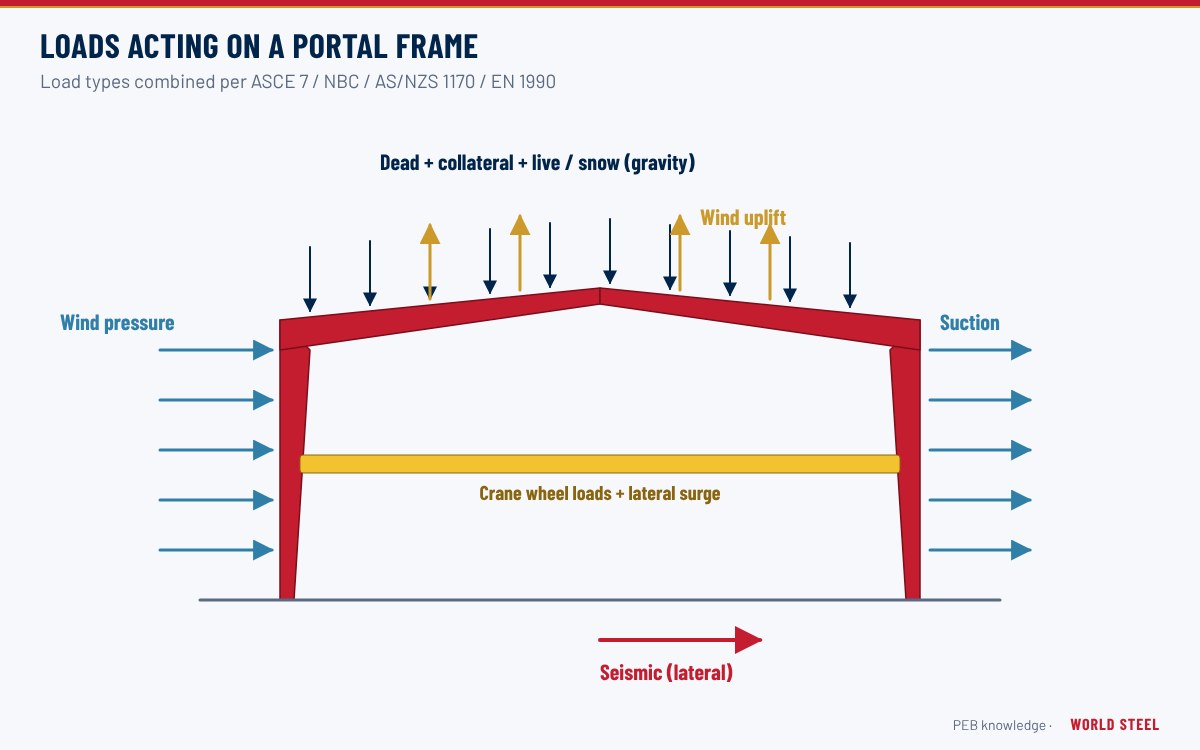
Loads depend on where the barrier stands. On paths and in buildings, barrier loads come from AS/NZS 1170.1, EN 1991-1-1 or ASCE 7; on bridges, AS 5100, EN 1991-2 or the AASHTO LRFD bridge specifications govern, with any crowd or maintenance loads the owner adds. Post spacing, post section and the anchor design are checked for the project or follow the engineer's design. Fixings into concrete are designed to AS 5216, EN 1992-4 or ACI 318 Chapter 17 – see design loads and foundation interfaces.
Fabrication and finishing at World Steel
Posts, base plates, rails, brackets and infill frames are cut, drilled and welded in the World Steel plant in Vietnam using qualified procedures under ISO 3834-2 and the AS/NZS 5131 and EN 1090-2 systems our certifications cover. Welded mesh and expanded mesh stock comes from specialist mills; World Steel cuts it, frames it and welds or bolts it into panels on jigs so that every bay repeats.
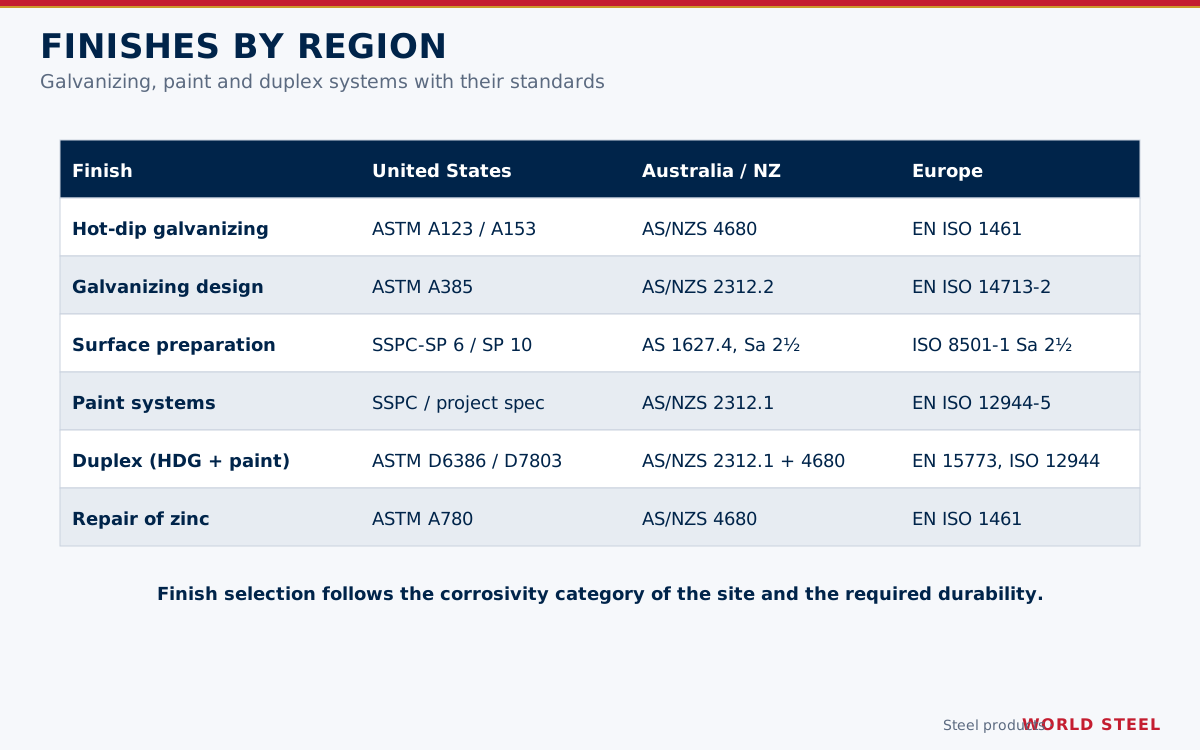
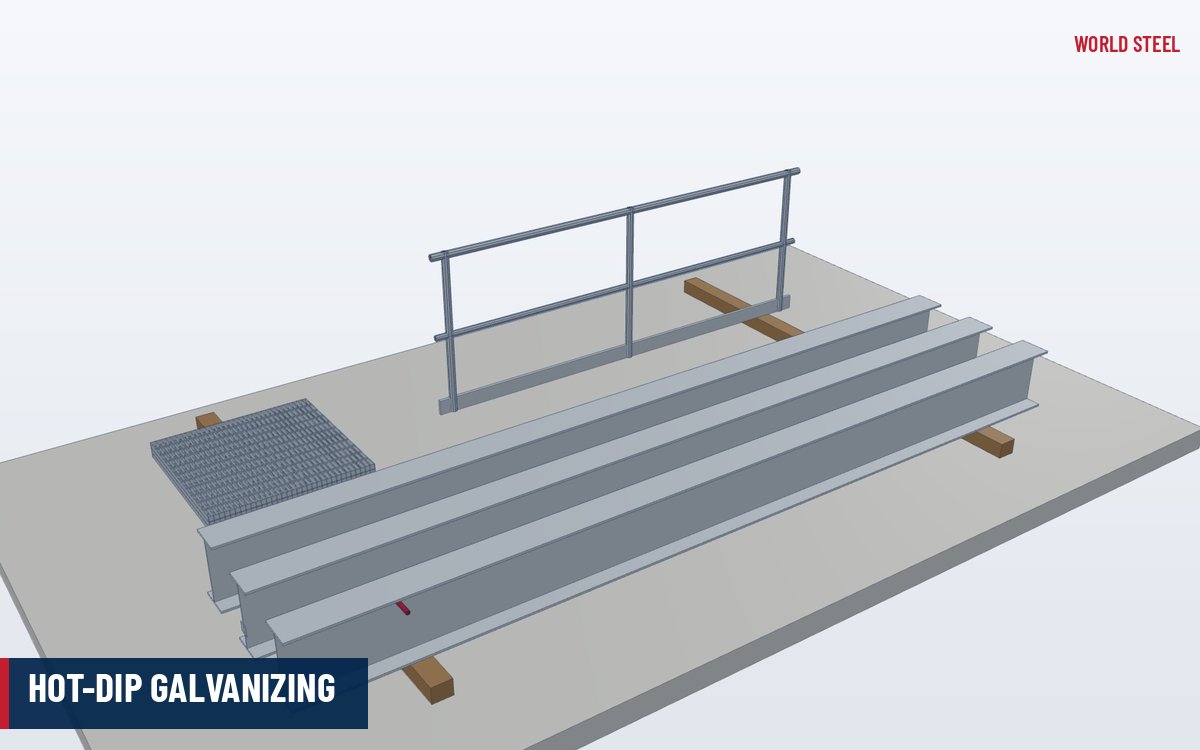
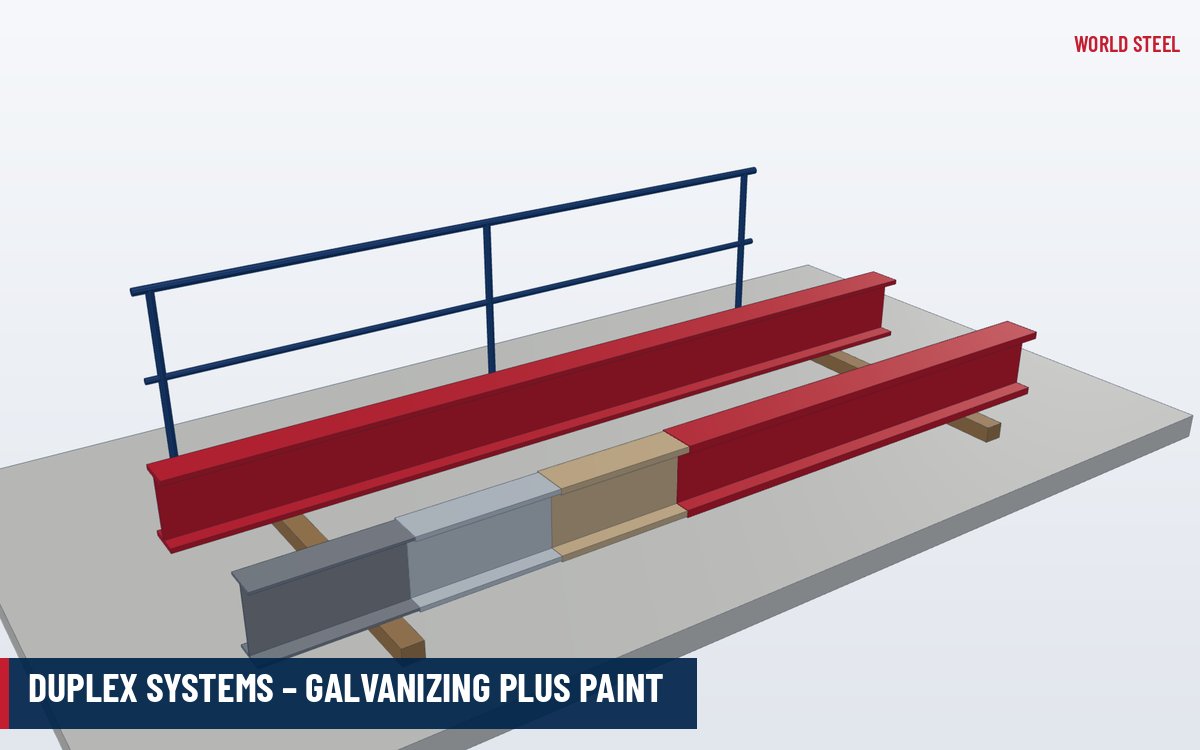
Components are hot-dip galvanised as single pieces by qualified galvanisers to AS/NZS 4680, ASTM A123 or EN ISO 1461, which suits coastal paths and bridges. A duplex powder coat or paint topcoat in the authority's colour can follow. Panels are marked by chainage or bay number and packed for export shipping.
Installation and specifying
- Survey the edge, set out post centres and drill or cast in the anchors; post-installed anchors need a design to the local concrete code.
- Stand and plumb the posts, then bolt in the rail and infill panels and fit the rub rail brackets.
- Provide slotted or sliding joints at structural expansion joints and at changes of grade.
- Specify height, infill type, opening limits, rub rail position, design loads, mounting detail, finish and colour, and the authority drawings that apply.
시장별 표준 및 요구사항
World Steel이 본 제품의 설계, 제작, 문서화에 적용하는 기준 – 그리고 각 시장의 주요 형상 및 하중 요구사항.
 미국
- AASHTO LRFDBridge design specifications – pedestrian and bicycle railings
- ASCE 7Minimum design loads – guard systems
- AWS D1.1Structural welding code – steel
- ASTM A123Hot-dip galvanized coatings
- ACI 318Anchoring to concrete (Chapter 17)
- Guard loads (paths, buildings)
- 50 lb/ft and 200 lb (ASCE 7)
- Height on bridges
- Per AASHTO LRFD and owner standard drawings
 호주 / 뉴질랜드
- AustroadsGuide to Road Design – paths for walking and cycling
- AS 5100Bridge design – loads on bridge barriers
- AS/NZS 1170.1Imposed actions – barrier loads
- AS/NZS 5131 WSC 인증 보유Fabrication and erection of structural steelwork
- AS/NZS 4680Hot-dip galvanized coatings
- Height where cyclists at risk
- Commonly 1.2–1.4 m (Austroads guidance / authority)
- Barrier loads
- Per AS/NZS 1170.1 Table 3.3 or AS 5100
 유럽
- EN 1991-2Traffic loads on bridges, incl. footbridges
- EN 1991-1-1Imposed loads – barriers
- EN 1090-2 WSC 인증 보유Execution of steel structures
- EN ISO 1461Hot-dip galvanized coatings
- EN 1992-4Fastenings in concrete
- Height and openings
- Per national road / bridge authority rules
- Execution class
- Set by the designer (EN 1090-2)
참고용 요약입니다 – 프로젝트 시방서, 채택된 기준 판본 및 관할 기관의 요구가 우선합니다.
표면 처리
| 표면 처리 | 표준 / 비고 |
|---|---|
| Hot-dip galvanised (standard) | AS/NZS 4680 · ASTM A123 · EN ISO 1461 |
| Duplex – HDG + powder coat | Galvanised, then polyester powder coat in the authority colour |
| Duplex – HDG + paint system | AS/NZS 2312.1 · EN ISO 12944 · ASTM A123 + topcoat |
자주 묻는 질문
How high should a bikeway barrier be?
As shown on the road or bridge authority drawing. In Australia, heights of about 1.2–1.4 m are common where cyclists are at risk of going over the barrier, following Austroads guidance; tell us the authority and we detail to its standard.
Can it stop a vehicle?
No. WS-MH-700 is a pedestrian and cyclist barrier with no crash rating. Vehicle containment needs a tested road safety barrier system.
Can it be fixed to a footbridge we are also buying from World Steel?
Yes – the barrier is usually detailed in the same model as the bridge steel, with fixing holes or cleats on the edge members and splices at the expansion joints.
Which finish suits a coastal path?
Hot-dip galvanising as a minimum; a duplex powder coat or paint system adds colour and further durability in marine air.
 New Zealand
 AS/NZS 5131 CC3
 EN 1090 EXC3 · CE