ENEnglish
 VITiếng Việt
 ZH中文
 KO한국어
 JA日本語
 FRFrançais
 ITItaliano
 PTPortuguês
 ESEspañol
 HEעברית
 ARالعربية

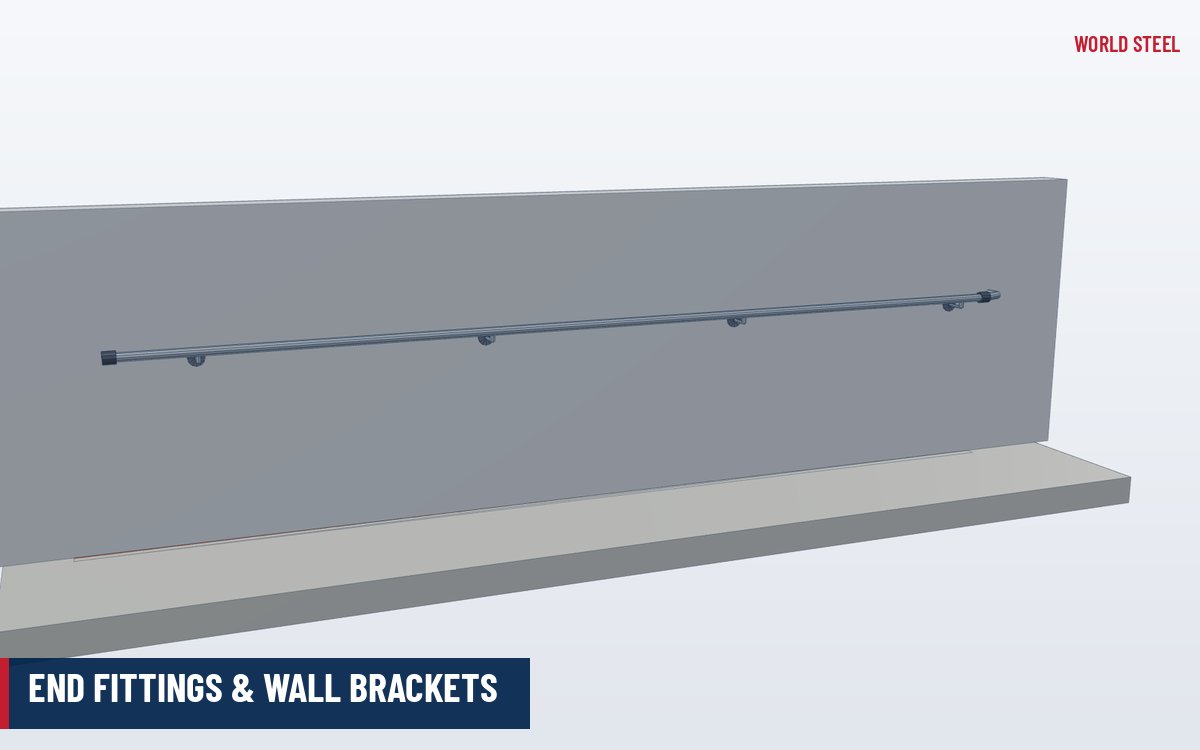
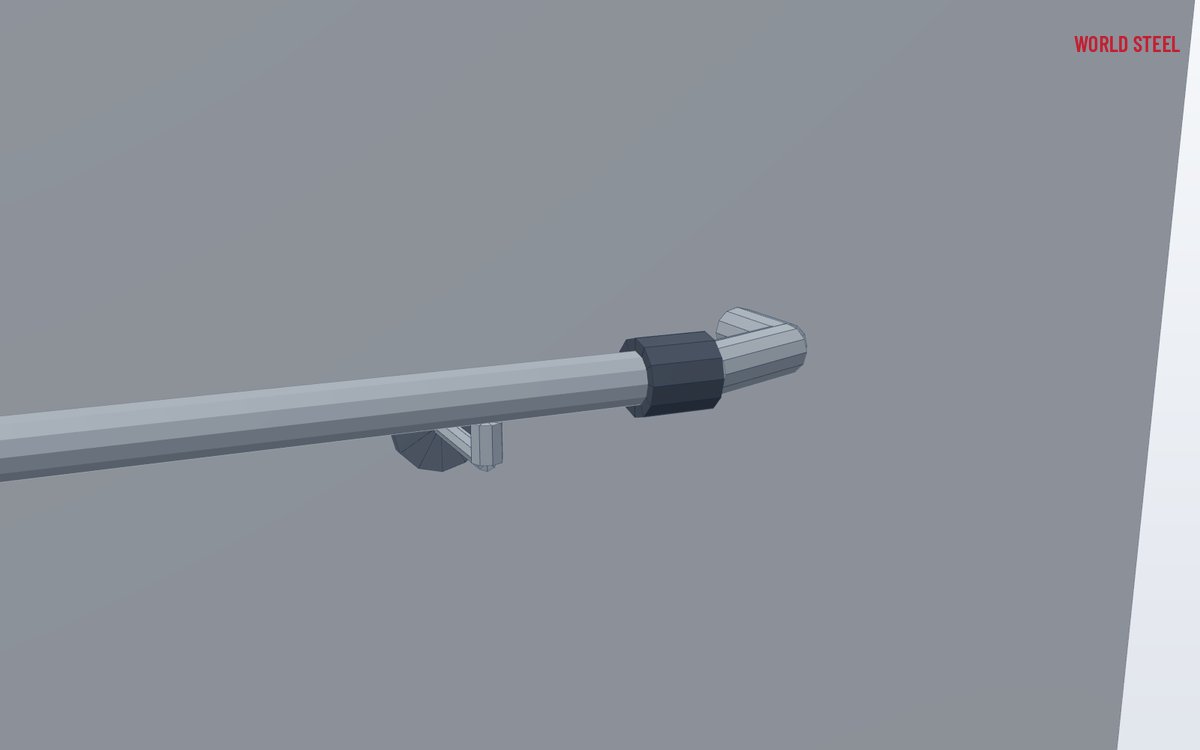
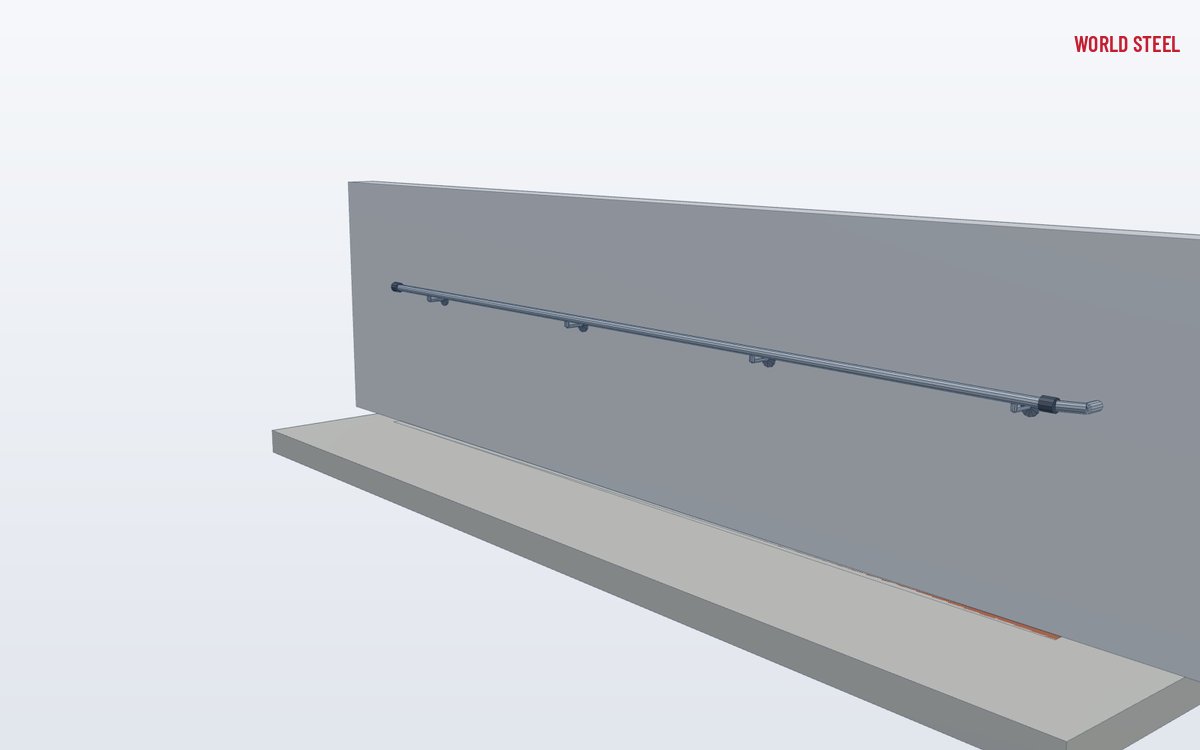
- End caps, returns and wall flanges
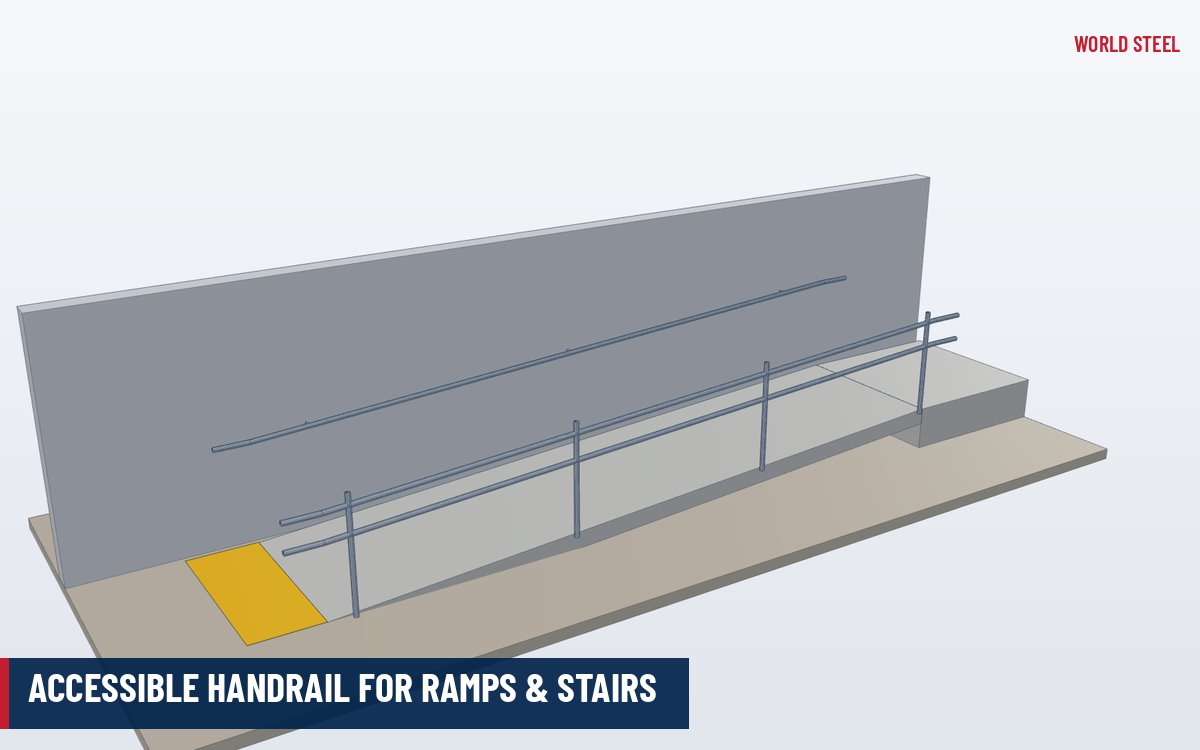
- Wall brackets for stairs and ramps
- Closes open rail ends safely
- Matches WS rails and fittings
- Galvanized or powder-coated
What it is
Every handrail run has ends – at walls, at stair foots, at openings – and those ends must be closed so they cannot catch sleeves or bags. WS end fittings close a rail with a cap, turn it down or back with a return, or fix it to a wall with a flange. Wall brackets carry single handrails on the wall side of stairs, ramps and corridors.
Range
| Code | Fitting | Use |
|---|---|---|
| WS-MH-E1 | End cap | Closes an open rail end |
| WS-MH-E2 | Return (90° / 180°) | Turns the rail end down or back |
| WS-MH-E3 | Wall flange | Fixes a rail end to a wall |
| WS-MH-E4 | Wall bracket | Carries a wall-side handrail |
| WS-MH-E5 | Rail-to-wall adjustable bracket | Uneven or angled walls |
Design and compliance
Codes require handrails to be graspable and continuous with no projecting ends: the clearance between a wall handrail and the wall, the end treatment and the handrail height on stairs are set by OSHA 1910.29, AS 1657 / NCC and EN ISO 14122-3. Wall brackets are fixed with anchors suited to the wall – concrete, masonry or steel.
Installation and selection
- Fix wall brackets with anchors suited to the wall, then fit the rail and returns.
- Close all open ends with caps or returns before handover.
- Order by code with rail OD and wall type.
Fabrication and finishing at World Steel
Every WS modular handrail component is made in the World Steel plant in Vietnam: tube and bar are cut on saws to the component schedule, stanchions are welded to base plates, brackets or socket spigots on jigs so that rail heights repeat exactly, and fittings are fabricated from heavy-wall tube and plate, drilled and tapped for their locking screws. Welding follows qualified procedures under ISO 3834-2 and the AS/NZS 5131 and EN 1090-2 systems our certifications cover.
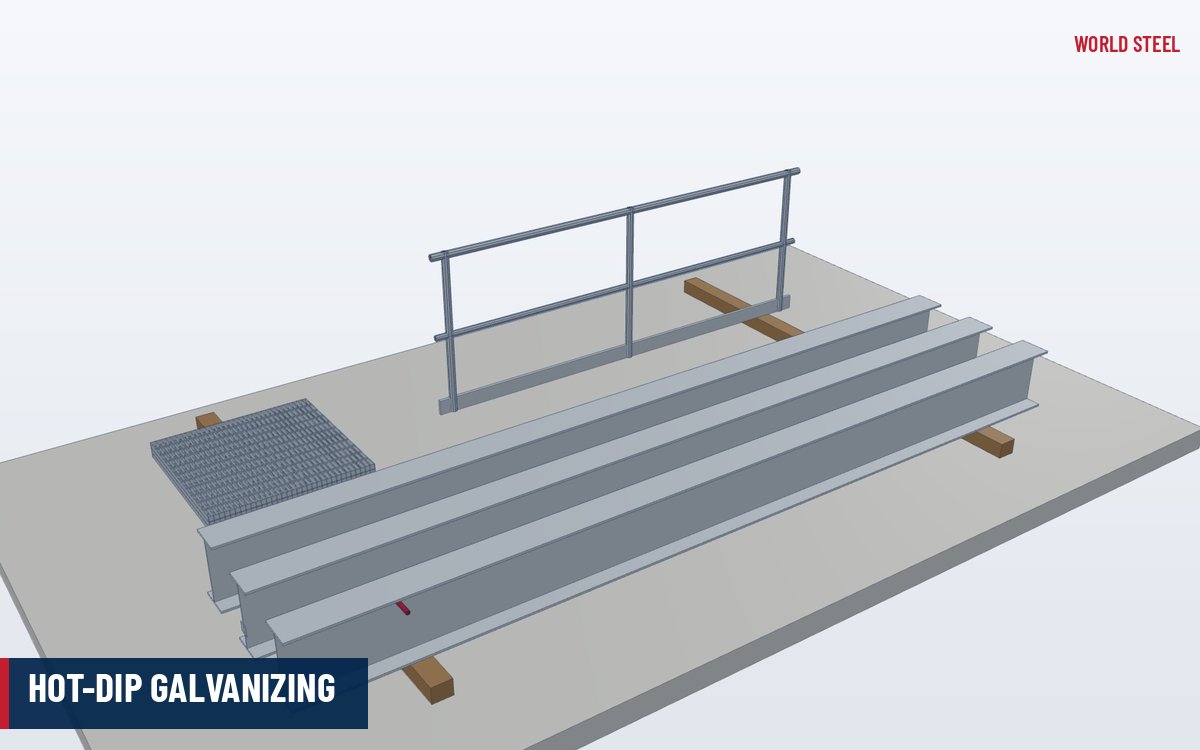
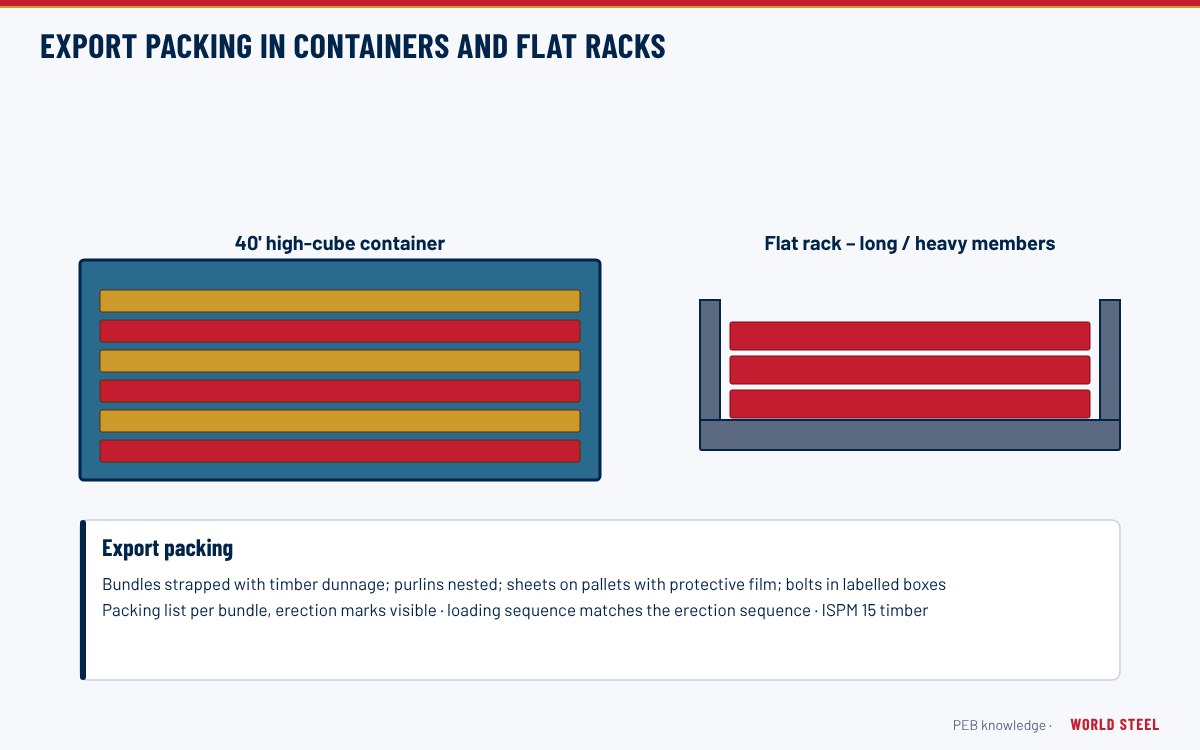
Components are then hot-dip galvanized as single pieces – which is only possible because the system is modular – giving full internal and external zinc coverage with no site welds to repair afterwards. A safety-yellow or architectural topcoat can follow. Parts are marked with their WS code, bagged by type and packed by area for export shipping, together with the structural steel or on their own.
시장별 표준 및 요구사항
World Steel이 본 제품의 설계, 제작, 문서화에 적용하는 기준 – 그리고 각 시장의 주요 형상 및 하중 요구사항.
 미국
- OSHA 29 CFR 1910.29Fall protection systems – guardrails
- ASCE 7Minimum design loads – guard systems
- IBCInternational Building Code – guards
- ASTM A123Hot-dip galvanized coatings
- Top rail height
- 42 in ± 3 in (OSHA 1910.29(b))
- Rail loads
- Top 200 lbf, mid 150 lbf (OSHA 1910.29(b))
- Max opening
- 19 in (OSHA 1910.29(b))
 호주 / 뉴질랜드
- AS 1657-2018Fixed platforms, walkways, stairways and ladders
- AS/NZS 1170.1Imposed actions – barrier loads
- AS/NZS 5131 WSC 인증 보유Fabrication and erection of structural steelwork
- AS/NZS 4680Hot-dip galvanized coatings
- Guardrail height
- 900–1100 mm (AS 1657)
- Toe board
- ≥ 100 mm where required (AS 1657)
 유럽
- EN ISO 14122-3Stairs, stepladders and guard-rails
- EN 1991-1-1Imposed loads – barriers
- EN 1090-2 WSC 인증 보유Execution of steel structures
- EN ISO 1461Hot-dip galvanized coatings
- Guard-rail height
- ≥ 1100 mm (EN ISO 14122-3)
- Rail gaps
- ≤ 500 mm (EN ISO 14122-3)
- Toe-plate
- ≥ 100 mm (EN ISO 14122-3)
참고용 요약입니다 – 프로젝트 시방서, 채택된 기준 판본 및 관할 기관의 요구가 우선합니다.
표면 처리
| 표면 처리 | 표준 / 비고 |
|---|---|
| Hot-dip galvanized (standard) | ASTM A123 / A153 · AS/NZS 4680 · EN ISO 1461 |
| Duplex – HDG + safety-yellow topcoat | ASTM A123 + topcoat · AS/NZS 4680 + AS/NZS 2312.1 · EN ISO 1461 + EN ISO 12944 |
| HDG + powder coat (architectural colours) | Galvanized, then polyester powder coat for visible public areas |
자주 묻는 질문
Is an end cap enough at an open end?
On guardrails, often yes; on stair handrails codes usually prefer a return to the wall or down to the post.
Can wall brackets be fixed to masonry?
Yes, with anchors suited to the masonry – we supply them in the fixing kit.
 AS/NZS 5131 CC3
 EN 1090 EXC3 · CE