ENEnglish
 ZH中文
 KO한국어
 JA日本語
 FRFrançais
 ITItaliano
 PTPortuguês
 ESEspañol
 HEעברית
 ARالعربية

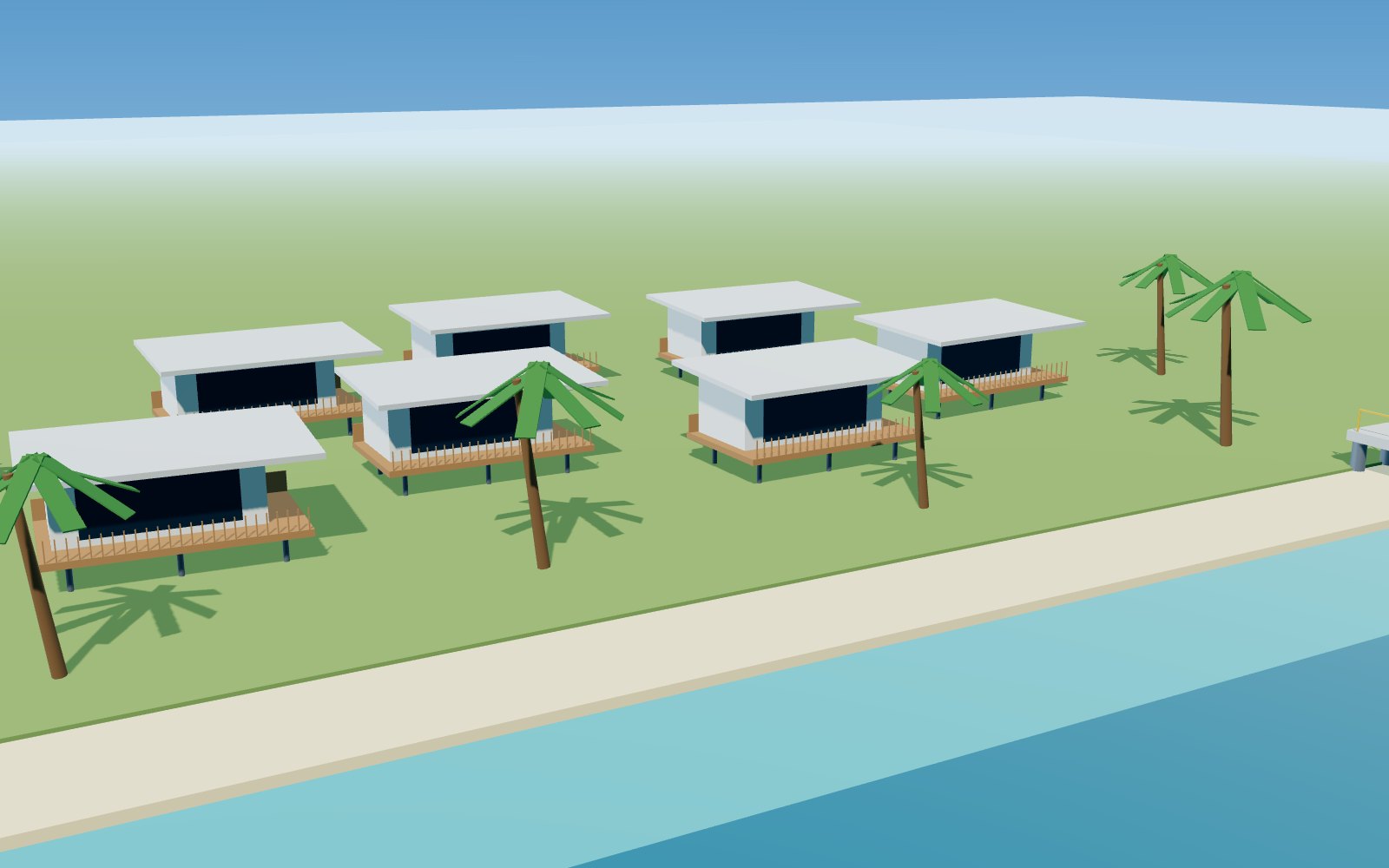 hospitality
Resorts & villas
Steel-framed villas, restaurants and service buildings on stilts or slabs – light frames, large openings and storm-rated roofs.
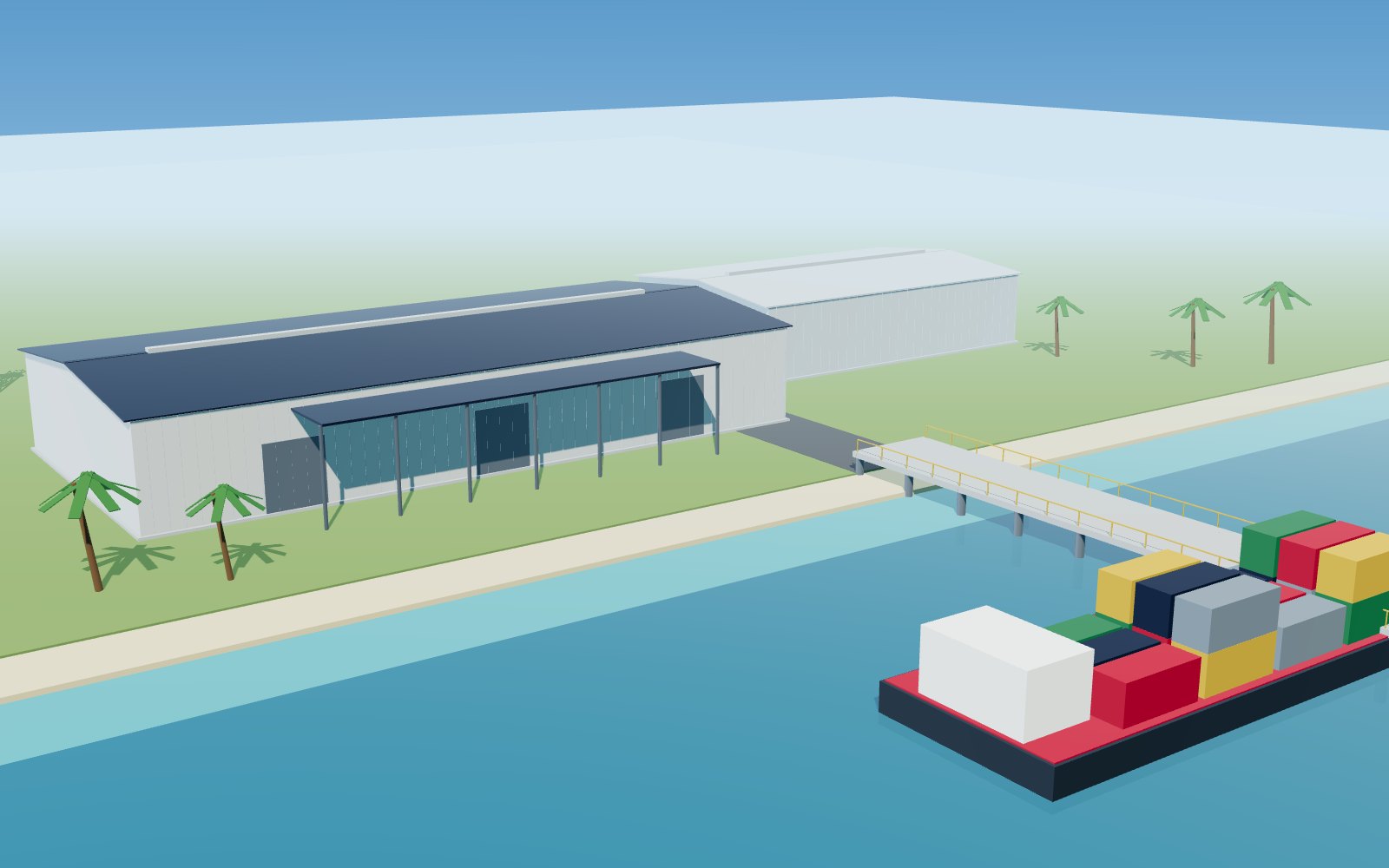
Solution · Coastal & island projects
One supply chain for projects by the sea and on islands: steel designed for typhoon winds, protected against salt air to ISO 12944, fabricated and trial-assembled in our factory, packed for the sea crossing and sized for the island jetty – then bolted together on site with a small crew.
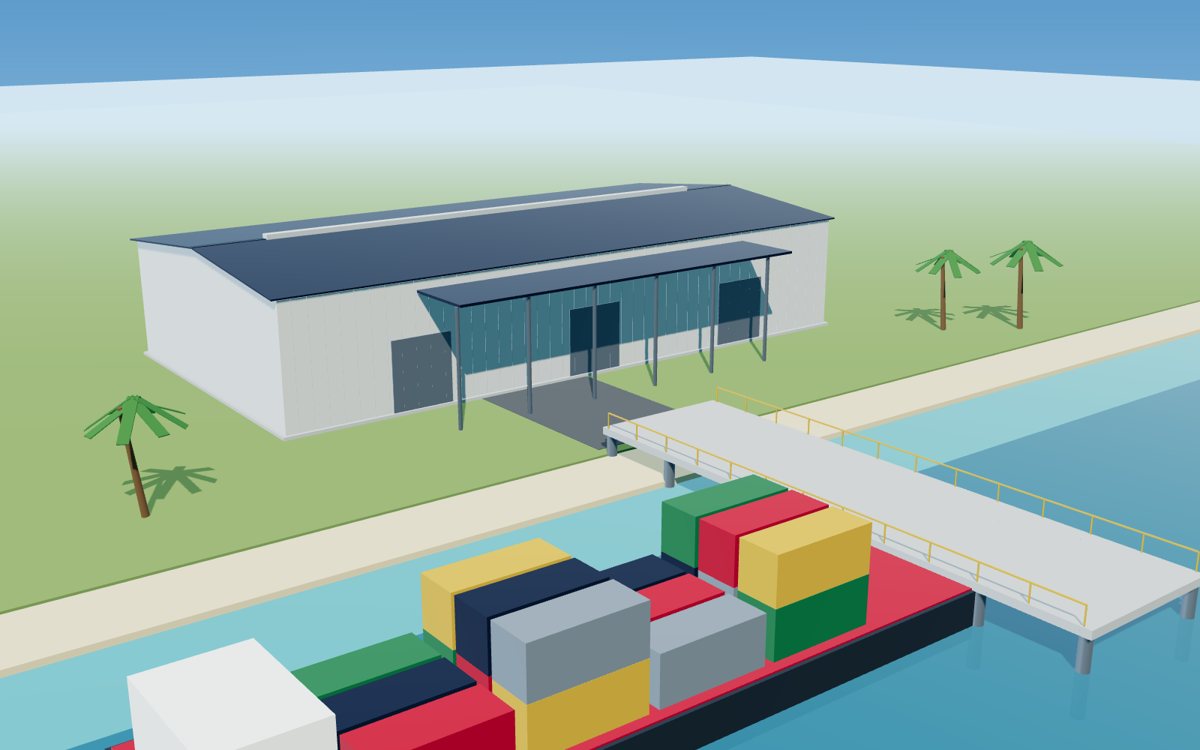
Salt-laden air, high humidity and sea spray attack steel many times faster than an inland climate; typhoons and cyclones load roofs, walls and connections far beyond normal design winds; and on an island every tonne, every crane and every worker has to cross the water first.
A coastal or island project succeeds when these three problems are solved together, from the first sketch. We design for the corrosivity category and the design wind of the site, choose coatings and fasteners that last in salt air, and plan fabrication, packing and shipment around the vessel, the jetty and the cranes available on the island – one team, one supply chain, one point of responsibility.
What we build
From resort villas to port warehouses – each designed for its exposure, its wind and its route to site.
hospitality
Steel-framed villas, restaurants and service buildings on stilts or slabs – light frames, large openings and storm-rated roofs.
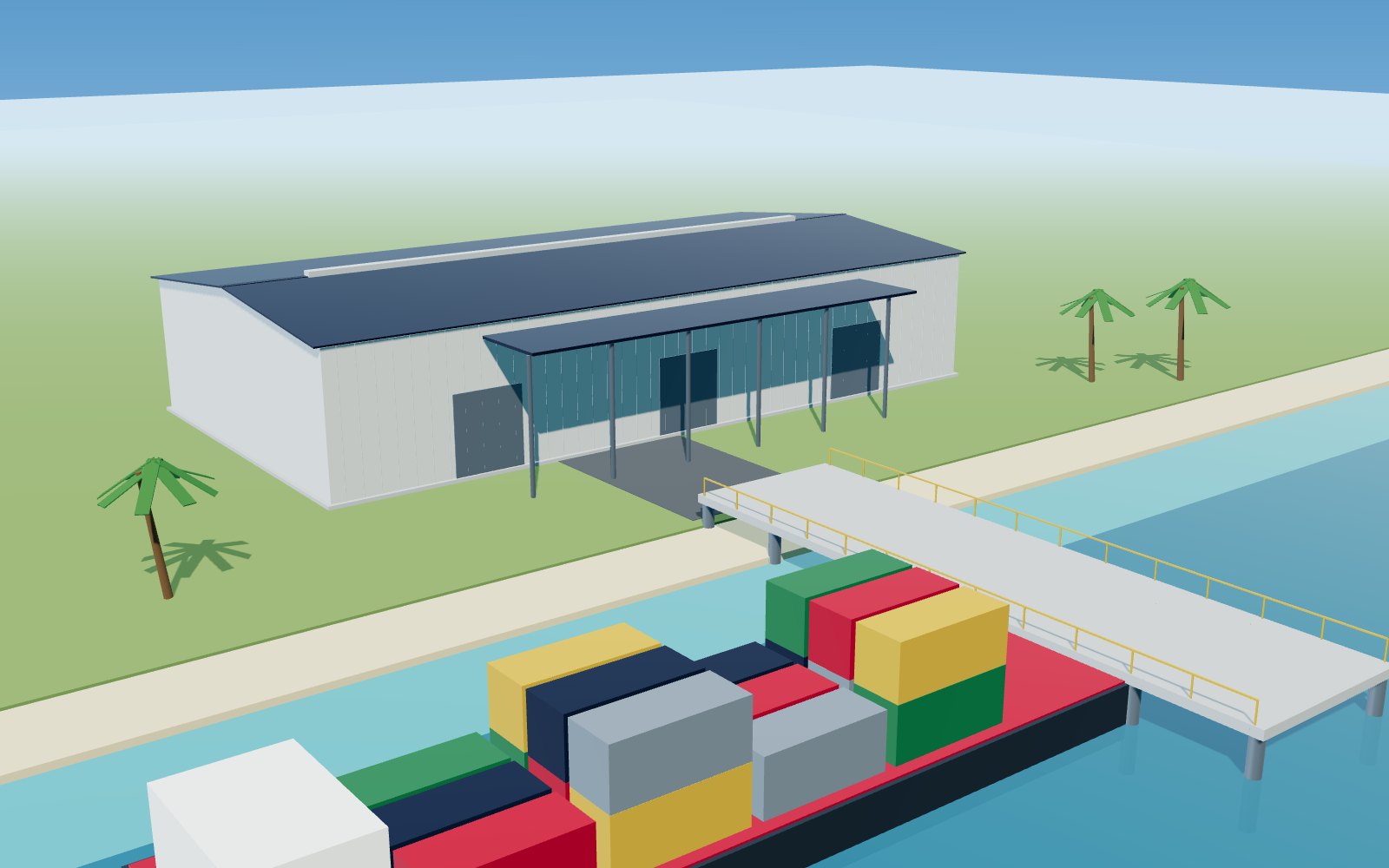 logistics
Warehouses, ferry terminals and cargo sheds with wide spans, canopies and doors rated for typhoon pressures.
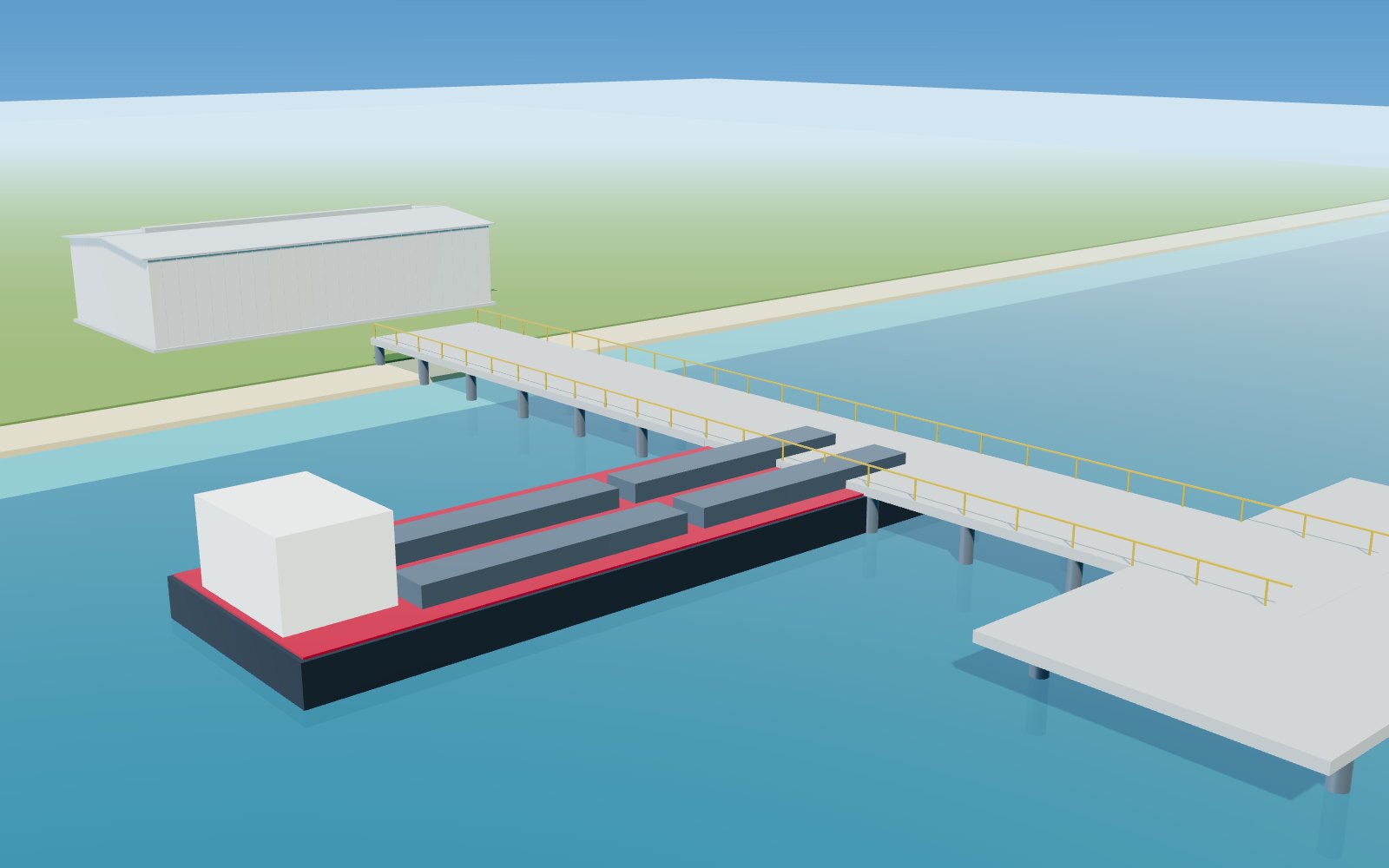 splash zone
Pile caps, deck steel, walkways, handrails and platforms – protected for the splash zone and sea-water immersion.
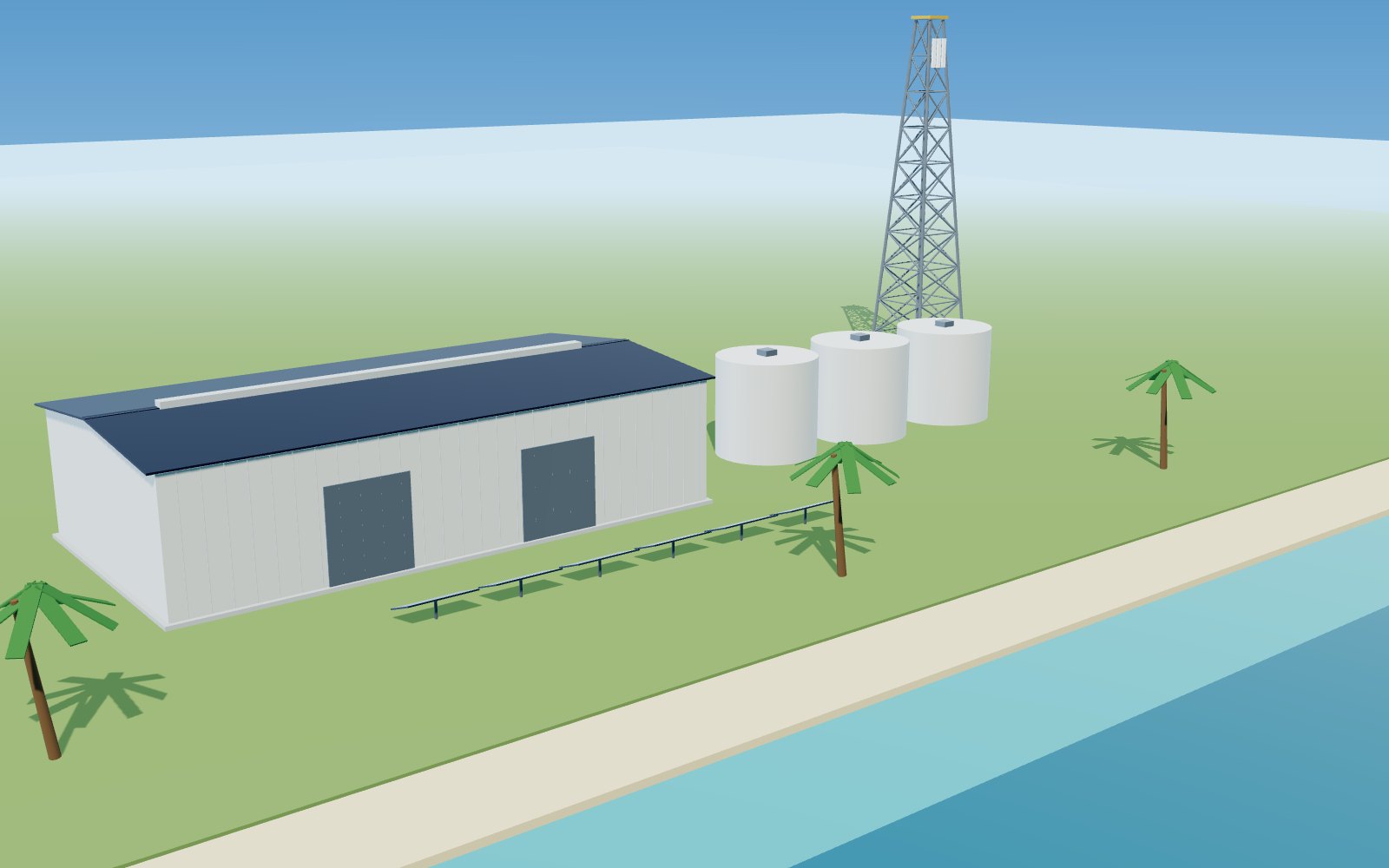 utilities
Generator halls, desalination and water-treatment buildings, tank supports, solar structures and lattice towers.
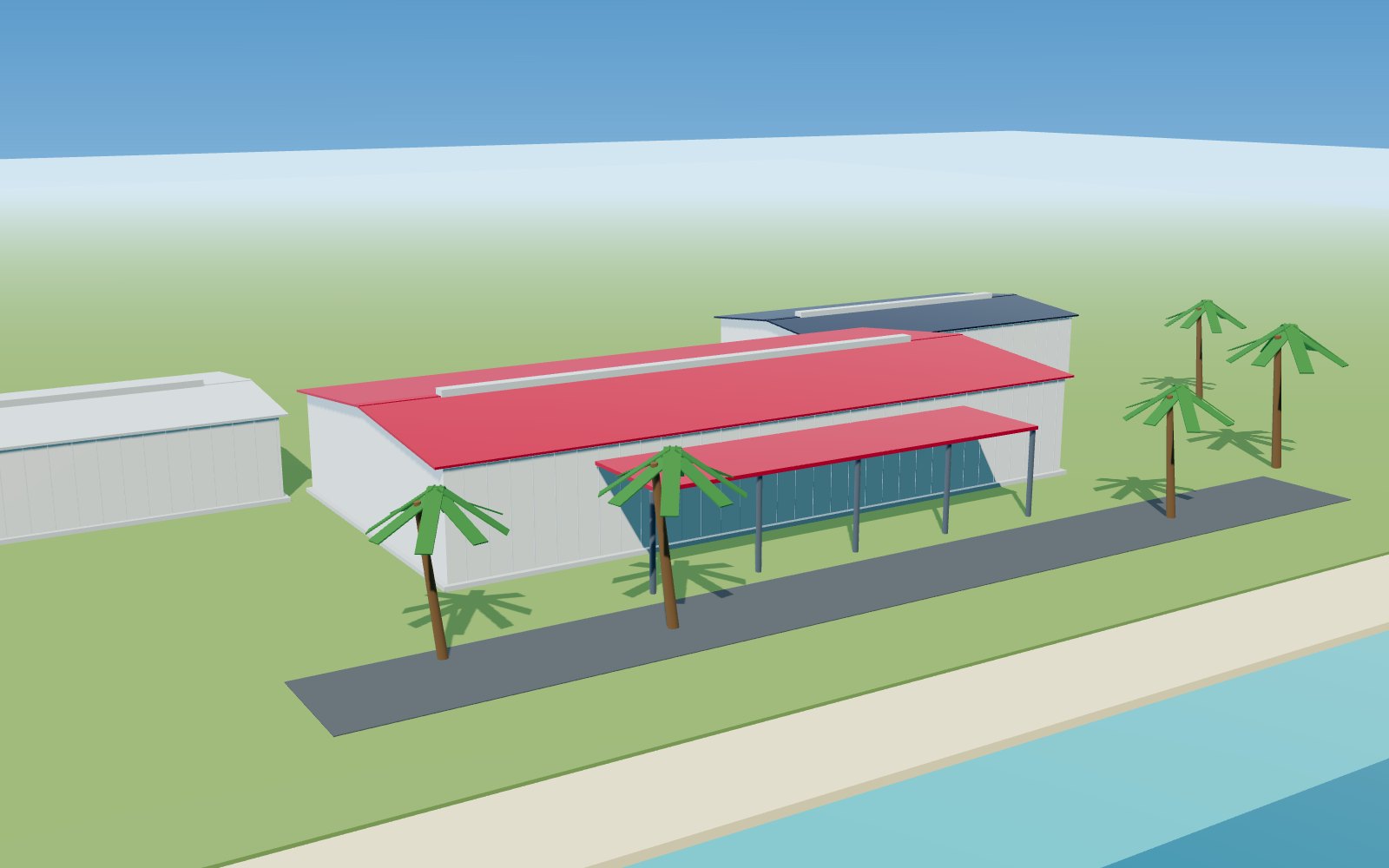 public
Community buildings that double as storm shelters where the design brief requires it.
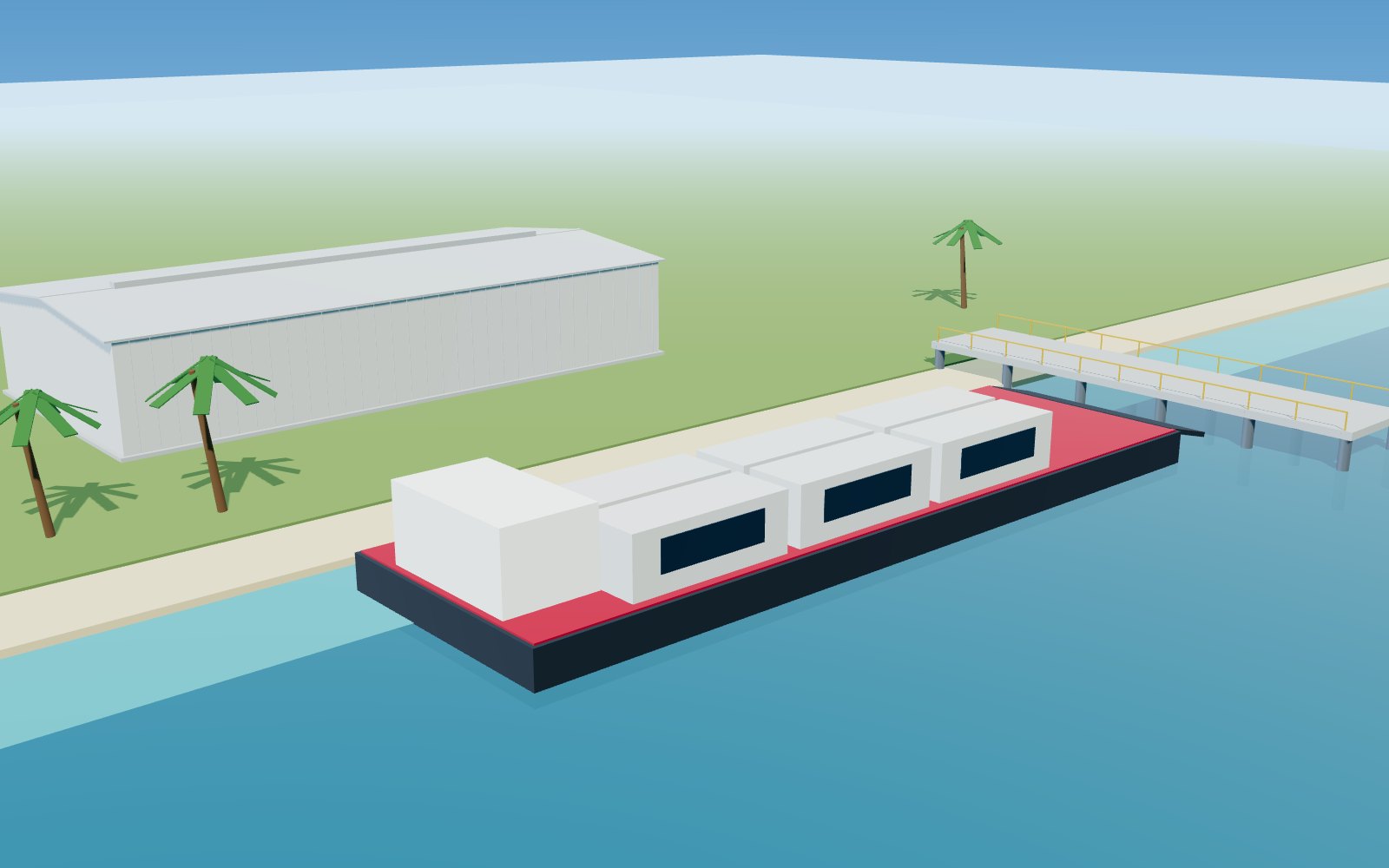 modular
Factory-finished modules shipped by barge or landing craft and set on prepared foundations in days.
应用领域
Duplex galvanising and high-build paint systems to ISO 12944 C5 and CX, with fasteners and details that do not trap salt or water.
Wind loads from the local code, higher edge and corner pressures, cyclone-rated cladding and a continuous load path to the foundations.
Members and modules finished in the factory – minimal site welding and painting, fewer people and less equipment on the island.
Piece weights and dimensions planned around the vessel, the jetty, the island crane and the access road.
Trial-assembled steel and pre-cut cladding shorten the erection window between monsoon and typhoon seasons.
An inspection and maintenance plan for coatings, fasteners and cladding keeps the structure in service for decades.
规范与合规
Coastal and island structures are designed to the corrosion, galvanising and wind-load standards of the project location.
 International – corrosion
 Vietnam
 United States & territories
 Australia & New Zealand
 Europe
摘要仅供参考——以项目技术规格书、所采用的规范版本及主管机构要求为准。
Scope
Everything a coastal or island project needs from one supplier – choose the full scope or the parts you need.
Before design
Corrosivity category, design wind, exposure to spray and immersion, ground and access constraints.
Engineering
Frames, connections and foundations interface for wind, seismic and service loads to the local code.
Transparent design
Reviewed and approved by you or your engineer before fabrication – see approval drawings.
ISO 12944
Coating or duplex system, thicknesses, fasteners and details matched to the category and durability.
Factory
Members, modules and cladding finished and checked in the factory.
QA/QC
Surface preparation, dry-film thickness and adhesion records for the dossier.
Logistics
Packing, marking and loading for the vessel and the island route.
Site · aftercare
Erection supervision and an inspection and maintenance schedule for coatings and fasteners.
Scope, durability targets and warranty terms are agreed per contract.
Corrosion protection
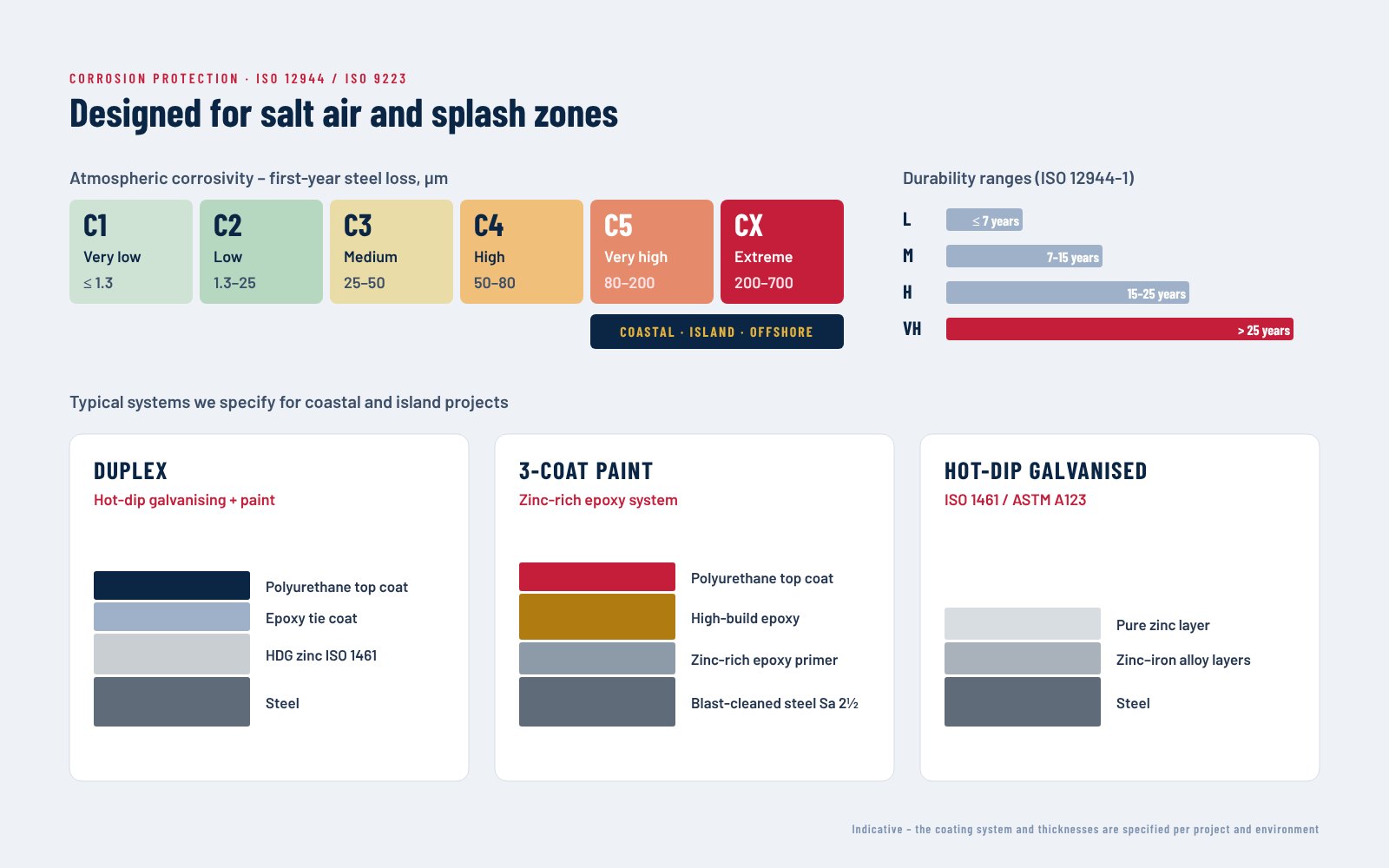
Corrosion starts with the right category. We classify the site to ISO 9223 / ISO 12944-2 – coastal and island sites are typically C4 to C5, splash zones and offshore CX or Im2 – and select a system for the durability range you need, up to very high (more than 25 years) in ISO 12944-1 terms.
For marine exposure we typically specify duplex systems – hot-dip galvanising to ISO 1461 with an epoxy and polyurethane coating – or zinc-rich high-build paint systems, and design out salt traps: sealed or drained hollow sections, no water-collecting pockets, isolated dissimilar metals and A4 stainless or galvanised fasteners.
Typhoon & cyclone design
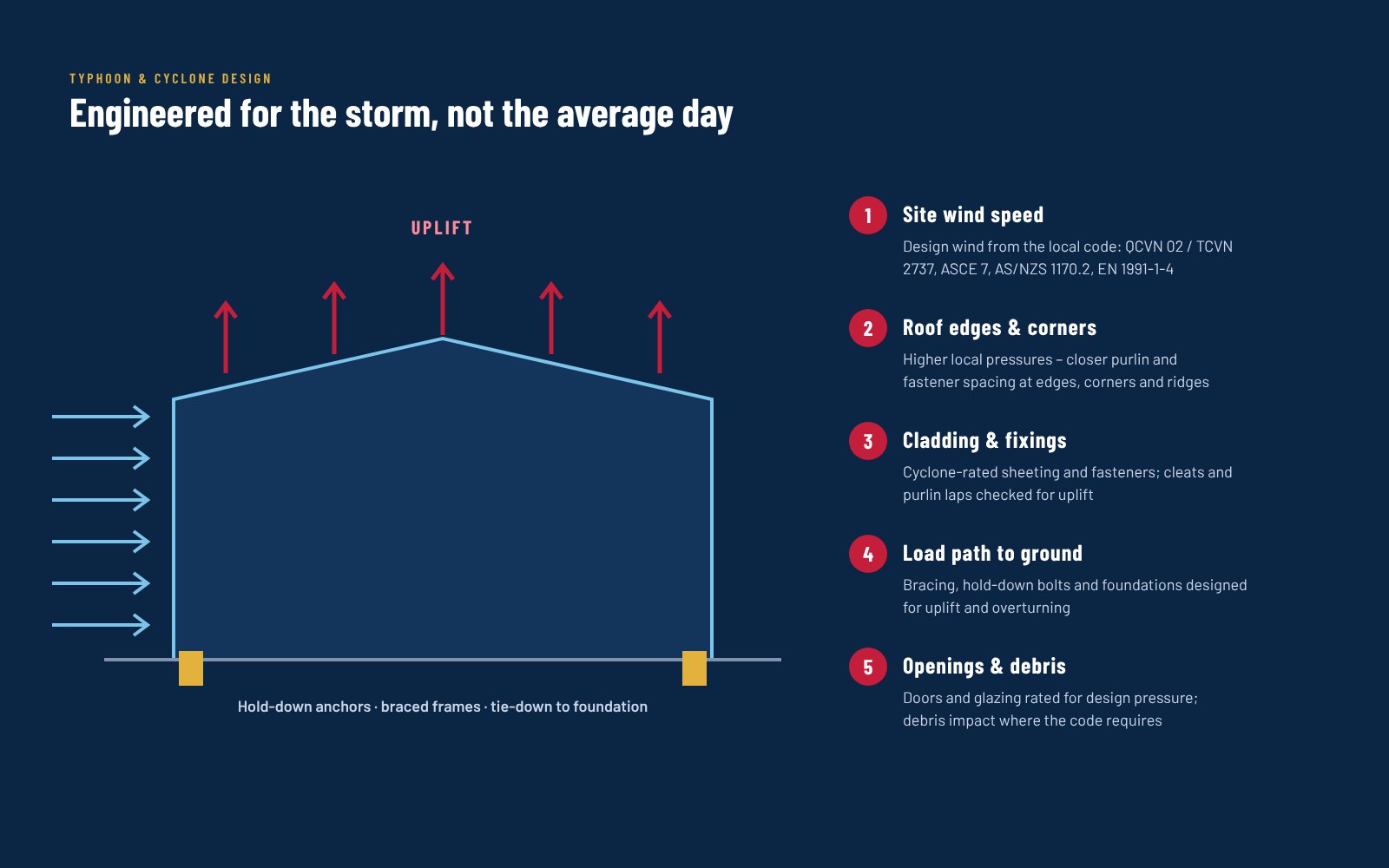
Design wind comes from the code of the project location – QCVN 02:2022/BXD and TCVN 2737:2023 in Vietnam, ASCE 7 in hurricane-prone regions, AS/NZS 1170.2 cyclonic regions in Australia, EN 1991-1-4 in Europe. Roof edges, corners and ridges see the highest local pressures, so purlin and fastener spacing is tightened where it matters.
Uplift is followed all the way down: cladding and fixings, purlin cleats and laps, rafters, bracing, hold-down bolts and the foundation interface. Doors and glazing are specified for the design pressure, and for debris impact where the code requires it.
Island logistics
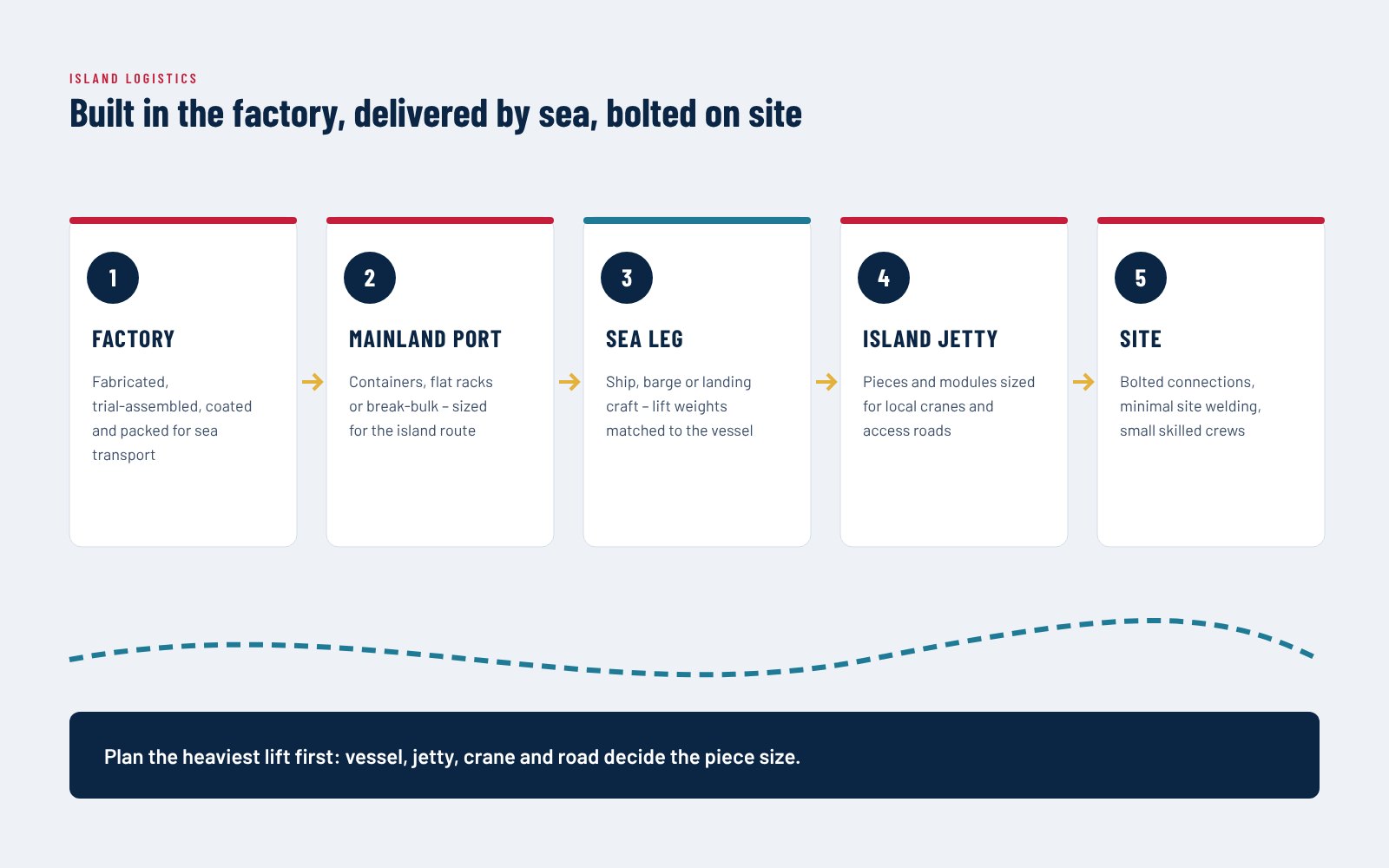
On an island the heaviest lift decides the design. We start with the route – mainland port, vessel or barge, island jetty, local crane and access road – and size members, bundles and modules to suit, with trial assembly in the factory so nothing has to be modified on site.
Steel is packed for the sea crossing under our export packing procedure, labelled by erection sequence, and supported on site by our erection supervisors – bolted connections, minimal site welding and touch-up, and small, skilled crews.
Reference
Indicative guidance for early planning – the corrosion category, coating system and wind design are confirmed for each site.
| Location | Typical category | Typical protection | Fasteners |
|---|---|---|---|
| Interior, ventilated and sheltered | C2 – C3 | Paint system or hot-dip galvanising | Hot-dip galvanised |
| Coastal zone, back from the shore | C3 – C4 | Hot-dip galvanising or 3-coat paint system | Hot-dip galvanised |
| Seafront and island sites | C4 – C5 | Duplex (HDG + paint) or high-build zinc-rich system | Galvanised or A4 stainless, isolated |
| Splash zone, jetty, offshore | CX · Im2 | Offshore system to ISO 12944-9, duplex where suitable | A4 stainless or duplex-coated |
Indicative only – the corrosivity category depends on distance from the sea, prevailing wind, sheltering and local conditions.
| Item | What we check |
|---|---|
| Design wind | Wind zone or region, terrain, topography and importance level from the local code |
| Roof and wall cladding | Local pressures at edges, corners and ridges; fastener type and spacing |
| Purlins and girts | Uplift, laps, cleats and bridging |
| Frames and bracing | Internal pressure with openings, sway and drift limits |
| Base and foundations | Uplift and shear on anchor bolts; overturning |
| Doors and glazing | Rated for design pressure; debris impact where required |
| Input | Why it matters |
|---|---|
| Island port or jetty | Berth depth, deck load and crane decide vessel and piece size |
| Vessel or barge | Deck area and lift limits decide bundle and module size |
| Island cranes and roads | Maximum lift, reach, road width and turning radius |
| Weather windows | Sea state and typhoon season decide shipping and erection dates |
| Local resources | Labour, accommodation, power and water for the site team |
流程
Exposure, wind, ground and the route from port to site.
Structure, connections and corrosion system designed together.
Drawings and calculations approved before fabrication.
Fabrication, trial assembly, galvanising and coating with inspection records.
Sea-worthy packing, sequence marking and shipment to the island.
Erection supervision, handover and a maintenance plan.
交货条件 · Incoterms® 2020
World Steel 可报出厂价、船上交货价或运至贵方港口、工地的价格。出口包装、单证及自胡志明市的运输均属我们的服务。
比较全部 Incoterms® 2020 →FAQ
That depends on the corrosivity category and the protection system. ISO 12944 defines durability ranges up to very high (more than 25 years) to the first major maintenance; we select the system for the category and durability you need and add a maintenance plan.
For seafront and island sites we usually recommend a duplex system – hot-dip galvanising with a paint system on top – because the two protect each other and last longer together than either alone. High-build zinc-rich paint systems are an alternative where galvanising is not practical.
Hot-dip galvanised fasteners for most coastal exposures, and A4 (316) stainless steel fasteners for severe and splash-zone exposure – isolated from carbon steel to prevent galvanic corrosion.
They are designed for the design wind of the site to the local code – including higher local pressures at edges and corners, uplift through the whole load path and doors rated for the design pressure.
Yes. We plan piece and module weights around the cranes, vessel and jetty available, and can split members with bolted splices so that they can be handled with light equipment.
Either. We can supply the structural steel only, or the complete building – structure, roofing and cladding, doors, accessories, packing, shipment and erection support – under one contract.
We provide erection supervision and can organise the erection team, with erection drawings, sequence marking and a method statement prepared for the site.
Send us the location, the building brief and the route to site – we propose the structure, the corrosion system and the logistics plan together.