ENEnglish
 VITiếng Việt
 ZH中文
 KO한국어
 JA日本語
 FRFrançais
 ITItaliano
 PTPortuguês
 ESEspañol
 HEעברית
 ARالعربية

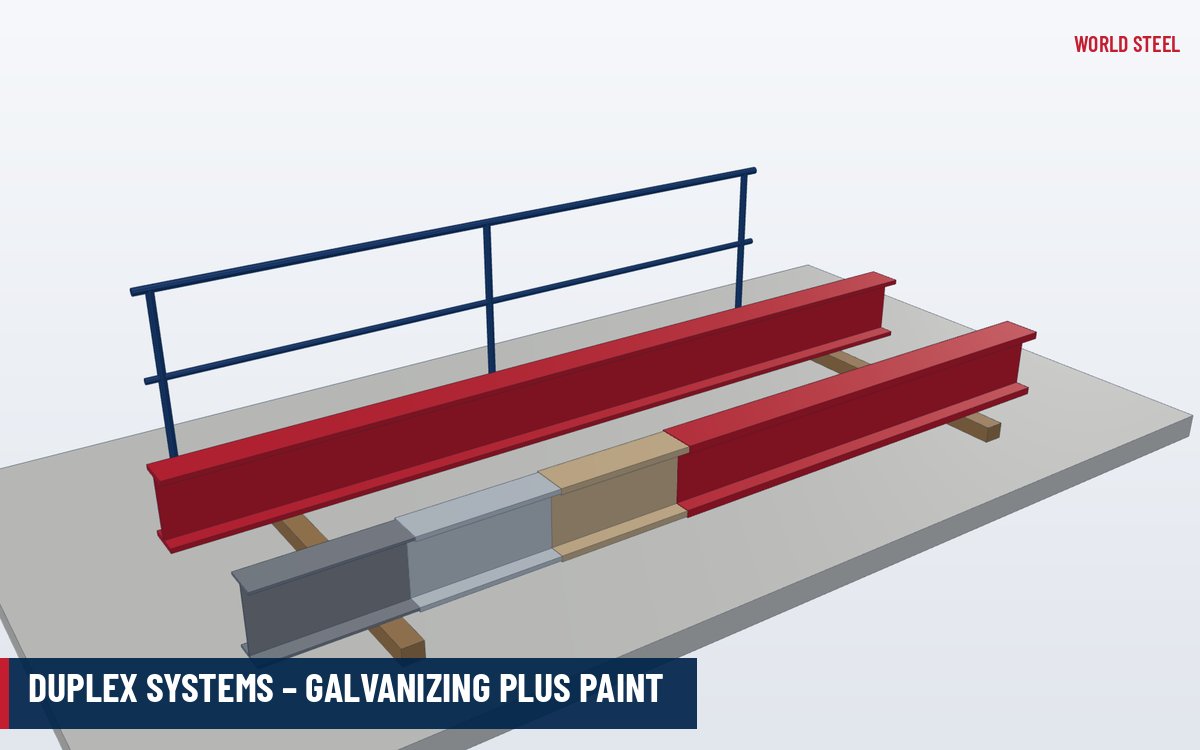
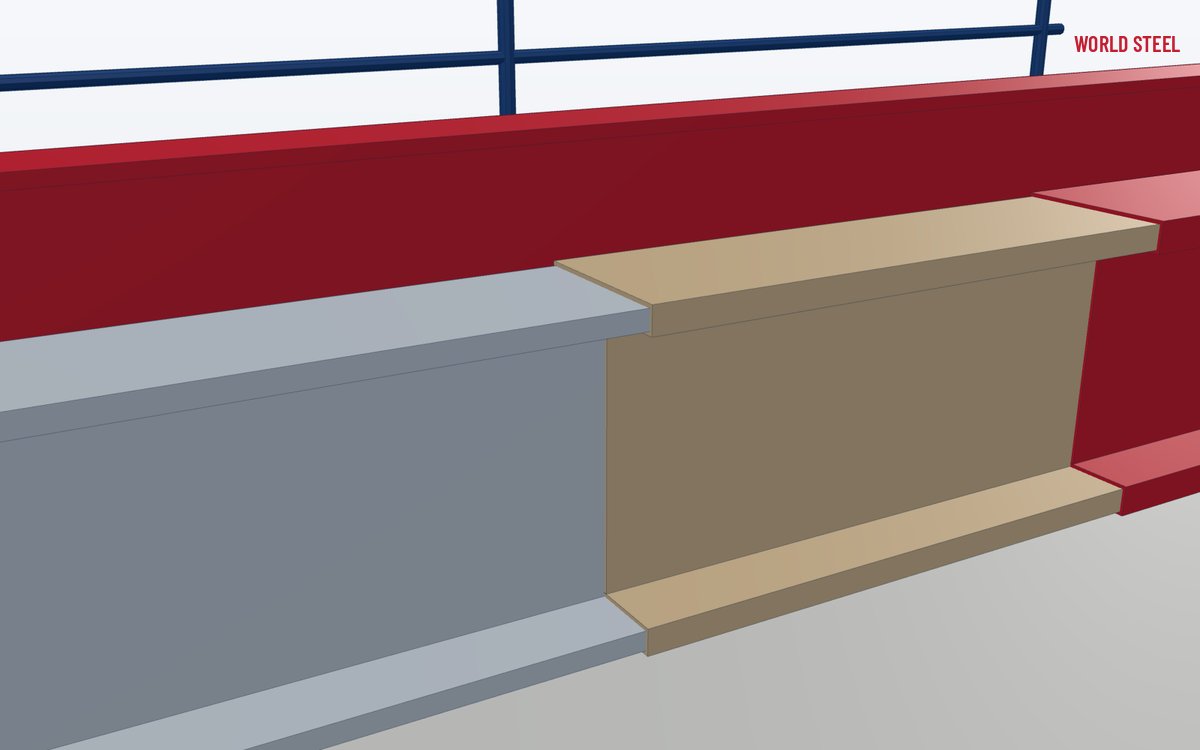
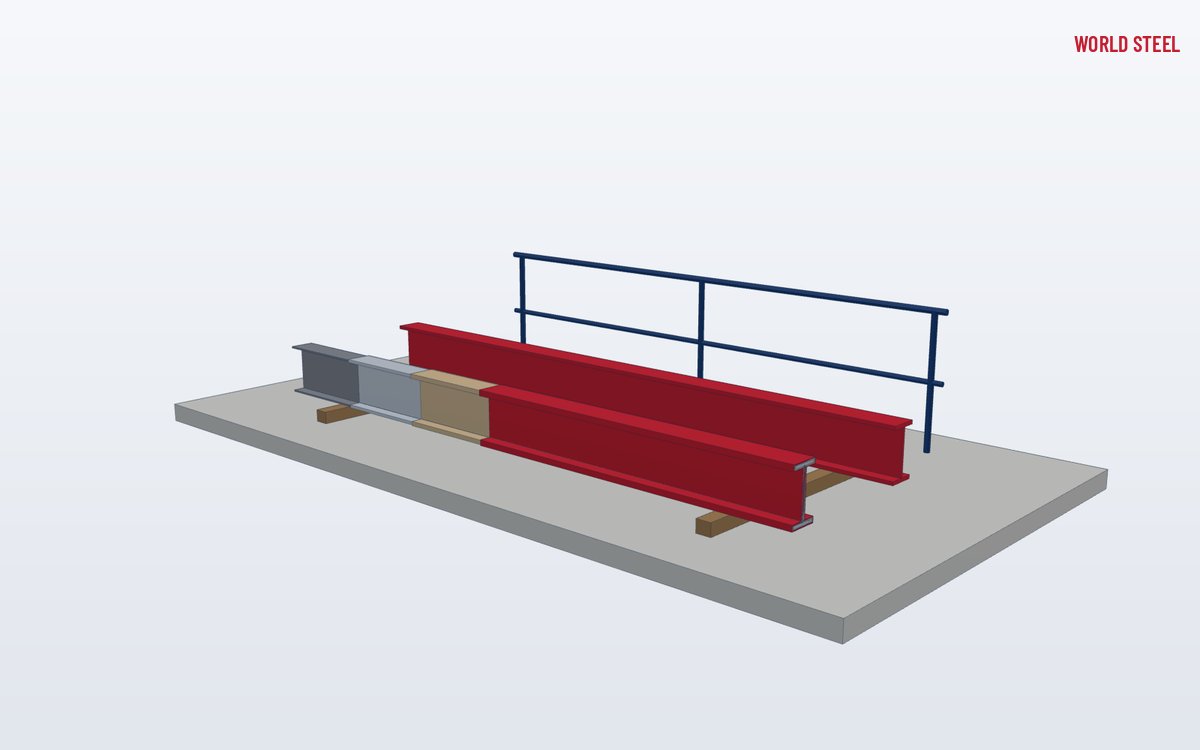
- Zinc and paint together outlast either system alone
- Colour finish on long-life galvanized steel
- Zinc surface prepared by sweep blasting or chemical treatment
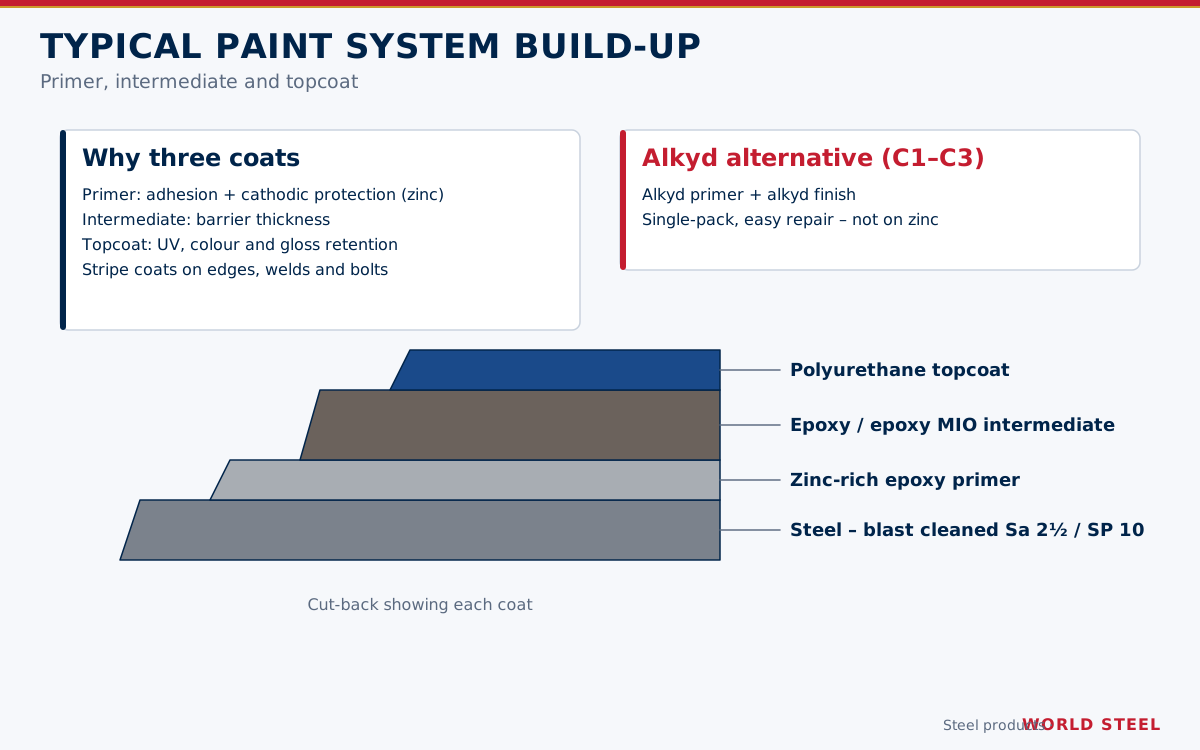
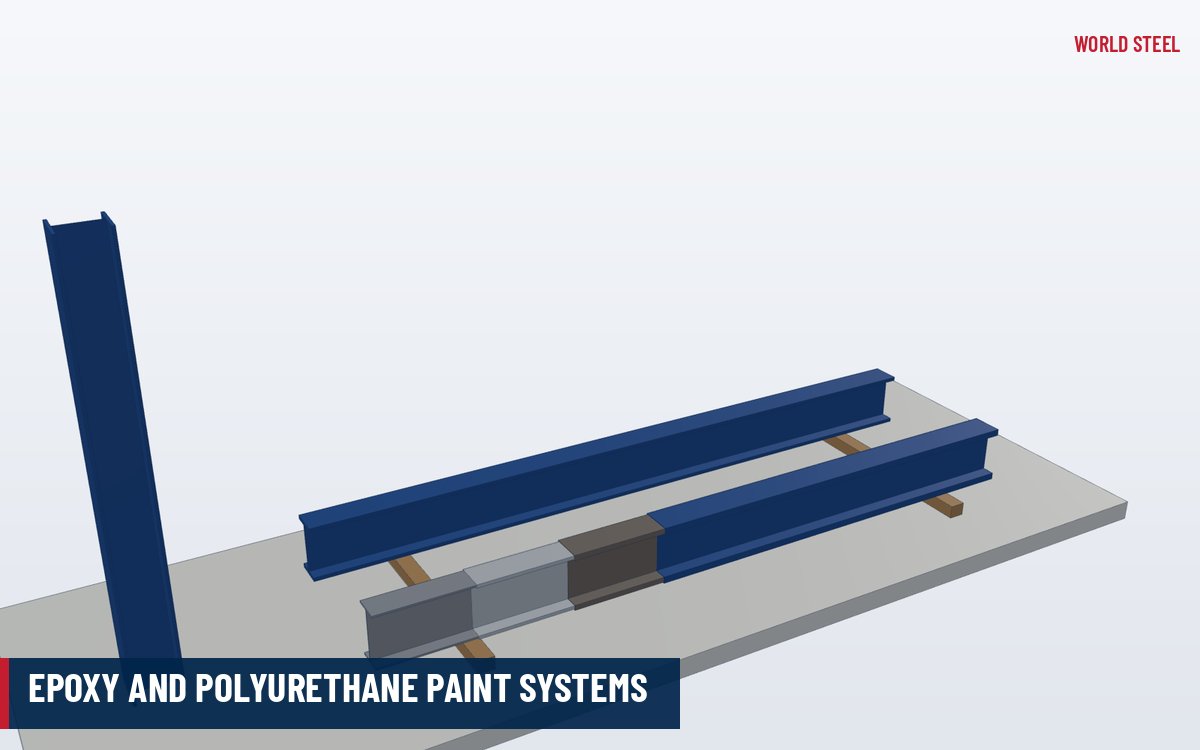
- Tie coat or epoxy primer, then polyurethane topcoat
- Powder coating over HDG per EN 15773 / ASTM D7803
- For canopies, balustrades, coastal and exposed steel
What a duplex system is
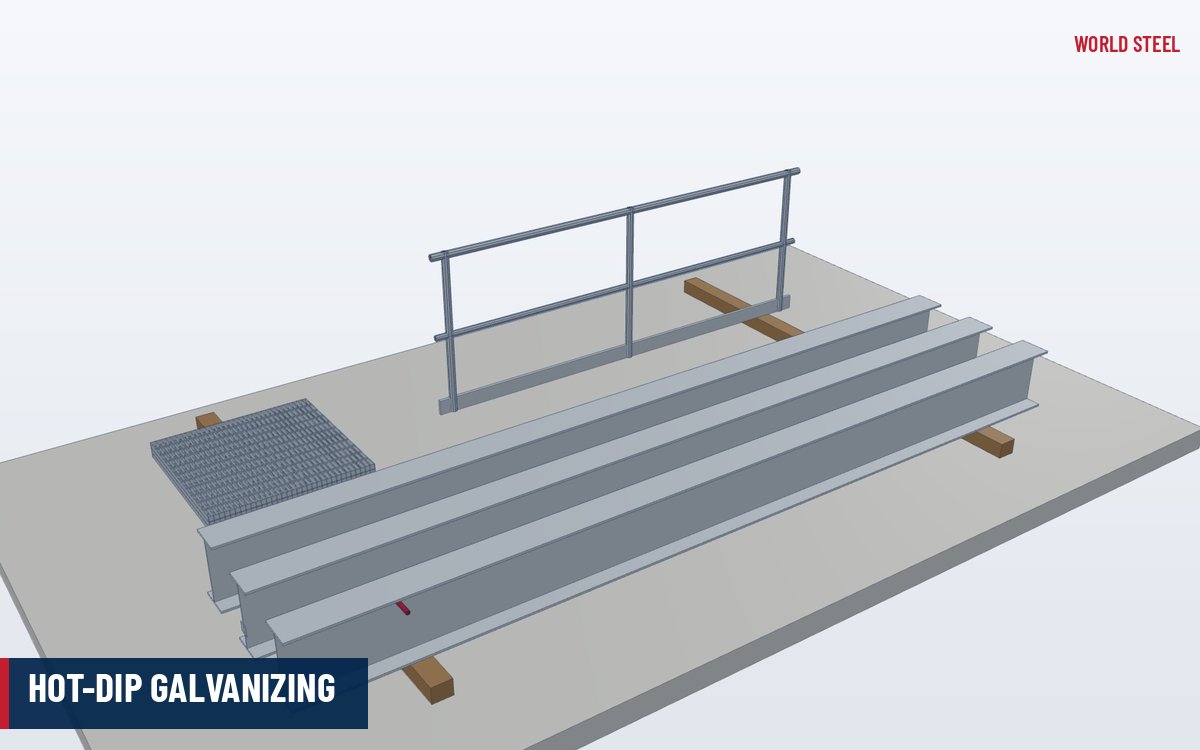
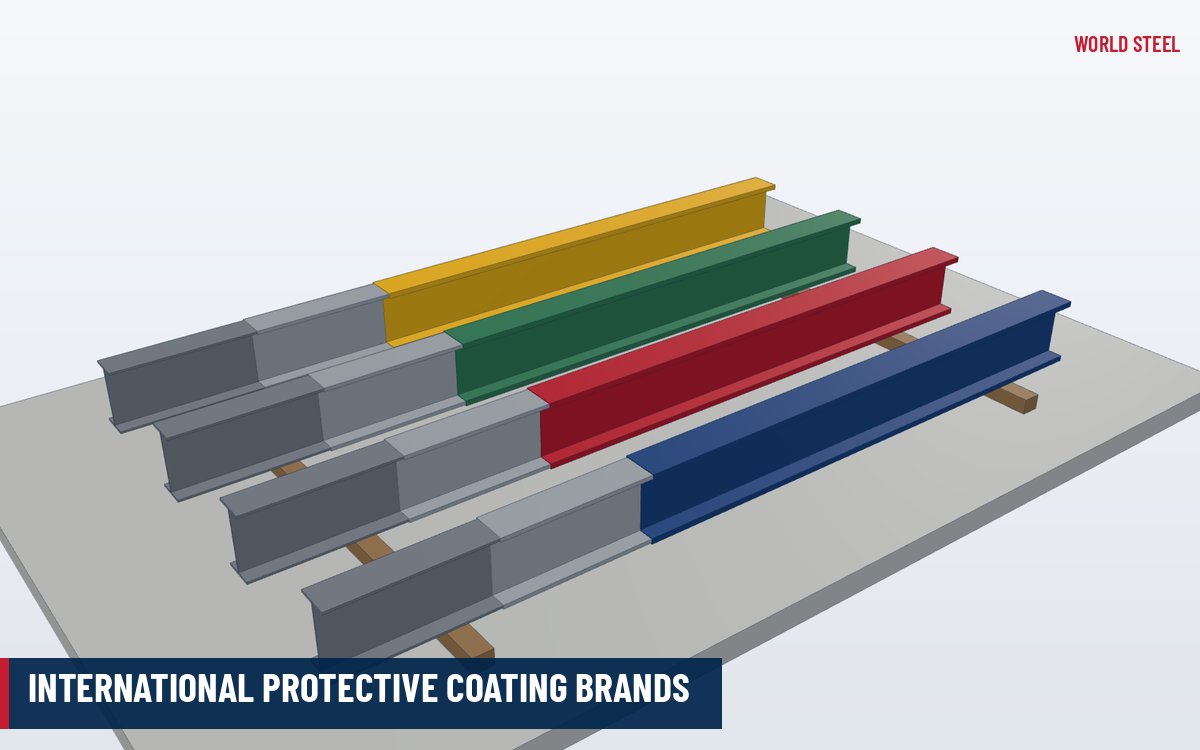
A duplex system combines hot-dip galvanizing with an organic coating – liquid paint or powder coat – on top. The two layers protect each other: the paint shields the zinc from the atmosphere and slows its consumption, while the zinc stops rust creeping under the paint at scratches and edges, so the paint does not blister and flake from the steel. The result is a longer life to first maintenance than either the galvanizing or the paint system would give alone, plus a full colour choice. The benefit is well established in ISO 12944, ISO 14713 and AS/NZS 2312 guidance; the actual life depends on the environment, the zinc thickness and the paint system.
Duplex is therefore the usual answer where steel is exposed, highly visible and hard to maintain. For the comparison with other systems see the corrosion protection guide.
Typical uses
| Application | Why duplex | Typical topcoat |
|---|---|---|
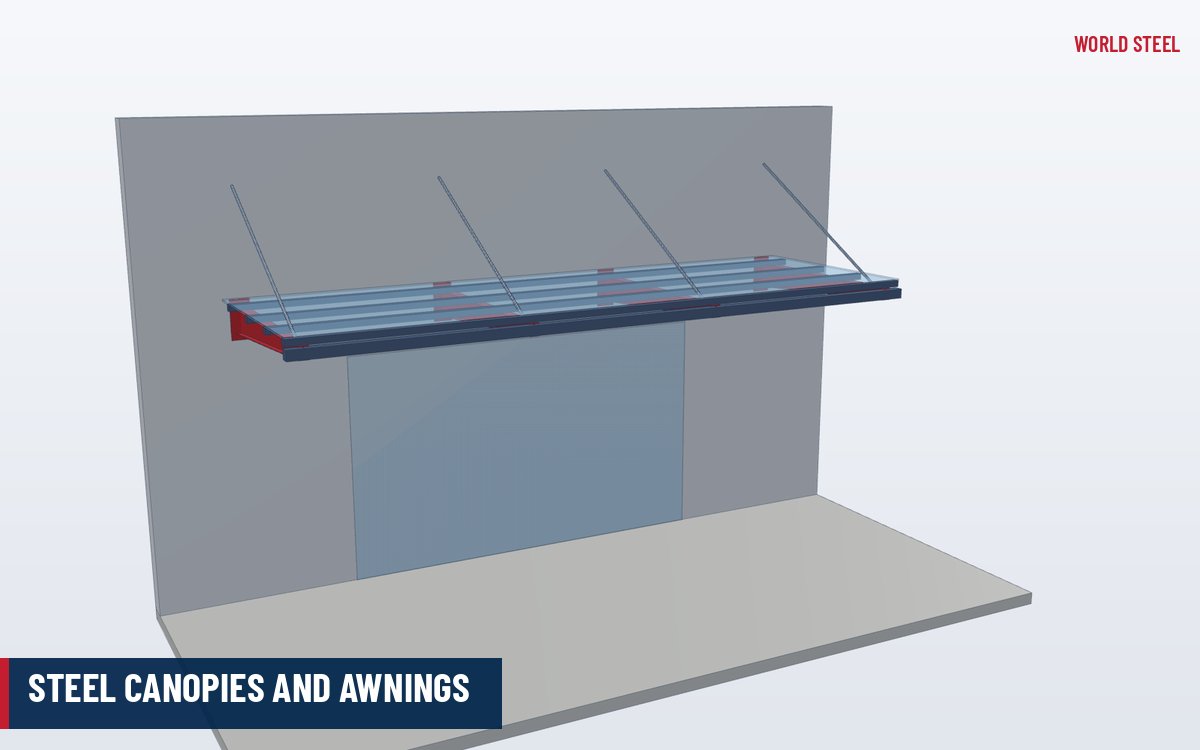
| Entrance and walkway canopies | Exposed to weather and visible; colour matched to the façade | Epoxy primer + polyurethane, or powder coat |
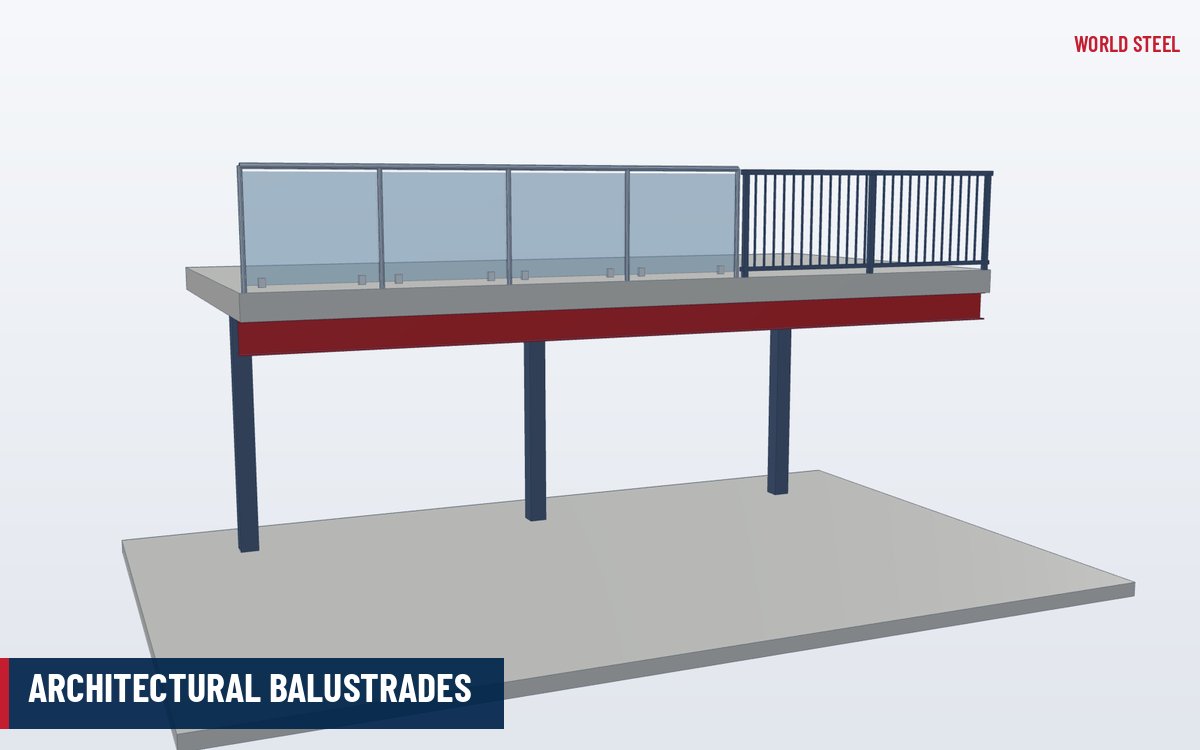
| Architectural balustrades and handrails | Touch and appearance matter; long maintenance interval | Powder coat or polyurethane |
| Coastal and marine-influenced structures | High chloride exposure (C4–C5) | Epoxy + polyurethane of adequate build |
| Exposed architectural steel and feature frames | Colour and finish quality with corrosion resilience | Polyurethane or polysiloxane |
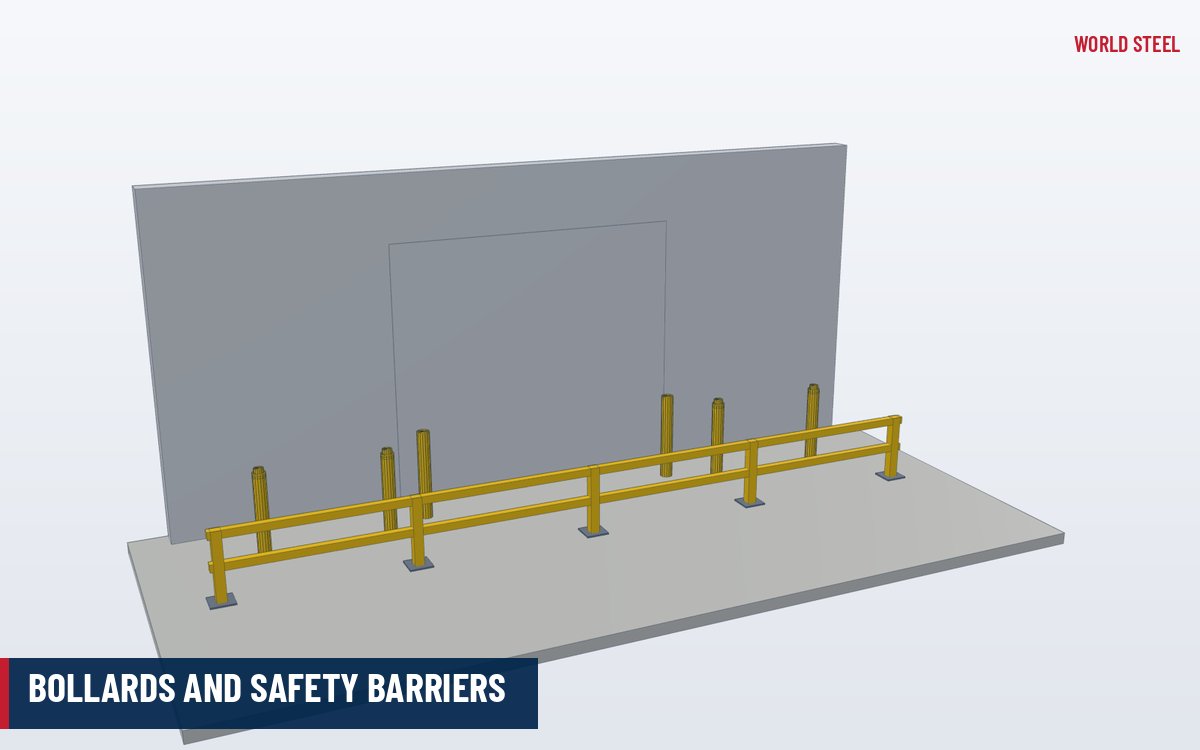
| Bollards, gates and street furniture | Impact damage and high visibility | Safety colour polyurethane or powder coat |
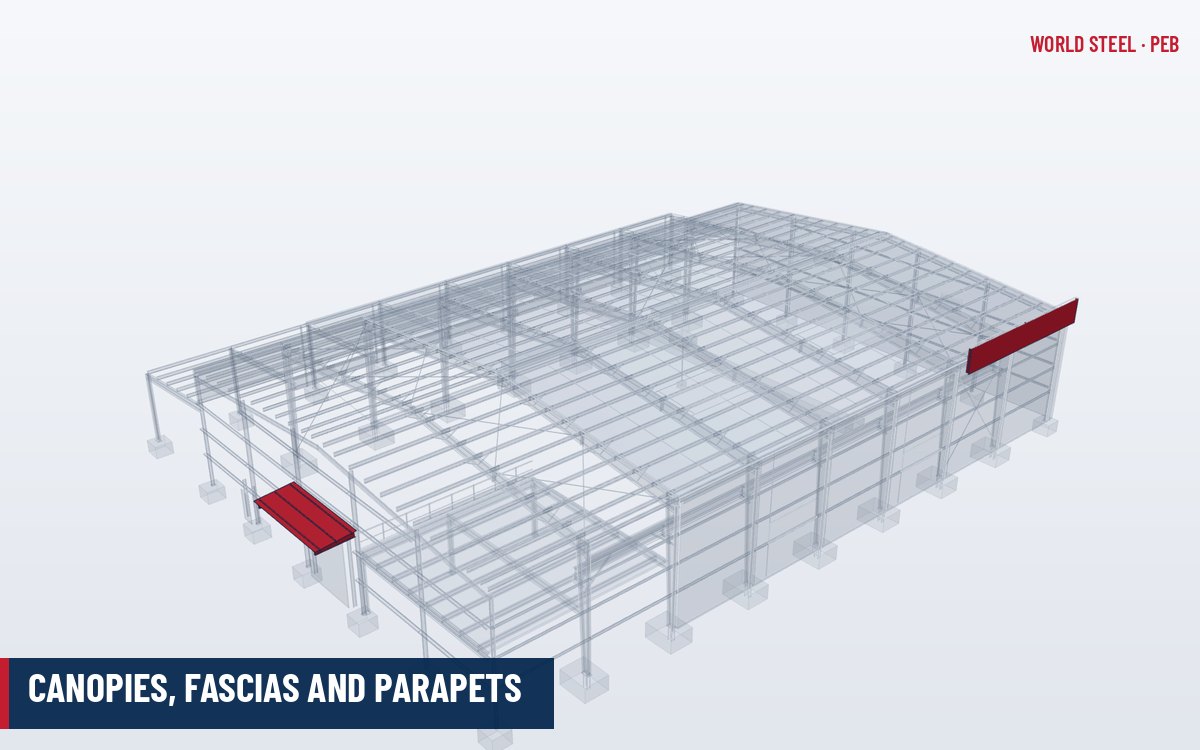
Typical products are steel canopies, architectural balustrades, ball-stanchion handrails and bollards. On PEB projects duplex is often used for canopies and fascias exposed to weather at the building edge.
Preparing the zinc surface
Fresh galvanizing is smooth and may carry passivation residues, oils or zinc salts, so paint will not adhere reliably without preparation. World Steel coordinates the sequence so that the galvanized steel is prepared and painted under control:
- Inspection of the galvanized surface; removal of zinc runs, spikes and ash so they do not show through the paint.
- Degreasing and washing to remove oil and zinc salts (white rust).
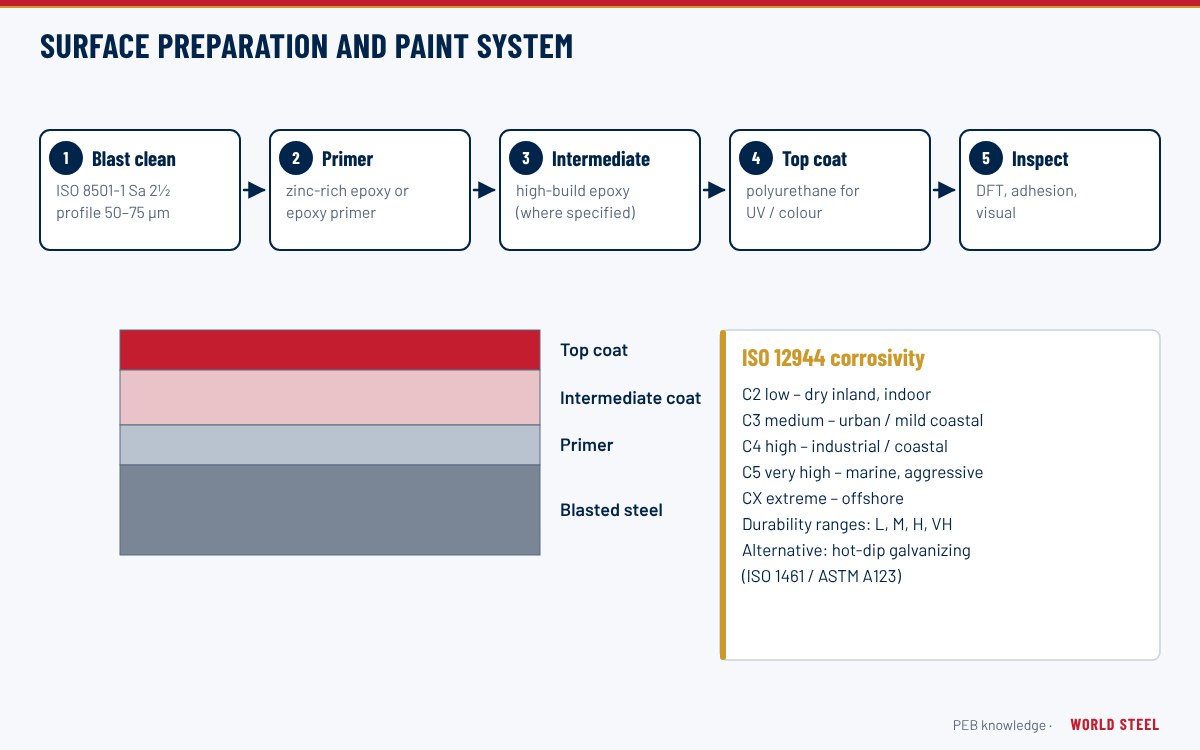
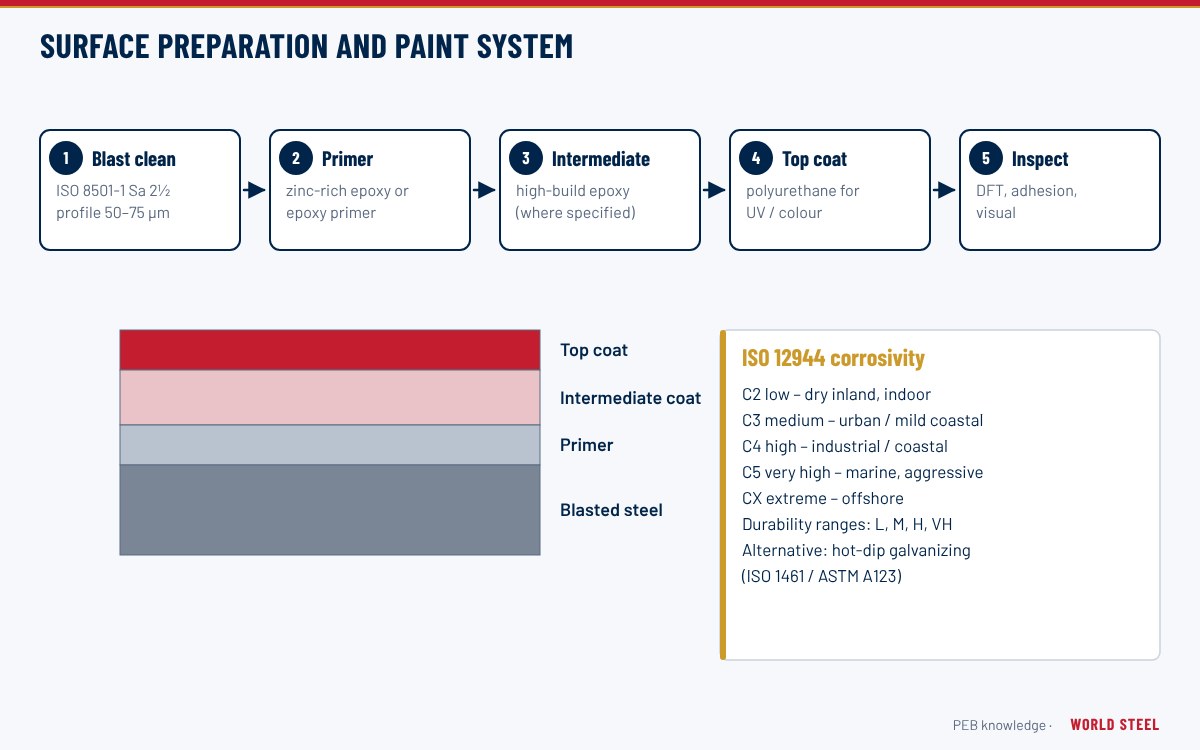
- Sweep blasting with a fine, non-metallic abrasive at low pressure to roughen the zinc lightly without removing significant coating thickness, or a chemical pre-treatment, per ISO 12944-4, ASTM D6386 or the paint manufacturer's instructions.
- Application of a primer or tie coat approved for zinc – typically an epoxy – within the time the data sheet allows, followed by the intermediate and topcoat.
- For powder coating, preparation and degassing per EN 15773 (Europe) or ASTM D7803 (US) to avoid pinholes from gas released by the zinc during curing.
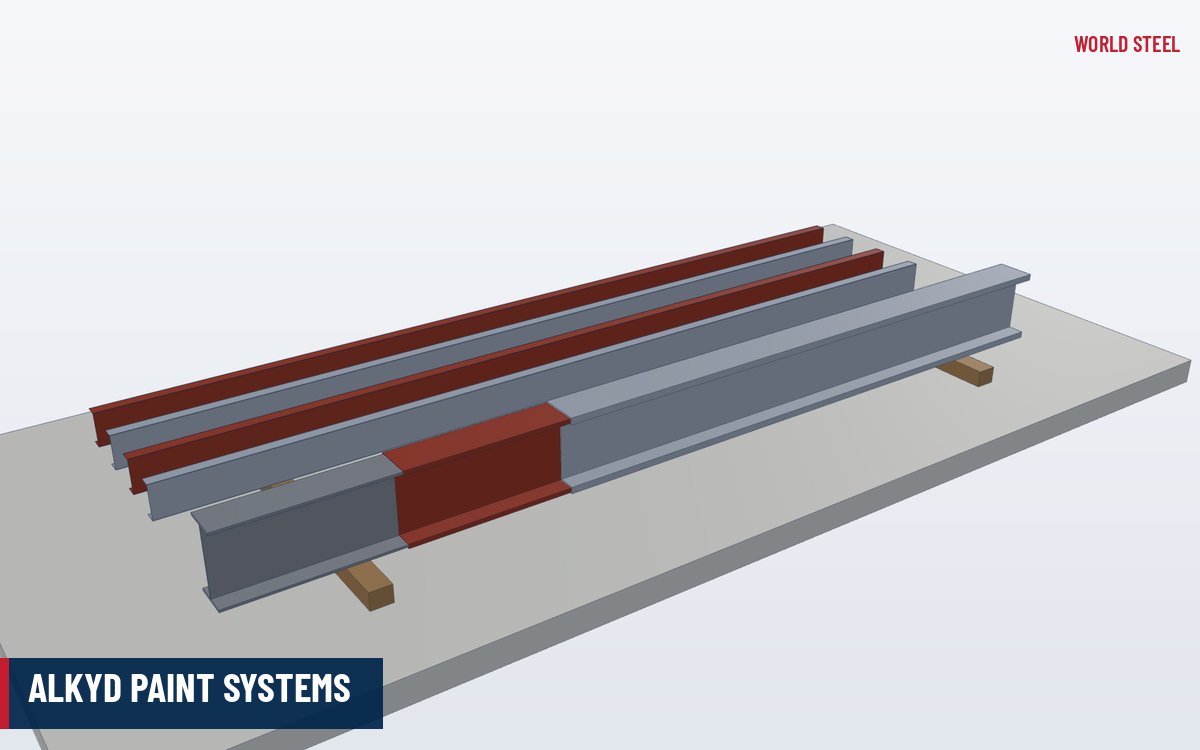
Alkyd paint must never be applied directly to zinc – the binder saponifies and loses adhesion. See alkyd systems.
Fabrication, inspection and site care
Steel for a duplex system is detailed for galvanizing first – vent and drain holes, sealed or gapped overlaps, and smooth weld profiles – because every defect in the zinc shows through the topcoat. After galvanizing and painting, World Steel records the zinc thickness from the galvanizer, the surface preparation, the paint DFT to ISO 19840 or SSPC-PA 2 and adhesion results where specified. Finished members are wrapped or padded for export, since repairs to duplex systems on site require both zinc-rich paint and the topcoat colour. A touch-up kit procedure is supplied with the package; background on shop painting is in the PEB article on paint and coating systems.
Selecting and specifying
- State the galvanizing standard (ASTM A123, AS/NZS 4680 or EN ISO 1461) and the paint or powder system with colour.
- Specify the method of preparing the zinc surface or leave it to the coating manufacturer's recommendation.
- Define appearance requirements for visible architectural surfaces before fabrication starts.
- Agree handling, packing and touch-up responsibilities for site damage.
Normes et exigences par marché
Les codes selon lesquels World Steel conçoit, fabrique et documente ce produit – et les principales exigences géométriques et de charge sur chaque marché.
 États-Unis
- ASTM A123Zinc (hot-dip galvanized) coatings on iron and steel products
- ASTM D6386Preparation of zinc-coated steel surfaces for painting
- ASTM D7803Preparation of zinc-coated steel surfaces for powder coating
- ASTM A780Repair of damaged hot-dip galvanized coatings
- SSPC-PA 2Measurement of dry coating thickness
- Zinc surface preparation for paint
- Per ASTM D6386
- Zinc surface preparation for powder
- Per ASTM D7803
 Australie / NZ
- AS/NZS 4680Hot-dip galvanized coatings on fabricated ferrous articles
- AS/NZS 2312.1Guide to the protection of structural steel – paint coatings
- AS/NZS 2312.2Guide to the protection of structural steel – hot-dip galvanizing
- AS 2700Colour standards for general purposes
- HDG on steel > 6 mm
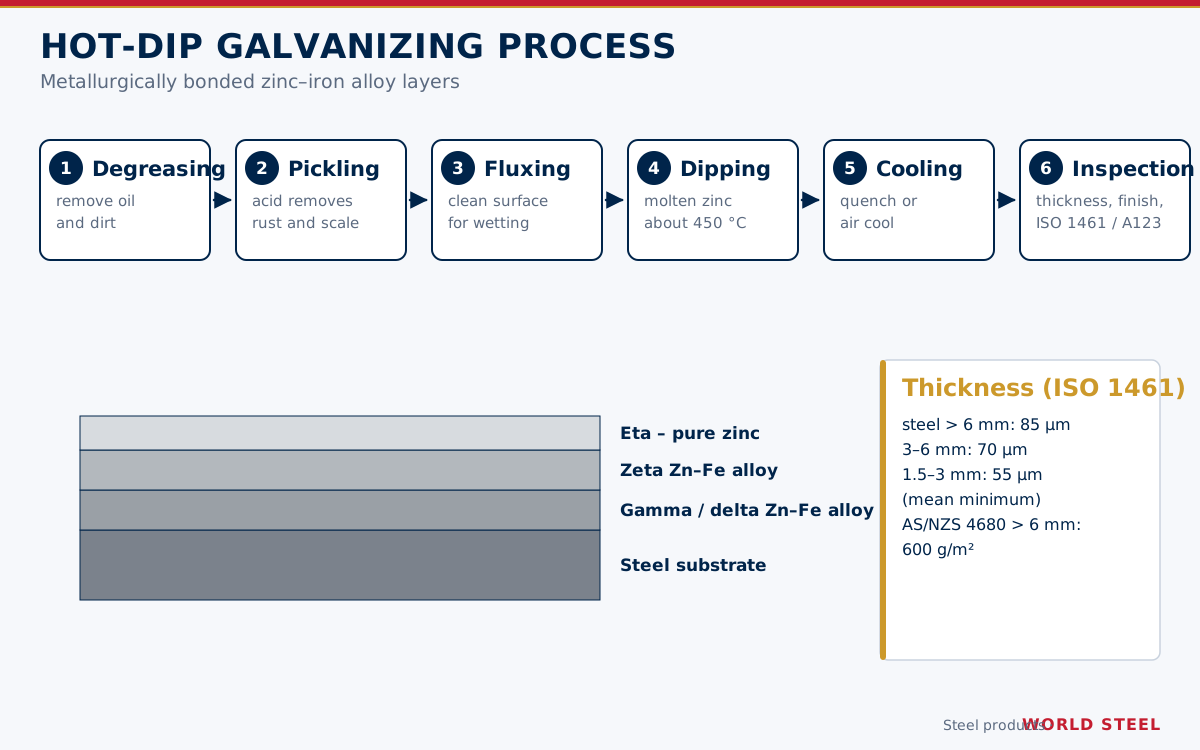
- 600 g/m² (85 µm) average (AS/NZS 4680)
- Paint over zinc
- Primer compatible with zinc; no alkyd directly on zinc
 Europe
- EN ISO 1461Hot-dip galvanized coatings on fabricated articles
- EN ISO 12944-4Types of surface and surface preparation
- EN ISO 12944-5Protective paint systems (including systems on zinc)
- EN 15773Powder coatings on hot-dip galvanized steel – duplex systems
- EN ISO 14713-1Zinc coatings – general principles and corrosion resistance
- Min. HDG thickness > 6 mm steel
- 85 µm mean, 70 µm local (EN ISO 1461)
- Zinc surface preparation
- Sweep blast or chemical treatment (EN ISO 12944-4)
Synthèse fournie à titre indicatif – le cahier des charges du projet, l'édition du code adoptée et l'autorité compétente prévalent.
Finitions
| Finition | Normes / remarques |
|---|---|
| HDG + epoxy / polyurethane | ASTM A123 + D6386 · AS/NZS 4680 + AS/NZS 2312.1 · EN ISO 1461 + EN ISO 12944-5 |
| HDG + powder coat | ASTM A123 + D7803 · AS/NZS 4680 + powder system · EN ISO 1461 + EN 15773 |
Questions fréquentes
Why paint galvanized steel?
For colour, and for a longer life to first maintenance than either galvanizing or paint alone. Duplex is the usual choice for exposed, visible steel in coastal or demanding environments.
Can paint go straight onto new galvanizing?
No. The zinc surface must be cleaned and prepared by sweep blasting or chemical treatment and coated with a primer approved for zinc. Alkyd paints must never be used directly on zinc.
Can galvanized steel be powder coated?
Yes. Powder coating over galvanizing is done to EN 15773 or ASTM D7803, with surface preparation and degassing to prevent pinholes.
How is a duplex system repaired on site?
Damage is cleaned, the zinc layer is restored with zinc-rich paint per ASTM A780 or EN ISO 1461, then the primer and topcoat colour are reapplied according to the supplied touch-up procedure.
 Singapore
 AS/NZS 5131 CC3
 EN 1090 EXC3 · CE