ENEnglish
 VITiếng Việt
 ZH中文
 KO한국어
 JA日本語
 FRFrançais
 ITItaliano
 PTPortuguês
 ESEspañol
 HEעברית
 ARالعربية

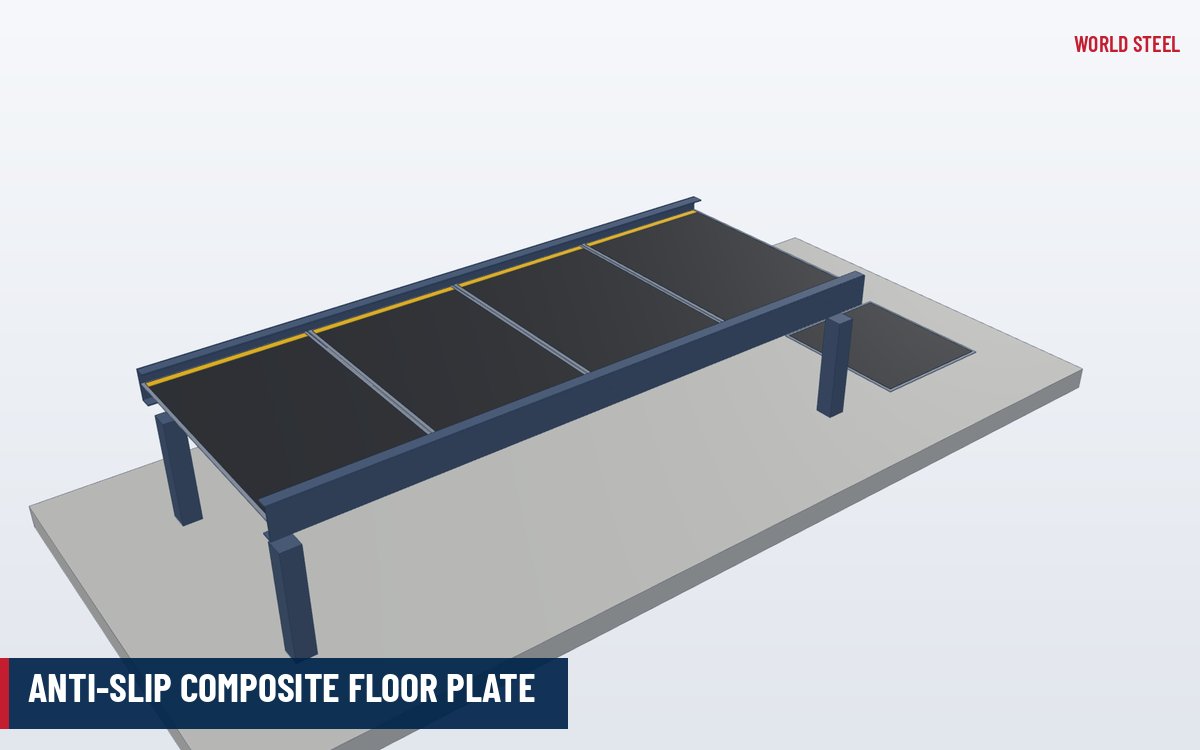

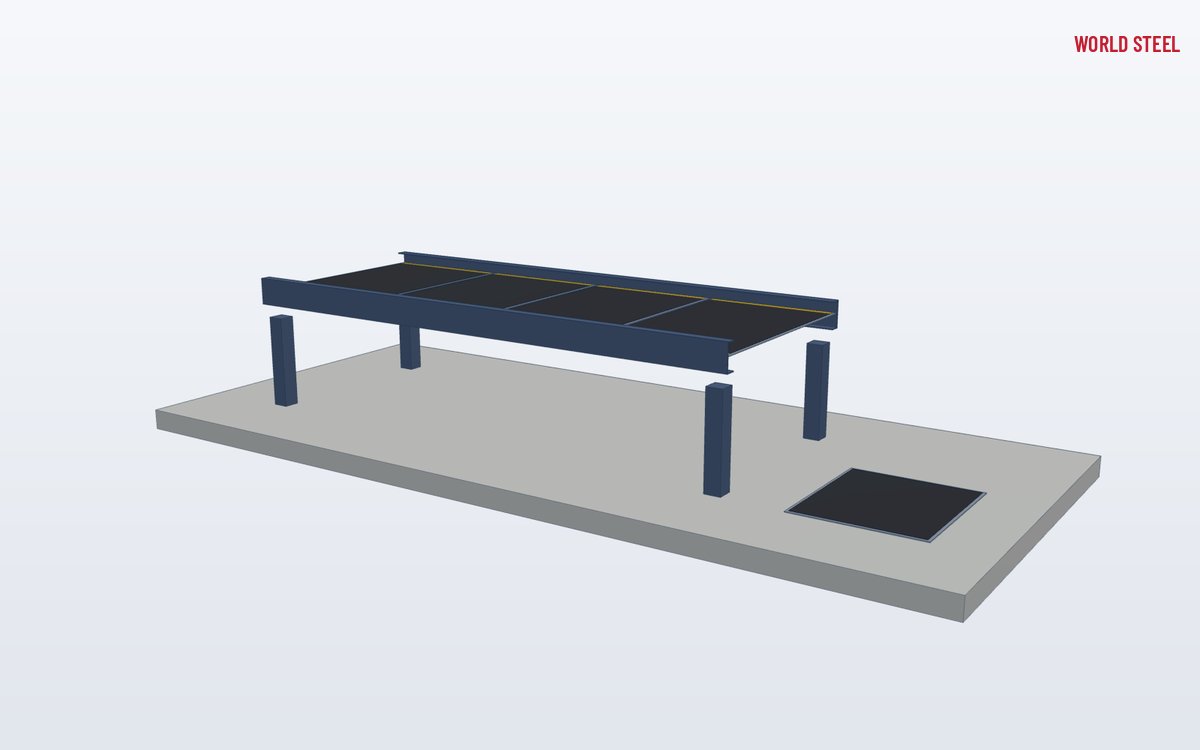
- Solid floor with a bonded anti-slip surface
- Steel or aluminium base plate cut to the layout
- Mineral-grit or FRP top sheet surfaces
- Optional yellow edge and nosing strips for visibility
- Stops spills, dust and dropped objects passing through
- Bolted or clipped to the supporting frame
What it is
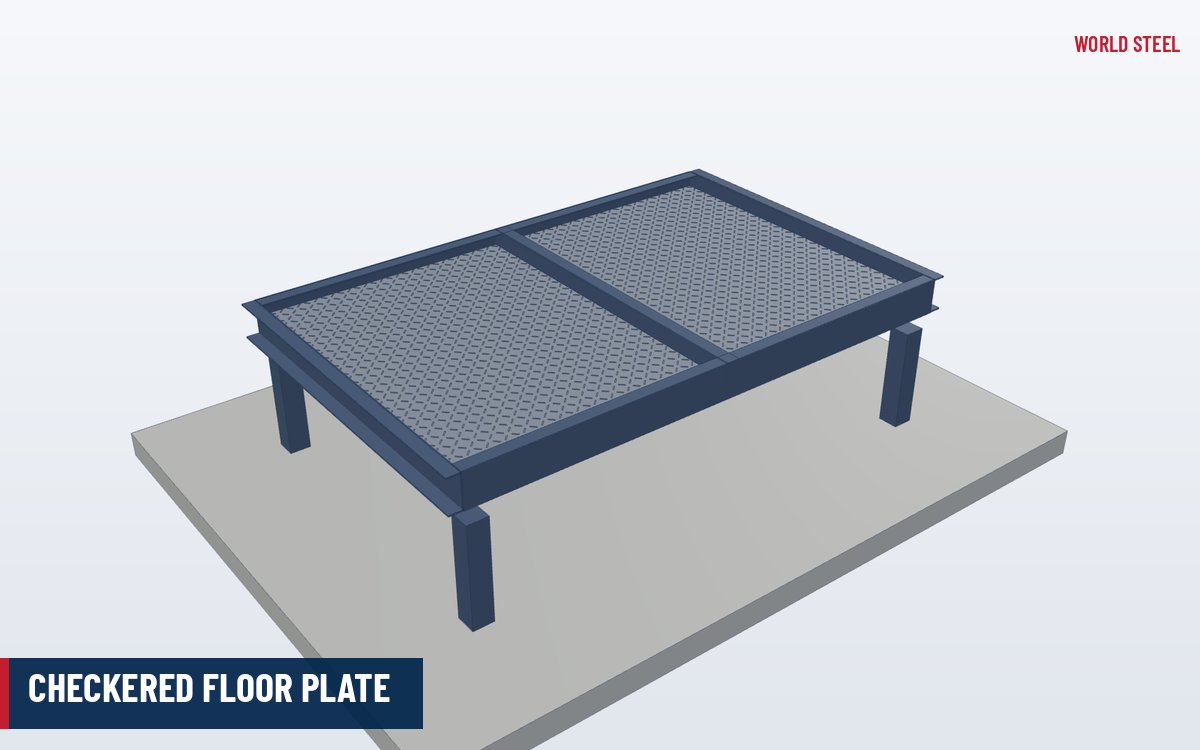
Anti-slip composite floor plate is a solid floor panel made from a steel or aluminium plate with a slip-resistant surface bonded to the top. The surface is either a layer of hard mineral grit set in a resin binder or a factory-made FRP (fibre-reinforced plastic) top sheet with an embedded grit finish. The result is a flat, closed floor that is far more slip-resistant than bare plate or the raised pattern of checkered floor plate, especially when wet or oily.
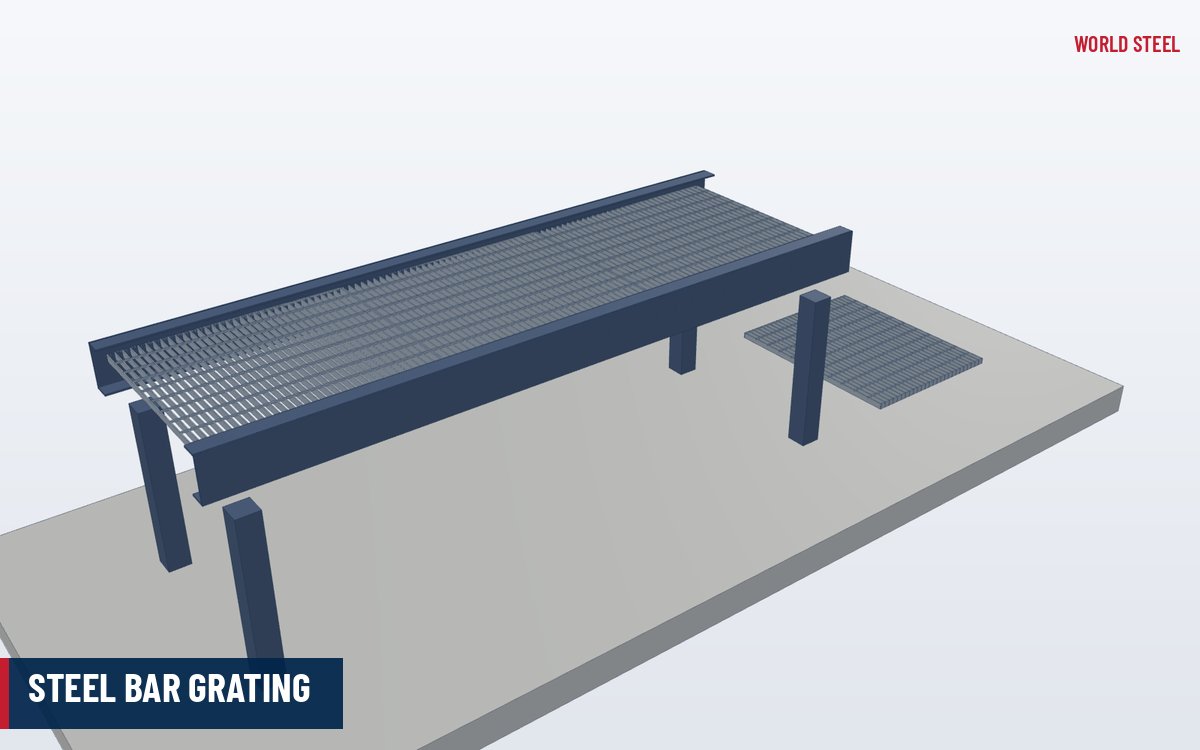
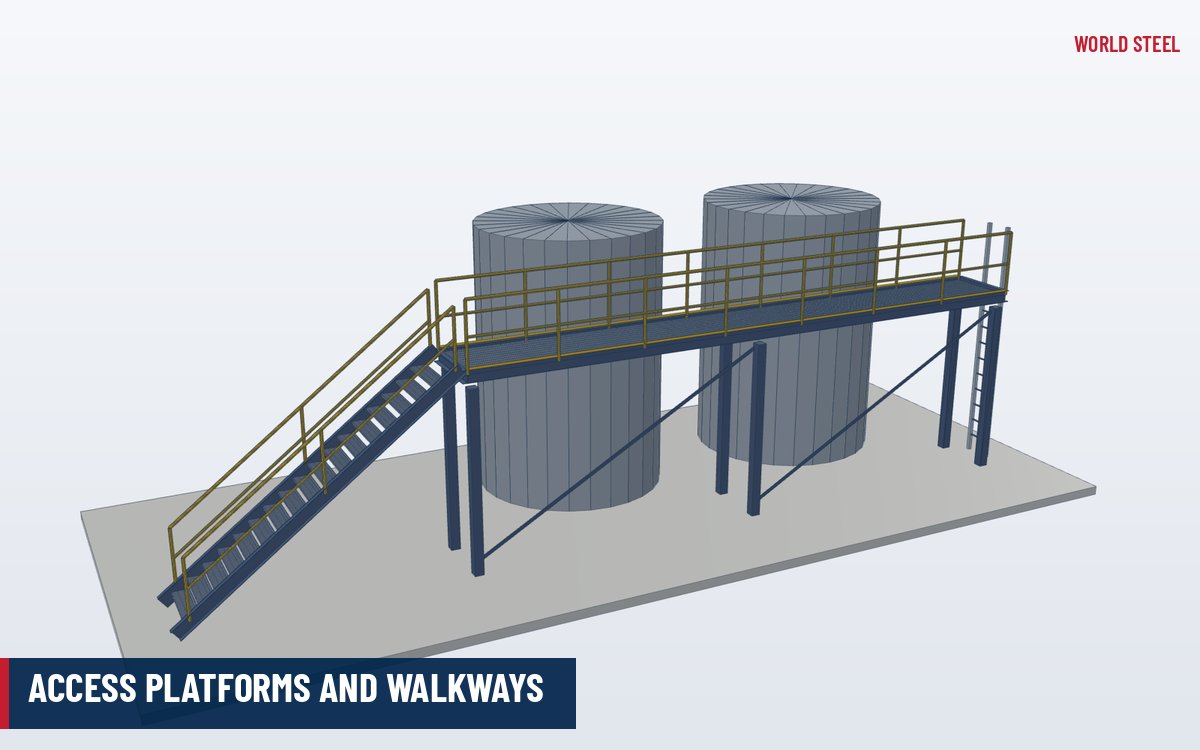
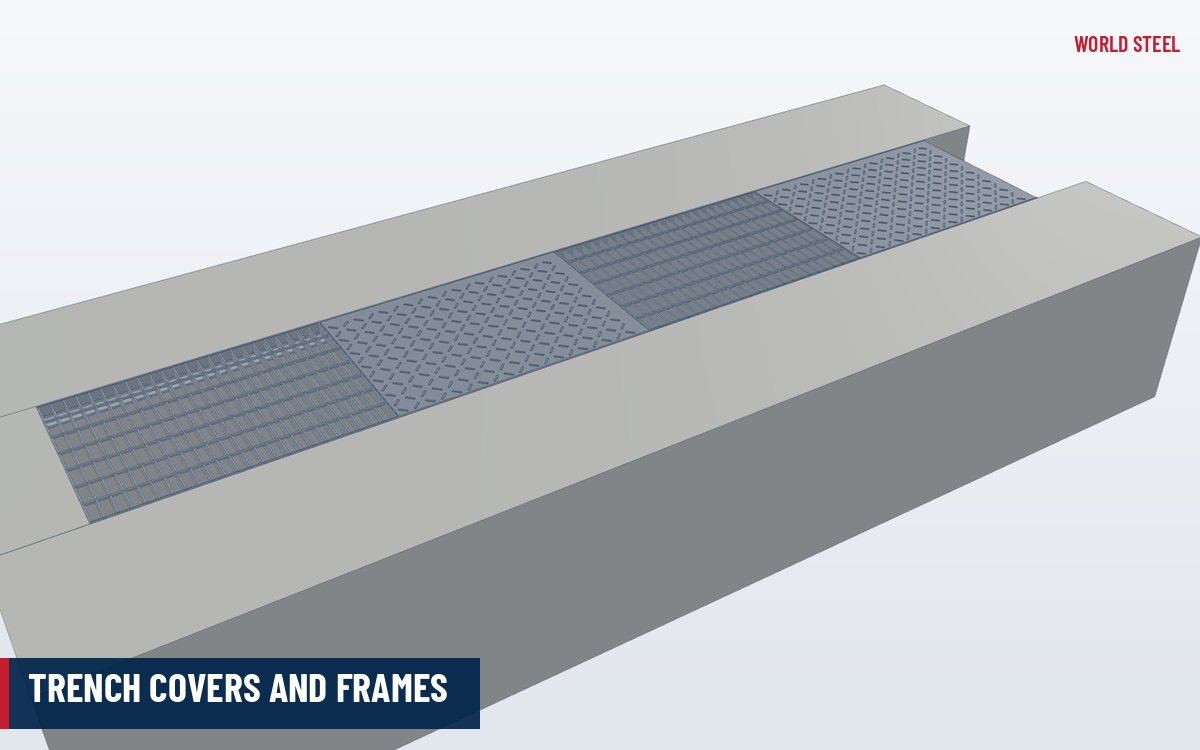
It is used where an open floor is not wanted: platforms above process equipment, electrical rooms or walkways where dropped objects must not fall through, spill-retention bunds, decks over food or pharmaceutical lines, trench and pit covers in pedestrian areas, mezzanine landings and stair landings. It is also used to close parts of an existing grating floor. World Steel supplies composite floor plate with the platforms, stairs and support frames it fabricates.
Types and options
| Option | Description | Typical use |
|---|---|---|
| Steel plate + bonded grit | Resin-bonded mineral grit on a prepared steel plate | Industrial platforms, covers, landings |
| Aluminium plate + bonded grit | Lighter base, no galvanising needed | Removable covers, marine and roof areas |
| Plate + FRP top sheet | Factory-made FRP grit sheet bonded or fixed to the plate | Wet, chemical and food areas |
| Edge and nosing strips | Contrasting yellow strips along edges and steps | Step edges, level changes, access routes |
| Fixings | Countersunk bolts, clips or lift-out handles | Fixed floors or removable access panels |
Plate thickness and stiffeners are chosen from the load and span; thin plates may need welded flat-bar or angle stiffeners underneath to control deflection. Grit size, colour and coverage are set by the surface system and the slip-resistance class required. The anti-slip surfaces and FRP sheets are proprietary products of specialist manufacturers – World Steel selects a suitable system with the client and coordinates its application.
Design and compliance
The plate is designed like any steel or aluminium floor for the imposed load and span: AS/NZS 1170.1 and AS 4100 in Australia, ASCE 7 and AISC in the US, EN 1991-1-1 and EN 1993-1-1 in Europe, with AS/NZS 1664.1, the Aluminum Design Manual or EN 1999-1-1 for aluminium. Access platforms must also satisfy AS 1657, OSHA 29 CFR 1910 Subpart D or EN ISO 14122-2, and solid floors need drainage falls or gaps where water could pond.
Slip resistance is a property of the specific surface product. In Australia it is classified to AS 4586 (wet pendulum P classes and oil-wet ramp R classes); in Europe the ramp test DIN 51130 (R9–R13) is common; US specifications nominate an ASTM coefficient-of-friction method. Test evidence is supplied by the surface system manufacturer where it exists – World Steel does not issue its own slip test reports. Check the required class with the client's safety team and the guidance for the area (wet, oily, sloping or external).
Fabrication and finishing at World Steel
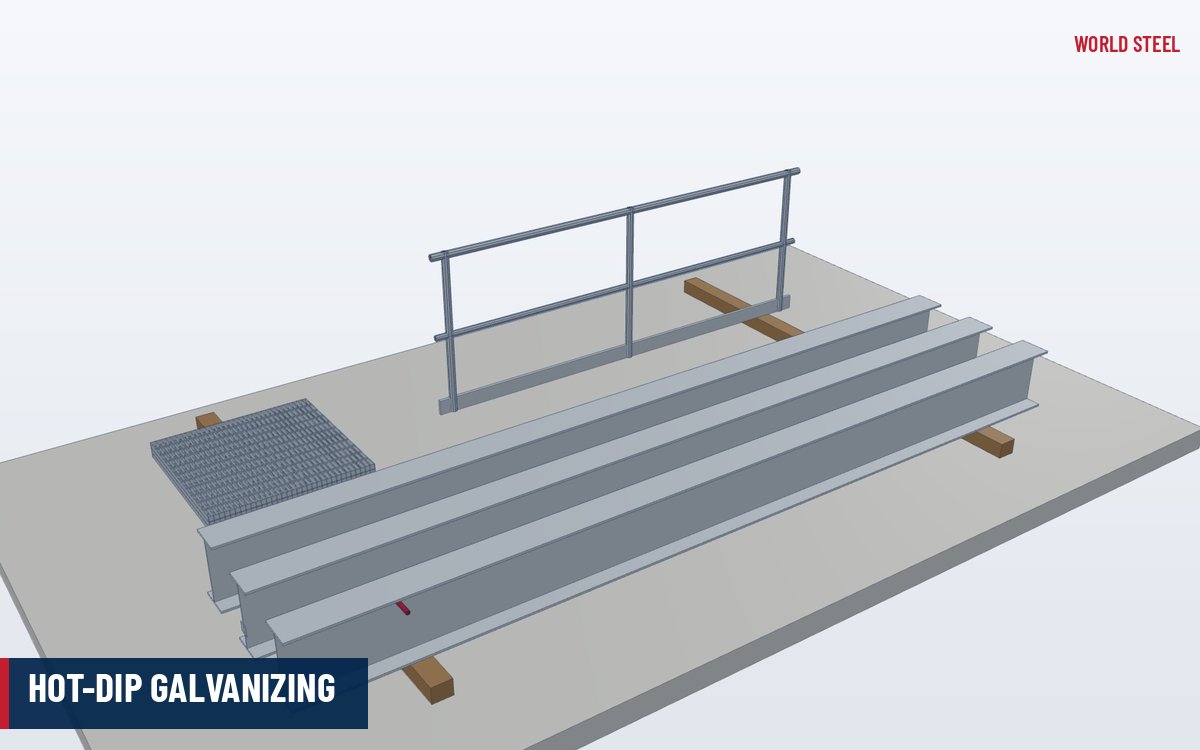
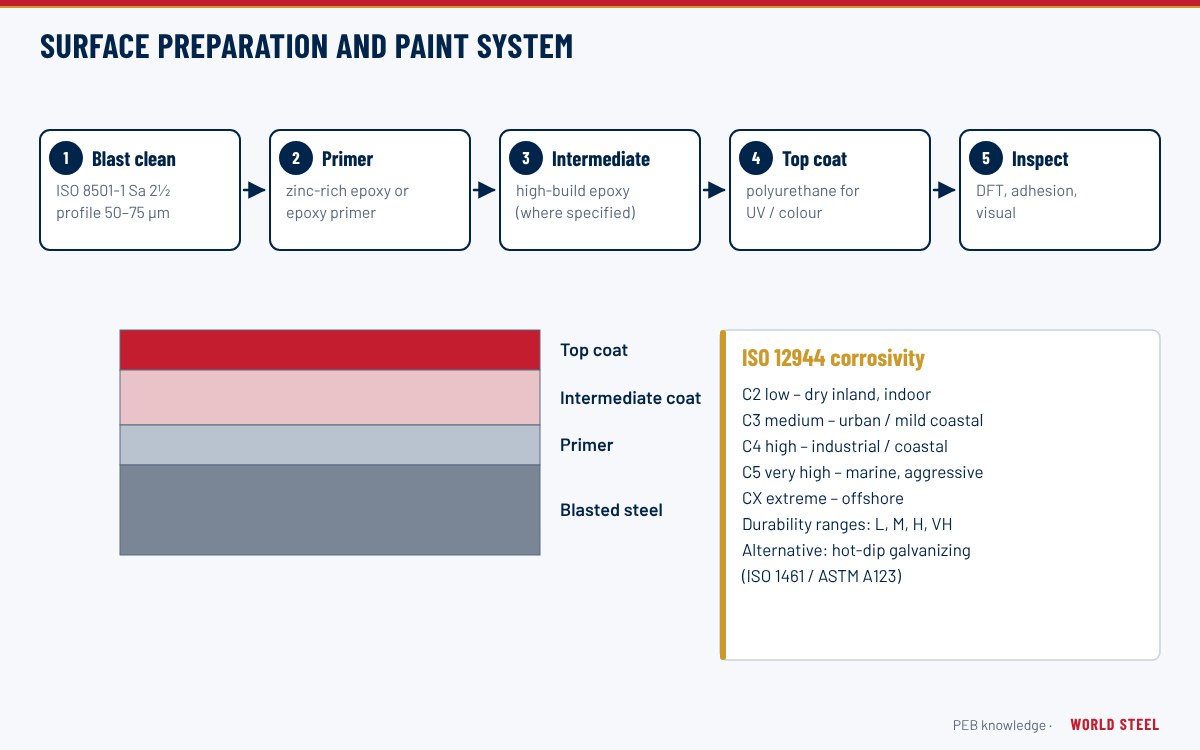
Plates are CNC cut to the layout, drilled for countersunk fixings, fitted with stiffeners where required and marked. Welding of stiffeners and frames follows qualified procedures under World Steel's ISO 3834-2 system and the AS/NZS 5131 and EN 1090-2 frameworks. Steel plates are then hot-dip galvanised by qualified galvanisers or blast cleaned and primed to the paint system – see epoxy coating systems.
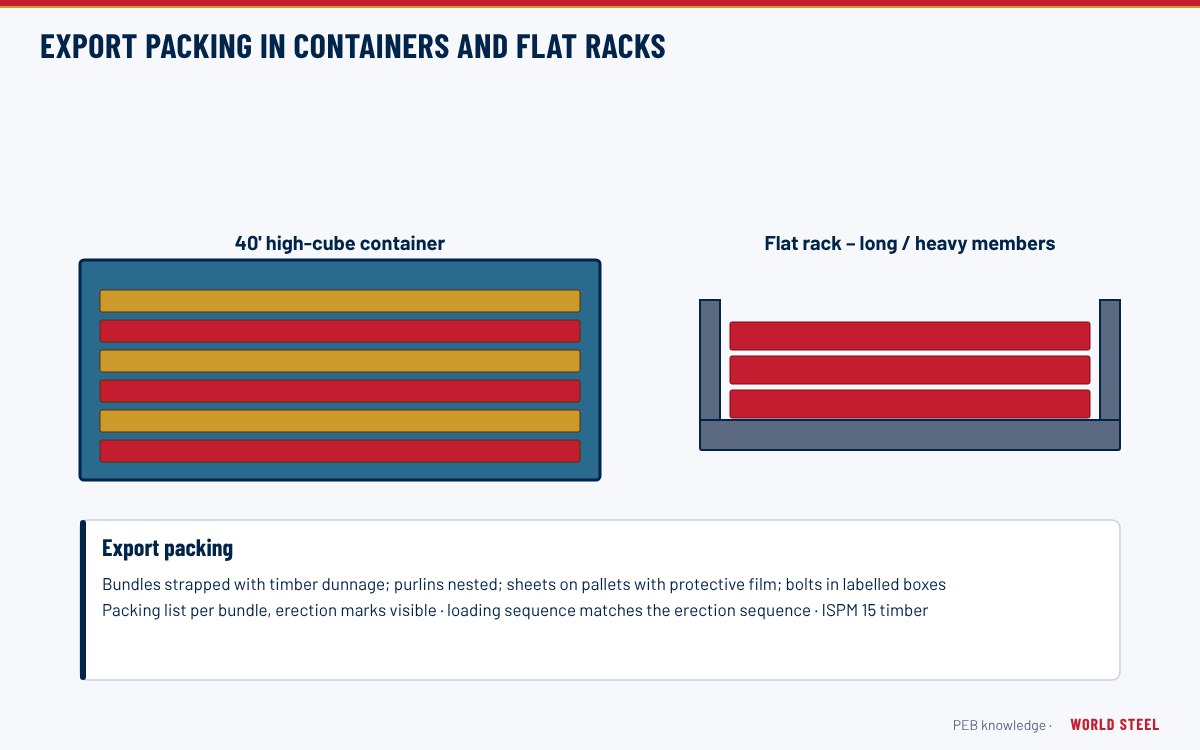
The anti-slip surface is applied over the prepared plate strictly to the surface system manufacturer's procedure – surface preparation, primer, temperature and curing – and inspected for coverage and bond. Finished plates are packed face to face with protective sheets so the grit is not damaged in transit, and shipped by area for export.
Installation and maintenance
- Fix plates with countersunk bolts or clips so no fixing head projects above the walking surface.
- Seal cut edges or drilled holes made on site with the repair kit recommended by the surface supplier.
- Clean regularly; heavy oil or grease films reduce slip resistance on any surface.
- Inspect for worn areas and re-coat high-traffic zones with the compatible system when the grit wears smooth.
各市场标准与要求
World Steel 设计、加工本产品及编制文件所依据的规范——以及各市场的主要几何与荷载要求。
 美国
- OSHA 29 CFR 1910 Subpart DWalking-working surfaces
- ASCE 7Minimum design loads – floor live loads
- AWS D1.1Structural welding code – steel
- ASTM A123Hot-dip galvanized coatings
- Heavy manufacturing live load
- 250 psf (ASCE 7 Table 4.3-1)
- Toeboard at open edges
- ≥ 3.5 in (90 mm) high (OSHA 1910.29(k))
 澳大利亚 / 新西兰
- AS 4586Slip resistance classification of new pedestrian surface materials
- AS 1657-2018Fixed platforms, walkways, stairways and ladders
- AS/NZS 1170.1Imposed actions
- AS/NZS 3678Structural steel – hot-rolled plates and floorplates
- AS/NZS 4680Hot-dip galvanized coatings
- Walkway clear width
- ≥ 600 mm (AS 1657)
- Slip resistance
- Class to suit the area, per AS 4586 test data
 欧洲
- DIN 51130Slip resistance – ramp test, R9–R13
- EN ISO 14122-2Working platforms and walkways
- EN 1991-1-1Imposed loads on buildings
- EN 10025-2Hot-rolled structural steel
- EN ISO 12944Protective paint systems
- Walkway clear width
- ≥ 600 mm, preferably 800 mm (EN ISO 14122-2)
- Toe-plate
- ≥ 100 mm high (EN ISO 14122-3)
摘要仅供参考——以项目技术规格书、所采用的规范版本及主管机构要求为准。
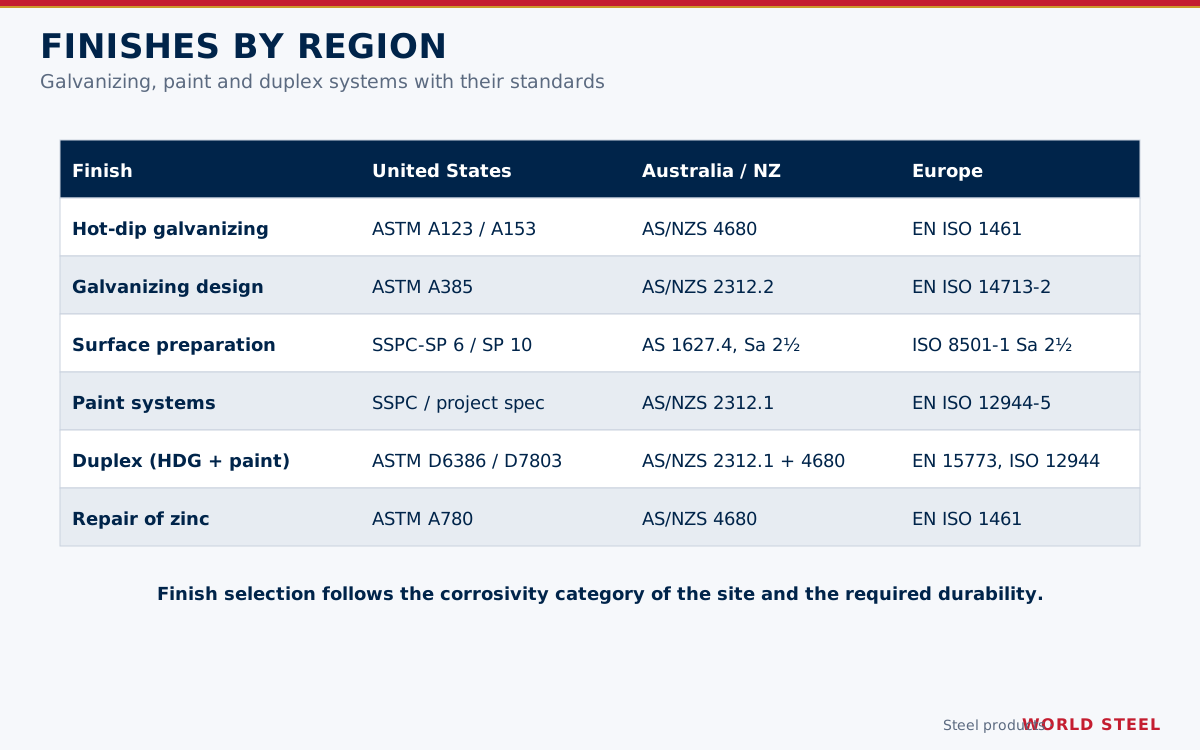
表面处理
| 表面处理 | 标准 / 备注 |
|---|---|
| HDG base + bonded grit surface | ASTM A123 · AS/NZS 4680 · EN ISO 1461 + surface system |
| Painted base + bonded grit surface | SSPC-SP 10 · AS 1627.4 · ISO 8501-1 Sa 2½ + surface system |
| Plate + FRP grit top sheet | Manufacturer's system; slip data to AS 4586 / DIN 51130 |
常见问题
How is composite floor plate different from checkered plate?
Checkered plate relies on a raised pattern rolled into the steel; composite plate has a bonded grit or FRP surface that grips much better when wet or oily.
Can you provide slip test certificates?
Slip resistance belongs to the surface product, so test evidence to AS 4586, DIN 51130 or an ASTM method is supplied by the surface system manufacturer where it exists. World Steel supplies it with the documentation package.
Can the plates be removable?
Yes. Plates can be supplied with lift-out handles and countersunk or clip fixings for maintenance access.
Is the steel galvanised under the anti-slip layer?
Usually, yes – or blast cleaned and primed – following the surface system manufacturer's instructions for the substrate.
 New Zealand
 AS/NZS 5131 CC3
 EN 1090 EXC3 · CE