ENEnglish
 VITiếng Việt
 ZH中文
 KO한국어
 JA日本語
 FRFrançais
 ITItaliano
 PTPortuguês
 ESEspañol
 HEעברית
 ARالعربية

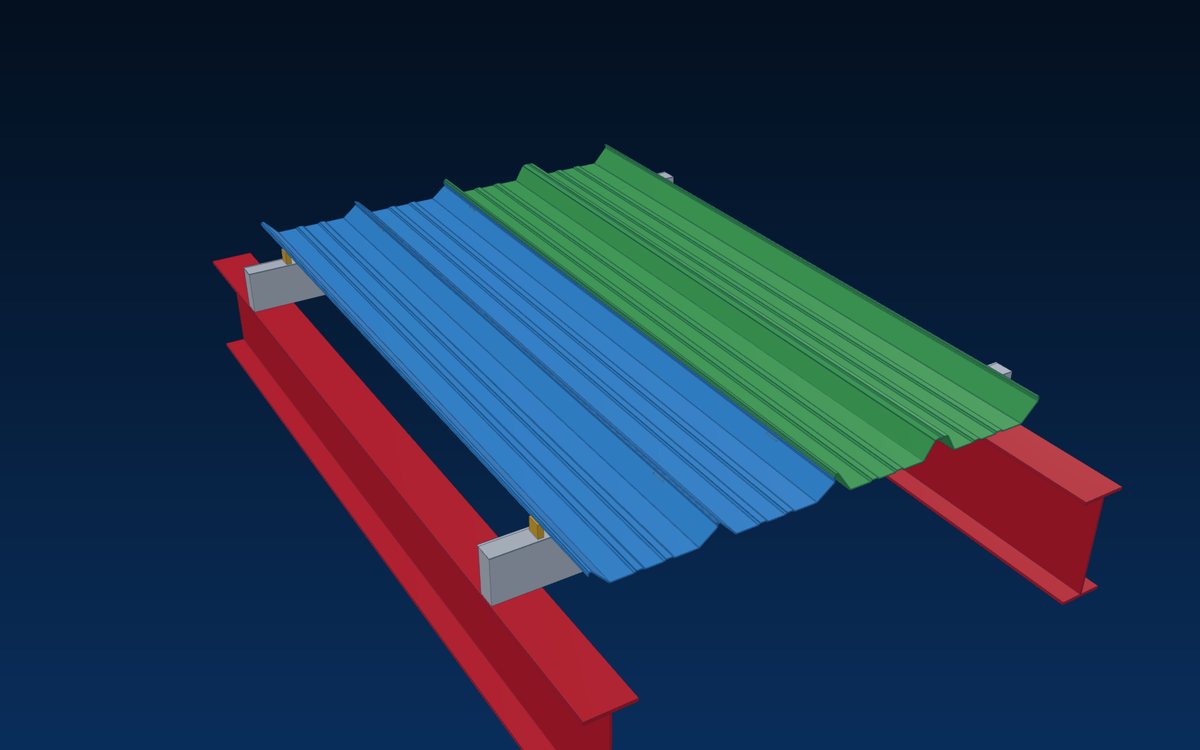
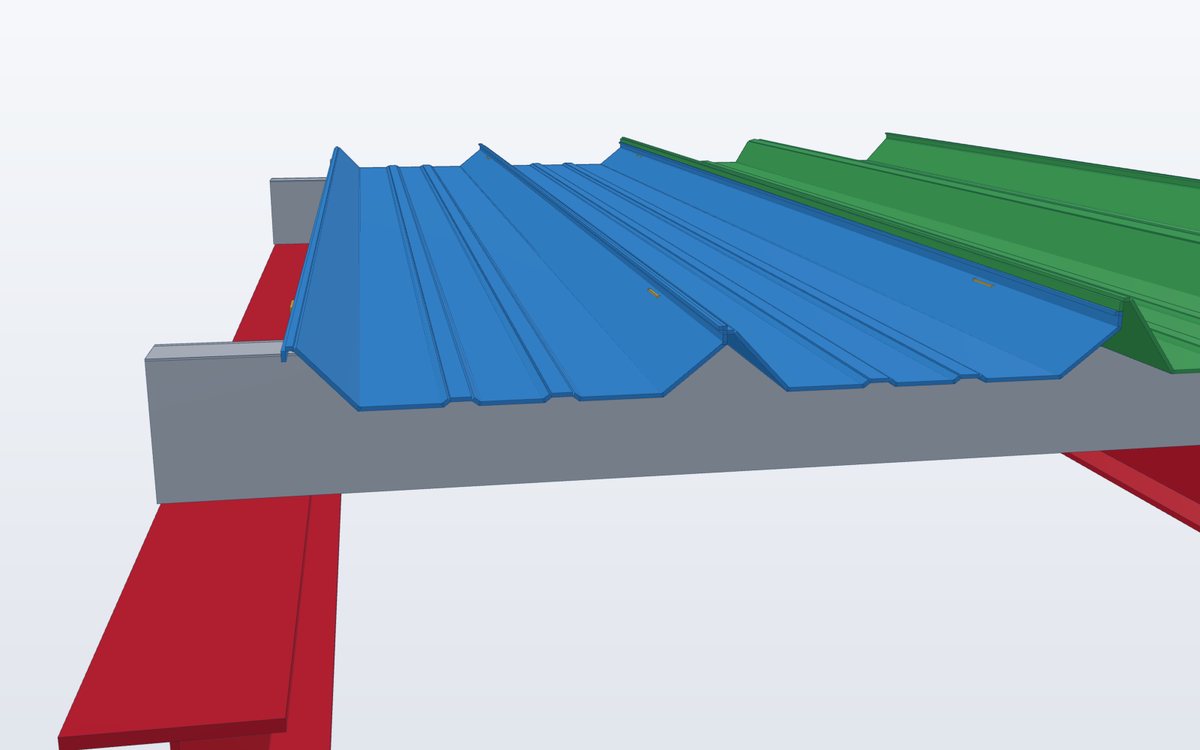
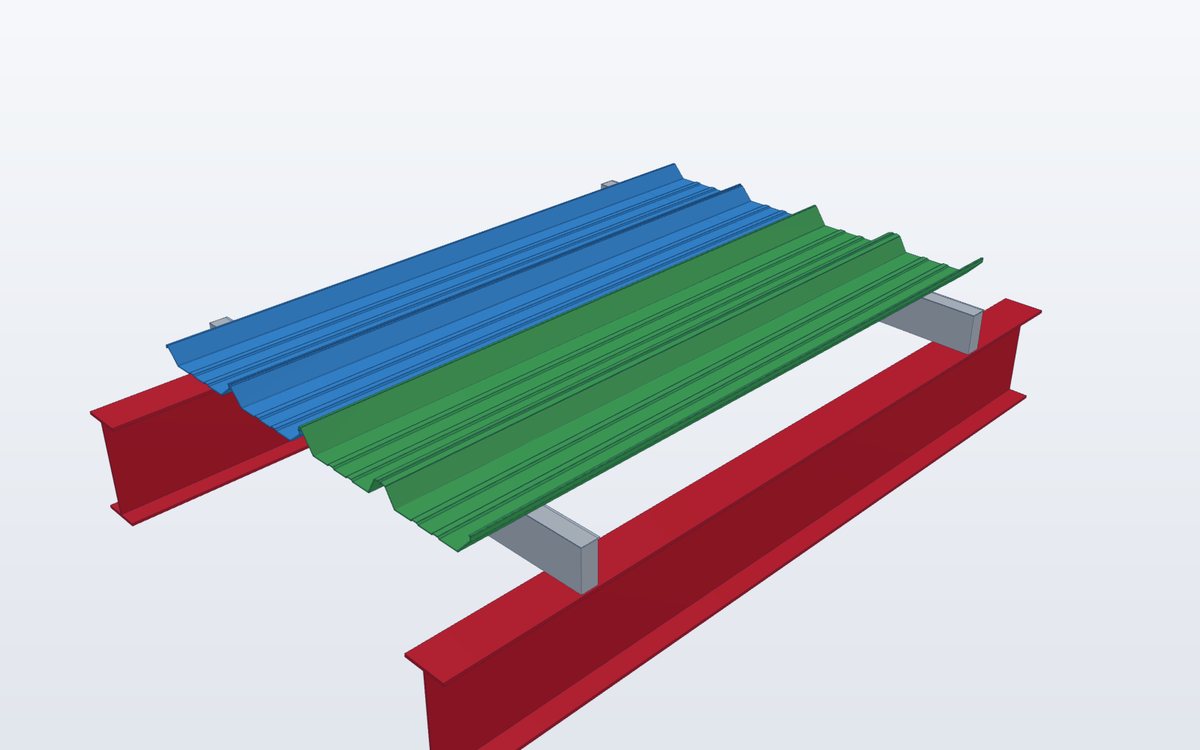
- Five profiles: WS 1000-81-3, 1040-70-3, 500-60-2, 485-65-2, 470-81-2
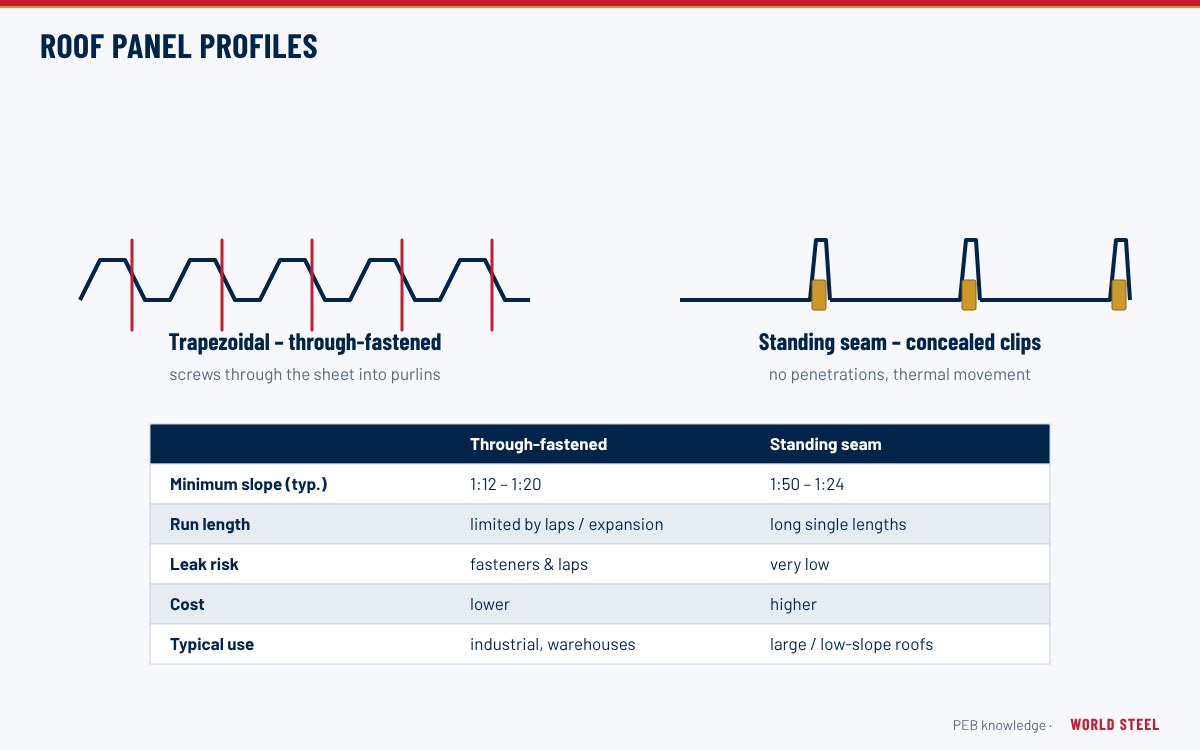
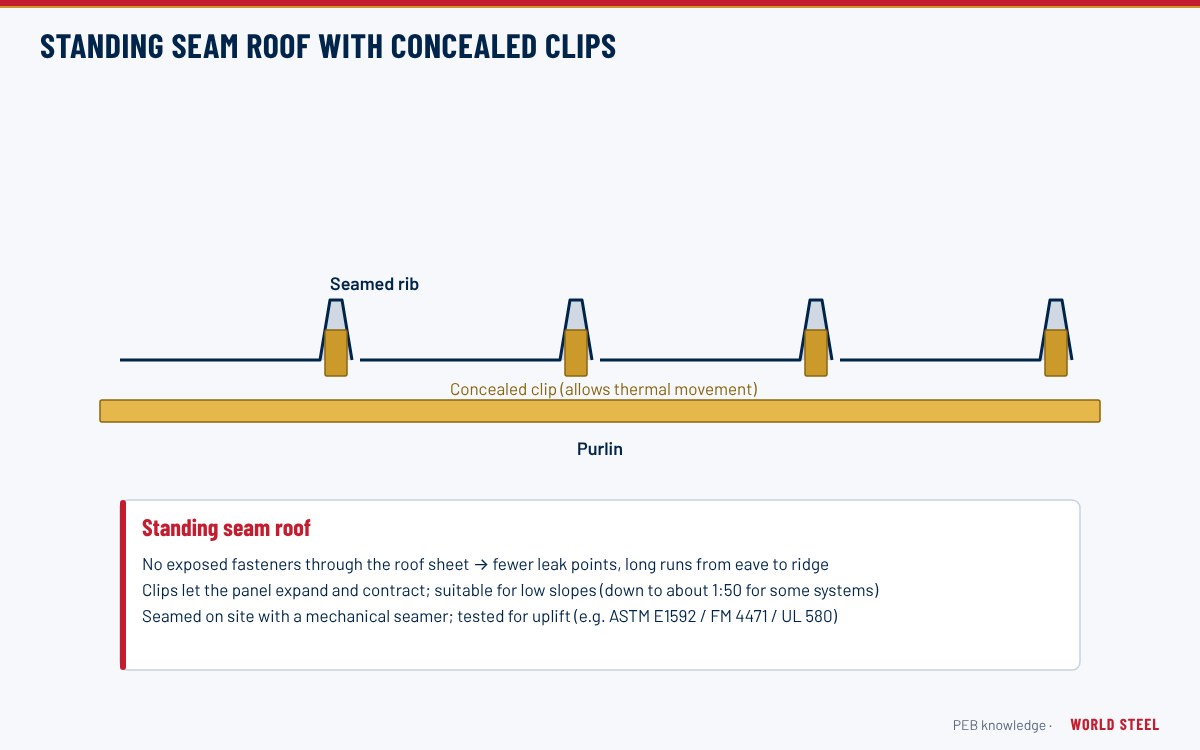
- Concealed clips – no through-fasteners in the roof sheet
- Seams closed on site with a seaming machine, sealant in the lap
- Allows thermal movement of long sheets
- Base metal 0.47–0.60 mm, G300–450
How a standing seam roof works
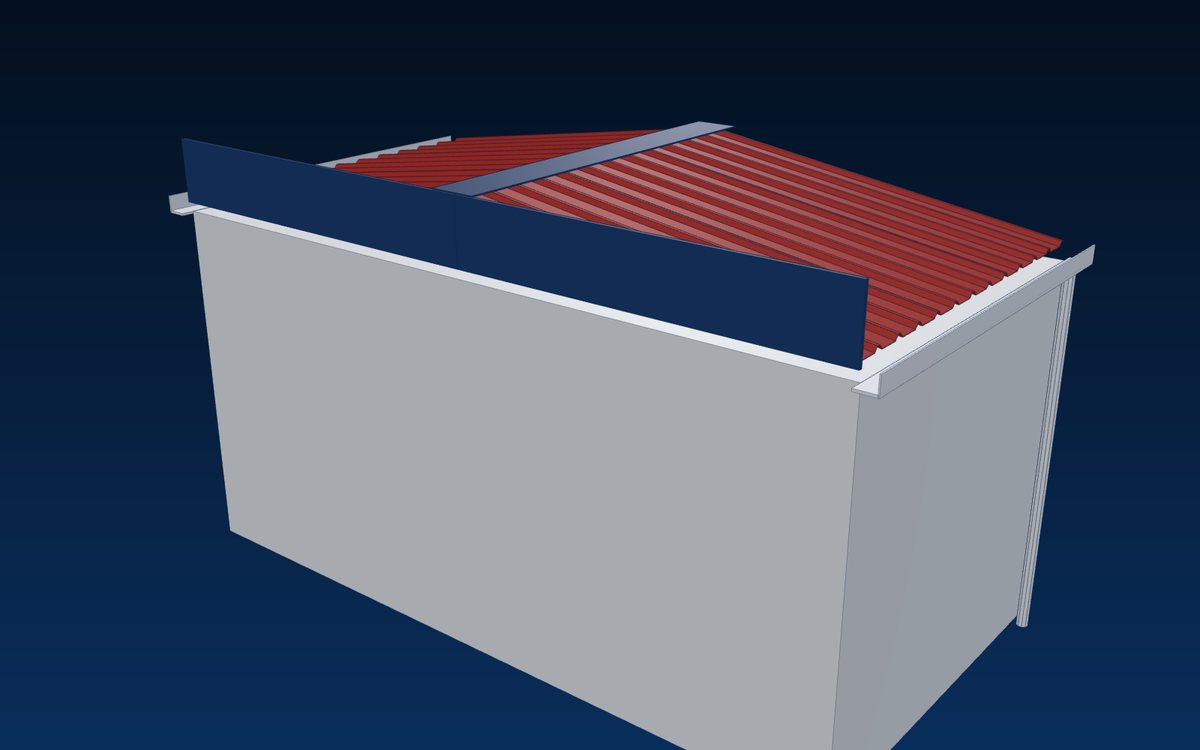
A standing seam roof has no screws through the sheet. Each sheet is held by concealed clips fixed to the purlins; the side laps of neighbouring sheets are rolled together into a continuous seam with a portable seaming machine, and sealant is injected into the lap. The roof becomes one watertight membrane that can slide on its clips as it expands and contracts.
This makes standing seam the preferred roof for long sheets, low slopes and large industrial and logistics buildings – see our standing seam roof systems article.
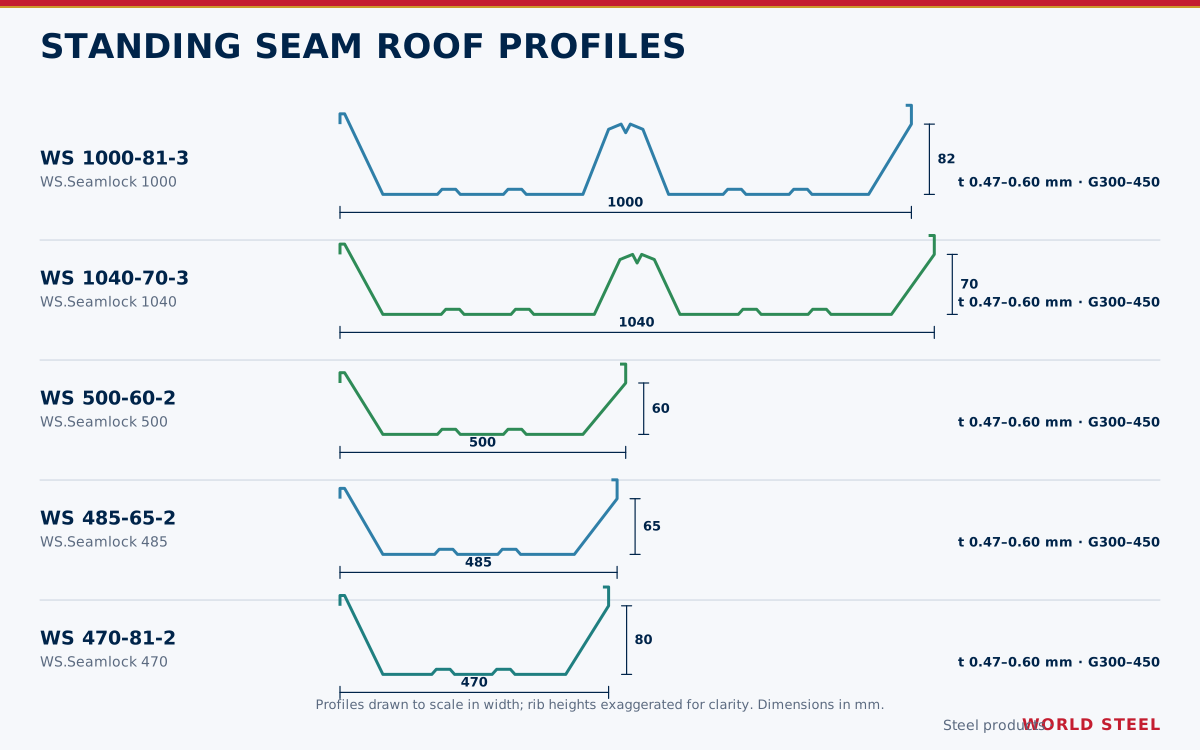
Profiles and technical data
| Code | Cover (mm) | Coil width (mm) | Rib (mm) | Thickness (mm) | Yield | Use |
|---|---|---|---|---|---|---|
| WS 1000-81-3 | 1000 | 1200 | 82 | 0.47–0.60 | G300–450 | Roof |
| WS 1040-70-3 | 1040 | 1200 | 70 | 0.47–0.60 | G300–450 | Roof |
| WS 500-60-2 | 500 | 598 | 60 | 0.47–0.60 | G300–450 | Roof |
| WS 485-65-2 | 485 | 1200 | 65 | 0.47–0.60 | G300–450 | Roof |
| WS 470-81-2 | 470 | 595 | 80 | 0.47–0.60 | G300–450 | Roof |
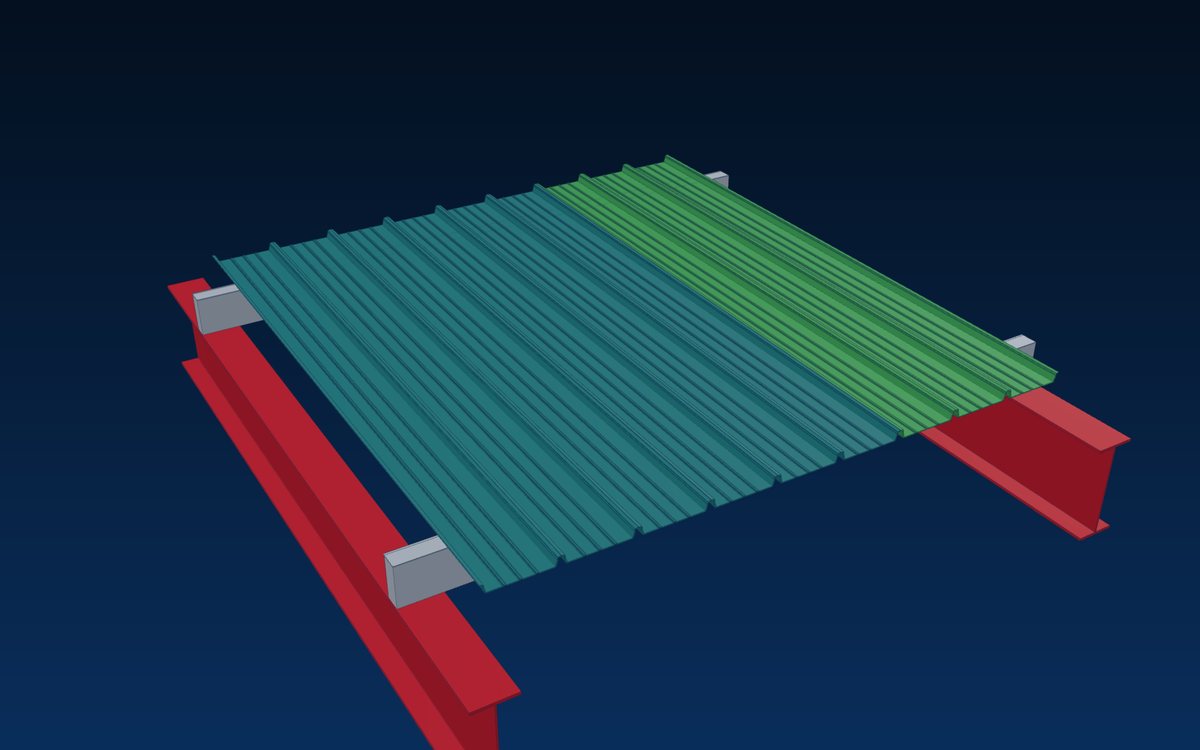
The 1000 and 1040 mm profiles have a centre rib and two pans; the 470–500 mm profiles are single-pan sheets for the most demanding wind areas.
Installation sequence
- Fix the clips to the purlins along the first sheet line
- Lay the sheet, engage the next clip row and the next sheet
- Pre-crimp, then close the seam with the seaming machine
- Inject sealant in the lap where specified; fix ridge and eave closures and flashings
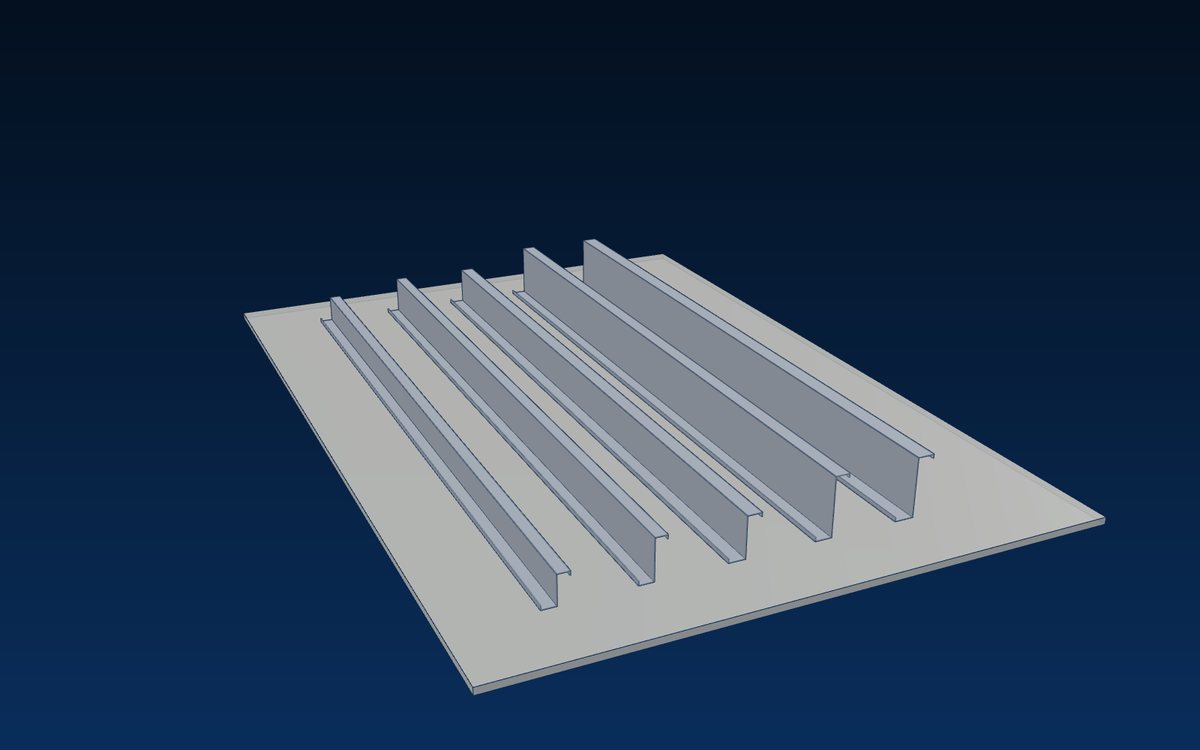
Clip spacing follows the purlin spacing and the wind design. Use the matching WS clip for each profile – clips are not interchangeable between profiles.
各市场标准与要求
World Steel 设计、加工本产品及编制文件所依据的规范——以及各市场的主要几何与荷载要求。
 美国
- ASTM A653 / A792Galvanized / 55 % Al-Zn coated sheet
- ASTM A755Coil-coated (pre-painted) metallic-coated sheet
- AISI S100Cold-formed steel design
- ASTM E1592 · UL 580Wind uplift testing of roof panels
 澳大利亚 / 新西兰
- AS 1397Metallic-coated steel sheet – G300 to G550, Z / AZ coatings
- AS/NZS 2728Pre-finished / pre-painted sheet
- AS 1562.1Design and installation of metal roof and wall cladding
- AS 4040Methods of testing sheet roof and wall cladding (incl. cyclonic)
 欧洲
- EN 10346Continuously hot-dip coated steel flat products
- EN 10169Organic coated (pre-painted) steel flat products
- EN 14782Self-supporting metal sheet for roofing and cladding – CE marking
- EN 1993-1-3Cold-formed members and sheeting
摘要仅供参考——以项目技术规格书、所采用的规范版本及主管机构要求为准。
表面处理
| 表面处理 | 标准 / 备注 |
|---|---|
| Zinc-aluminium (AZ) coated | AZ100–AZ150 · AS 1397 / ASTM A792 / EN 10346 |
| Galvanized (Z) | Z180–Z275 · AS 1397 / ASTM A653 / EN 10346 |
| Pre-painted | Polyester or SMP paint system on AZ / Z substrate · AS/NZS 2728 / ASTM A755 / EN 10169 |
| Colours | Standard colour range; special colours on minimum order quantity |
常见问题
Why choose standing seam instead of screw-fixed sheets?
There are no fastener holes in the roof sheet, the seam is continuous and the sheet can move on its clips – a more watertight roof for long sheets and low slopes.
Which profile should I use?
Wide 1000 / 1040 mm profiles cover faster; narrow 470–500 mm single-pan profiles give more clips per square metre for high wind areas. The choice follows the wind design and purlin spacing.
Do you supply the seaming machine?
Seaming is done on site with a portable seaming machine; it can be provided with installation supervision on request.
 IAS AC472