ENEnglish
 VITiếng Việt
 ZH中文
 KO한국어
 JA日本語
 FRFrançais
 ITItaliano
 PTPortuguês
 ESEspañol
 HEעברית
 ARالعربية

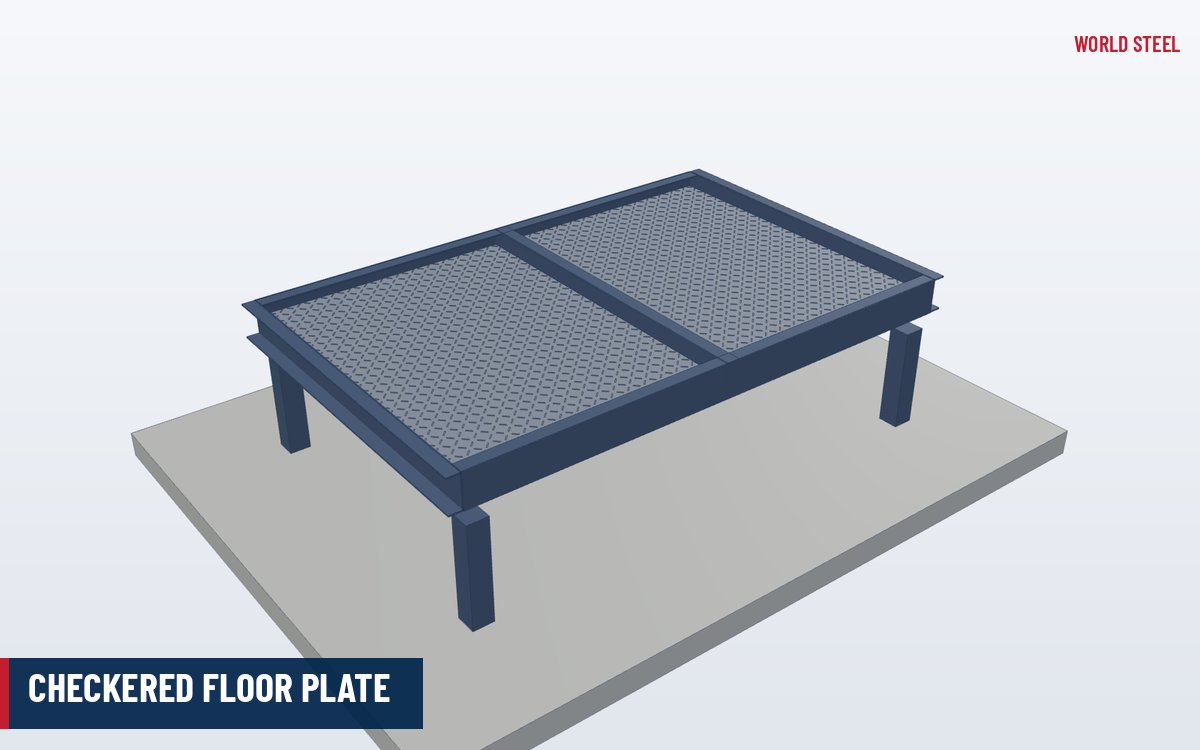
- Raised-pattern plate for solid, slip-resistant steel floors
- ASTM A786, AS/NZS 3678 and EN 10025-2 / DIN 59220 plate
- Cut to layout with stiffeners, lifting holes and hatches
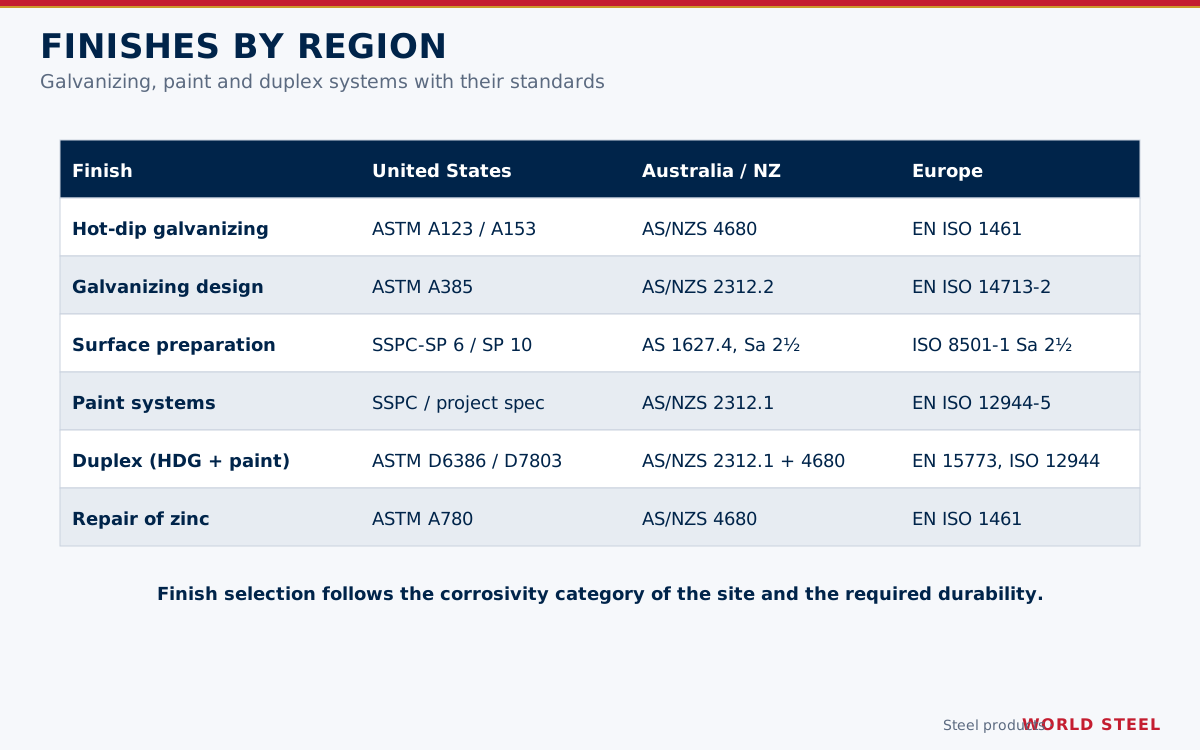
- Galvanized, painted or duplex finish by region
- Panels marked to match shop drawings and IFC model
What it is
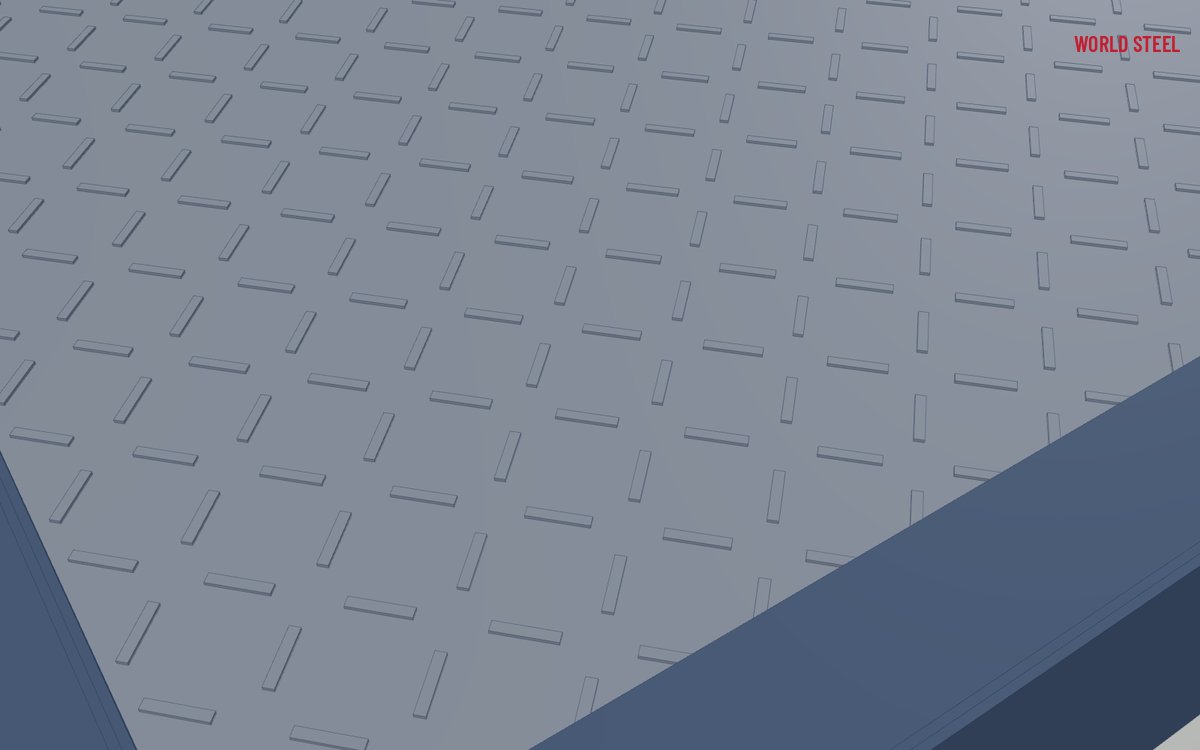
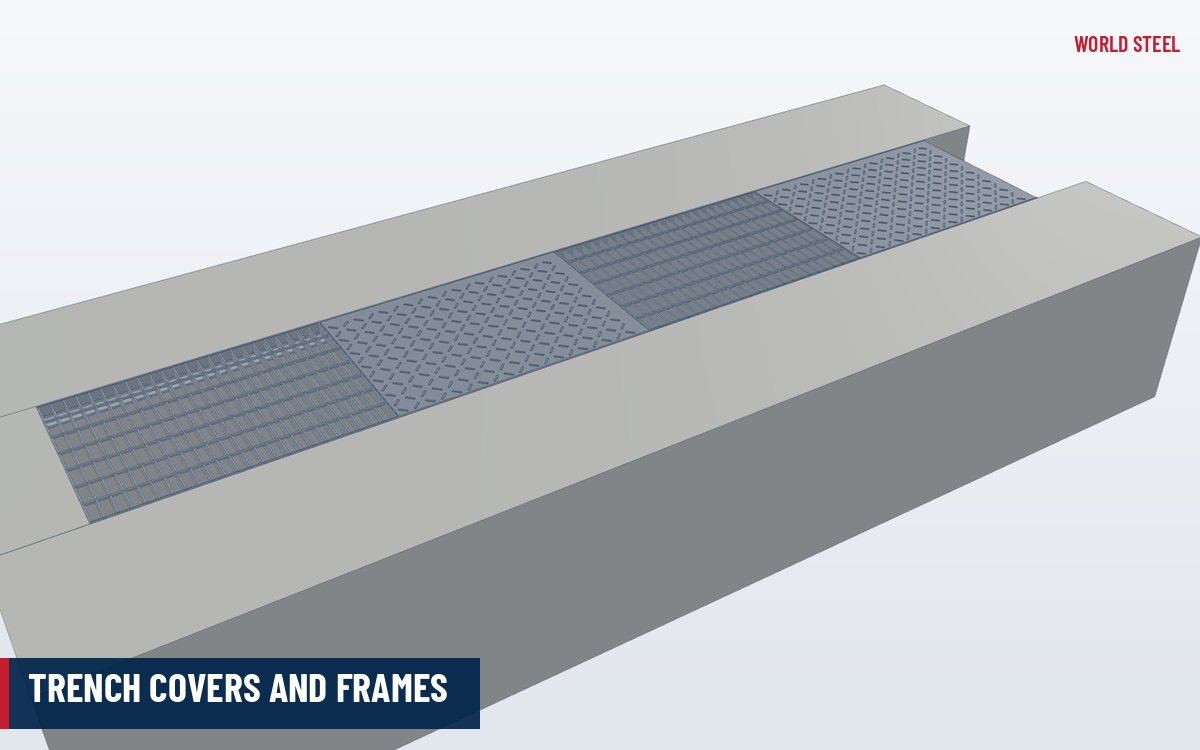
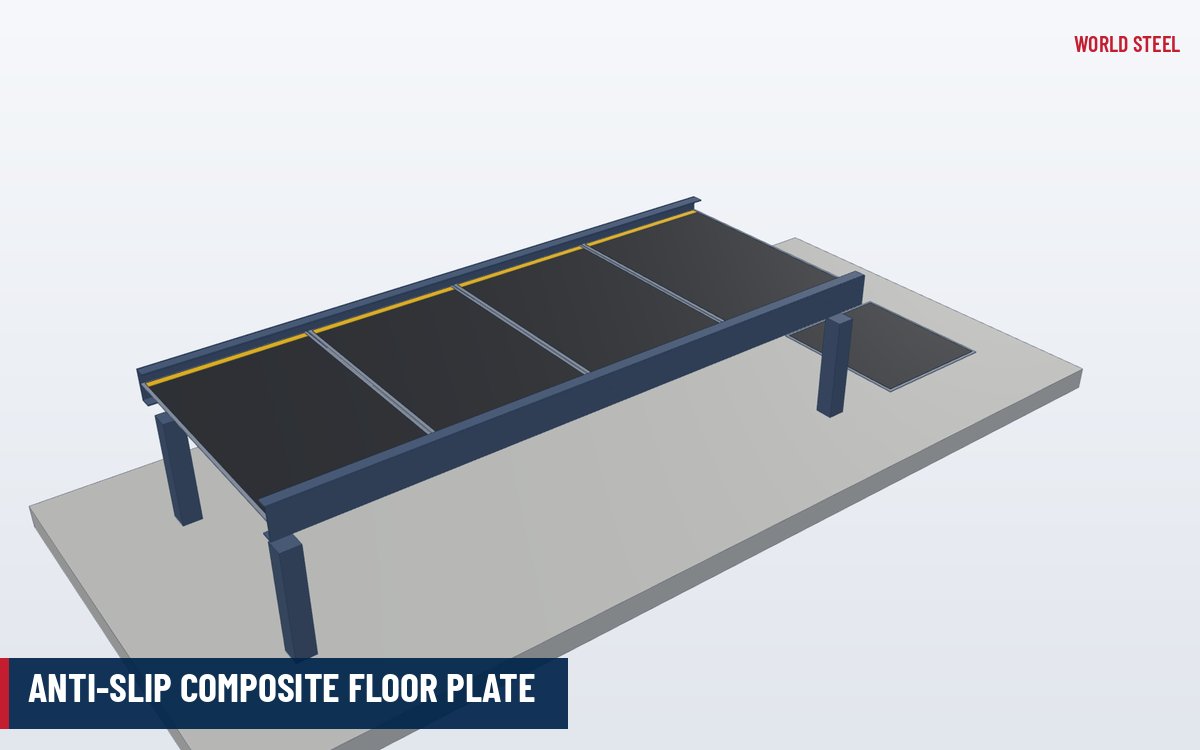
Checkered floor plate (also called chequer plate, tread plate or diamond plate) is hot-rolled steel plate with a raised pattern on the top surface. Unlike bar grating it gives a solid floor, so it is used where liquids, small parts, sparks or light must not pass through: platforms over electrical equipment, covers over pits and trenches, vehicle ramps, machine bases, step plates, and kick plates at the edge of platforms.
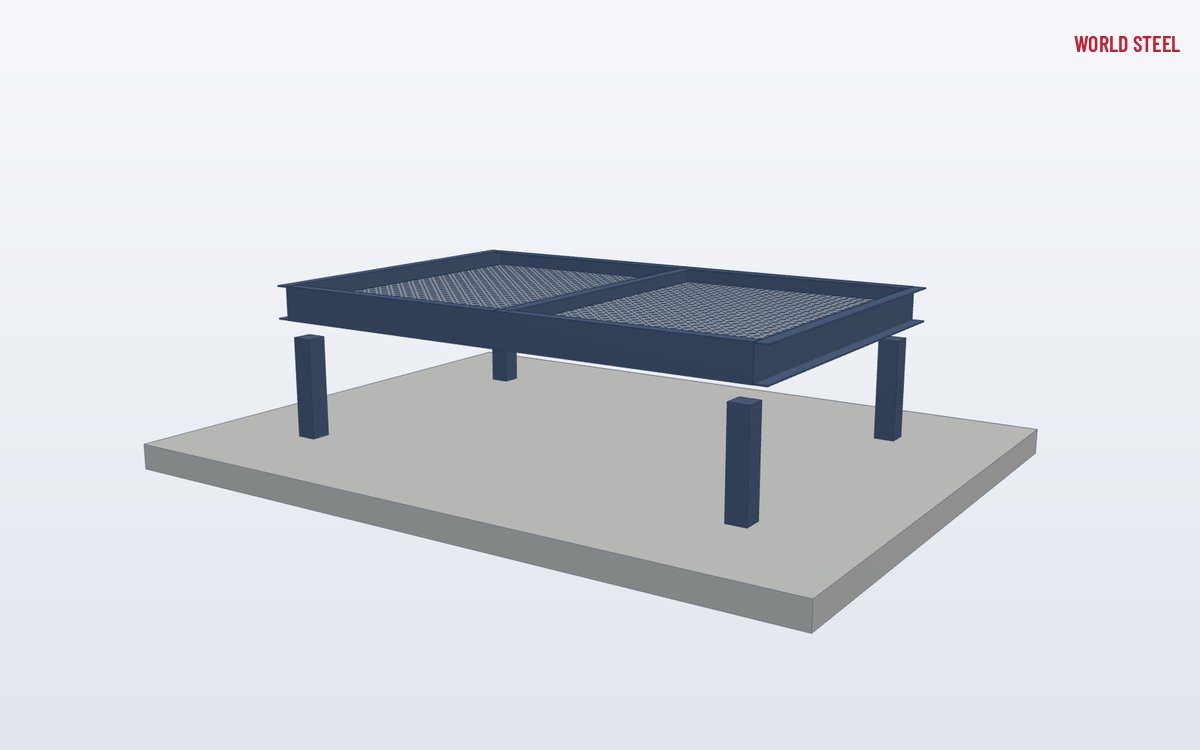
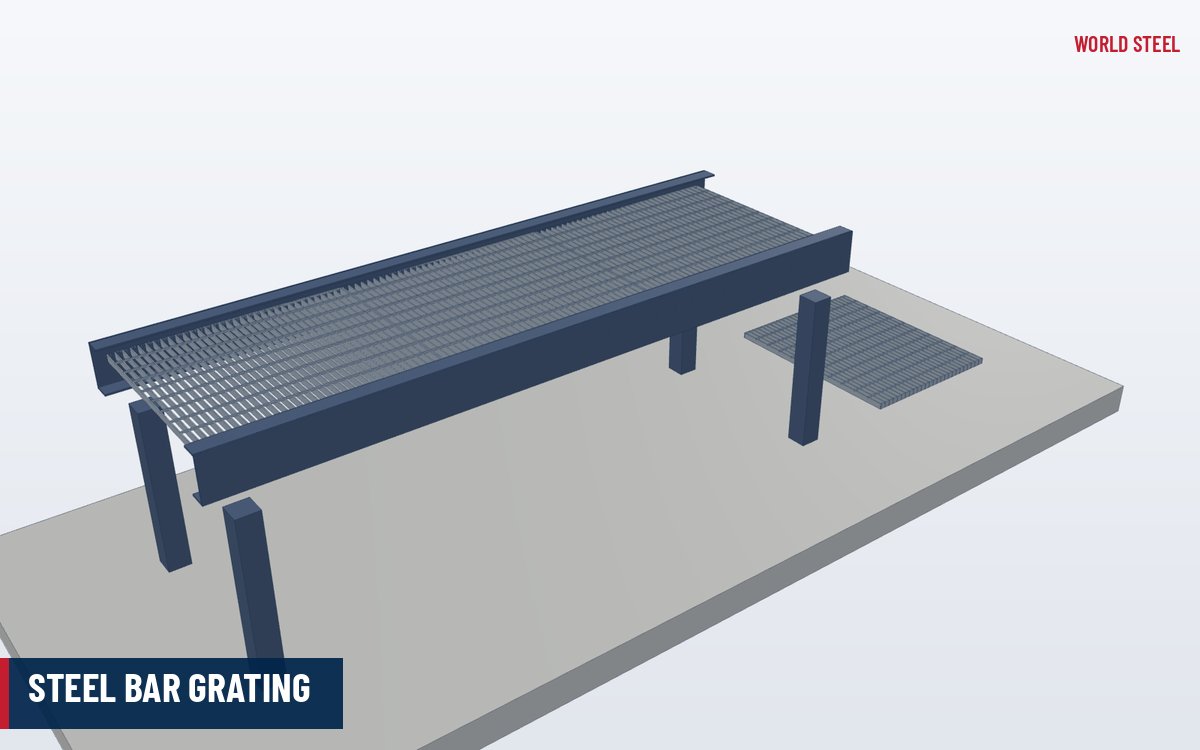
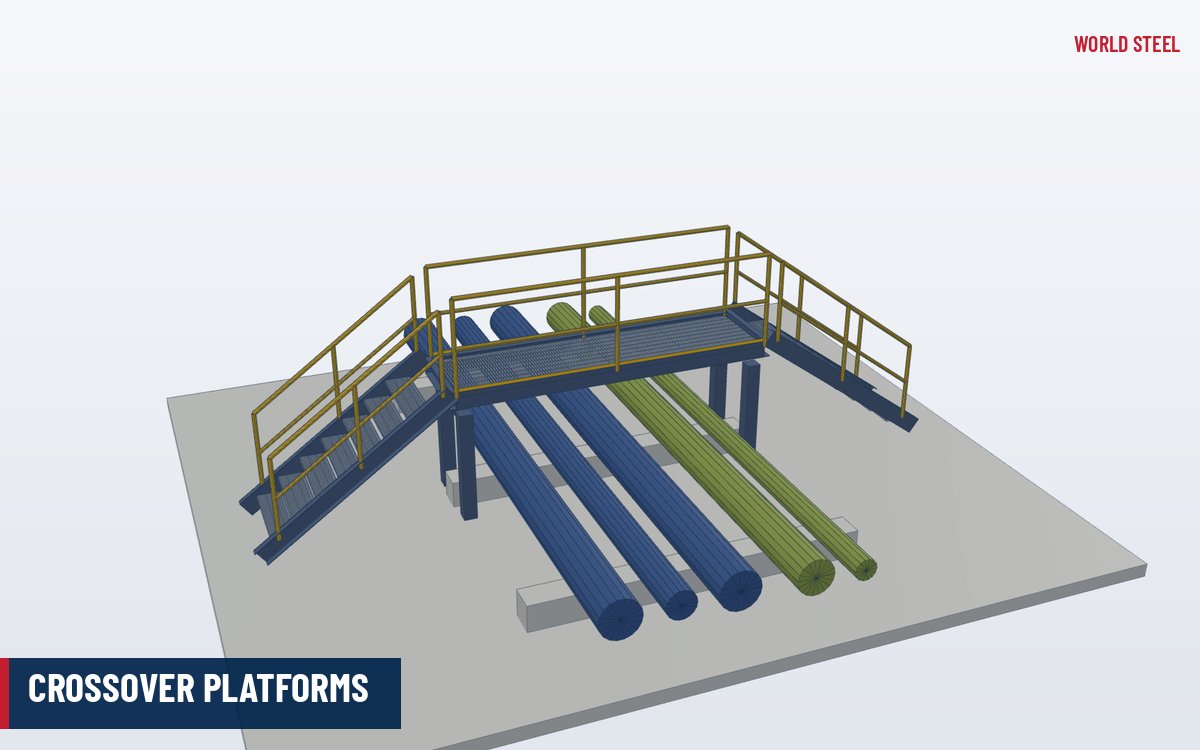
Floor plate is heavier than grating for the same span and needs stiffeners on larger panels, but it can be combined with grating in the same platform – for example solid plate under a valve station and grating elsewhere.
Types and options
| Option | Choices | Notes |
|---|---|---|
| Pattern | Diamond, multi-bar (lentil), teardrop | Pattern depends on the producing mill and the regional product standard |
| Thickness | Typical 3–12 mm (⅛–½ in) base thickness | Measured on the base plate, excluding the raised pattern |
| Stiffening | Flat bar or angle stiffeners welded underneath | Reduces plate thickness and deflection on larger spans |
| Openings | Drain holes, lifting holes, hinged hatches | Hatches can be framed and hinged for access to valves or pits |
| Fixing | Countersunk bolts, clips, welded | Removable panels bolted; permanent floors may be stitch-welded |
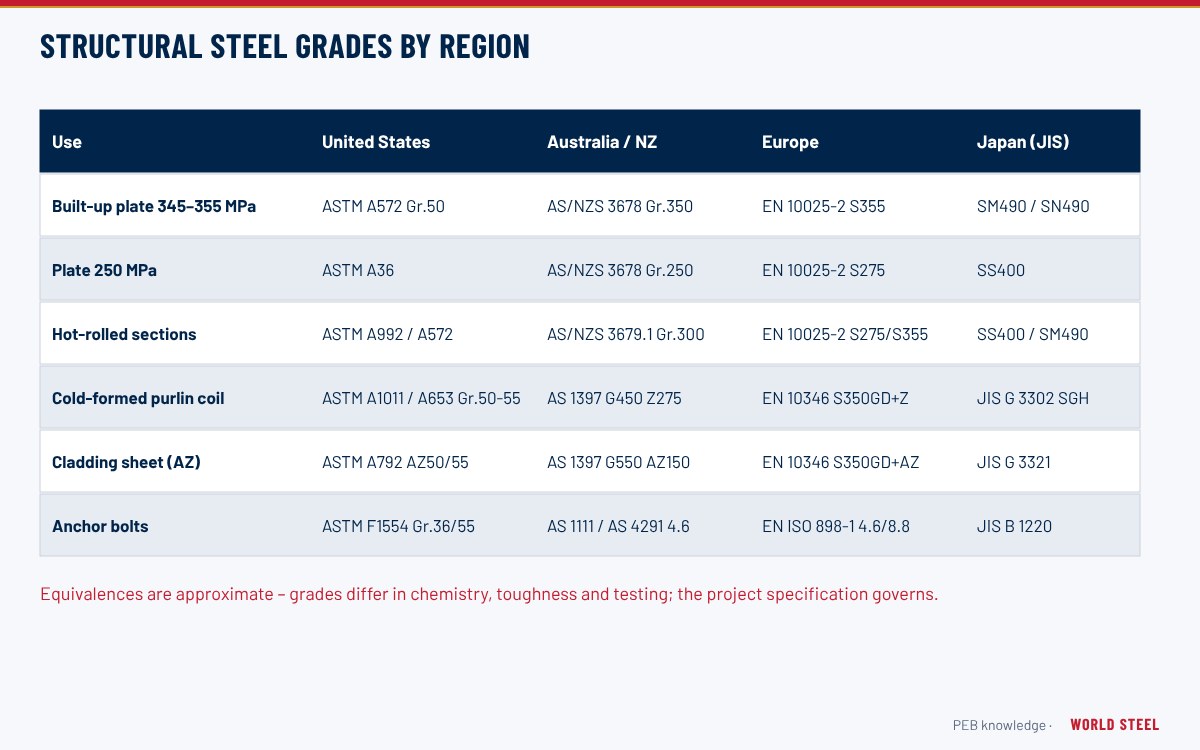
Material is specified by region: ASTM A786 rolled floor plate (with A36 or a similar mechanical grade) in the US, AS/NZS 3678 floorplate in Australia and New Zealand, and EN 10025-2 steel such as S235 or S275 with a chequer pattern to DIN 59220 in Europe.
Design and compliance
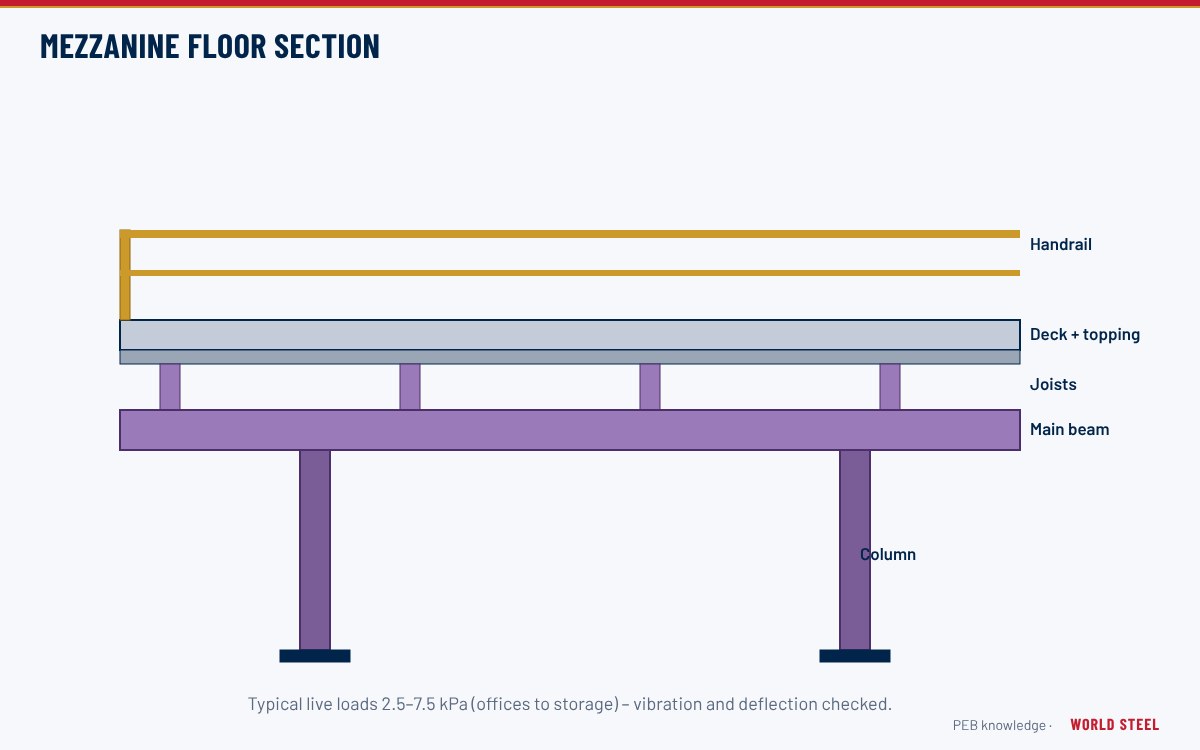
A floor plate panel is designed as a plate spanning one or two ways between supports. The governing check is usually deflection under the specified floor load or a concentrated load, rather than strength; stiffeners are added where the plate would otherwise become too thick. Floor loads come from ASCE 7 in the US (for example 125 psf light manufacturing, 250 psf heavy manufacturing), AS/NZS 1170.1 in Australia and EN 1991-1-1 in Europe; the deflection limit is set by the designer.
- Floor plate is slippery when oily or wet. Where slip resistance is critical, consider serrated grating, an abrasive coating, or classifying the surface to AS 4586.
- Plates must be drained or laid to a fall outdoors; ponding water shortens coating life.
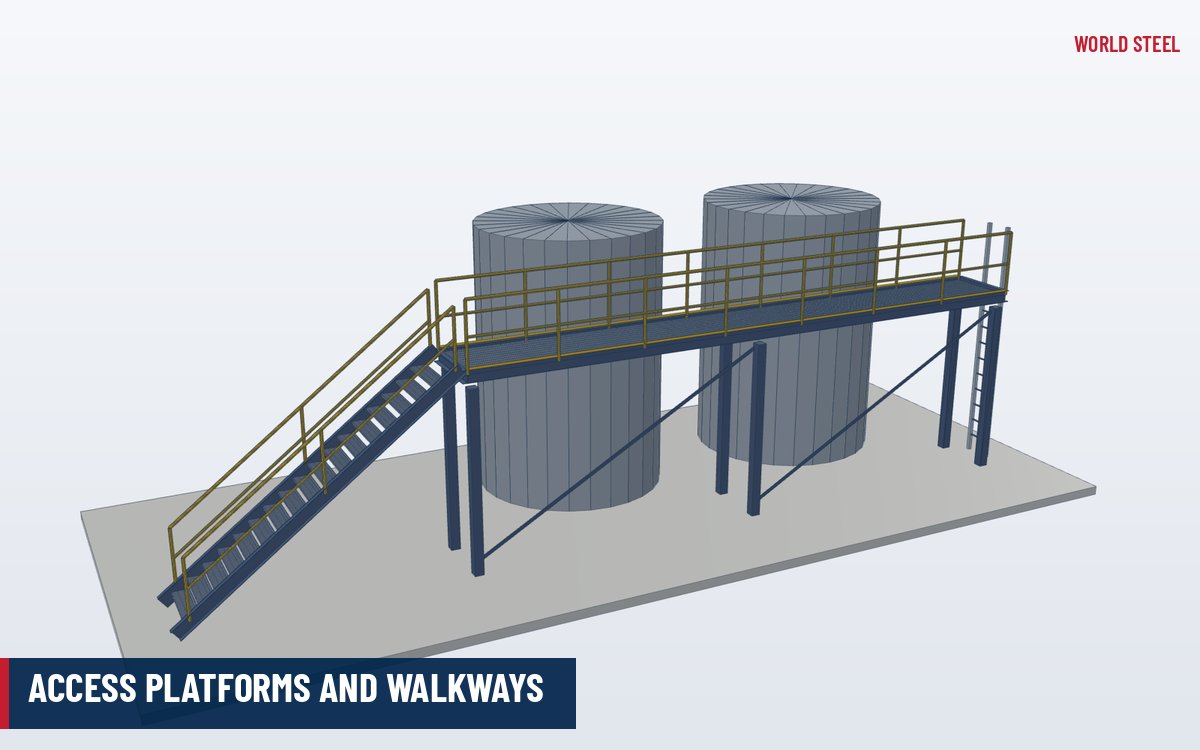
- Where plate forms part of a platform, guardrails, toe plates and access widths follow the platform rules (OSHA 1910 Subpart D, AS 1657, EN ISO 14122-2).
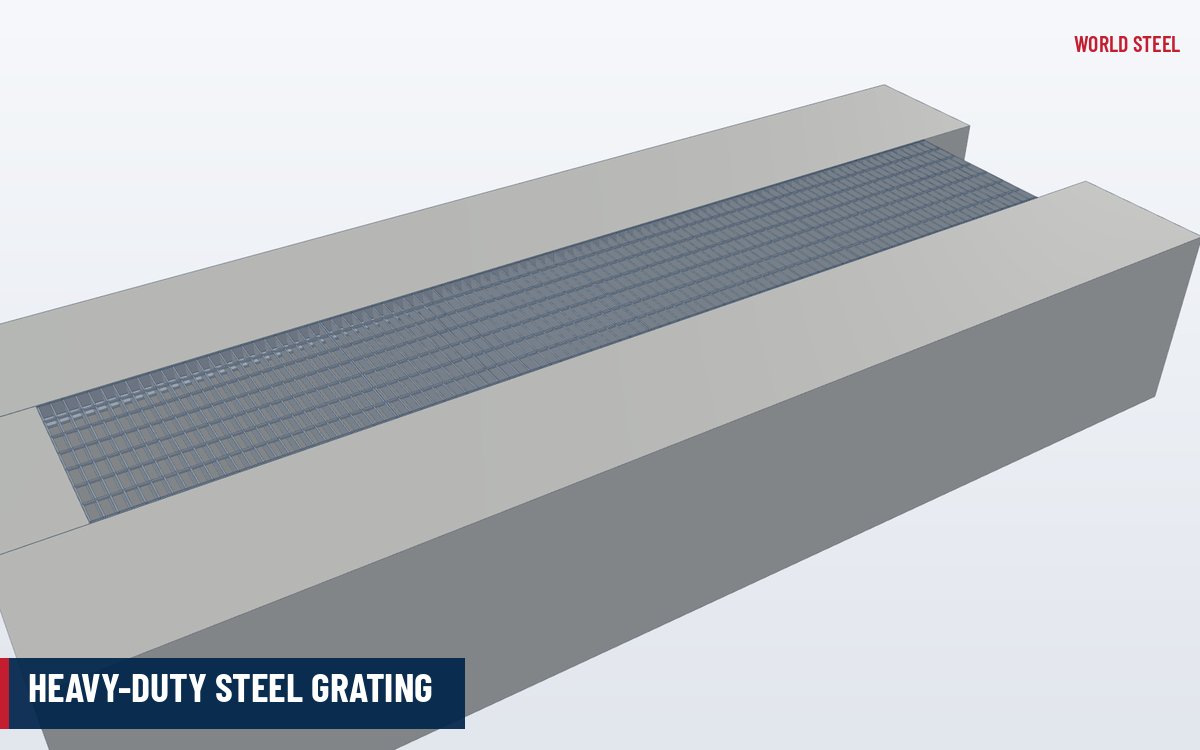
- For trafficked covers the plate and frame must meet the load class of AASHTO, AS 3996 or EN 124 – see heavy-duty grating.
Fabrication and finishing at World Steel
Plates are CNC-cut to the layout, drilled or countersunk for fixings, and stiffeners are welded underneath with intermittent or continuous welds as detailed. Continuous sealing welds are preferred where panels will be galvanized, to avoid trapped pickling acid between stiffener and plate; vent and drain holes are added to hollow details. Welding follows AWS D1.1, AS/NZS 1554.1 or EN ISO 3834-2 procedures.
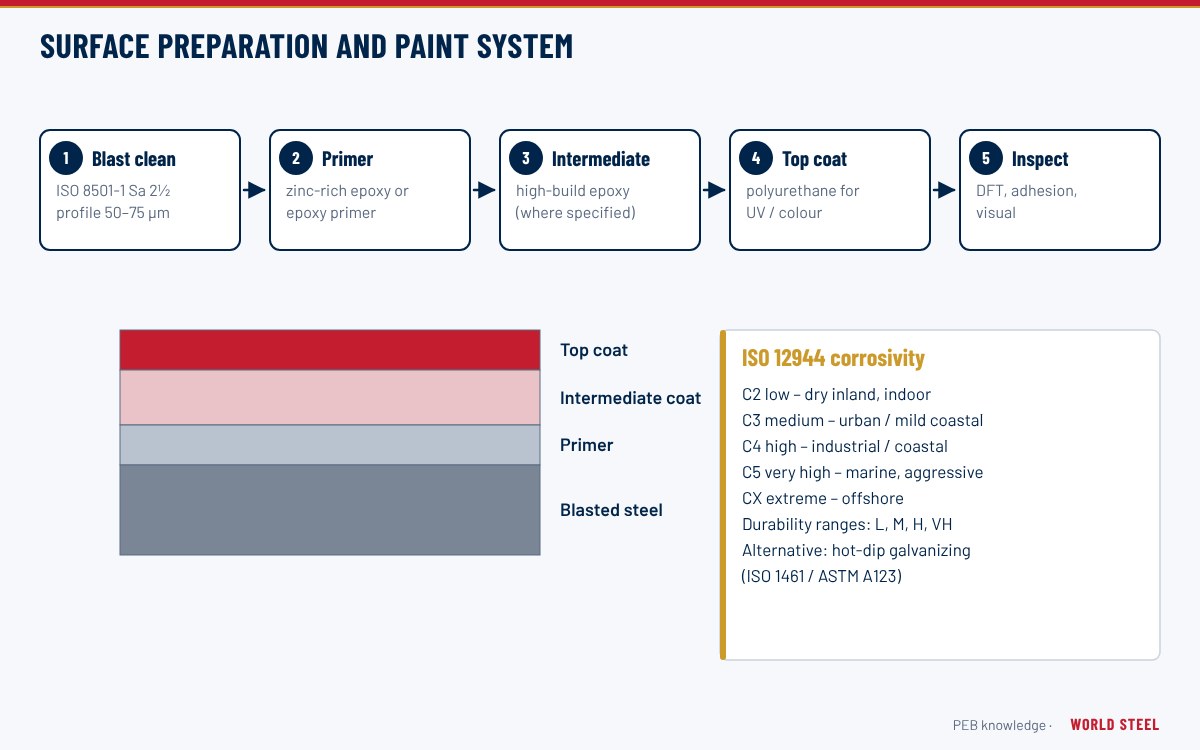
Large flat plates can distort in the galvanizing bath; panel size, thickness and stiffener layout are reviewed before galvanizing, and a painted finish may be proposed for thin, large panels. Painting follows blast cleaning and painting procedures to SSPC-SP 6/SP 10, AS/NZS 2312.1 or EN ISO 12944.
Installation and specifying
Panels are shipped flat on timber bearers, marked to the layout. Check support levels before laying, fix with all specified bolts or clips, and repair any galvanizing damaged by site welding with zinc-rich paint. To quote, World Steel needs the layout, design load, plate thickness or deflection limit, pattern, finish and fixing type – or the full platform model so the plate can be detailed with the supporting steel.
Normes et exigences par marché
Les codes selon lesquels World Steel conçoit, fabrique et documente ce produit – et les principales exigences géométriques et de charge sur chaque marché.
 États-Unis
- ASTM A786Hot-rolled carbon, low-alloy, high-strength low-alloy and alloy steel floor plates
- ASTM A36Carbon structural steel
- ASCE 7Minimum design loads
- AWS D1.1Structural welding code – steel
- ASTM A123Hot-dip galvanized coatings
- Light manufacturing floor
- 125 psf live load (ASCE 7 Table 4.3-1)
- Heavy manufacturing floor
- 250 psf live load (ASCE 7 Table 4.3-1)
 Australie / NZ
- AS/NZS 3678Hot-rolled plate and floorplate
- AS/NZS 1170.1Imposed actions
- AS 4100Steel structures
- AS 4586Slip resistance classification
- AS/NZS 4680Hot-dip galvanized coatings
- Platform clear width
- ≥ 600 mm (AS 1657)
- Fabrication
- Construction category set by the designer (AS/NZS 5131)
 Europe
- EN 10025-2Non-alloy structural steels
- DIN 59220Hot-rolled patterned flat products
- EN 1991-1-1Imposed loads on buildings
- EN 1090-2 Certifié WSCExecution of steel structures
- EN ISO 1461Hot-dip galvanized coatings
- Storage floor imposed load
- Category E1 ≥ 7.5 kN/m² (EN 1991-1-1)
- Execution class
- EXC set by the designer (EN 1090-2)
Synthèse fournie à titre indicatif – le cahier des charges du projet, l'édition du code adoptée et l'autorité compétente prévalent.
Finitions
| Finition | Normes / remarques |
|---|---|
| Hot-dip galvanized | ASTM A123 · AS/NZS 4680 · EN ISO 1461 |
| Painted | SSPC-SP 6 / SP 10 · AS/NZS 2312.1 · EN ISO 12944 (Sa 2½ to EN ISO 8501-1) |
| Duplex (galvanized + paint) | ASTM A123 + paint · AS/NZS 2312.2 + 2312.1 · EN ISO 1461 + EN ISO 12944 |
Questions fréquentes
How is floor plate thickness specified?
Thickness refers to the base plate, excluding the raised pattern. State it in millimetres or inches together with the material standard (ASTM A786, AS/NZS 3678 or EN 10025-2).
Can large floor plates be galvanized without distortion?
Thin, large flat plates can distort in the zinc bath. World Steel reviews panel size, thickness and stiffeners before galvanizing and may recommend stiffening, smaller panels or a paint system.
Is floor plate or grating better for my platform?
Grating drains and is lighter and more slip-resistant outdoors; floor plate is solid and stops liquids, sparks and small items. Many platforms combine both.
Do you make hinged access hatches?
Yes. Framed, hinged hatches with lifting handles and hold-open stays can be built into floor plate panels.
 New Zealand
 AS/NZS 5131 CC3
 EN 1090 EXC3 · CE