ENEnglish
 VITiếng Việt
 ZH中文
 KO한국어
 JA日本語
 FRFrançais
 ITItaliano
 PTPortuguês
 ESEspañol
 HEעברית
 ARالعربية

 01
Mining & minerals
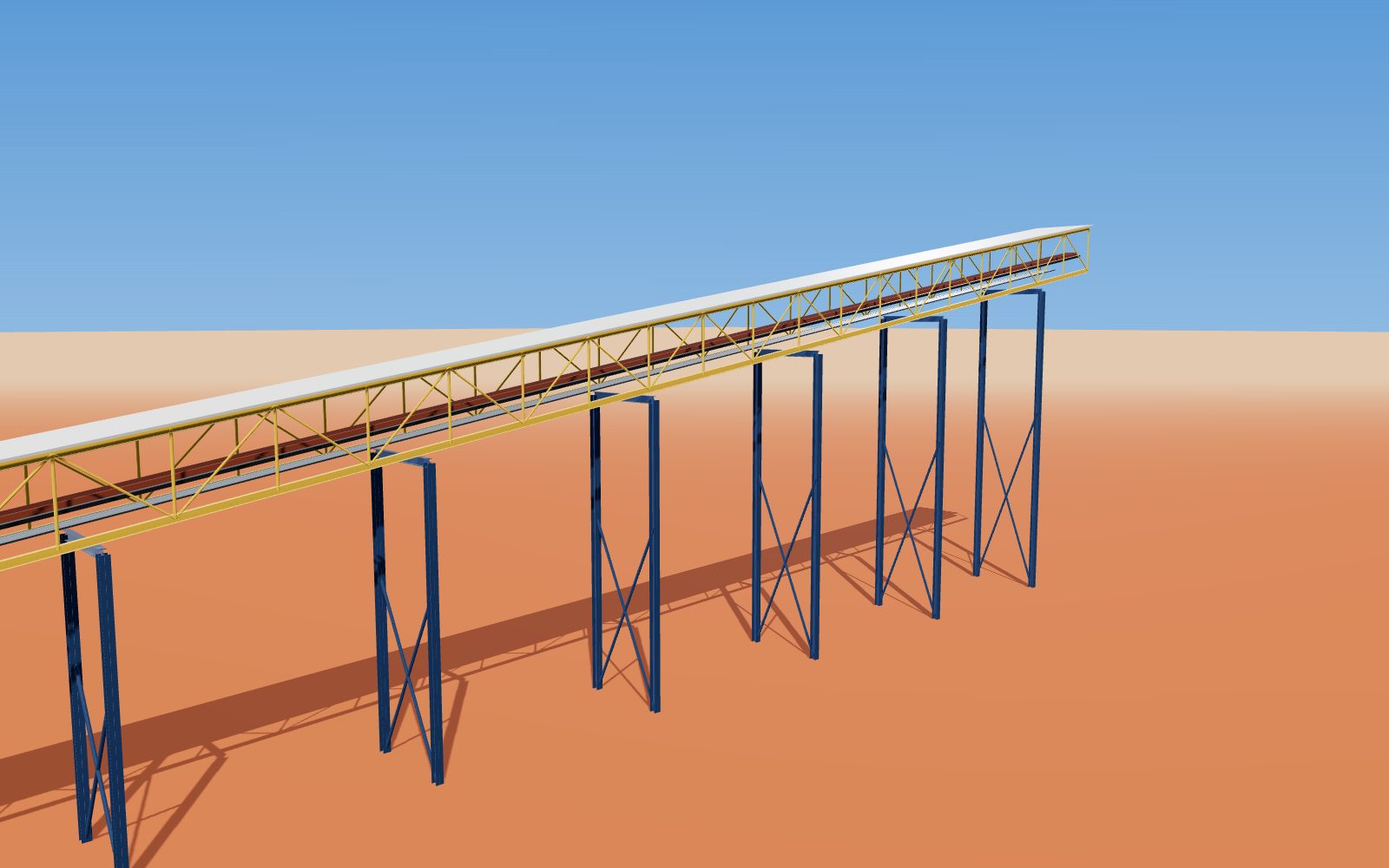
Overland and in-plant conveyors, transfer towers, crusher feeds and stockyard systems.
- Overland conveyor trestles
- Transfer & surge towers
- Crusher & screen feeds
- Stockyard & reclaim conveyors
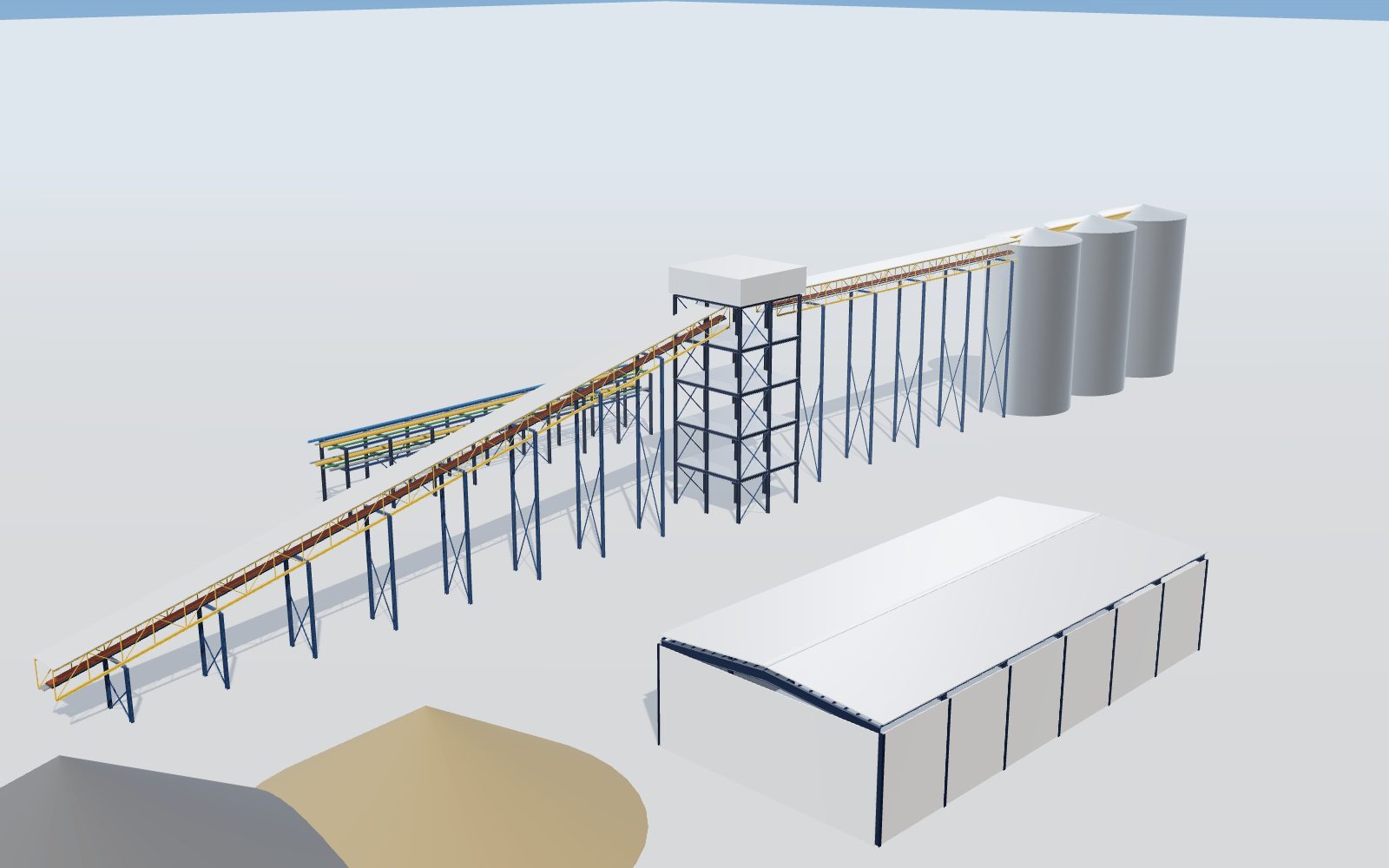
Solution · Conveyor steel structures for every industry
From pit to port, quarry to kiln, field to silo: conveyors carry the material that keeps whole industries running. World Steel engineers, fabricates and supplies the complete steel behind them – galleries, stringers, trestles, transfer towers, drive stations, walkways and enclosures – aligned, protected and documented so the belt runs true, year after year.
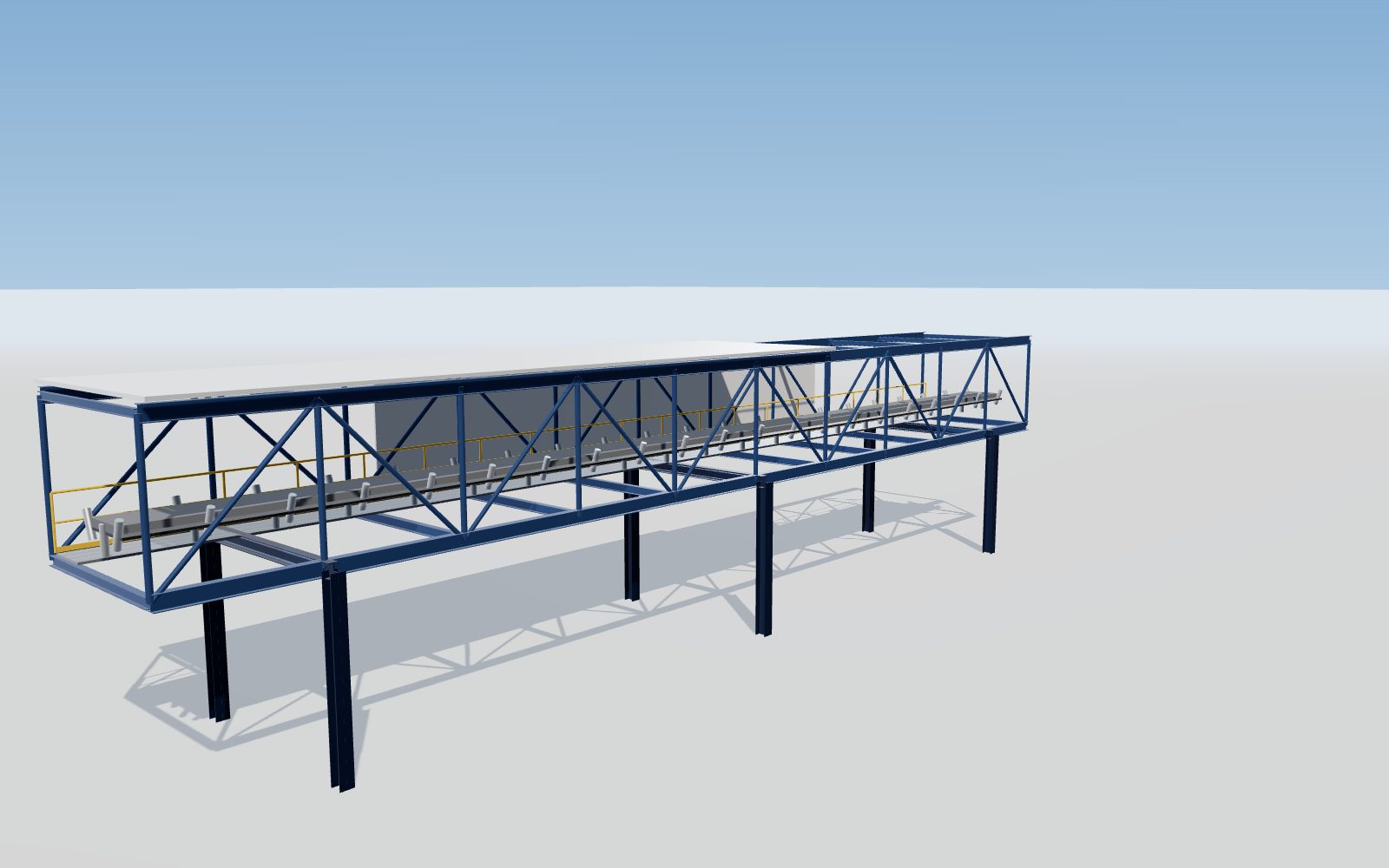
A conveyor is a machine stretched across a structure. Idlers, pulleys and drives sit on steel that must stay straight and level along hundreds of metres, carry the material, the belt tension and the dynamic forces of starting, stopping and impact – and keep people safe as they walk beside the moving belt to inspect and maintain it.
When the steel is wrong, the conveyor shows it: belts track off, spillage builds up, idlers fail early, walkways vibrate and connections crack under fatigue. Getting conveyor steel right is less about tonnage and more about alignment, stiffness, durability and access – designed with the equipment supplier's data and fabricated to tight tolerances.
Industries
The same structural principles, adapted to the material, the climate and the process of each industry.
01Overland and in-plant conveyors, transfer towers, crusher feeds and stockyard systems.
 02
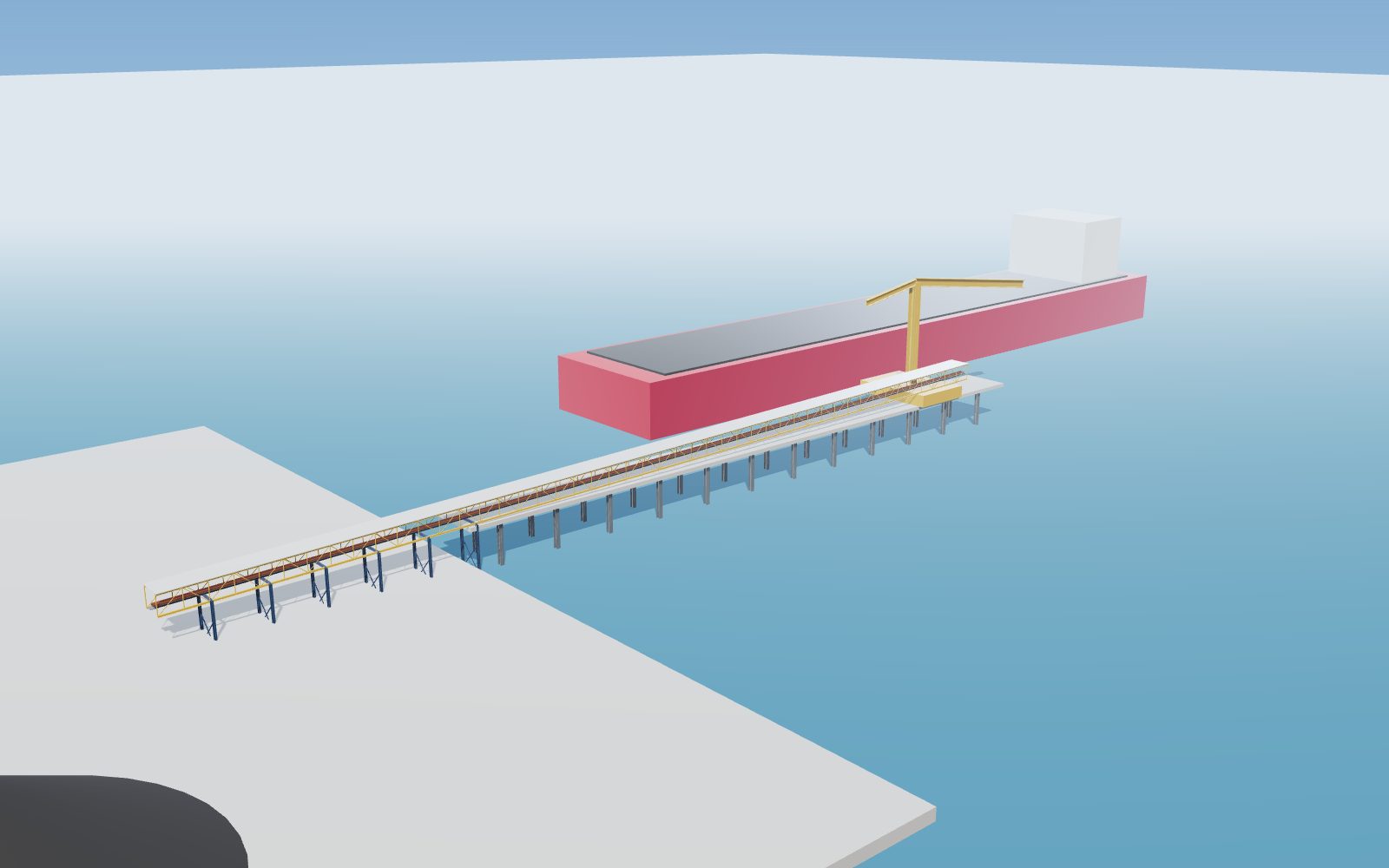
Jetty conveyors, shiploader and unloader feeds, stockyard links and truck or rail receival.
03Raw material, clinker and cement conveying between crushers, storage, kilns and packing.
 04
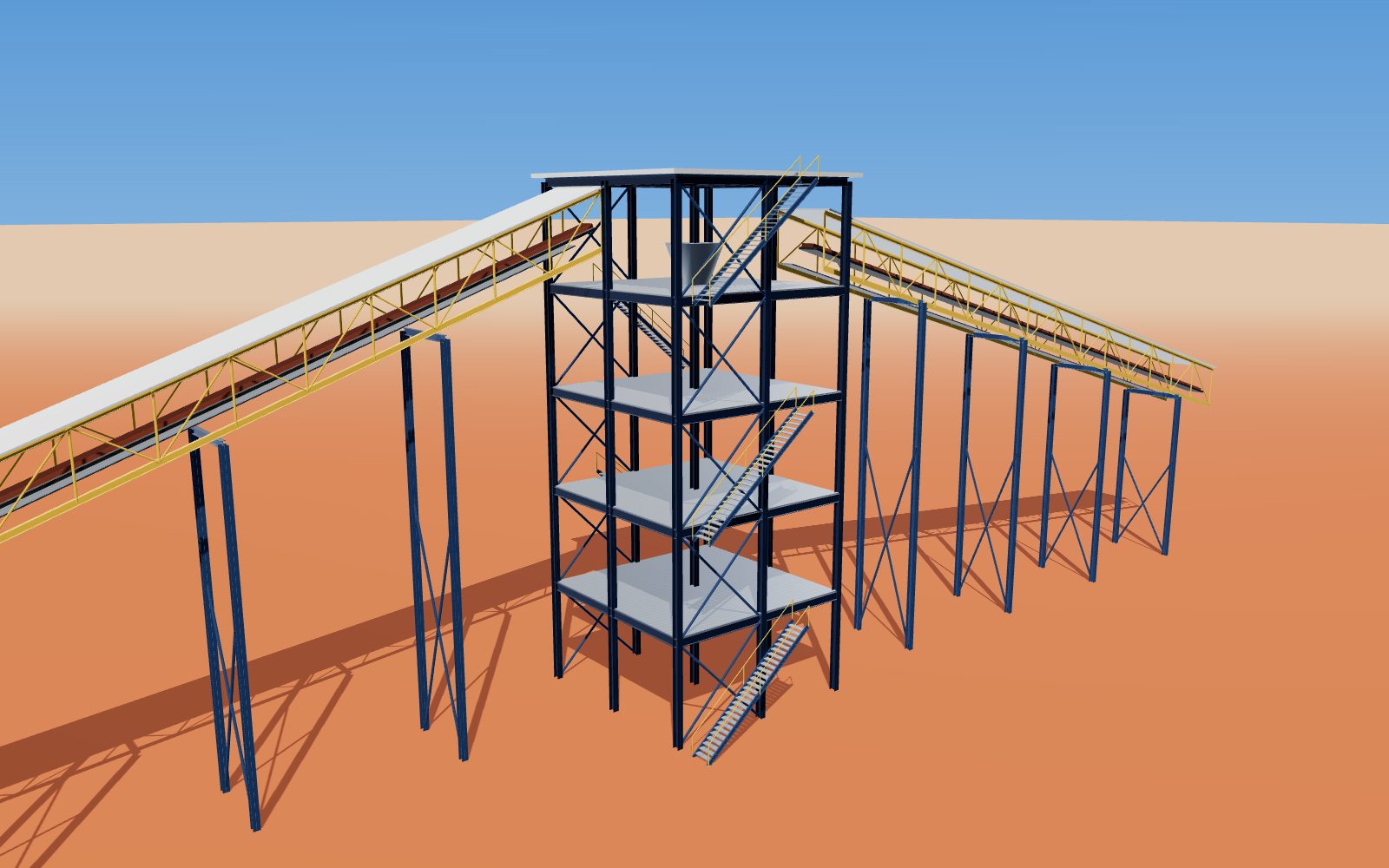
Coal and biomass handling for power plants: receival, stockpile, crusher house and boiler feed.
 05
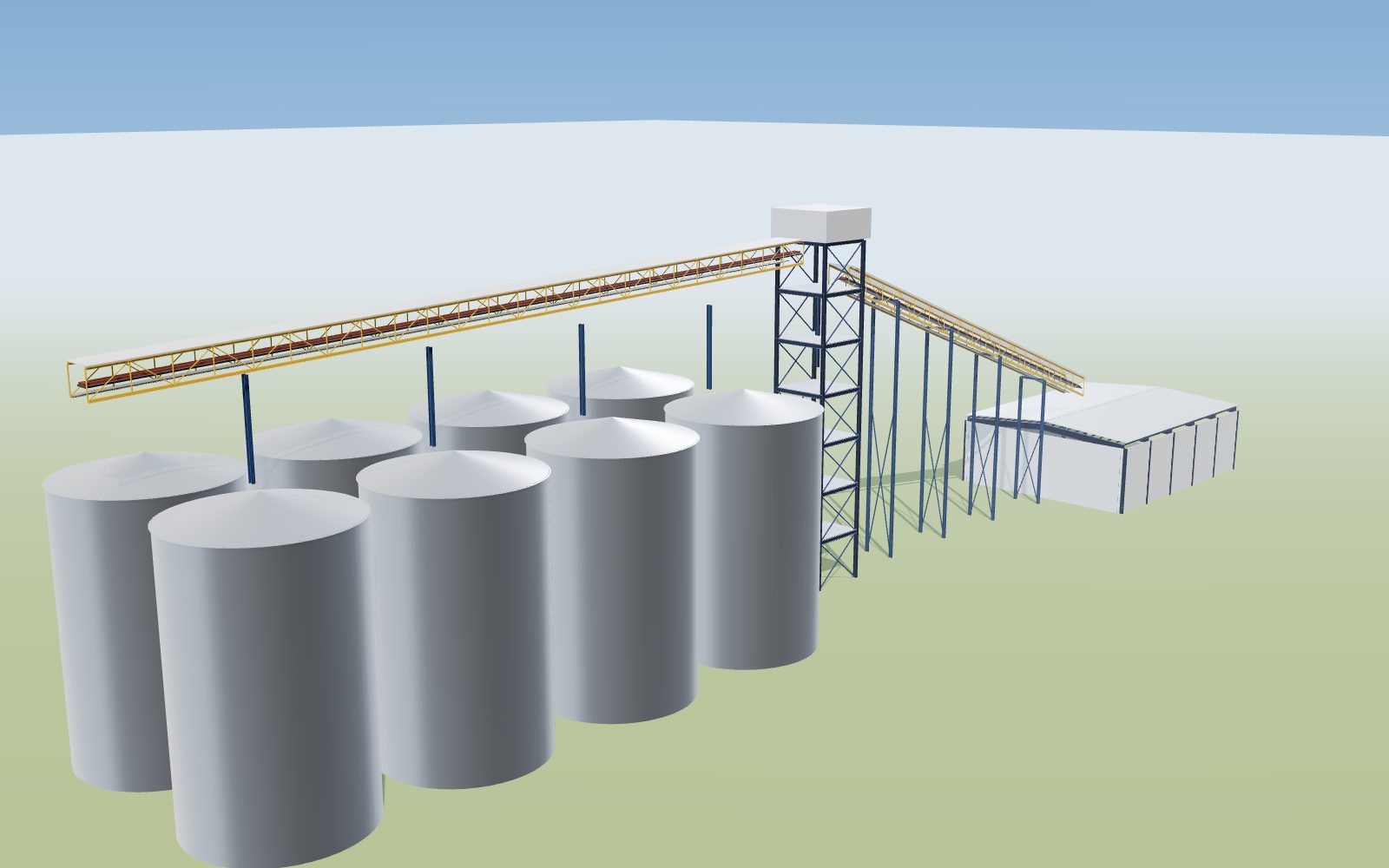
Silo-top and gallery conveyors, bucket elevator towers and intake systems – often with dust-safety requirements.
 06
Wood pellets and chips, fertiliser, salt, sugar and waste – materials that are dusty, corrosive or both.
Structures
Complete fabricated steel for belt, pipe and bucket-elevator systems – from the tail station to the discharge.
long span
Box or open truss galleries with walkways, idler supports, roof and side sheeting, carried on braced trestles and bents.
overland
Stringers, legs and sleepers for ground-mounted conveyors, with access and crossovers at intervals.
impact · vibration
Multi-level towers with chute supports, head and tail stations, take-up towers, floors, stairs and ladders.
dust · weather
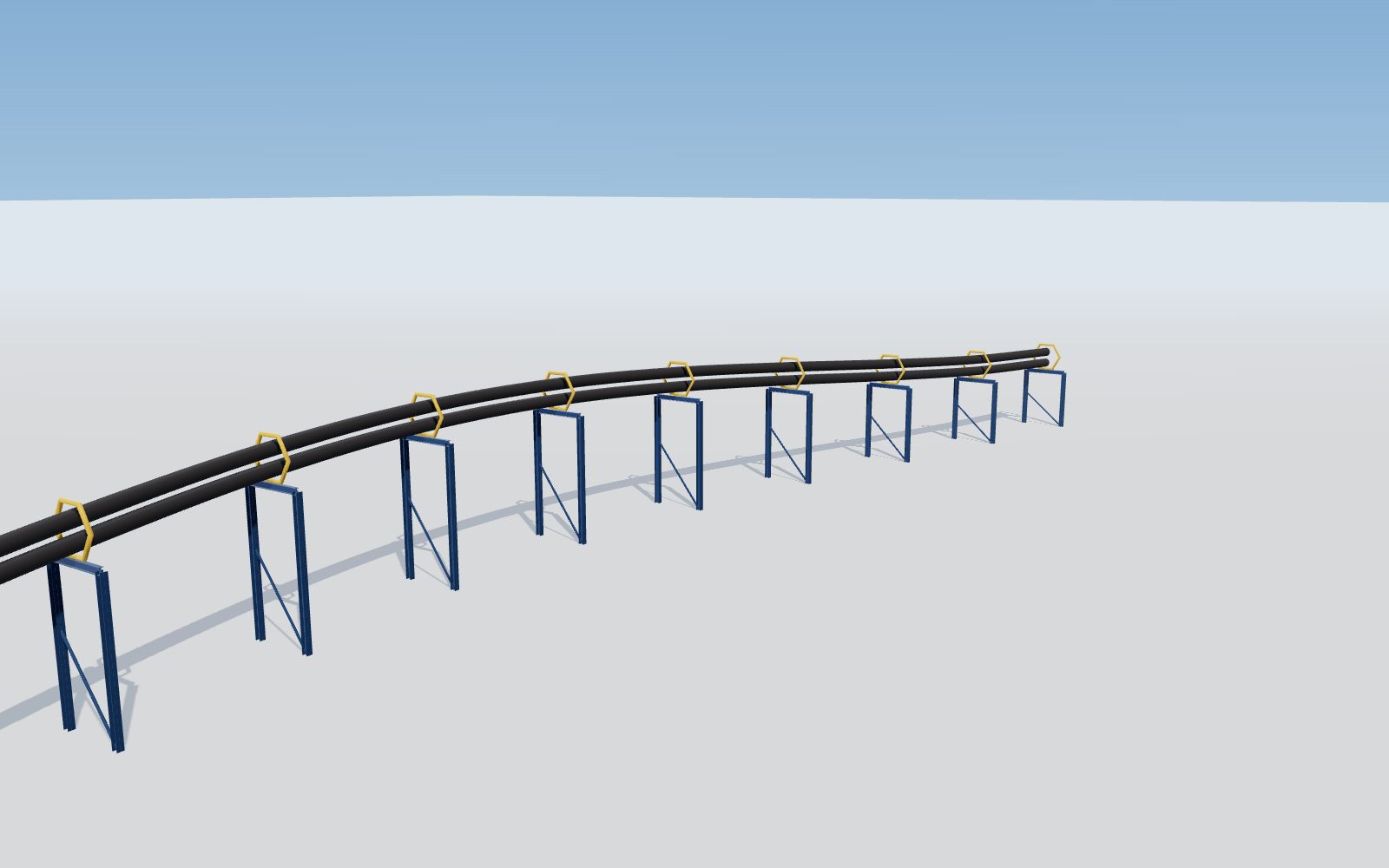
Fully enclosed galleries and pipe-conveyor support frames for dusty, environmentally sensitive or curved routes.
marine exposure
Wharf and jetty conveyor steel with corrosion protection for marine environments and long service life.
 modular
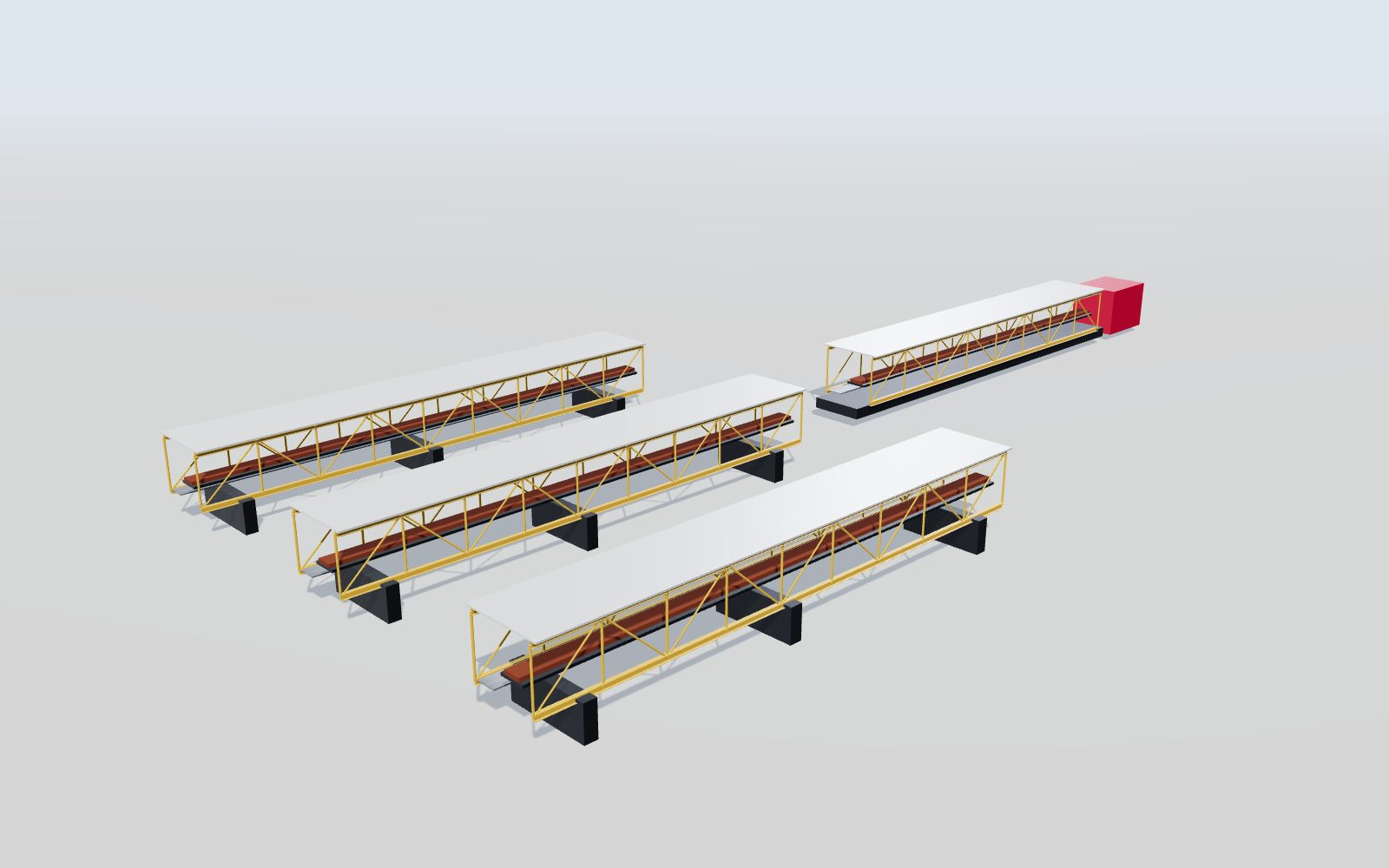
Gallery sections assembled in the shop with walkways, idler frames and roofing – lifted into place on site.
用途
Galleries, stringers, trestles, transfer towers, head and tail stations, take-up towers, walkways, crossovers and enclosures – coordinated in one model.
Belt tensions, idler and pulley loads, drive reactions, chute and material loads from the equipment supplier taken as the design basis.
Stringer straightness, idler hole patterns and station geometry controlled in fabrication so the belt tracks true.
Connections and welds detailed for cyclic loading; walkways and platforms checked for vibration comfort.
Galvanizing or coating systems for dust, moisture, salt and chemicals – matched to the site and the maintenance plan.
Gallery sections pre-assembled with walkways, idler frames and roof sheeting where transport allows.
規格とコンプライアンス
Structural design to the code of the project location; conveyor equipment design by the equipment supplier.
 Conveyor engineering
 Australia & New Zealand
 United States
 Europe & Asia
参考用の概要です――プロジェクト仕様書、採用される基準の版、所轄官庁の判断が優先されます。
Deliverables
Engineering and quality records for a conveyor system that commissions smoothly.
Engineering
Equipment interface loads, codes, deflection and fatigue criteria, member and connection design.
Before fabrication
General arrangement, galleries, trestles, towers and anchor bolts – see approval drawings.
Coordination
Tekla model coordinated with chutes, equipment, services and access.
Production · site
Every member detailed; erection sequence by trestle and gallery.
Alignment
Stringer straightness, idler hole patterns and station geometry recorded.
Traceability
EN 10204 3.1 certificates, welding procedures, NDT reports.
Durability
Surface preparation, galvanizing and coating thickness records.
Logistics
Bundles and modules marked and packed in erection order.
Deliverables are agreed per contract; IFC models and DWG files on request.
Design
We take the conveyor data from the equipment supplier – belt width and speed, material and capacity, belt tensions, idler spacing and loads, pulley and drive reactions, take-up forces, chute and skirt loads – and combine it with wind, thermal, seismic and maintenance loads to design galleries, trestles and stations.
Deflection and alignment criteria are set so idlers stay in line and the belt tracks: stringer straightness, gallery camber, trestle stiffness and the geometry of head, tail and transfer stations are agreed before modelling and checked in fabrication.
Safety & access
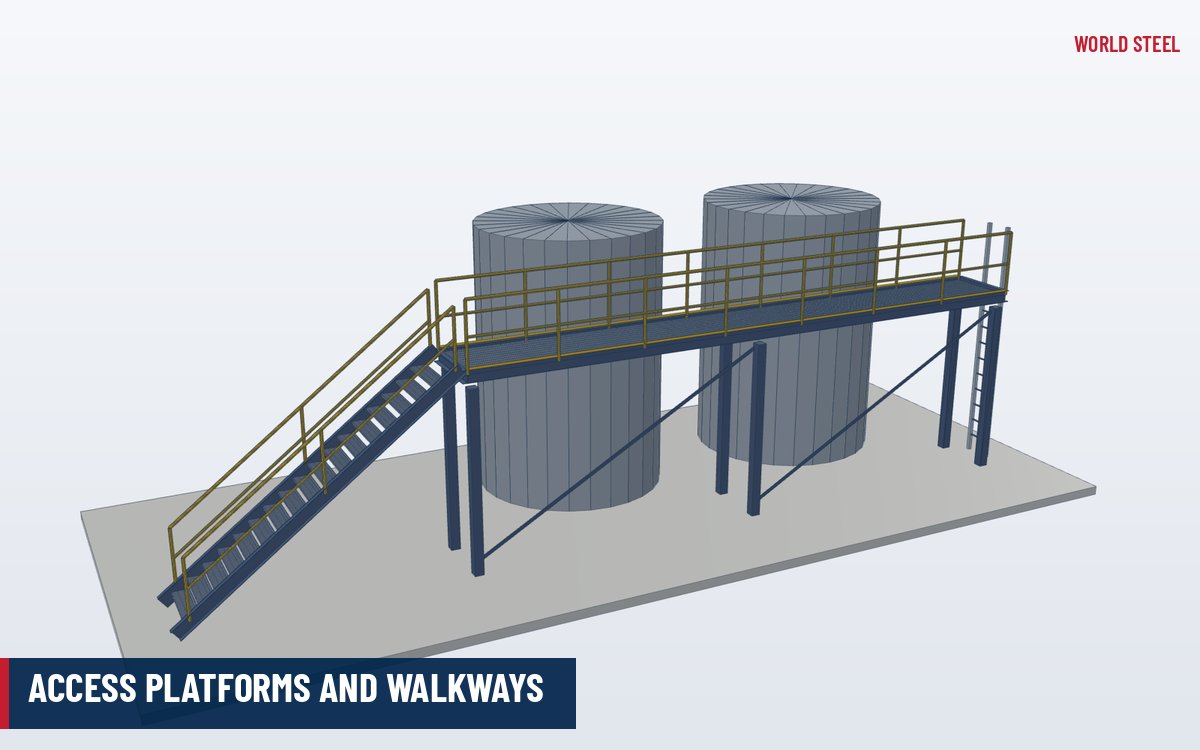
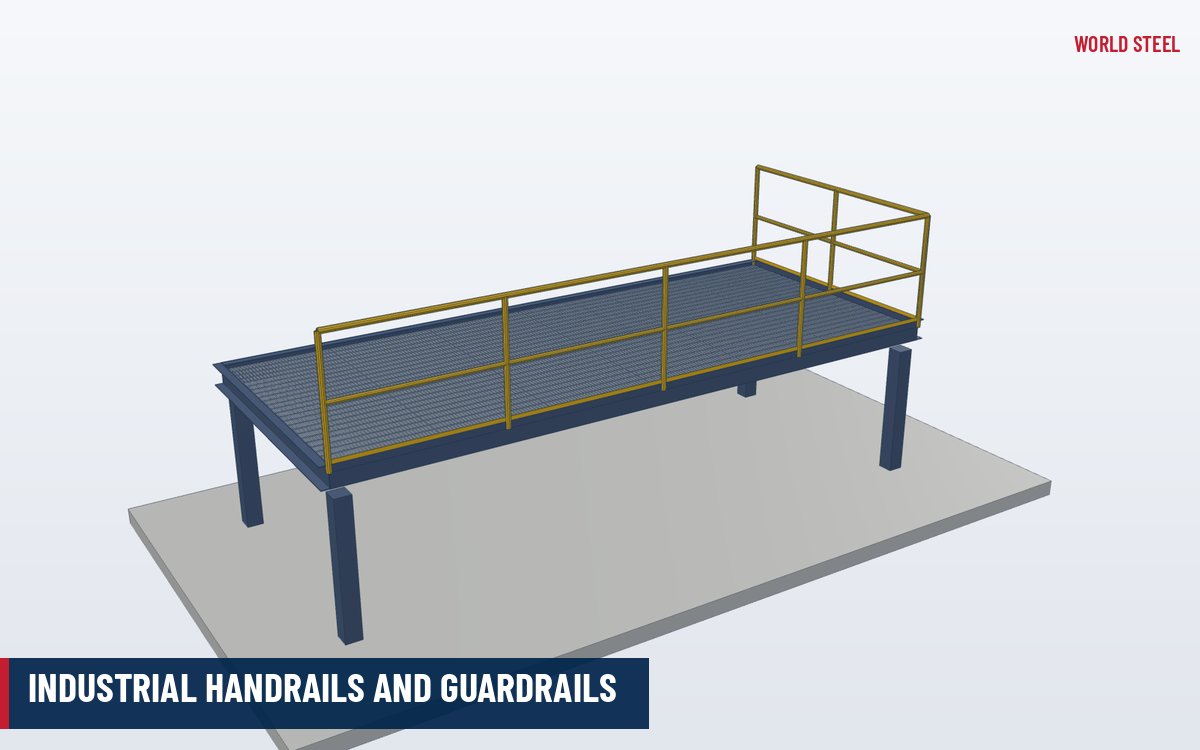
Conveyors are maintained while people walk beside them. Walkways on one or both sides, crossovers, stairs, ladders, guarding supports and handrails are designed into the steel from the start – detailed to the access and conveyor safety standards of the project location, such as AS 1657 and AS 1755, ISO 14122 and EN 620, or OSHA and ASME B20.1.
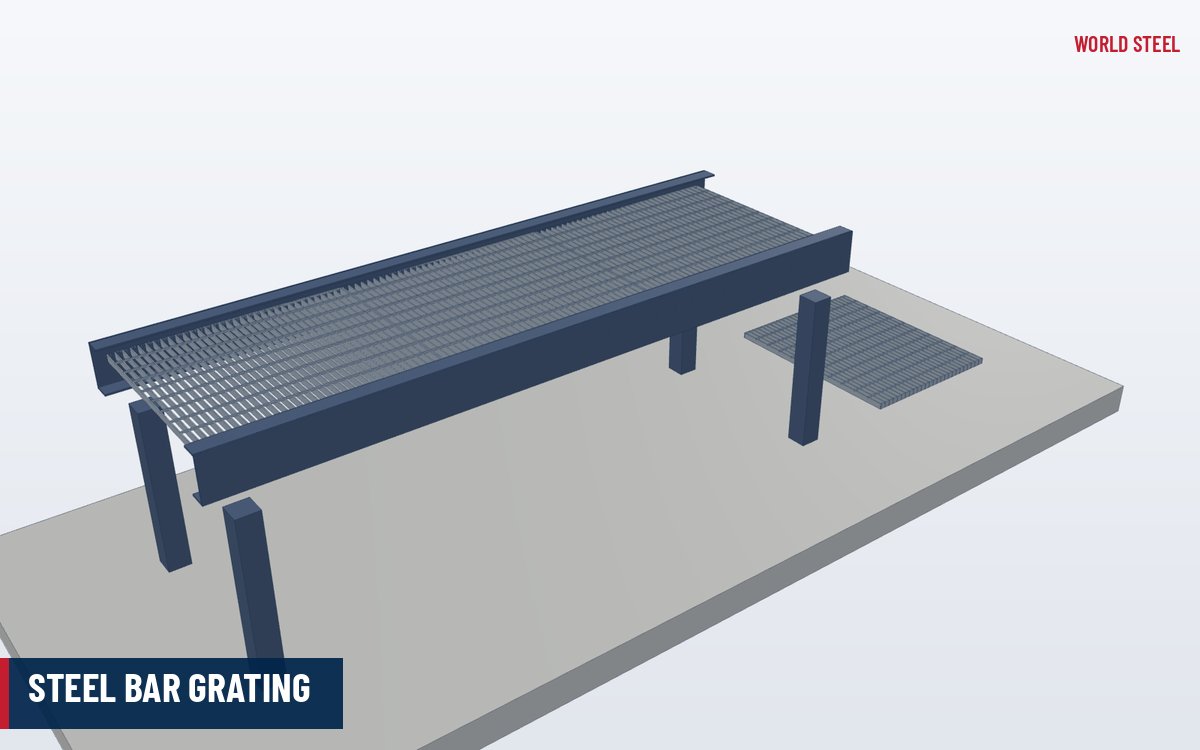
Grating floors, toe boards, kick plates and lifting points for idler and pulley change-outs are detailed so that maintenance is safe and quick – reducing downtime over the life of the system.
Environment & durability
Enclosed galleries, hoods, side sheeting and spillage plates keep material in and weather out; transfer points are enclosed for dust collection. For combustible dusts such as grain, coal or biomass, the structure supports the dust-control and explosion-safety measures specified by the process designer.
Coastal jetties, wet process areas, fertiliser and salt handling need durable protection: hot-dip galvanizing, duplex systems or high-performance coatings selected for the exposure – see surface protection.
Modularisation & erection
Gallery sections can be assembled in our plant with walkways, handrails, idler frames and roofing, then shipped and lifted onto the trestles as complete units – within the limits of transport and cranage. This moves hours of work at height into a controlled workshop.
Every piece is marked to the erection drawings and packed in sequence, so site crews build trestle by trestle and gallery by gallery without searching for parts.
Reference
Indicative – the conveyor supplier and the project specification confirm loads and criteria.
| Conveyor type | Typical use | Structural drivers |
|---|---|---|
| Troughed belt – overland | Long-distance transport of ore, coal, aggregates | Stringer alignment, terrain, thermal movement, access |
| Elevated gallery | Over roads, plant areas and into silos or towers | Span, wind on cladding, deflection, walkway vibration |
| Transfer tower | Change of direction or level, feed points | Chute impact, vibration, floor loads, stairs and access |
| Pipe conveyor | Dusty or sensitive materials, curved routes | Curve geometry, frame spacing, belt forces |
| Bucket elevator | Vertical lift of grain, cement, fertiliser | Tall slender towers, head drive reactions, wind |
| Jetty / shiploader feed | Export and import terminals | Marine exposure, long spans, interfaces with marine works |
プロセス
Layout, profile and equipment loads from the owner and conveyor supplier.
Gallery type, trestle spacing, towers and access concept agreed.
Galleries, trestles and stations designed and modelled in Tekla.
Drawings and calculations approved before fabrication.
Alignment-critical parts checked; galleries pre-assembled where suitable.
Galvanized or coated, packed and shipped in erection sequence.
FAQ
Truss galleries, stringers, trestles and bents, transfer towers, head, tail and take-up stations, pipe-conveyor support frames, jetty conveyor steel, walkways, crossovers, stairs, platforms and enclosures – as one coordinated package.
Our scope is the structural steel. Belts, idlers, pulleys, drives and take-ups are designed and supplied by the conveyor equipment supplier; we design the steel to their interface loads and geometry.
Alignment criteria are agreed before design; stringer straightness, idler hole patterns and station geometry are controlled with CNC fabrication and recorded dimensional checks.
Mining and minerals, ports and bulk terminals, cement and aggregates, power and energy, grain and food, biomass, fertiliser, chemicals and recycling.
Yes. Where transport and cranage allow, gallery sections are assembled in our plant with walkways, handrails, idler frames and roofing to reduce work at height on site.
With hot-dip galvanizing, duplex systems or high-performance coatings selected for the exposure category and the maintenance plan, applied after blast cleaning and recorded.
Send us the route, profile and equipment data – we propose the gallery and support concept, the steel package and a fabrication plan that gets your material moving on schedule.
 EN 1090 EXC3 · CE
 AS/NZS 5131 CC3
 IAS AC472