ENEnglish
 VITiếng Việt
 ZH中文
 KO한국어
 JA日本語
 FRFrançais
 ITItaliano
 PTPortuguês
 ESEspañol
 HEעברית
 ARالعربية

Definition and function
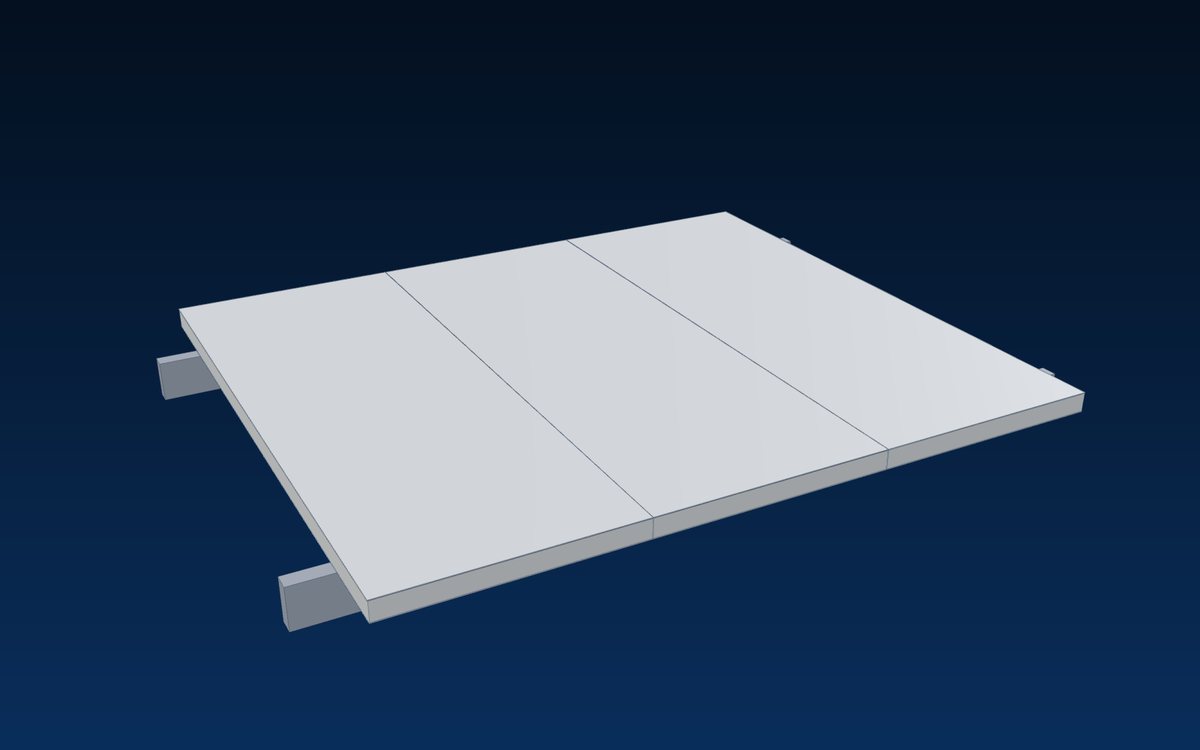
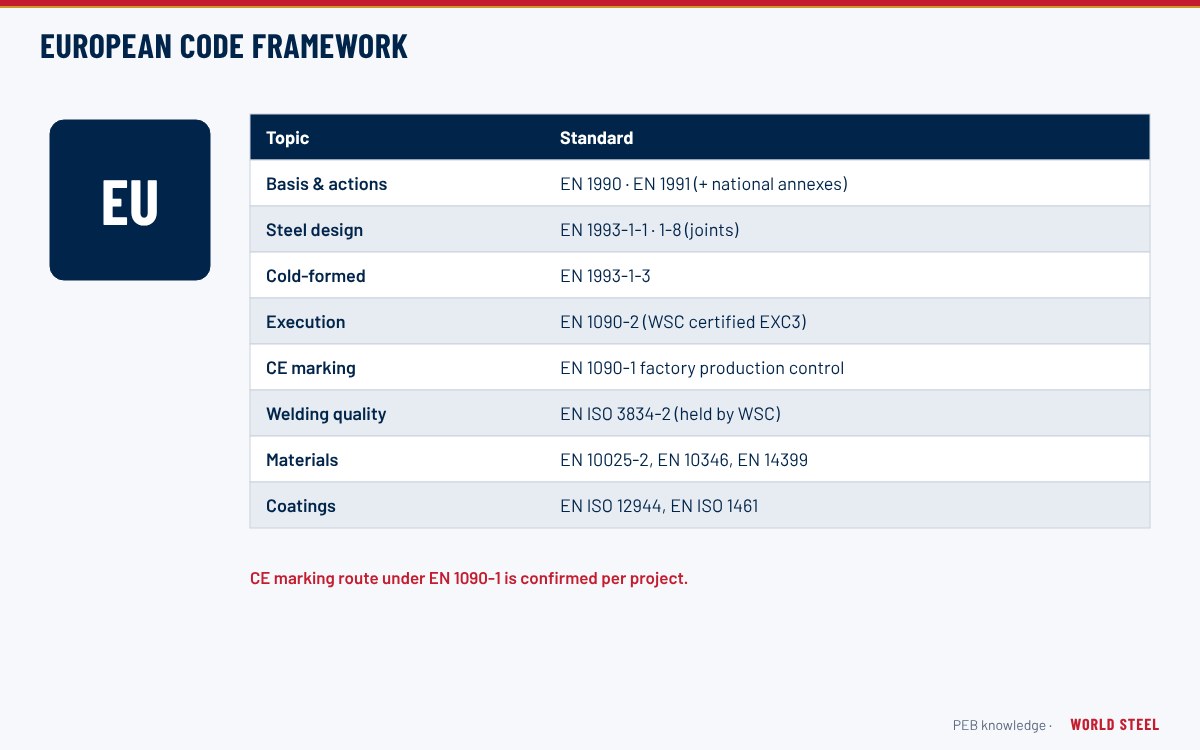
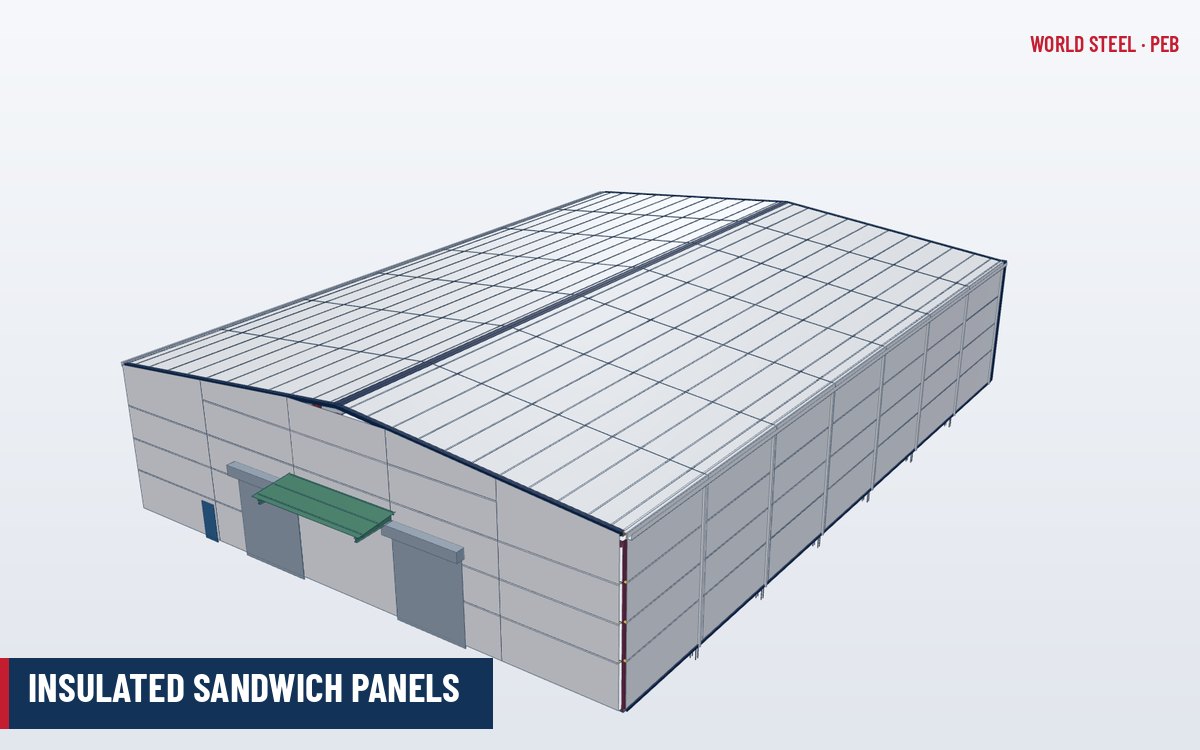
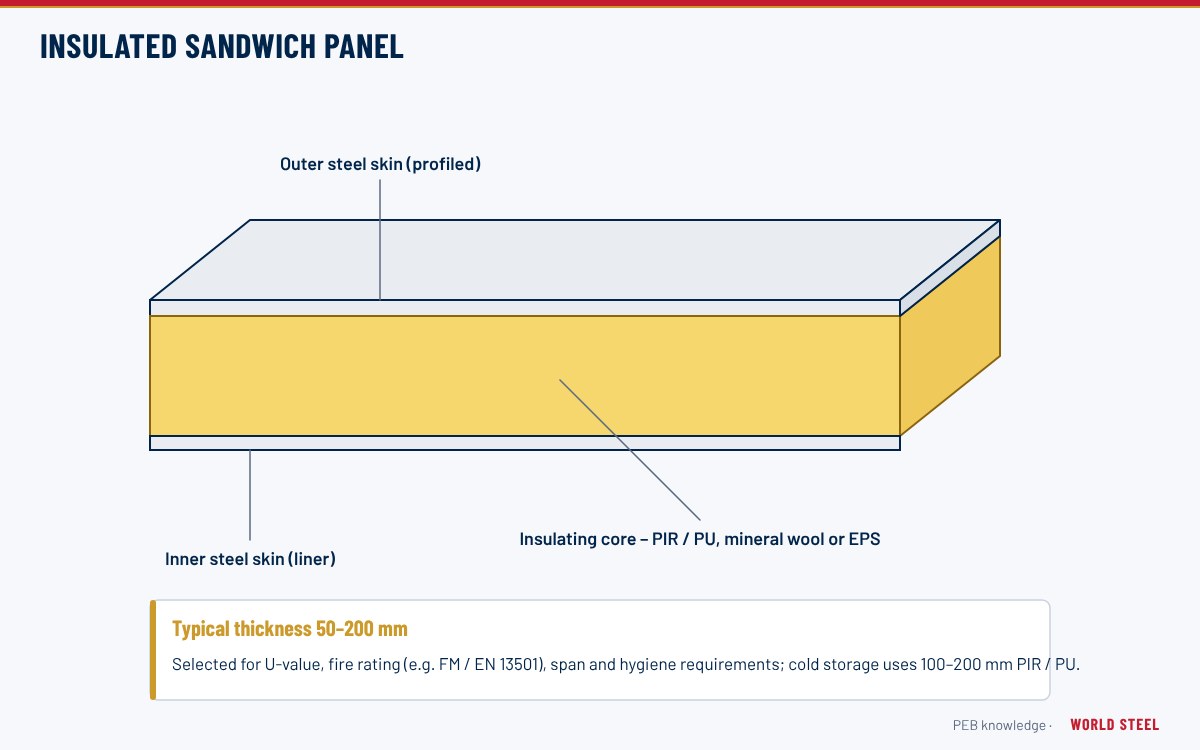
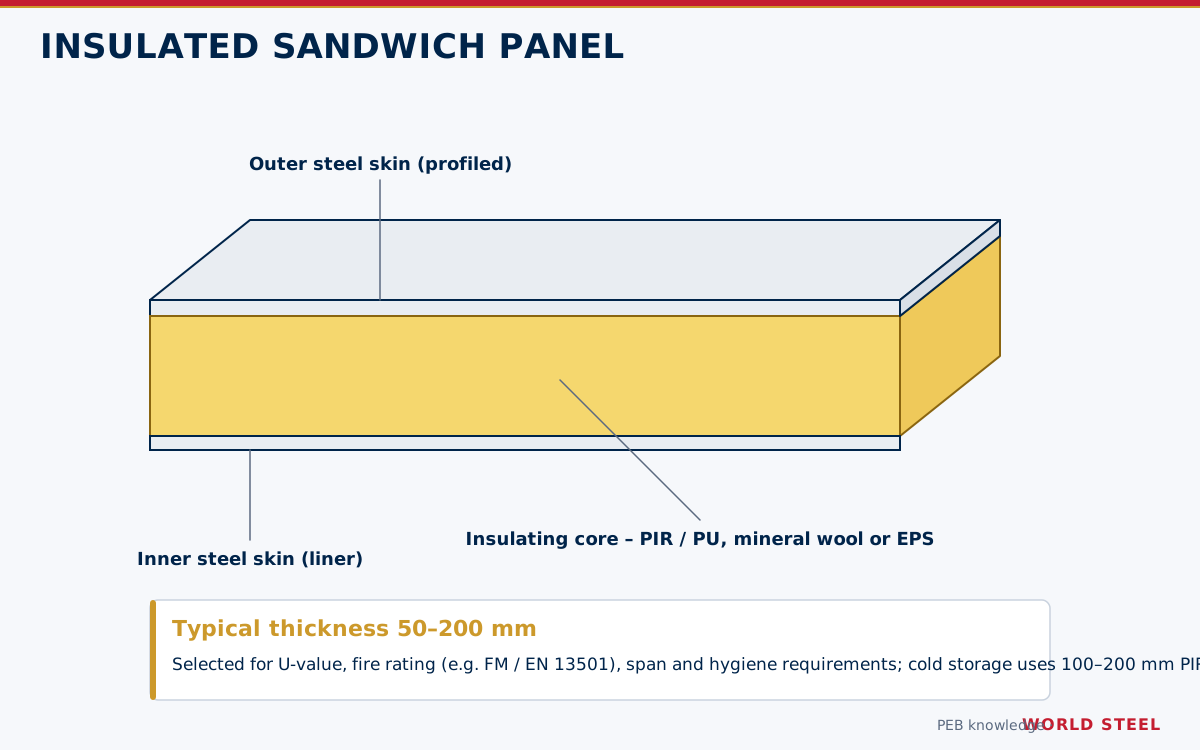
An insulated sandwich panel (also called an insulated metal panel, IMP) consists of two metal skins bonded to a rigid insulating core. The composite acts structurally: the skins carry bending stresses and the core carries shear, so panels can span between purlins or girts on their own. In one installation step the panel provides the weather skin, thermal insulation, vapour control and a finished interior surface.
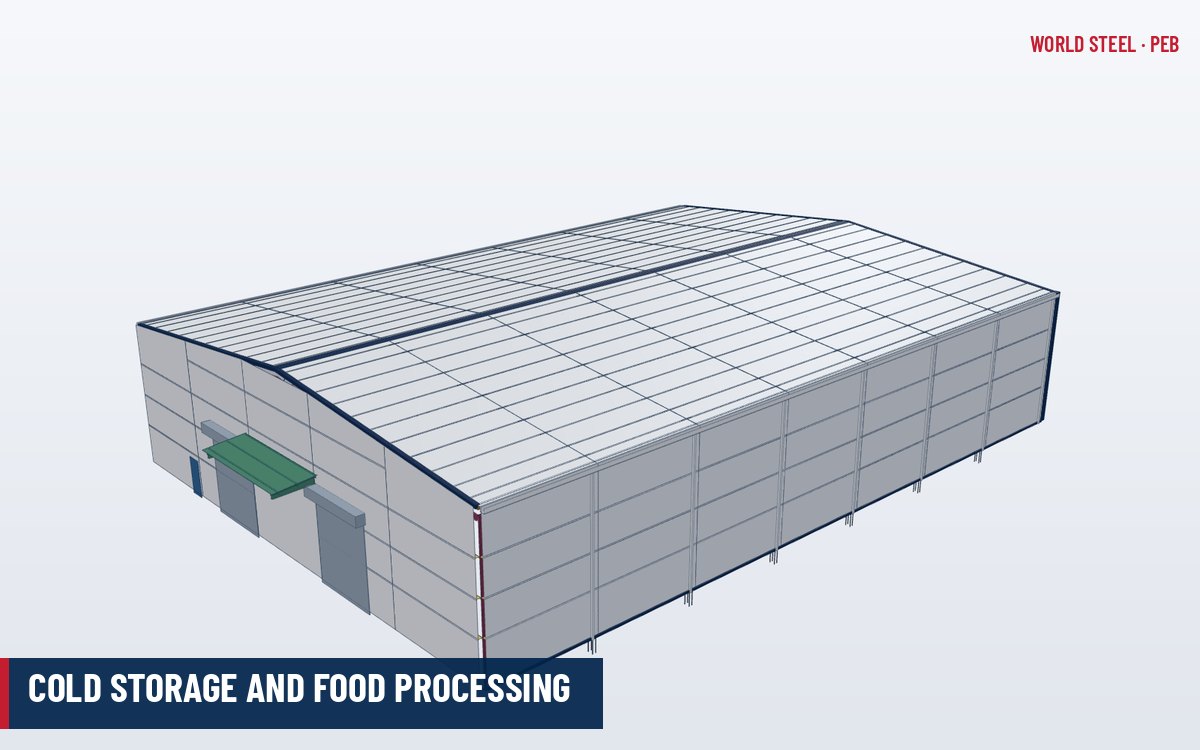
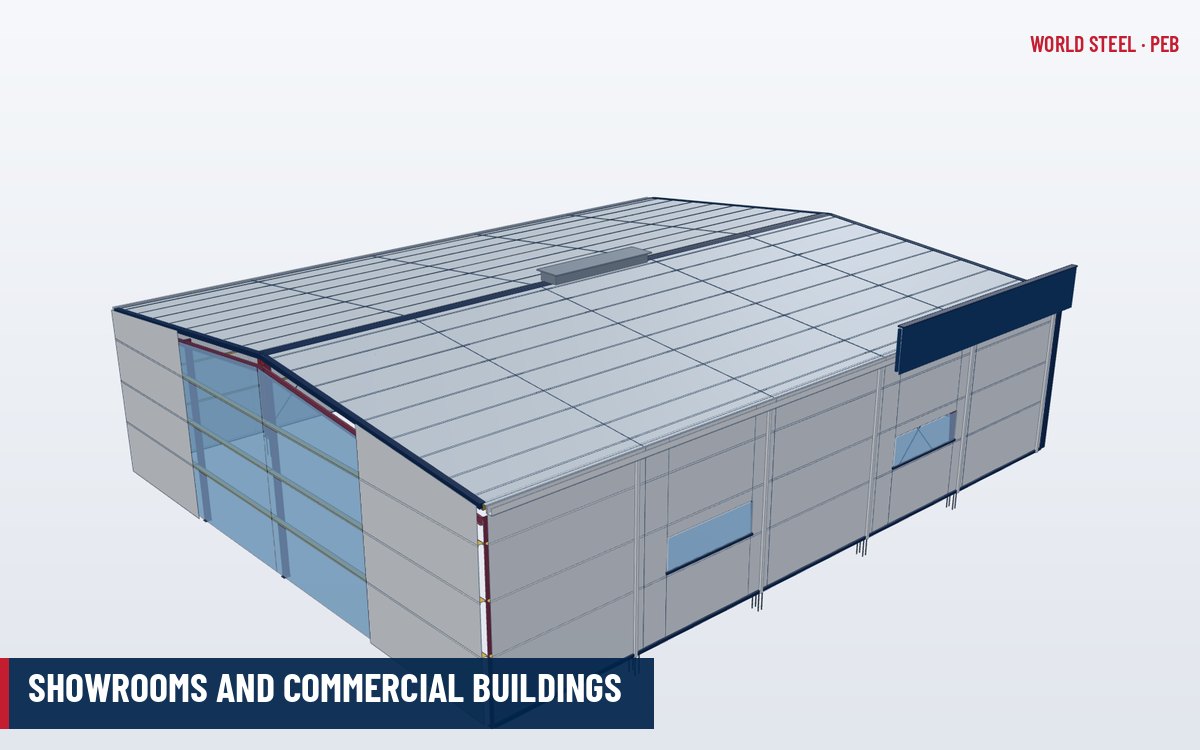
Sandwich panels are used where thermal performance, hygiene or speed of enclosure matter – cold storage and food processing, cleanrooms, conditioned factories, offices and showrooms.
Role in the envelope and load path
Wind, snow and roof loads are carried by panel bending between supports, then through concealed or through-fixed fasteners to the secondary framing. Panel span tables depend on core type, thickness, skin thickness and temperature difference across the panel – a large difference (for example in freezers or with dark colours in sun) causes thermal bowing and additional stress. Panels are usually not relied on to brace the frame unless specifically designed.
Core types and typical sizes
| Core | Approx. thermal conductivity | Fire behaviour | Typical use |
|---|---|---|---|
| PIR (polyisocyanurate) | About 0.020–0.025 W/m·K | Better than PUR; certified systems available | Cold stores, conditioned buildings |
| PUR (polyurethane) | About 0.020–0.025 W/m·K | Combustible; restricted in some codes | Cold rooms, general insulation |
| Mineral wool (rock wool) | About 0.038–0.045 W/m·K | Non-combustible core; fire-rated walls | Fire walls, high-risk occupancies |
| EPS (expanded polystyrene) | About 0.033–0.040 W/m·K | Combustible; increasingly restricted | Low-cost partitions, local markets |
| Glass wool | About 0.035–0.045 W/m·K | Non-combustible core | Lightweight fire-resistant panels |
- Panel thickness: 50–100 mm for walls and roofs of conditioned buildings; 100–200 mm for cold stores and freezers.
- Skins: metallic-coated, pre-painted steel about 0.40–0.60 mm, with food-safe or hygienic coatings for food plants.
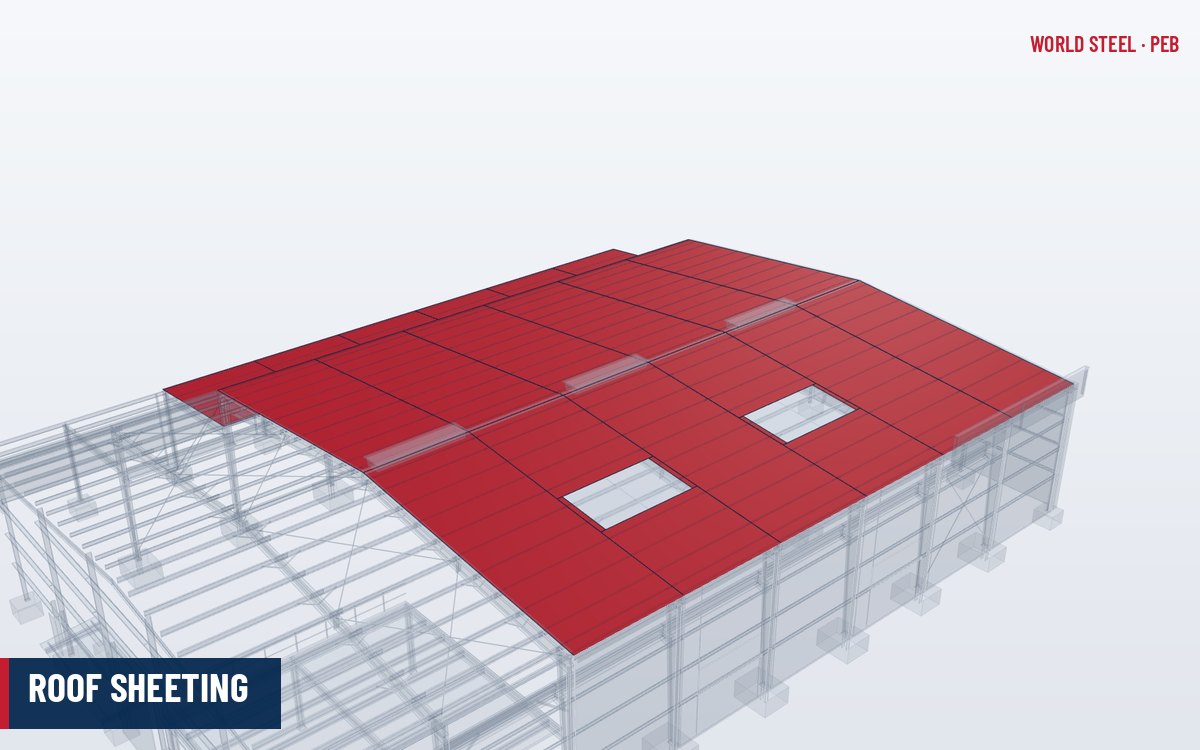
- Cover width: commonly 1,000–1,200 mm; roof panels have a trapezoidal outer skin, wall panels flat, micro-ribbed or lightly profiled.
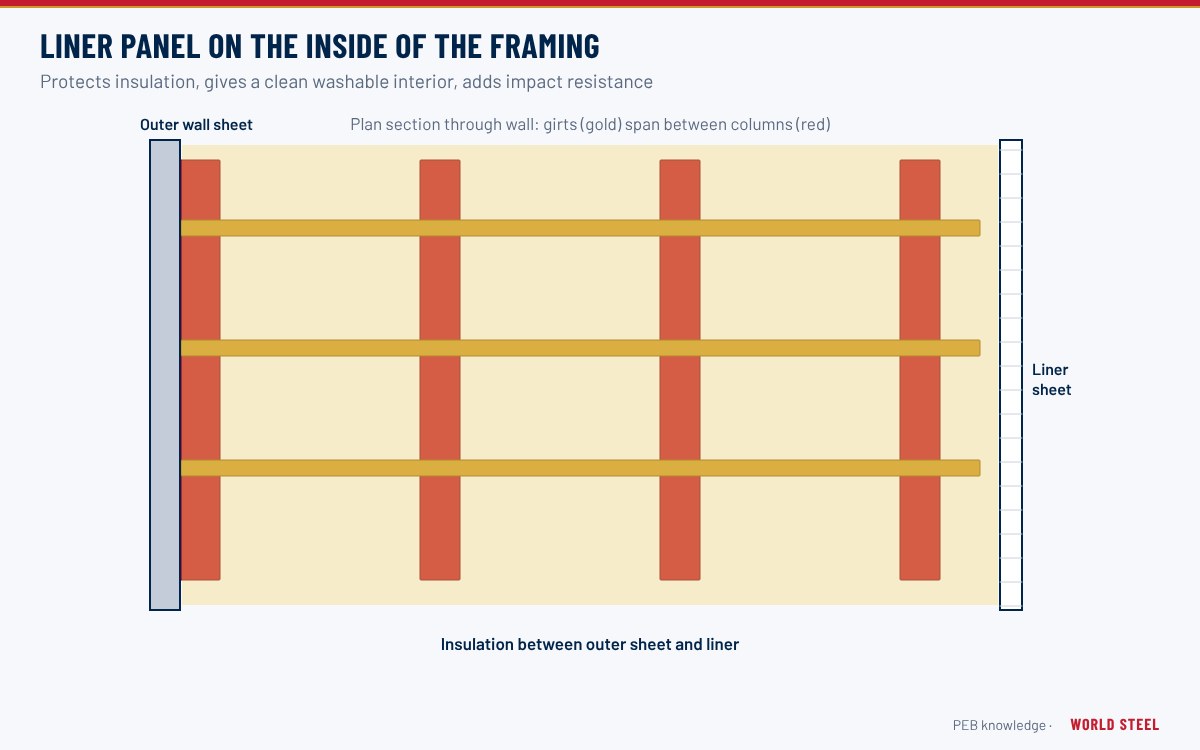
Factory-foamed versus field-assembled panels. Two very different products are both called "sandwich" or insulated panels. A factory-foamed (composite) panel is made on a continuous line where liquid PIR or PUR foam expands between the skins and bonds to them, or where mineral wool lamellas are glued in; the result is a single structural element. A field-assembled (built-up) system consists of an outer profiled sheet, insulation and a liner sheet installed separately on site, often with spacers or sub-girts.
| Aspect | Factory-foamed composite panel | Field-assembled double-skin system |
|---|---|---|
| Structural action | Composite – skins and core work together | Each sheet spans independently |
| Installation | One fixing operation; fast enclosure | Three layers installed separately |
| Thermal and air tightness | Consistent; few thermal bridges | Depends on workmanship and spacer design |
| Transport | Bulky; fewer square metres per container | Compact; sheets and rolls nest tightly |
| Flexibility on site | Fixed lengths; cutting exposes core | Easy to adapt, cut and repair |
| Typical use | Cold stores, cleanrooms, conditioned buildings | Large industrial roofs, remote sites, high acoustic or fire needs |
Composite panels are tested and declared to EN 14509 in Europe, which covers mechanical properties, durability, thermal performance and reaction to fire of self-supporting double-skin panels.
Design considerations
- Fire: core type drives code compliance. Examples are EN 13501-1 classification and EN 14509 testing (Europe), FM 4880/4881/4471 approvals and NFPA 285 for exterior walls (US, where applicable), and AS 5637.1 and NCC requirements (Australia). Insurers often have their own requirements.
- Thermal and vapour performance: panel joints must be sealed on the warm side; cold rooms need vapour-tight joints, thermal breaks at floors and heated floors under freezers.
- Spans and wind: use product load tables with the correct temperature difference; fastener pull-through governs under suction.
- Thermal bowing with dark colours or large internal–external temperature differences.
- Detailing at openings, corners and penetrations to maintain the thermal and vapour envelope.
Supply and installation
World Steel supplies insulated sandwich panels together with matching trims and fasteners as part of complete building packages, with secondary framing laid out to suit panel spans. Installation:
- Check framing line and plumb within the panel manufacturer's tolerances.
- Handle panels with vacuum lifters or soft slings to avoid dents and delamination.
- Engage side joints fully and fix with the specified fasteners and washers.
- Seal joints and install trims, then remove protective film promptly – film left in the sun becomes difficult to remove.
Common mistakes and quality checks
- Selecting a core that does not meet the local fire code or insurer requirements.
- Joints not fully engaged, causing air leaks and condensation.
- Cut edges left unsealed, exposing the core to moisture.
- Protective film left on too long.
- Damage from storage without cover or on uneven ground.
地域別の規格
| 地域 | 規格 | 範囲 |
|---|---|---|
 United States |
FM 4880 / FM 4881 / NFPA 285 | Panel fire performance approvals and exterior wall fire test |
 Canada |
NBC 2020 / CAN/ULC-S102 | Building code and surface burning characteristics |
 Australia / NZ |
AS 5637.1 / NCC | Fire hazard properties and building code compliance |
 Europe |
EN 14509 / EN 13501-1 | Self-supporting sandwich panels and fire classification |
よくある質問
Which sandwich panel core is best?
PIR gives the best insulation per thickness; mineral wool gives the best fire performance. The choice depends on energy, fire code and insurance requirements.
How thick should cold store panels be?
Typically 100–150 mm for chilled rooms and 150–200 mm for freezers, confirmed by thermal design.
Can sandwich panels span between frames without girts?
Generally no. Panels span between purlins or girts at spacings given in the manufacturer's load tables, though they allow wider spacing than single-skin sheet in many cases.