ENEnglish
 VITiếng Việt
 ZH中文
 KO한국어
 JA日本語
 FRFrançais
 ITItaliano
 PTPortuguês
 ESEspañol
 HEעברית
 ARالعربية

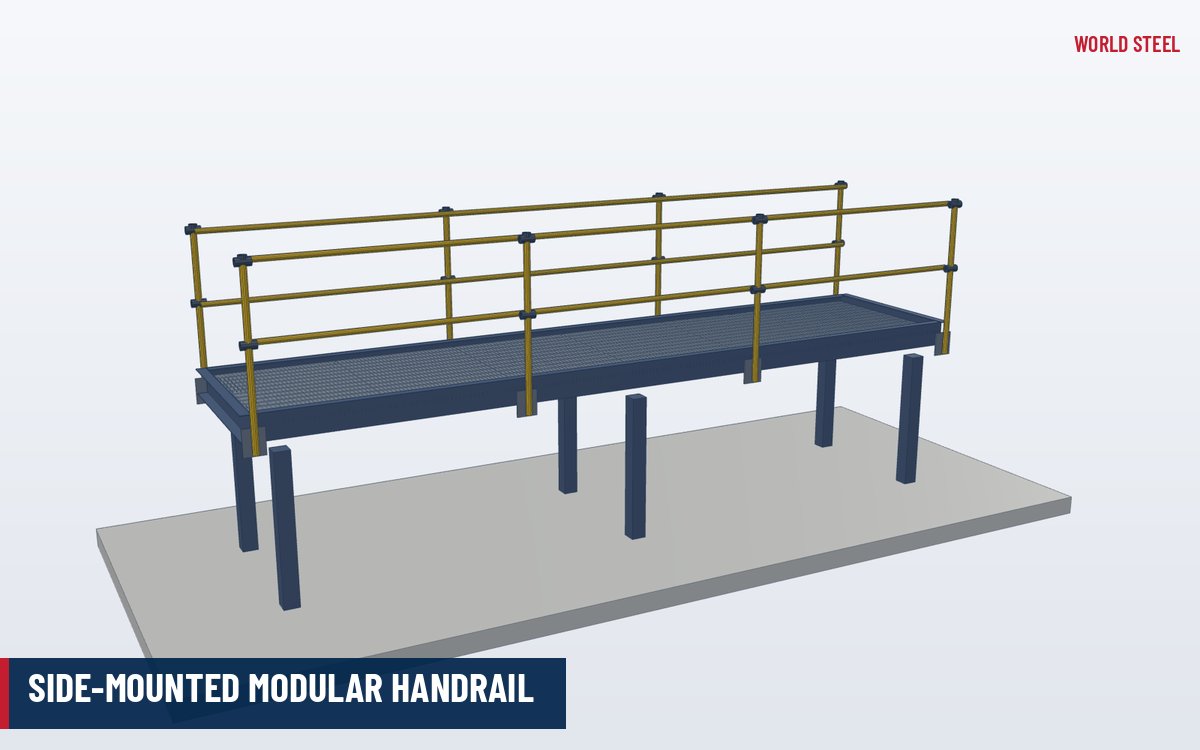
- Bolts to the side of beams, channels or slabs
- Keeps the full walkway width usable
- Same rails and fittings as the WS guardrail
- Brackets for steel webs and concrete edges
- No welding on site, galvanized components
What it is
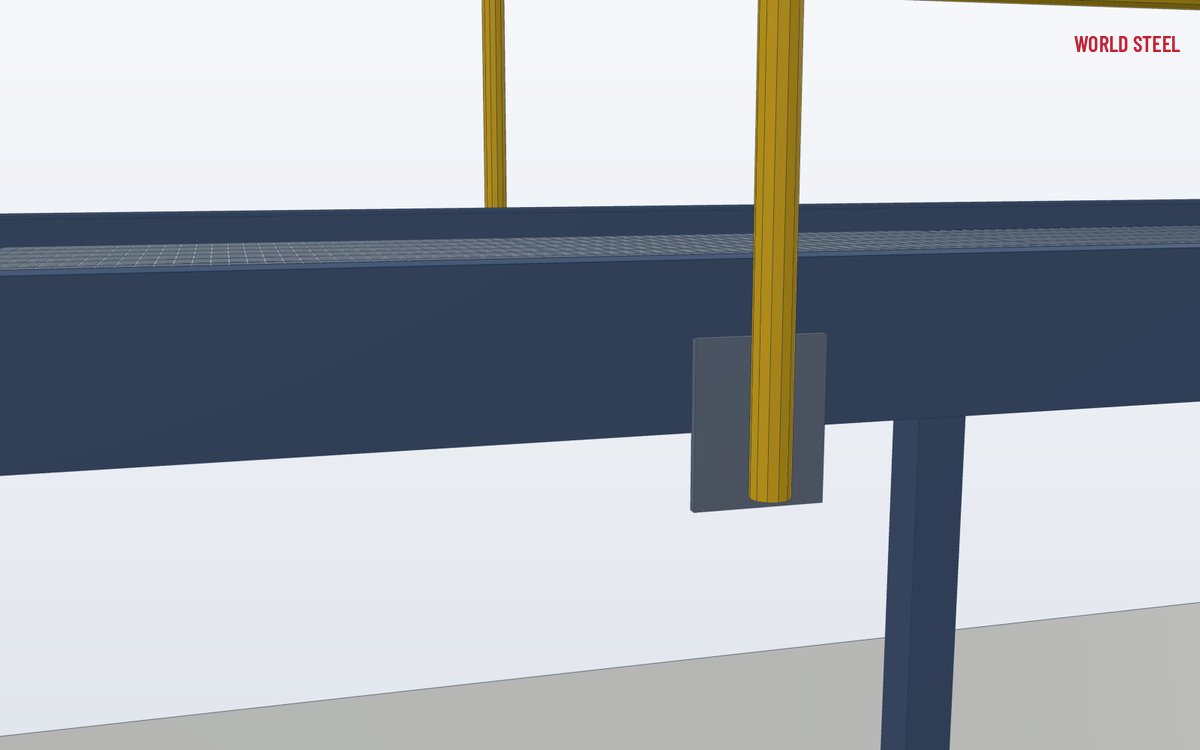
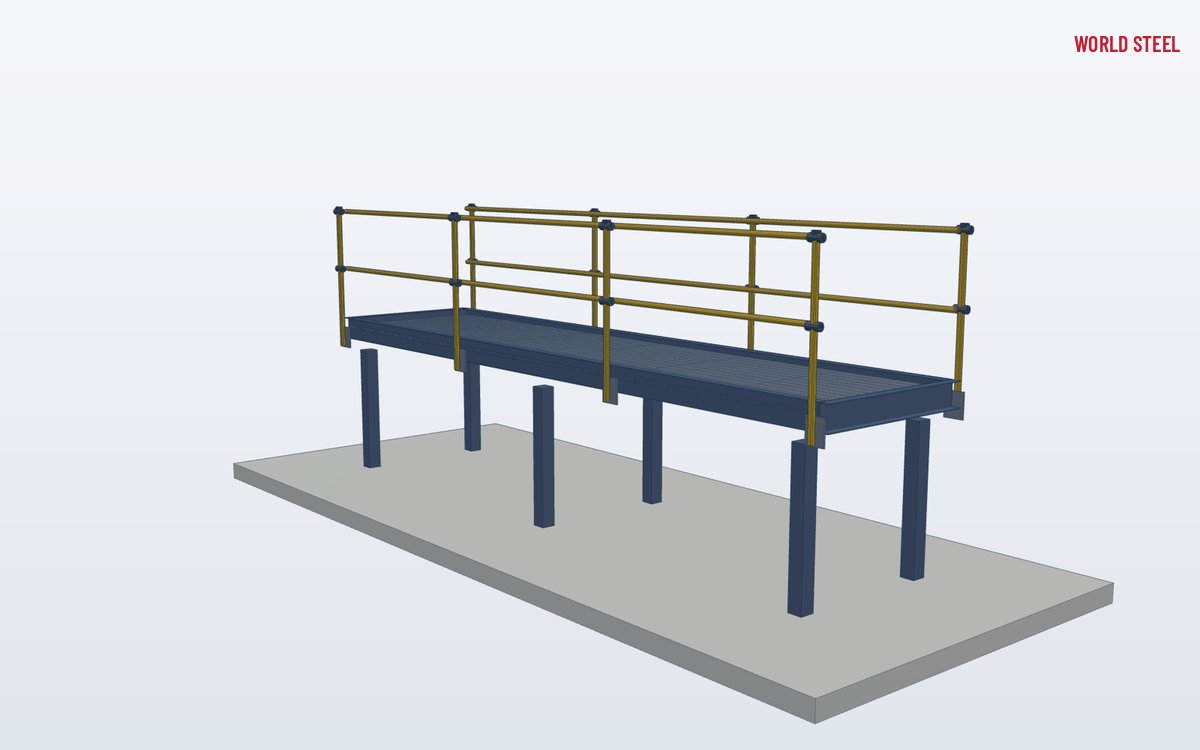
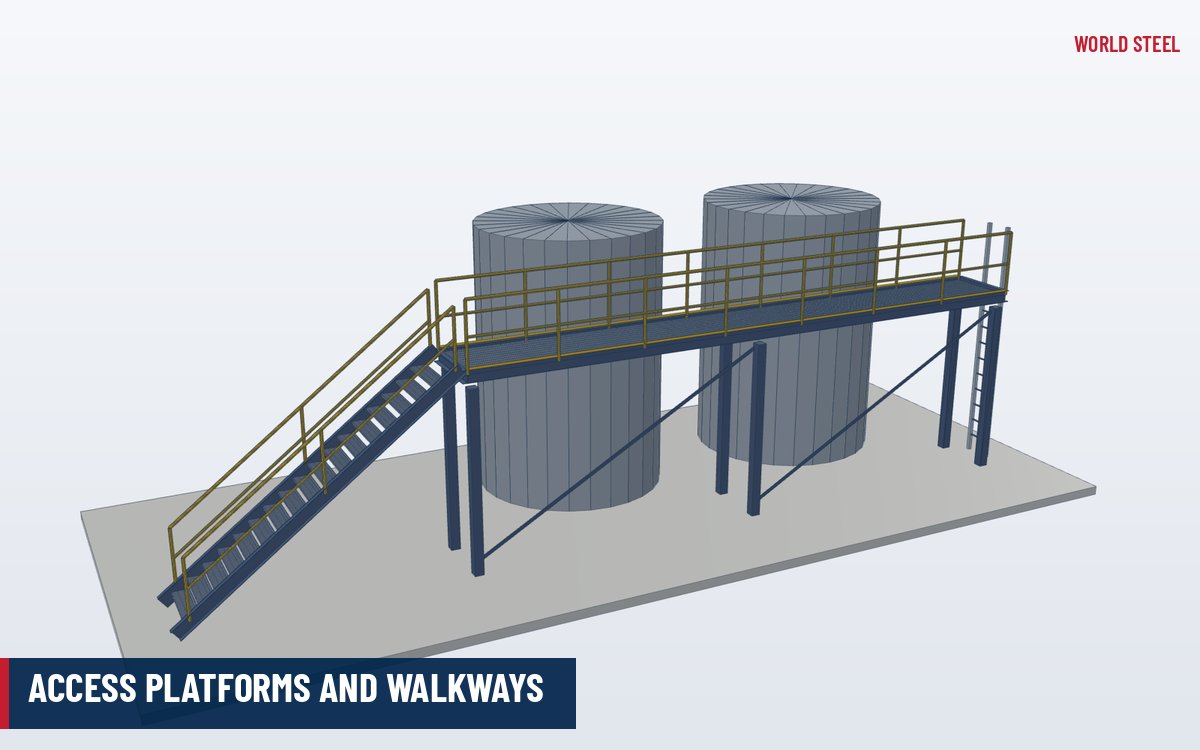
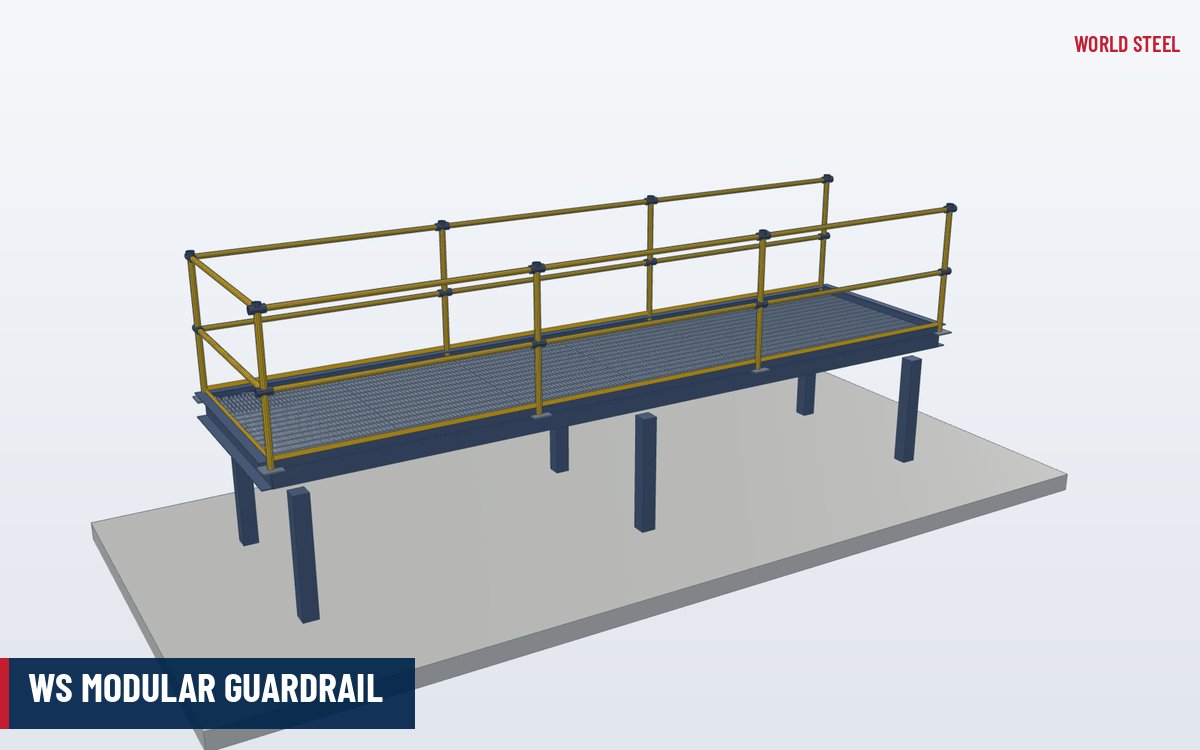
A side-mounted (fascia-mounted) handrail is fixed to the vertical face of the edge member instead of the walking surface. World Steel’s WS-MH-200 uses a stanchion with a welded side bracket bolted through the web of a channel or beam, or anchored into the edge of a concrete slab. Above deck level it is the same system as the top-mounted guardrail – the same rails, fittings, toe boards and gates.
Side mounting is chosen where every millimetre of walkway width counts, where the deck is grating or chequer plate that should not be drilled, or on stair stringers and mezzanine edges where a fascia fixing simply looks cleaner.
Types and options
| Code | Bracket | Fixes to |
|---|---|---|
| WS-MH-210 | Flat bracket, 2 bolts | Channel and PFC webs |
| WS-MH-220 | Angle bracket with packer | Beam webs with flange clearance |
| WS-MH-230 | Stand-off bracket | Slab edges, cladding or fire-protected members |
| WS-MH-240 | Stringer bracket (raked) | Stair stringers |
Design and compliance
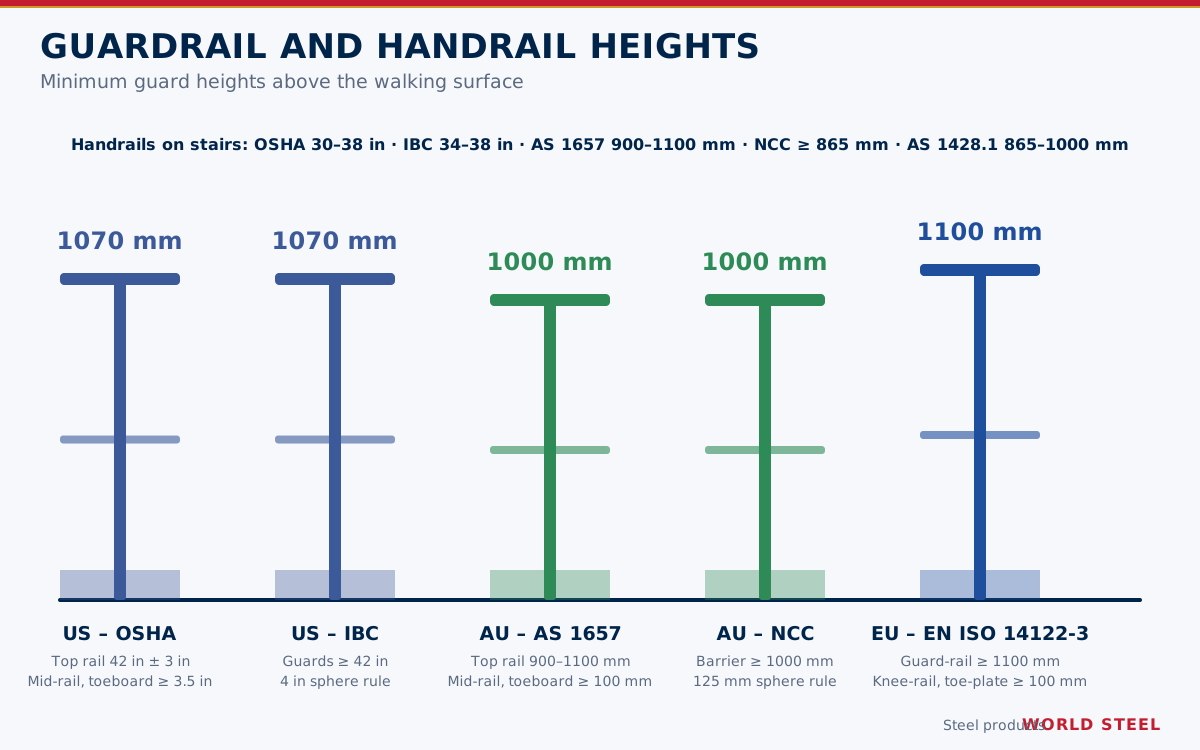
Heights, rail loads and openings follow OSHA 1910.29, AS 1657 or EN ISO 14122-3 exactly as for the top-mounted system. The difference is the fixing: a side bracket transfers the barrier load into the web of the edge member as a moment, so the bolt group, the web thickness and the torsion of the edge member are checked. Where the edge member is light, a stand-off bracket bolted near a stiffener or cleat is used.
At toe-board level the gap between deck and toe board must stay within the code limit; World Steel details the toe board on the inside face of the stanchions so the gap is closed.
Installation and selection
- Drill or punch the edge member in the shop – holes are detailed in the steel model when the handrail ships with the structure.
- Bolt the stanchions, check verticality with the bracket packers, then fit rails and toe boards.
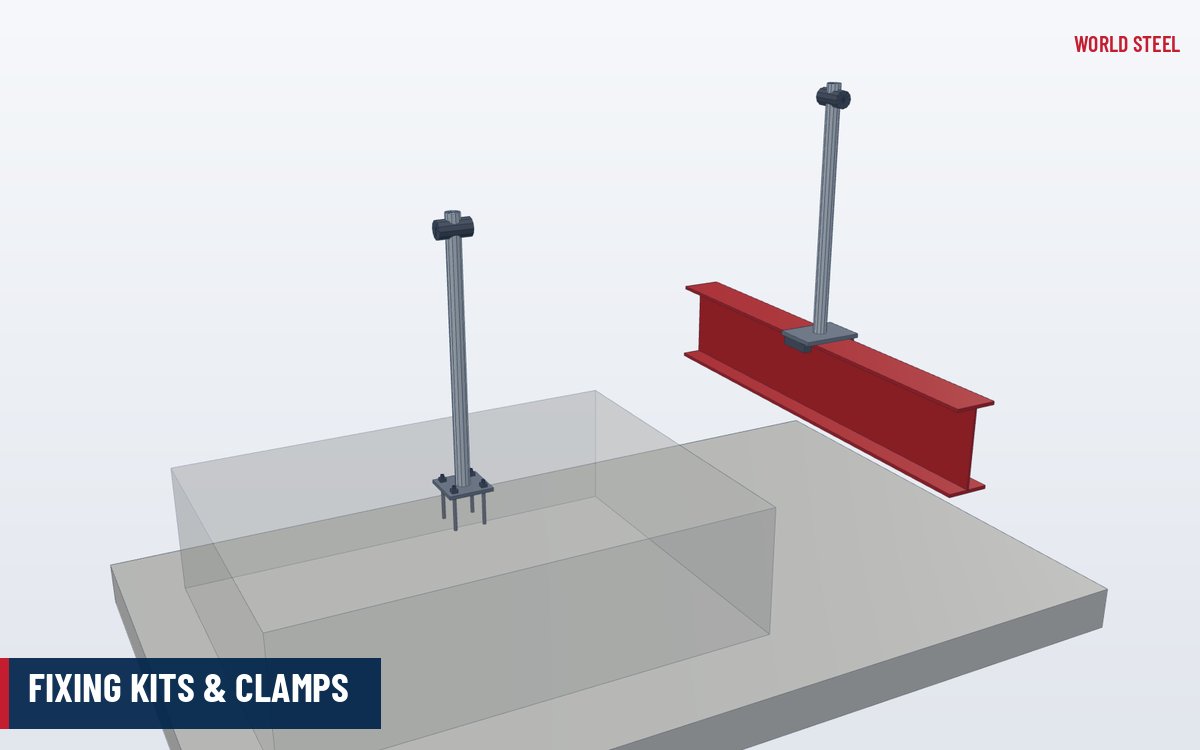
- For concrete edges use the anchors in the fixing kits, with the edge distance checked.
- Specify the edge member, bracket type, code and finish.
Fabrication and finishing at World Steel
Every WS modular handrail component is made in the World Steel plant in Vietnam: tube and bar are cut on saws to the component schedule, stanchions are welded to base plates, brackets or socket spigots on jigs so that rail heights repeat exactly, and fittings are fabricated from heavy-wall tube and plate, drilled and tapped for their locking screws. Welding follows qualified procedures under ISO 3834-2 and the AS/NZS 5131 and EN 1090-2 systems our certifications cover.
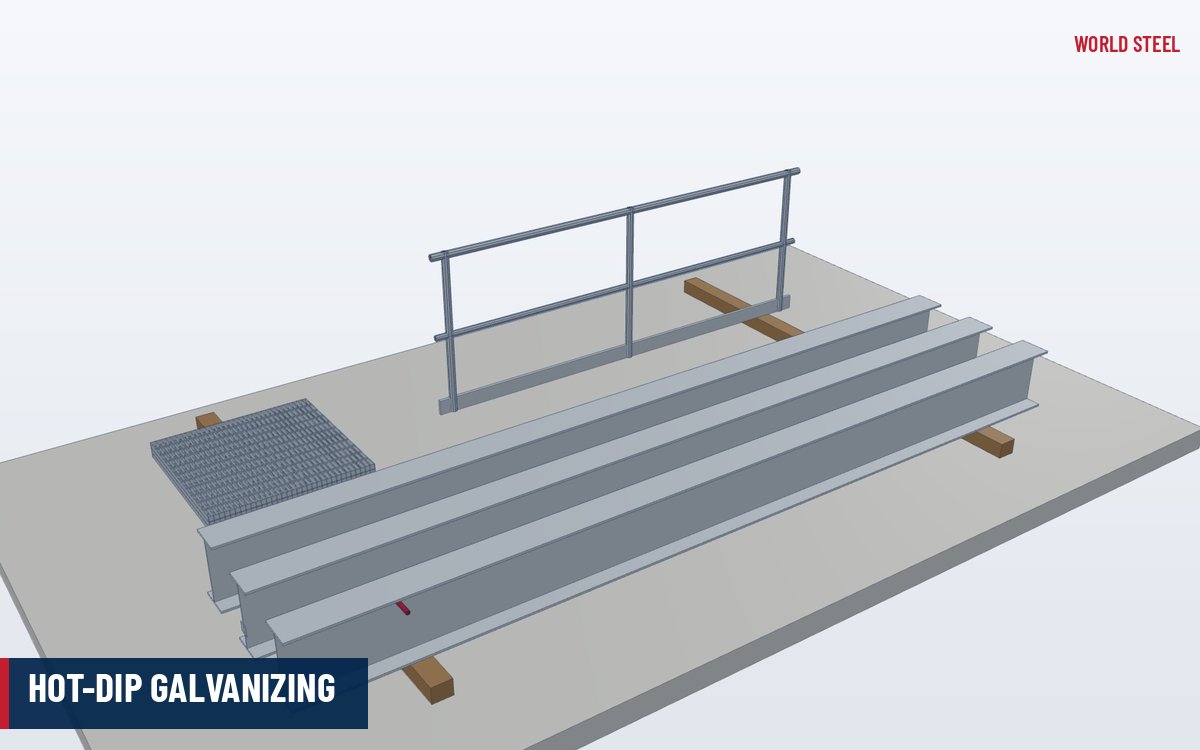
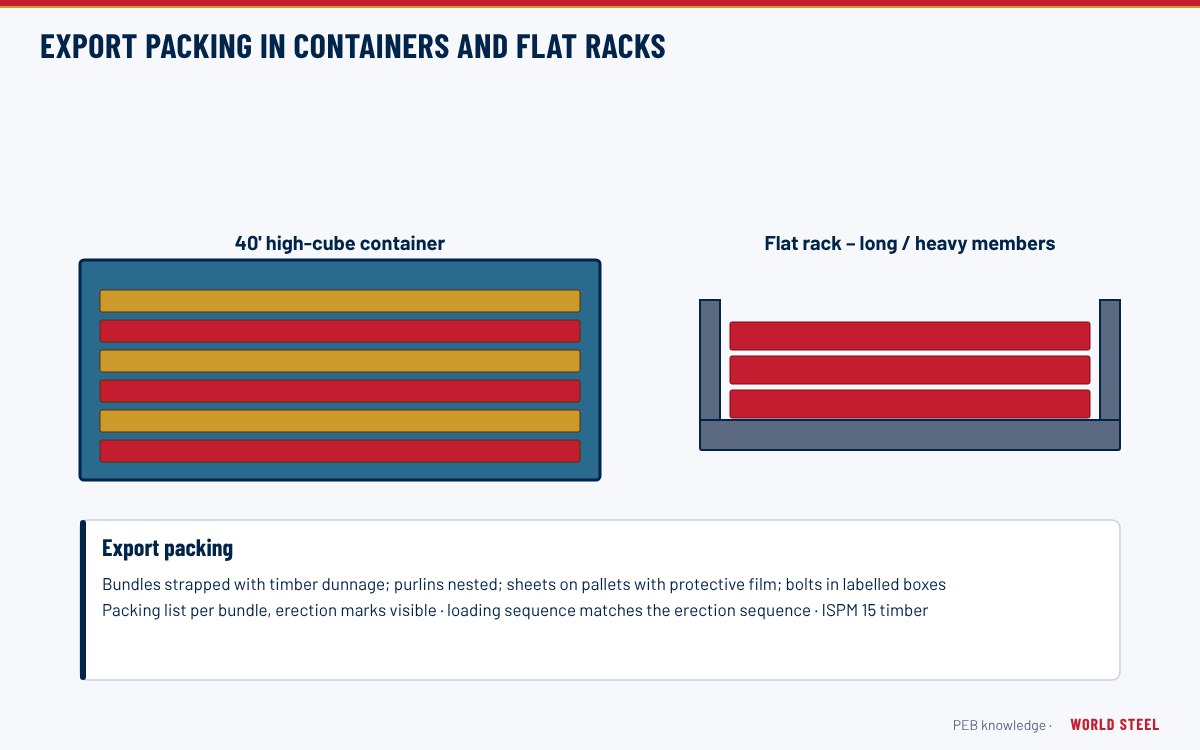
Components are then hot-dip galvanized as single pieces – which is only possible because the system is modular – giving full internal and external zinc coverage with no site welds to repair afterwards. A safety-yellow or architectural topcoat can follow. Parts are marked with their WS code, bagged by type and packed by area for export shipping, together with the structural steel or on their own.
市場別の規格と要求事項
World Steelが本製品の設計・製作・書類作成に適用する基準――および各市場における主な寸法・荷重要件。
 米国
- OSHA 29 CFR 1910.29Fall protection systems – guardrails
- ASCE 7Minimum design loads – guard systems
- IBCInternational Building Code – guards
- ASTM A123Hot-dip galvanized coatings
- Top rail height
- 42 in ± 3 in (OSHA 1910.29(b))
- Rail loads
- Top 200 lbf, mid 150 lbf (OSHA 1910.29(b))
- Max opening
- 19 in (OSHA 1910.29(b))
 豪州 / NZ
- AS 1657-2018Fixed platforms, walkways, stairways and ladders
- AS/NZS 1170.1Imposed actions – barrier loads
- AS/NZS 5131 WSC認証取得Fabrication and erection of structural steelwork
- AS/NZS 4680Hot-dip galvanized coatings
- Guardrail height
- 900–1100 mm (AS 1657)
- Toe board
- ≥ 100 mm where required (AS 1657)
 欧州
- EN ISO 14122-3Stairs, stepladders and guard-rails
- EN 1991-1-1Imposed loads – barriers
- EN 1090-2 WSC認証取得Execution of steel structures
- EN ISO 1461Hot-dip galvanized coatings
- Guard-rail height
- ≥ 1100 mm (EN ISO 14122-3)
- Rail gaps
- ≤ 500 mm (EN ISO 14122-3)
- Toe-plate
- ≥ 100 mm (EN ISO 14122-3)
参考用の概要です――プロジェクト仕様書、採用される基準の版、所轄官庁の判断が優先されます。
表面処理
| 表面処理 | 規格 / 備考 |
|---|---|
| Hot-dip galvanized (standard) | ASTM A123 / A153 · AS/NZS 4680 · EN ISO 1461 |
| Duplex – HDG + safety-yellow topcoat | ASTM A123 + topcoat · AS/NZS 4680 + AS/NZS 2312.1 · EN ISO 1461 + EN ISO 12944 |
| HDG + powder coat (architectural colours) | Galvanized, then polyester powder coat for visible public areas |
よくある質問
When is side mounting better than top mounting?
When walkway width is tight, when the deck should not be drilled, or on stair stringers and mezzanine edges. Structurally it needs a stiffer edge member.
Are the holes in the steel drilled on site?
When the handrail ships with our structural steel the holes are made in the shop from the same model. For existing steel, the brackets can be drilled on site.
Can side- and top-mounted runs be mixed?
Yes – both use the same rails, fittings and toe boards and join at corners.
 AS/NZS 5131 CC3
 EN 1090 EXC3 · CE