ENEnglish
 VITiếng Việt
 ZH中文
 KO한국어
 JA日本語
 FRFrançais
 ITItaliano
 PTPortuguês
 ESEspañol
 HEעברית
 ARالعربية

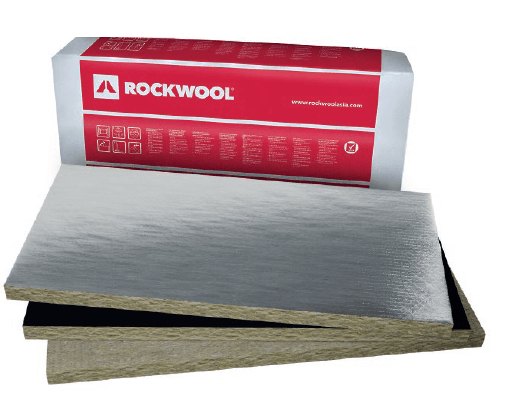 ROCKWOOL
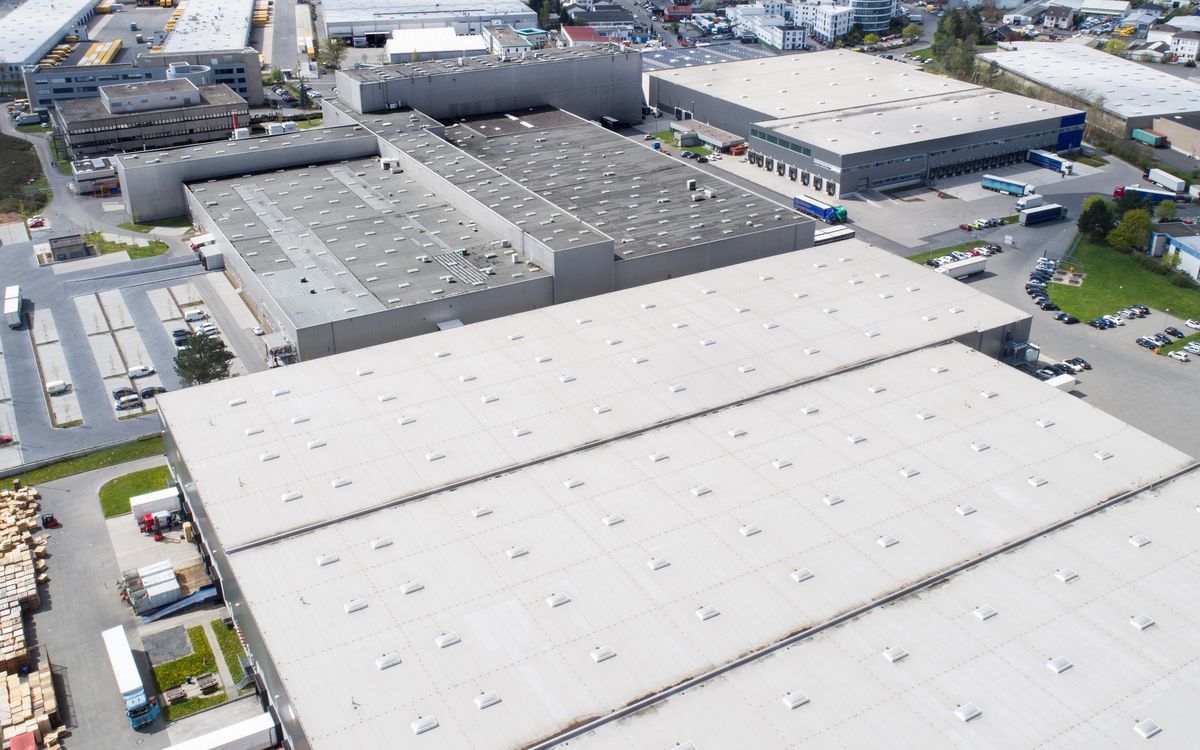 roof insulation
Metal & flat roofs
Blankets under metal roof sheets of steel buildings and high-density boards under membranes on flat roofs.
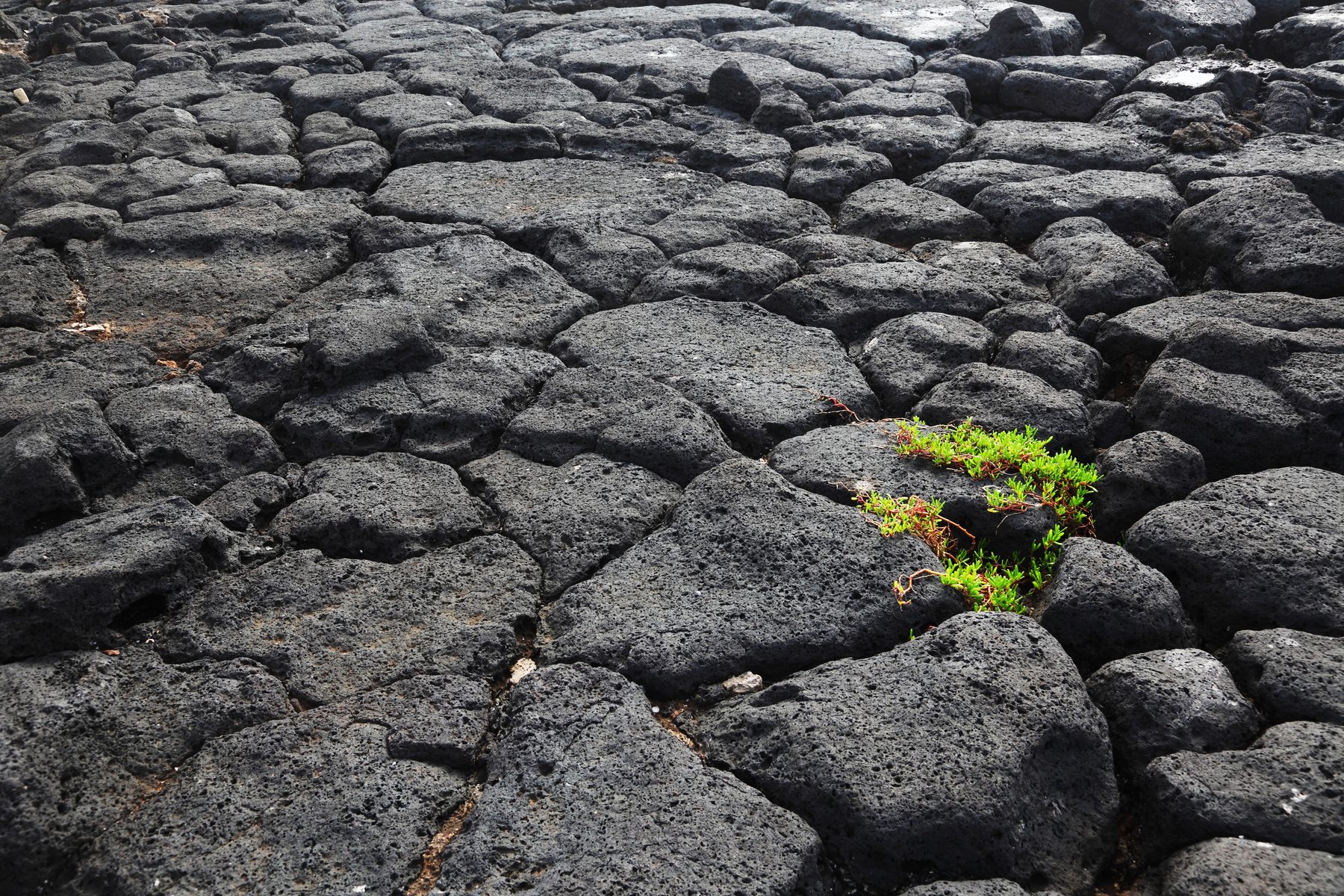
Building materials · ROCKWOOL stone wool insulation
ROCKWOOL turns volcanic rock into stone wool that insulates against heat, noise and fire – non-combustible, with a melting point above 1,000 °C. World Steel supplies the ROCKWOOL range for roofs, walls, sandwich panels, fire stopping and industrial plant, together with your steel structure.
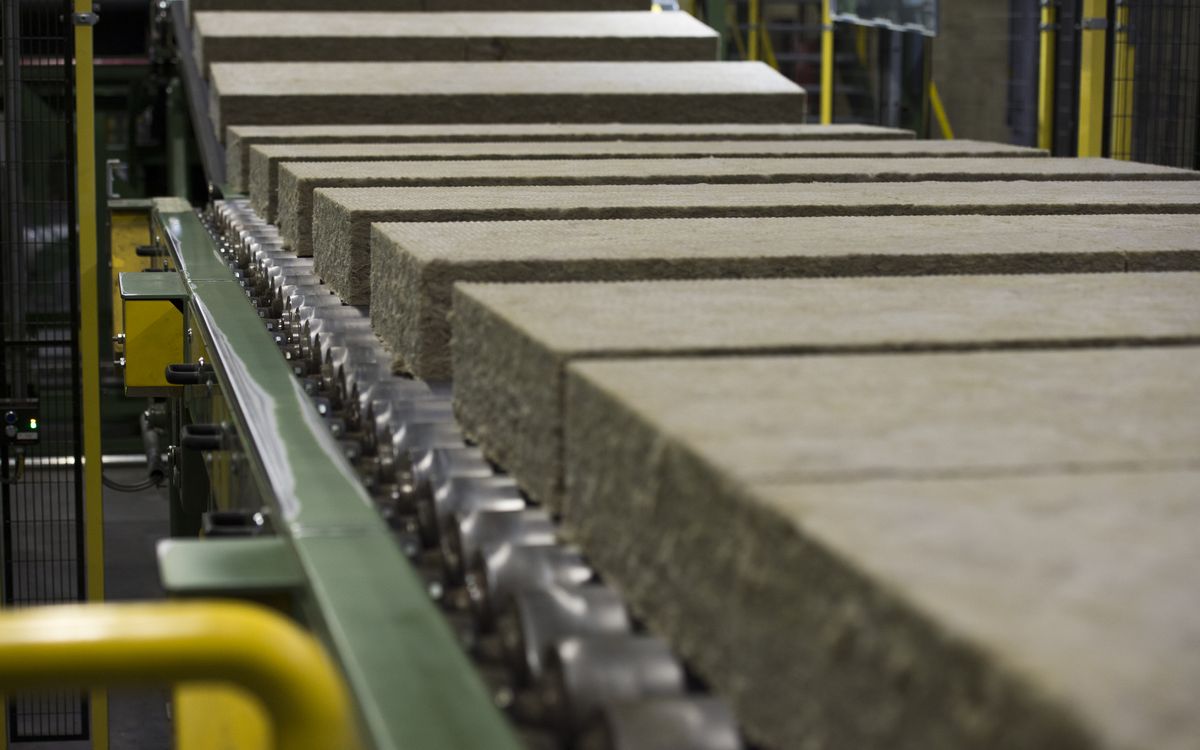
ROCKWOOL is the brand of the ROCKWOOL Group and the name most people use for stone wool (also called rock wool or mineral wool) – an insulation made by melting volcanic rock such as basalt and spinning the lava into fine fibres. The fibres are bound into slabs, rolls, boards and pipe sections full of trapped air: that air is what insulates.
Because it is made of stone, stone wool does not burn. ROCKWOOL states a melting point above 1,000 °C – in a fire it helps stop flames from spreading and gives people time to escape. The same material absorbs sound, repels water, keeps its shape for decades and can be recycled. In Vietnamese it is commonly called bông khoáng or bông đá.
Product range
36 ROCKWOOL products in seven families – each with its own page, technical data and the official data sheet.
Stone wool blankets, slabs and boards for metal roofs, pitched roofs and flat membrane roofs – heat, rain-noise and fire protection.
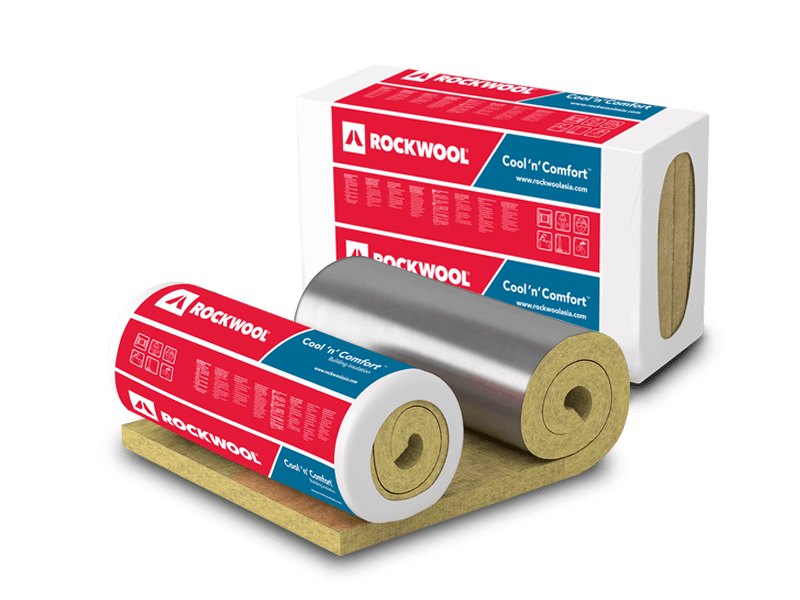 ROCKWOOLRoof insulationCool 'n' Comfort™ Blanket and SlabCool ’n’ Comfort Blanket and Slab is installed below the metal cladding sheet of a single skin roof system, held by reinforced steel wire mesh and aluminium foil. It is available to suit all types of roofs in residential, commercial and industrial buildings.0.034 W/m·Kλ at 23 °CEuroclass A1Reaction to fire (EN 13501-1)View product →
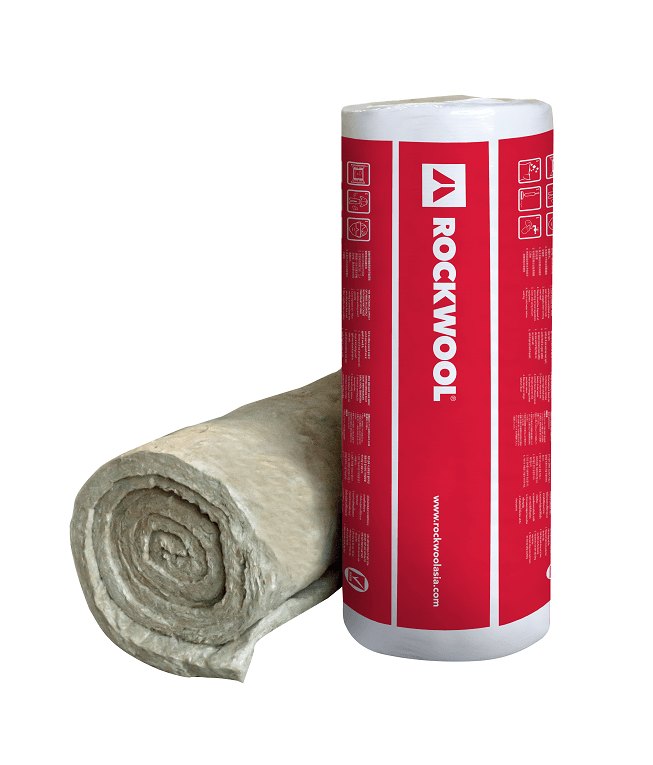 ROCKWOOLRoof insulationThermalrock® B BlanketThermalrock B (Blanket) is a flexible blanket designed for general insulation applications. It is manufactured in a variety of thicknesses which makes it suitable for the thermal insulation in residential, commercial and industrial buildings.0.034 W/m·KThermal conductivity λEuroclass A1Reaction to fire (EN 13501-1)View product →
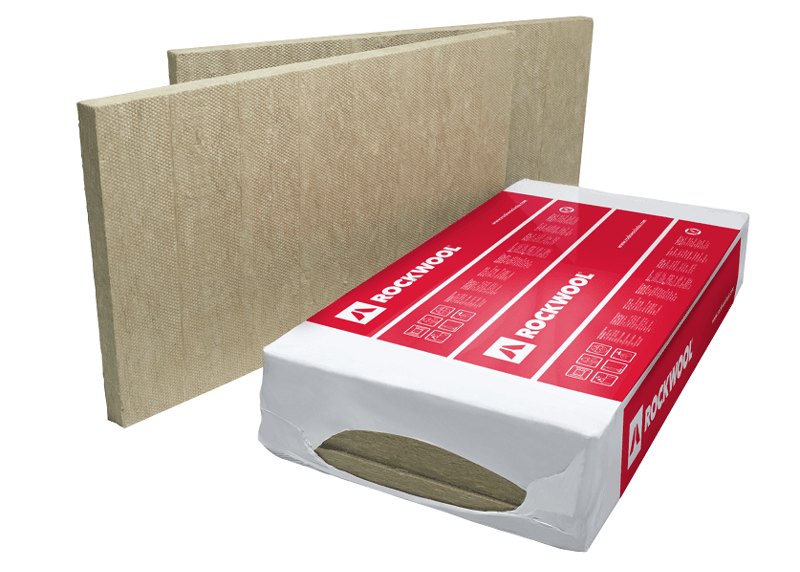 ROCKWOOLRoof insulationHardrock®Hardrock provides flexibility in terms of design, cost and usage in a membrane roofing system. ROCKWOOL roofing boards offer three different types of roofing insulation systems to allow owners, designers and installers to achieve the desired performance.0.038 W/m·KThermal conductivity λEuroclass A1Reaction to fire (EN 13501-1)View product →
Conrock lamella and slabs – the non-combustible structural core of metal-faced sandwich panels for walls, roofs and partitions.
Stone wool for façades, curtain walls, partitions and party walls – thermal, acoustic and fire performance in one material.
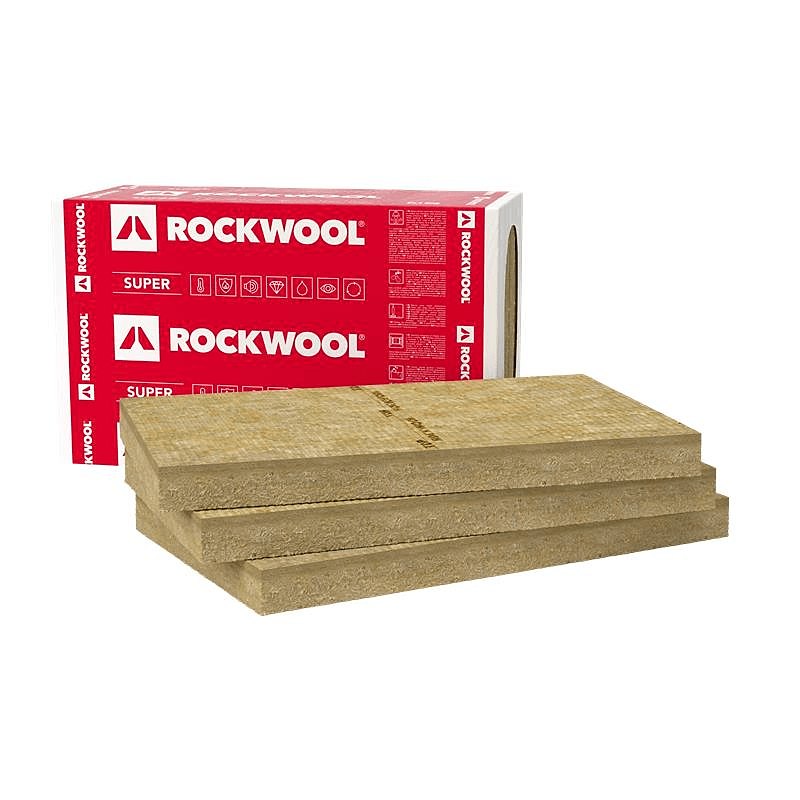 ROCKWOOLWall & façade insulationFacaderockFacaderock is an ideal insulation material for new build, extension and retrofit projects as well as for rendered insulation system in non-transparent curtain wall structure with 10kpa tensile strength. It is an ideal combination of good thermal…0.040 W/m·Kλ at 23 °CEuroclass A1Reaction to fire (EN 13501-1)View product →
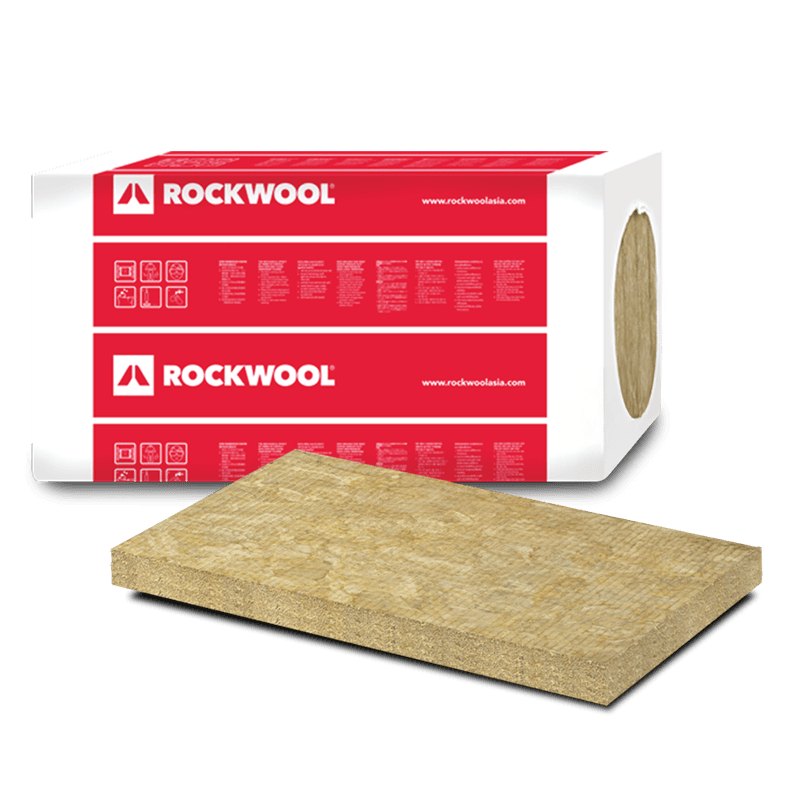 ROCKWOOLWall & façade insulationCurtainrock®ROCKWOOL CURTAINROCK® is a stone wool insulation board designed for a variety of curtain wall systems i.e. Perimeter Fire Containment System and Through-Penetration Firestop System.0.037 W/m·KThermal conductivity λEuroclass A1Reaction to fire (EN 13501-1)View product →
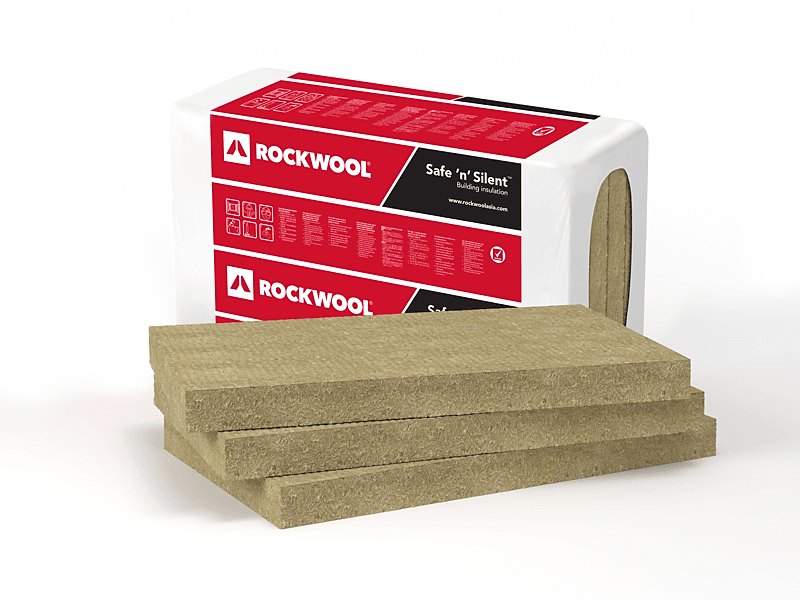 ROCKWOOLWall & façade insulationSafe 'n' Silent™ ProROCKWOOL Safe ‘n’ Silent Pro is designed and manufactured to achieve excellent fire, thermal and acoustic insulation performance in all types of building interior configurations.0.033 W/m·KThermal conductivity λEuroclass A1Reaction to fire (EN 13501-1)View product →
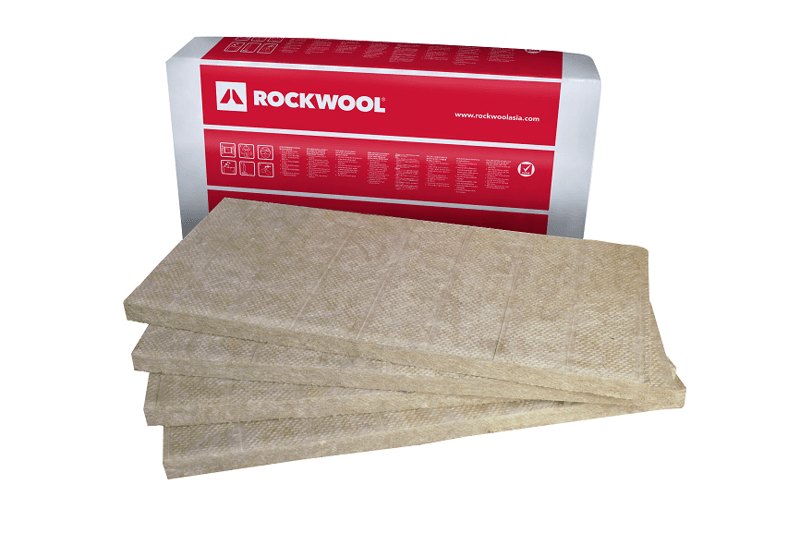 ROCKWOOLWall & façade insulationThermalrock® S (Slab)Thermalrock S (Slab) is an insulation slab designed for general insulation purposes. It is manufactured in a wide variety of thicknesses and densities to suit most requirements, suitable for general application in residential, commercial and industrial…0.036 W/m·Kλ at 23 °CEuroclass A1Reaction to fire (EN 13501-1)View product →
Insulation for concrete soffits above car parks, basements and cellars – warmer, quieter and safer floors above.
Collars, wraps, sealants, compounds, putty pads and curtain-wall fire stops that reinstate the fire resistance of walls and floors at service penetrations.
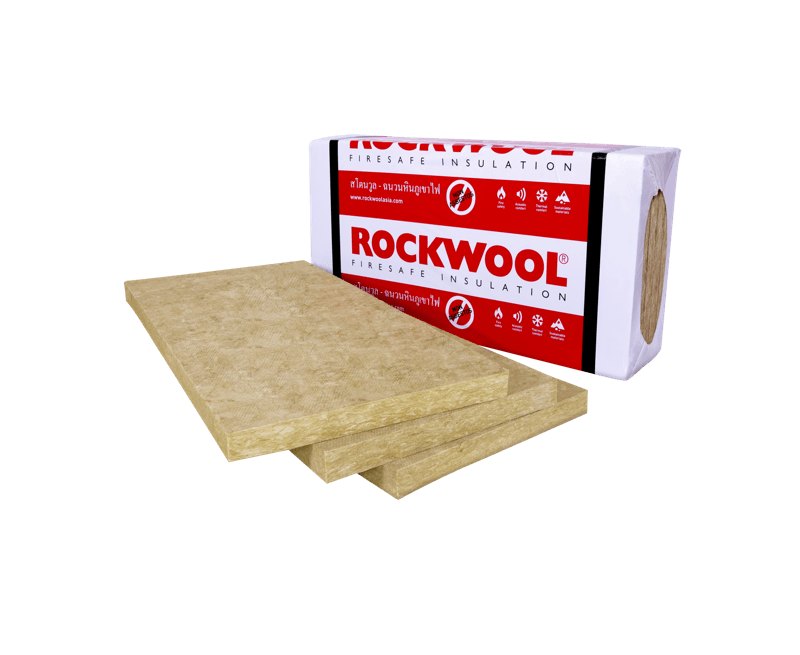 ROCKWOOLConlit® fire stoppingRocksafe PlusRocksafe products are developed to be used as a fire protection to curtain wall applications.0.035 W/m·KThermal conductivity λEuroclass A1Reaction to fire (EN 13501-1)View product →
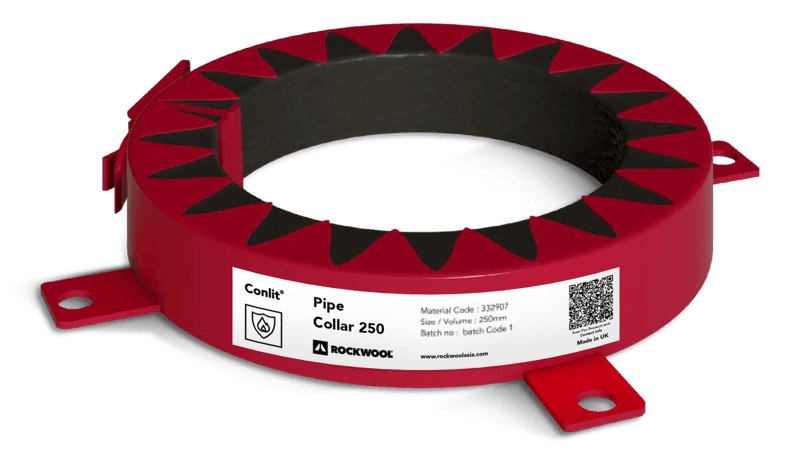 ROCKWOOLConlit® fire stoppingConlit® Pipe CollarConlit Pipe Collar is a penetration sealing device for plastic pipework.View product →
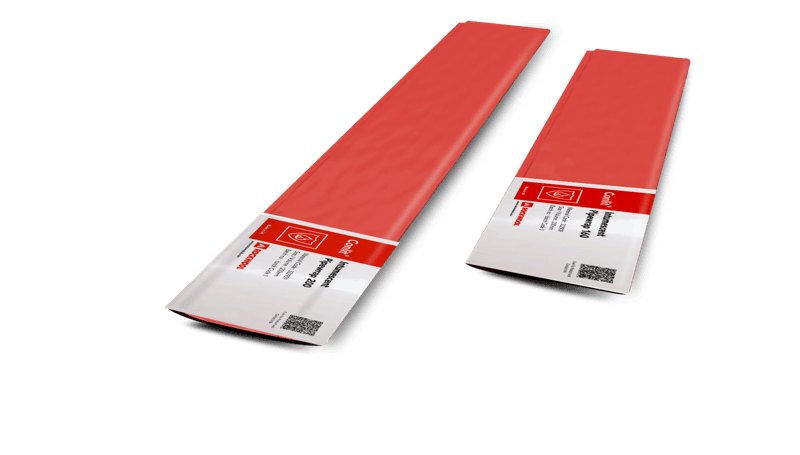 ROCKWOOLConlit® fire stoppingConlit® Intumescent PipewrapConlit Intumescent Pipe Wraps are designed to seal service penetrations in apertures containing combustible plastic pipes.View product →
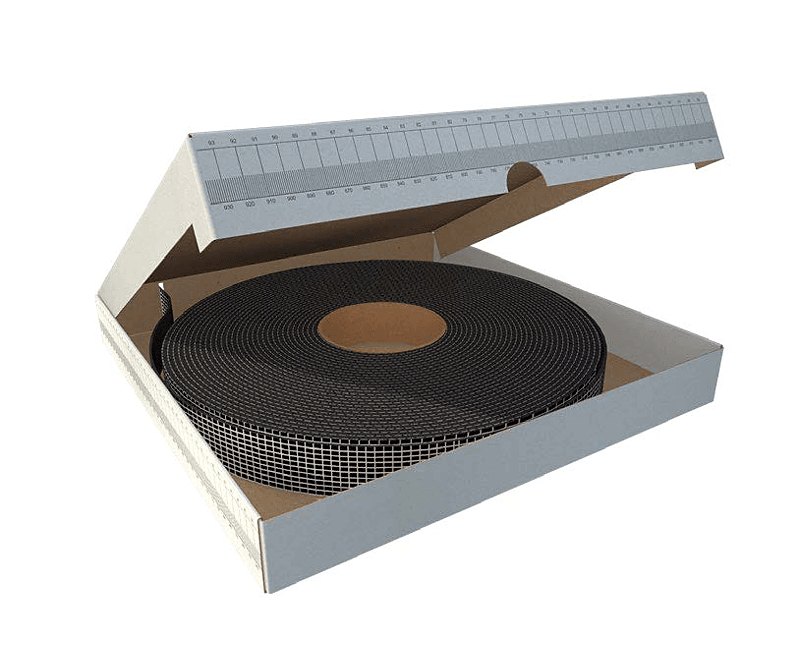 ROCKWOOLConlit® fire stoppingConlit® Intumescent Pipewrap RollConlit Intumescent Pipewrap Roll comprises an intumescent material made from elastomeric thermoplastic polymers combined with active components that provide a high volume expansion and pressure seal for pipework through fire rated walls and floors in the…View product →
Stone wool pipe sections, wired mats, slabs and blankets for pipes, vessels, boilers and ducts in process, power and oil & gas plants.
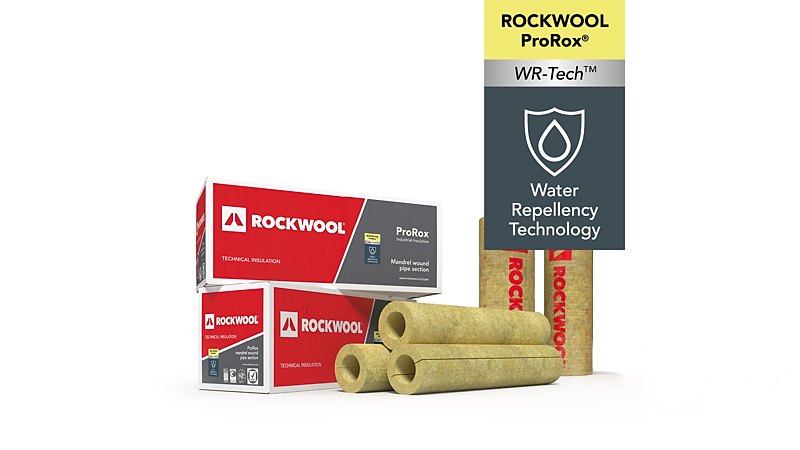 Pipe sectionsMandrel-wound stone wool sections for insulating industrial pipework.2 products →
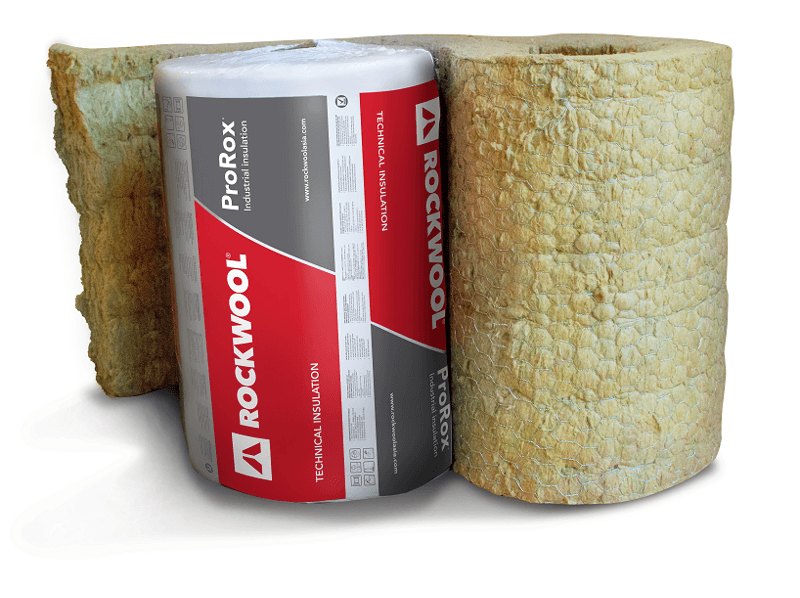 Wired matsStone wool stitched on wire mesh for large pipes, vessels, columns and ducts.6 products →
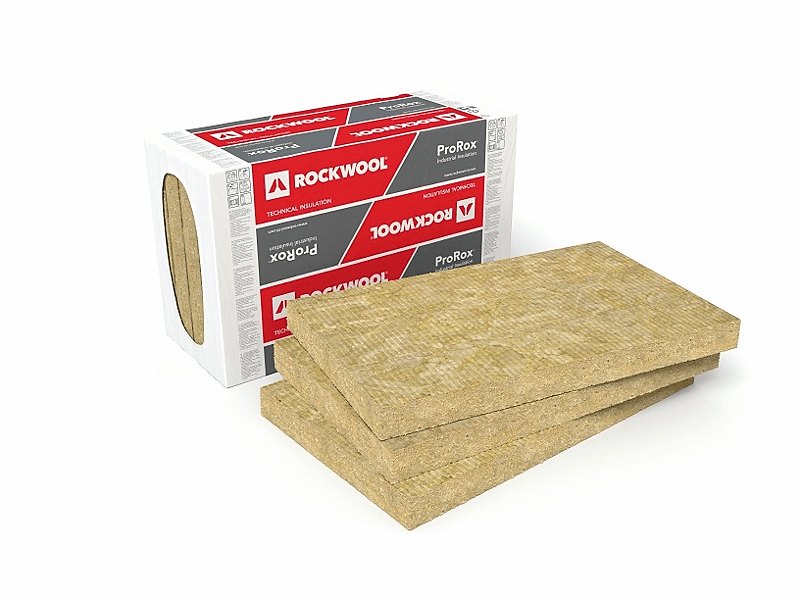 SlabsSemi-rigid and rigid stone wool slabs for boilers, vessels, flat surfaces and ducts.5 products →
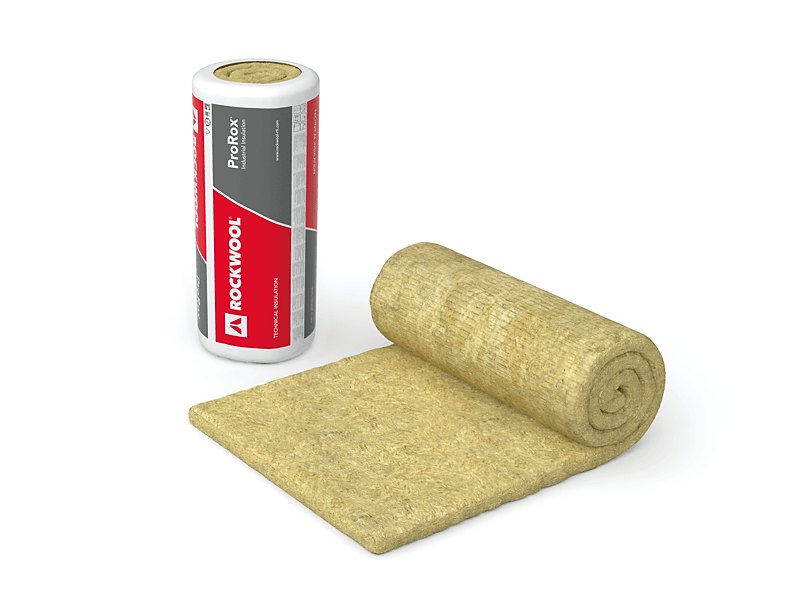 BlanketsLightly bonded stone wool blankets and wraps for equipment and irregular surfaces.3 products →
In construction
From the roof down to the basement – and inside the plant.
roof insulation
Blankets under metal roof sheets of steel buildings and high-density boards under membranes on flat roofs.
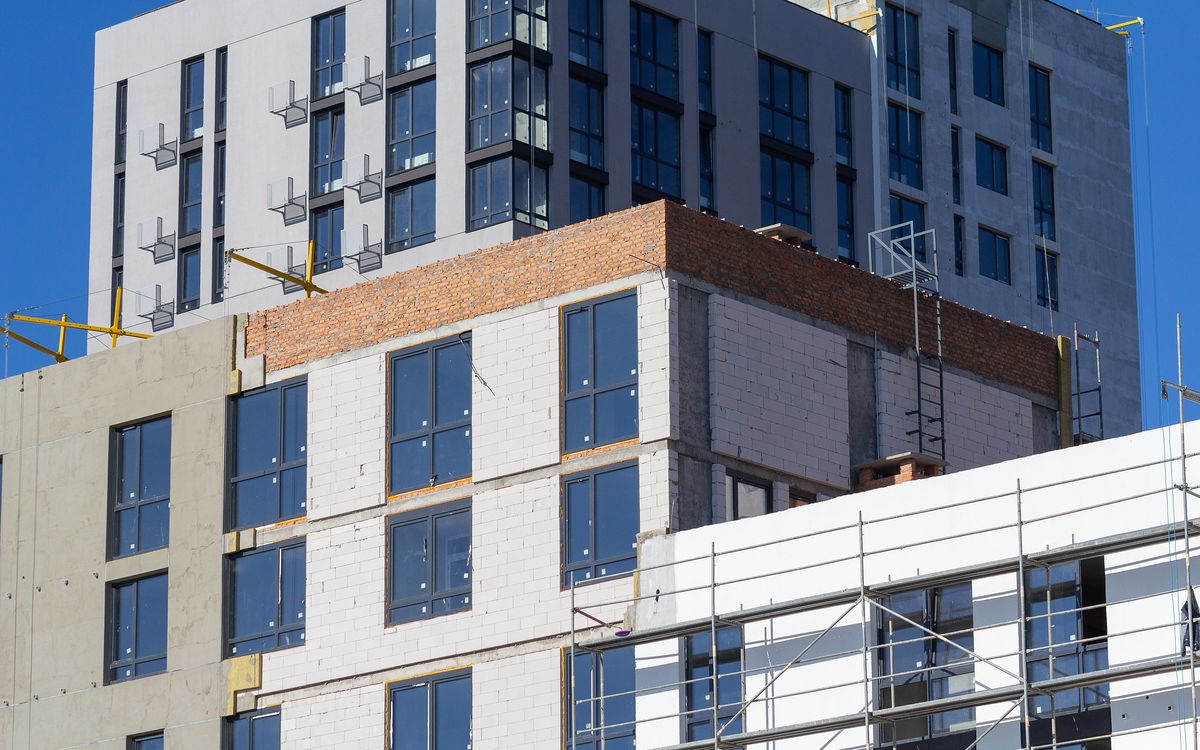 external walls
Ventilated façades, curtain walls and rendered systems – with fire stops between floors.
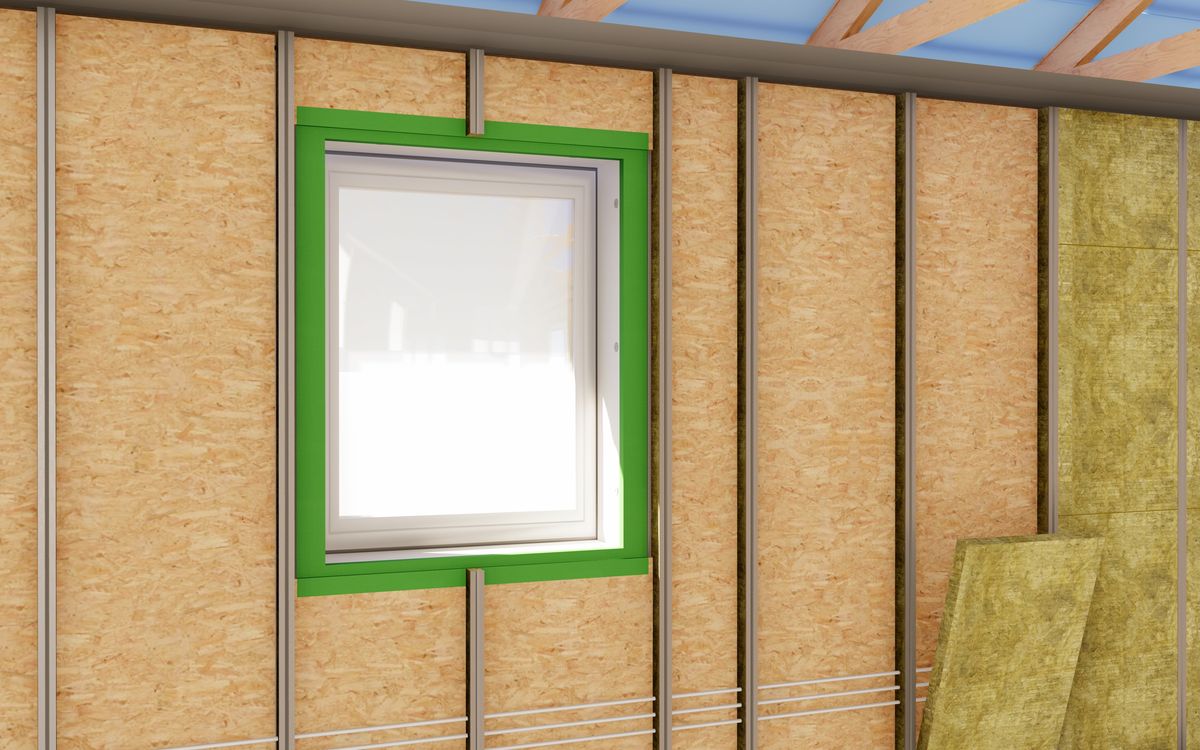 internal walls
Acoustic and fire-rated walls between rooms, apartments, hotel rooms and offices.
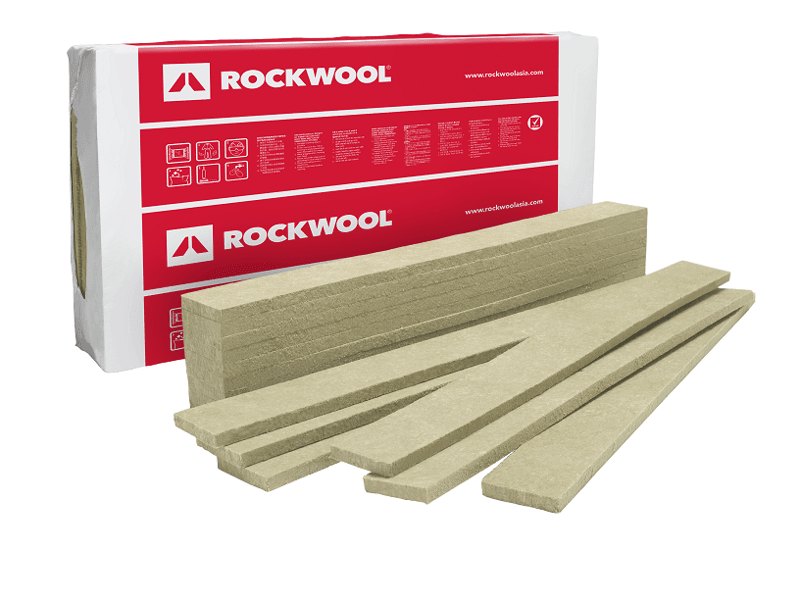 panel core
A non-combustible core for metal-faced wall, roof and partition panels.
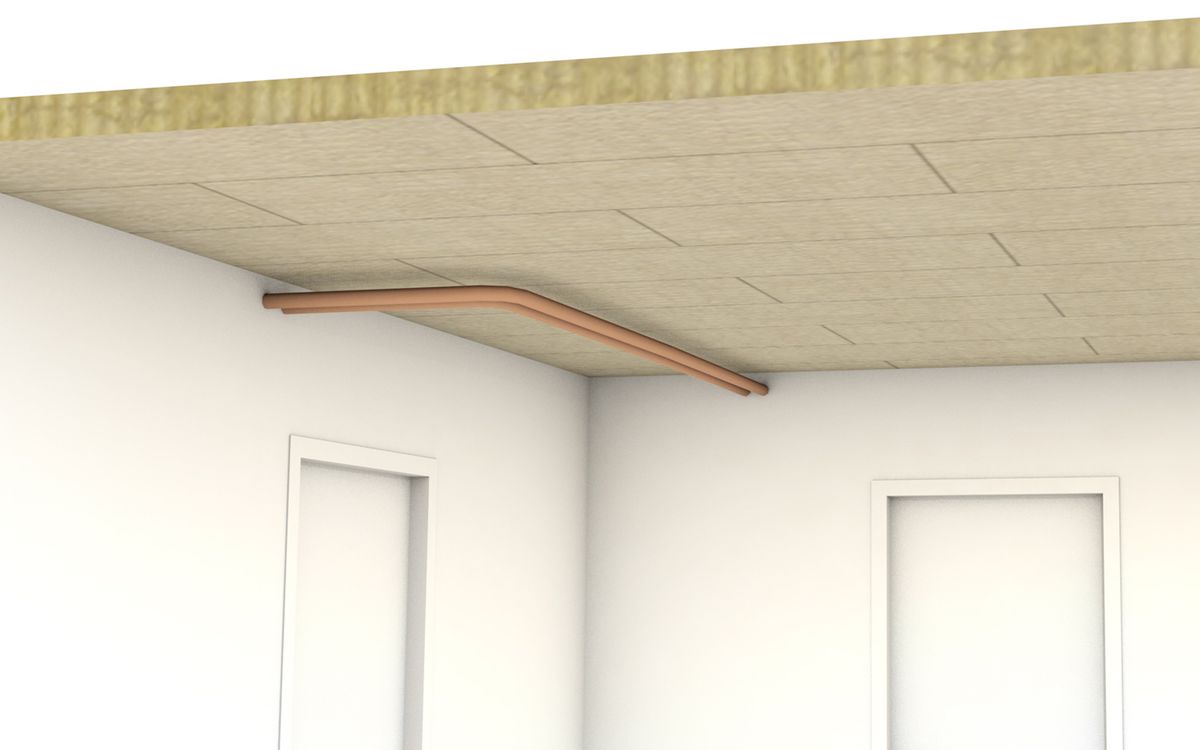 car parks · basements
Insulation under concrete slabs above car parks, basements and cellars.
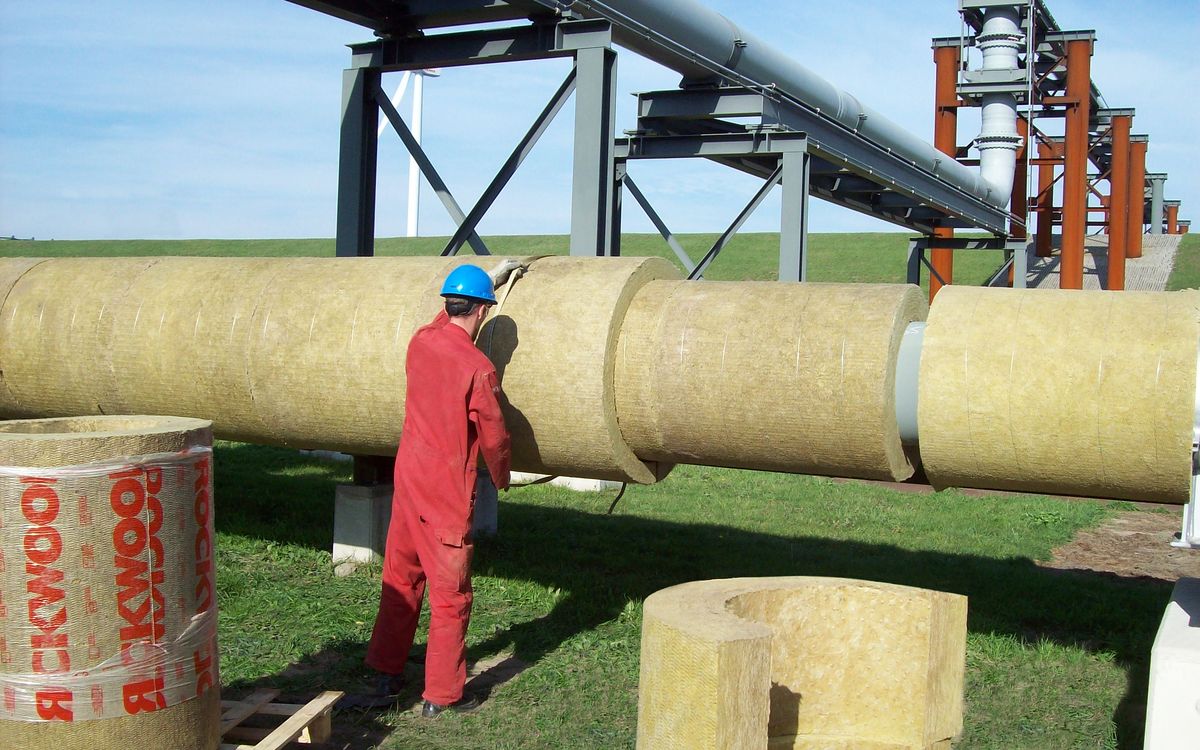 ProRox®
Pipes, vessels, boilers and ducts in process, power and oil & gas plants.
Applications
Non-combustible, with a melting point above 1,000 °C – stone wool does not add fuel to a fire.
Keeps buildings cool in the tropics and warm in winter – lower energy for cooling and heating.
Absorbs and blocks sound: rain on metal roofs, machinery, traffic and noise between rooms.
Dimensionally stable – thermal performance stays the same for the life of the building.
Water-repellent building grades; engineered grades absorb and hold water for horticulture.
Made from an abundant natural resource and recyclable at the end of its life.
Codes & compliance
The standards most often asked for stone wool insulation in our export markets – the product data sheet states the ones each product meets.
 International & Europe
 United States
 Australia & New Zealand
 Southeast Asia
Summary for orientation only – the project specification, the adopted code edition and the authority having jurisdiction govern.
How it is made
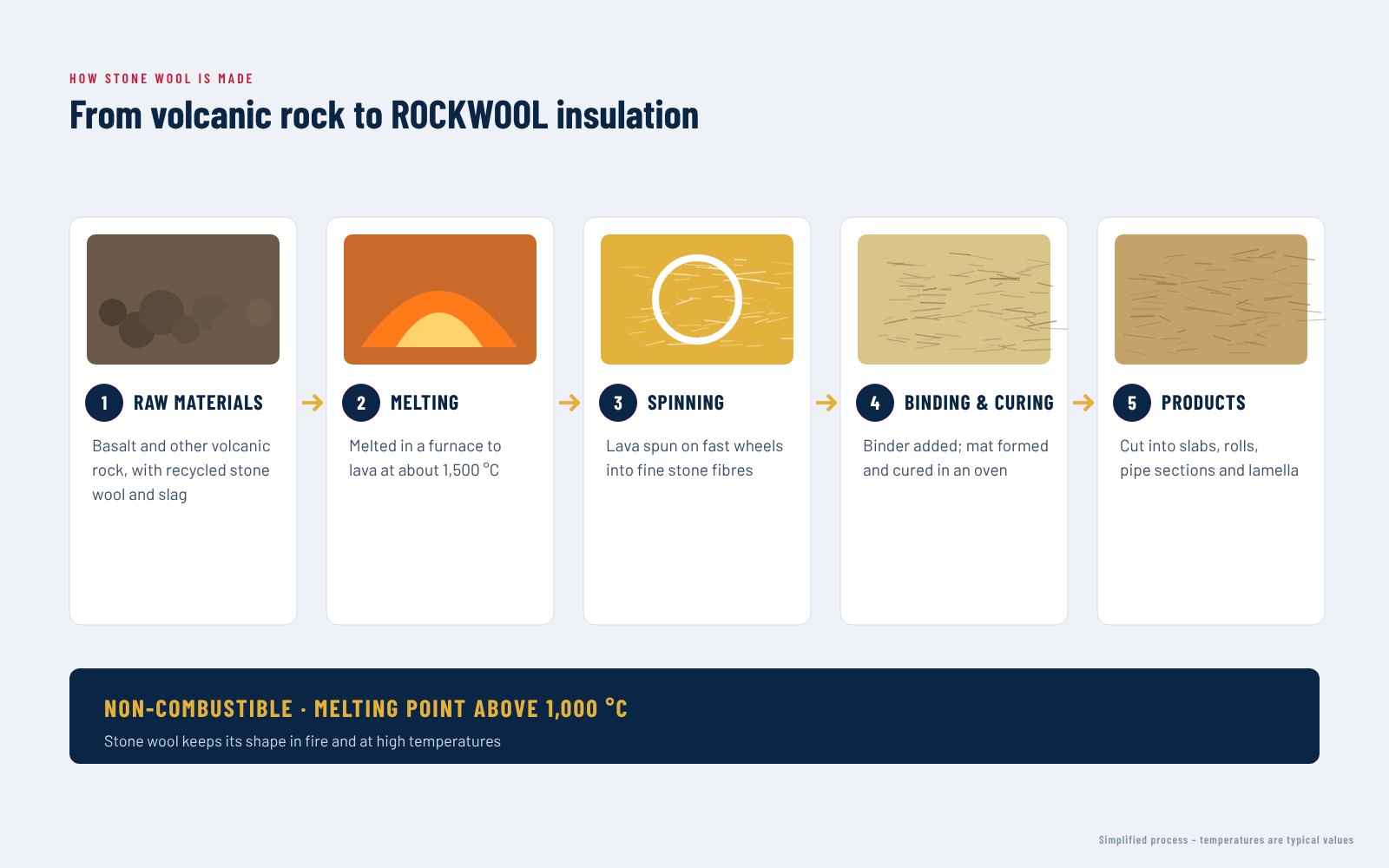
Volcanic rock – mainly basalt – is melted in a furnace into lava at about 1,500 °C. The lava pours onto spinning wheels that throw it into fibres, a binder is added, and the mat is compressed and cured in an oven. It is then cut into slabs, rolls, lamella, boards and pipe sections. ROCKWOOL also uses recycled stone wool and waste from other industries as raw material.

In everyday life
The ROCKWOOL Group's products are part of daily life: insulation in homes, schools, hospitals and offices; acoustic ceilings in classrooms and open-plan offices; façade boards on buildings; and stone wool growing media used by professional greenhouse growers to produce vegetables with less water. In industry, stone wool insulates pipes, tanks and boilers in refineries, power stations and on ships.
Fire safety
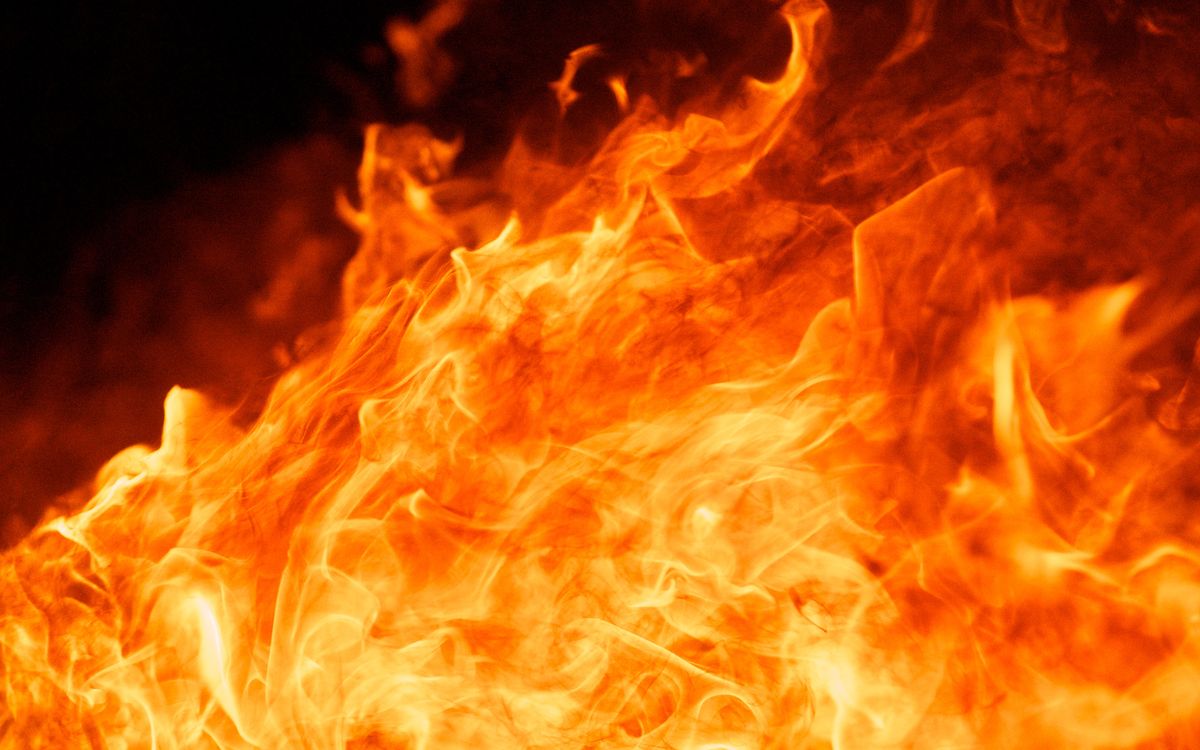
Most ROCKWOOL building products are classified Euroclass A1 – the highest reaction-to-fire class of EN 13501-1 – and industrial ProRox® grades A1L. In a building fire, non-combustible insulation does not feed the fire or produce burning droplets, and stone wool barriers and Conlit® seals help keep fire inside a compartment. That is why stone wool is specified for high-rise façades, fire walls, escape routes and industrial plant.
World Steel · building envelope hub
World Steel designs, fabricates and exports steel buildings; we supply the ROCKWOOL insulation that completes them. Roof blankets, wall slabs, sandwich panel cores, fire stopping and ProRox® industrial insulation are specified with the structure, taken off the same 3D model and shipped with the steel – one partner, one schedule, one delivery to site. See also stone wool vs glass wool and our gypsum board and ceiling ranges.
Process
Thermal, acoustic and fire targets set with the building design and code.
Product, thickness, density and facing chosen from the ROCKWOOL range.
Quantities from the same 3D model as the steel, purlins and cladding.
Insulation priced with the steel package – one offer.
Packed and shipped with the structure on one schedule.
Data sheets, installation guides and certificates in the project dossier.
FAQ
ROCKWOOL stone wool is made mainly from volcanic rock such as basalt, together with recycled stone wool and other raw materials, melted at about 1,500 °C and spun into fibres held together by a binder.
ROCKWOOL is a brand of stone wool; "rock wool" and "stone wool" describe the material. Mineral wool is the family that includes both stone wool and glass wool.
Stone wool is non-combustible and ROCKWOOL states a melting point above 1,000 °C. Most building products are Euroclass A1. Fire resistance of a wall or floor depends on the complete tested system.
Both are mineral wools. Stone wool is made from volcanic rock, is denser and withstands much higher temperatures; glass wool is made from sand and recycled glass and is lighter. See our full comparison page.
Yes. We specify and supply ROCKWOOL roof, wall, panel-core, fire-stopping and industrial insulation together with the steel structure, as one package and shipment.
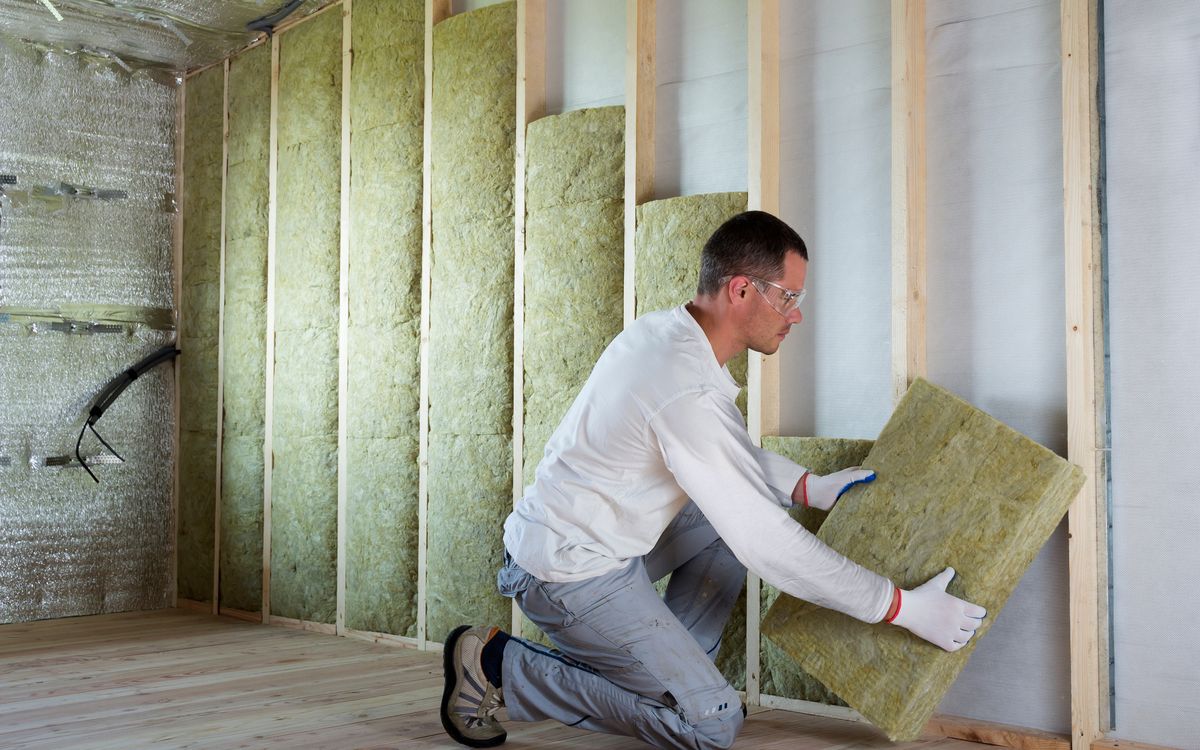
Follow the manufacturer's safety data sheet. ROCKWOOL fibres used in Europe are certified by EUCEB; normal precautions apply when cutting – gloves, long sleeves, eye protection and a dust mask.
Send us your drawings or insulation schedule – we quote the ROCKWOOL products with the steel structure and ship them together.