ENEnglish
 VITiếng Việt
 ZH中文
 KO한국어
 JA日本語
 FRFrançais
 ITItaliano
 PTPortuguês
 ESEspañol
 HEעברית
 ARالعربية

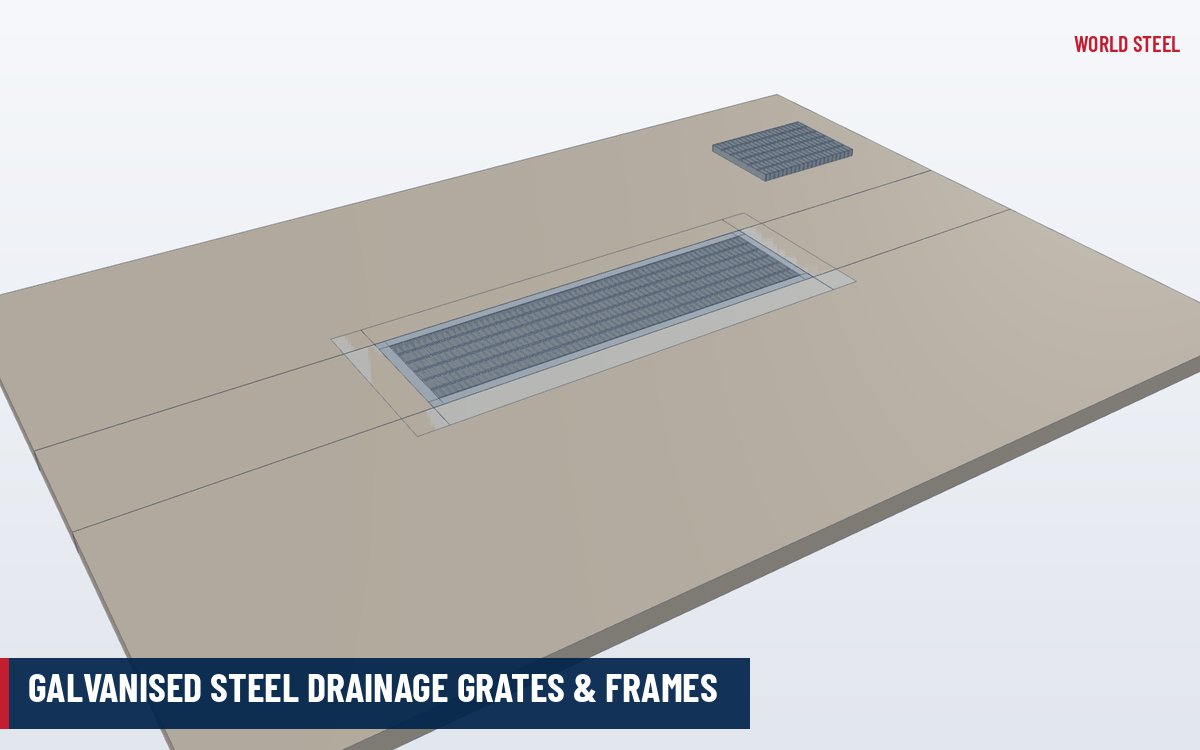
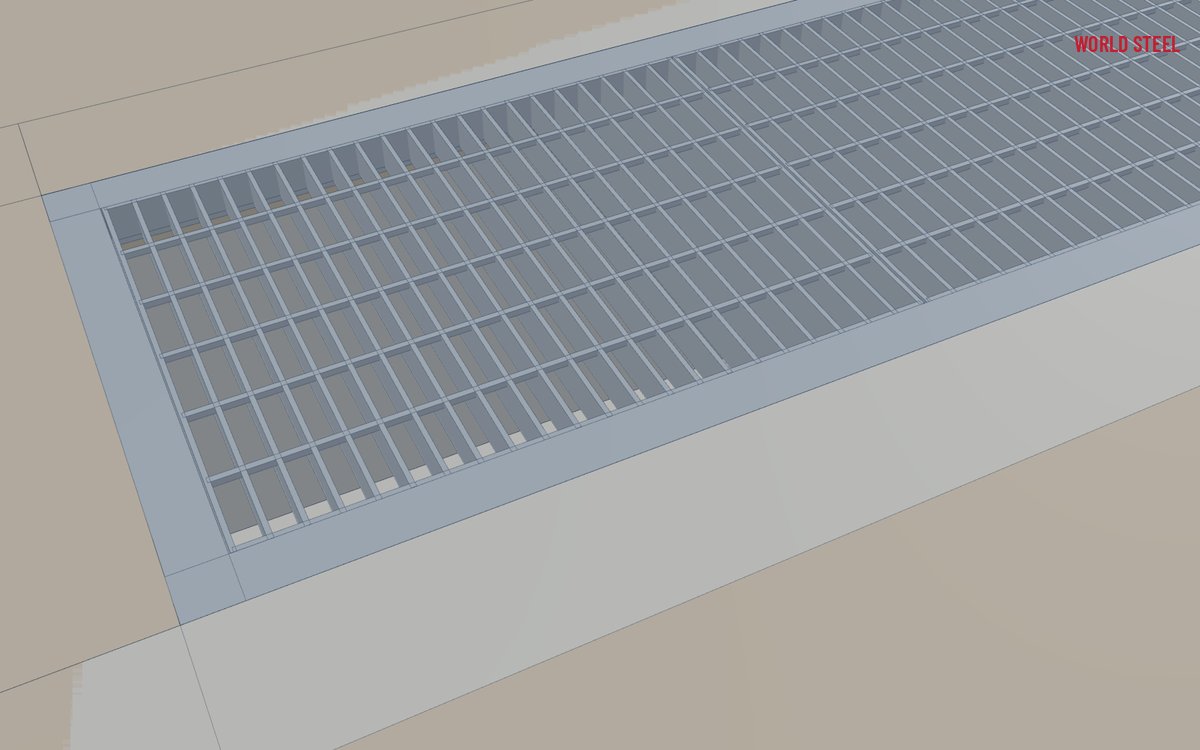
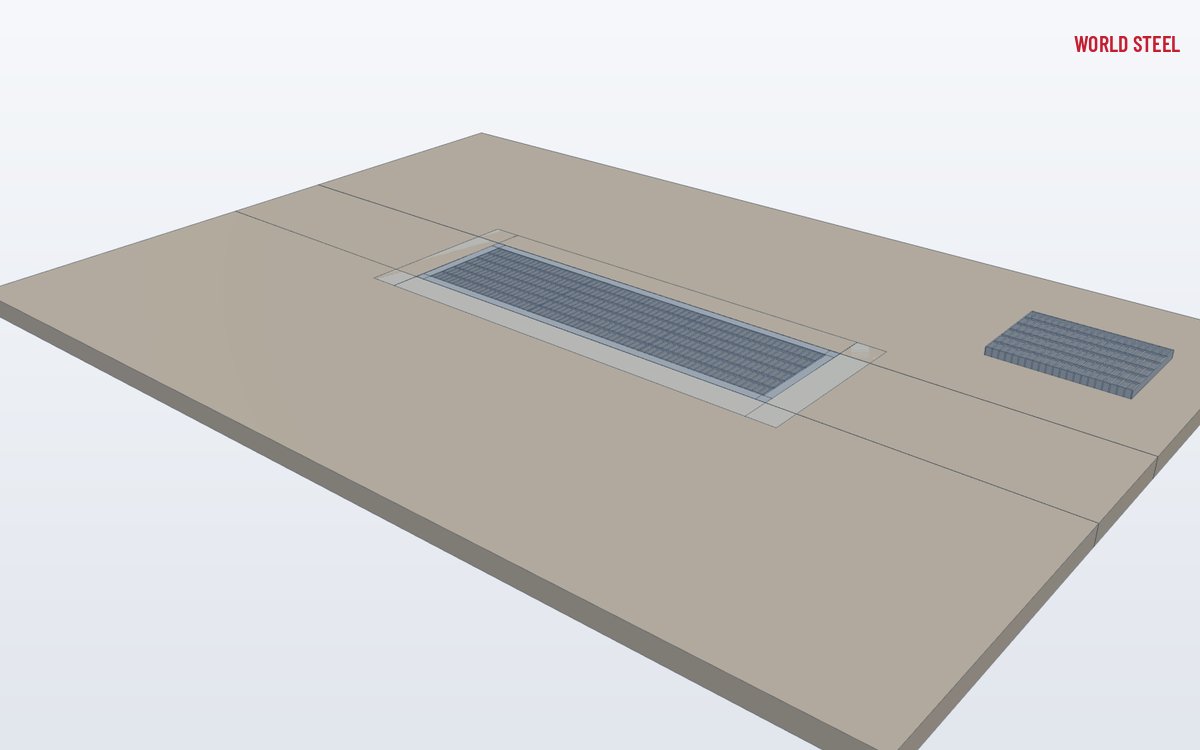
- Bar grates and angle frames for pits, trenches and inlets
- AS 3996 classes A–D · EN 124 A15–D400 · AASHTO H-20
- Bicycle-safe and heel-guard bar orientations
- Bolt-down, hinged and lockable options
- Hot-dip galvanised to AS/NZS 4680 after fabrication
What they are
Steel drainage grates are welded bar grates – flat bearing bars held by cross bars or twisted rods – seated in a steel angle frame that is cast into the concrete of a pit, trench or kerb inlet. The grate lets stormwater in, keeps people, wheels and debris out and transfers the traffic load to the frame and the surrounding concrete. Because every part is plain carbon steel, the whole assembly can be designed to the opening, cut to size, welded and hot-dip galvanised as one coordinated package.
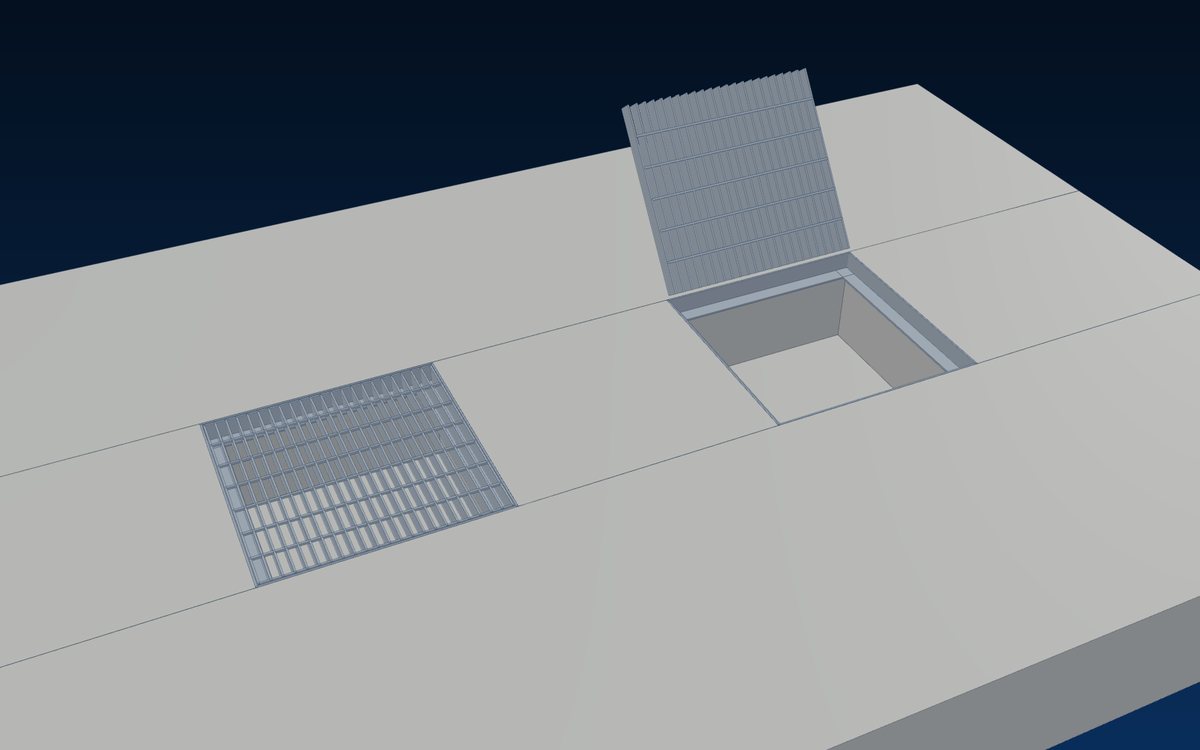
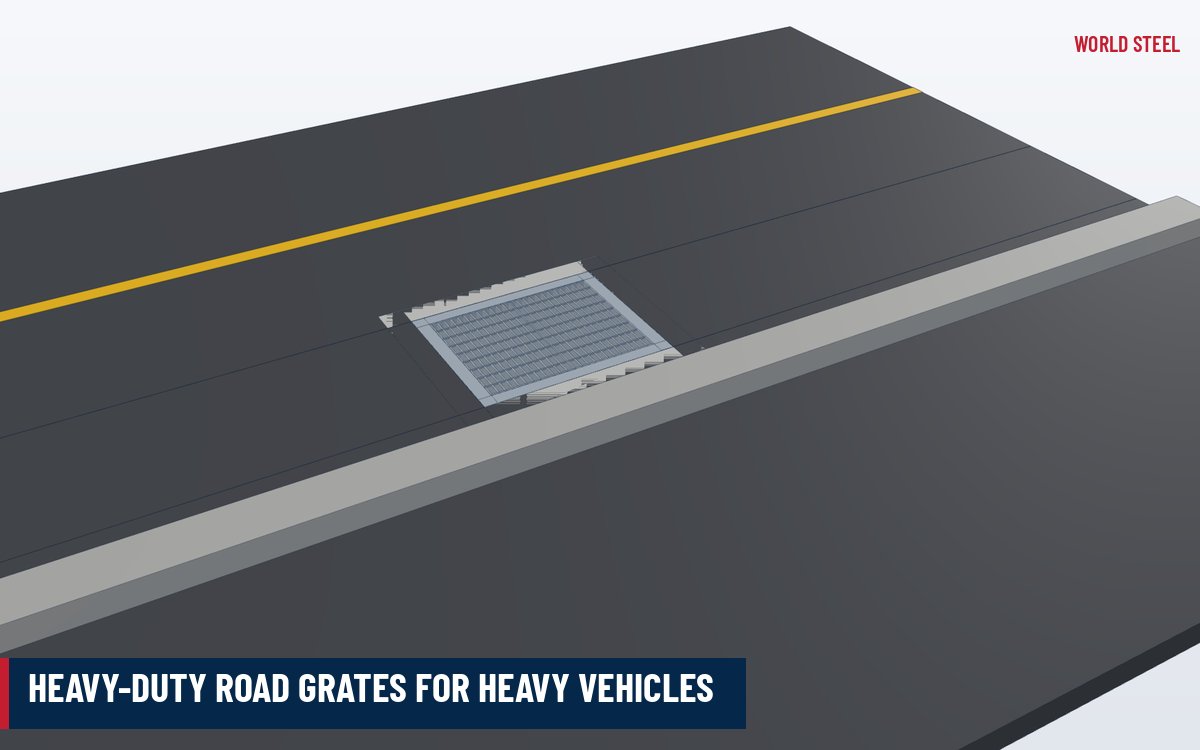
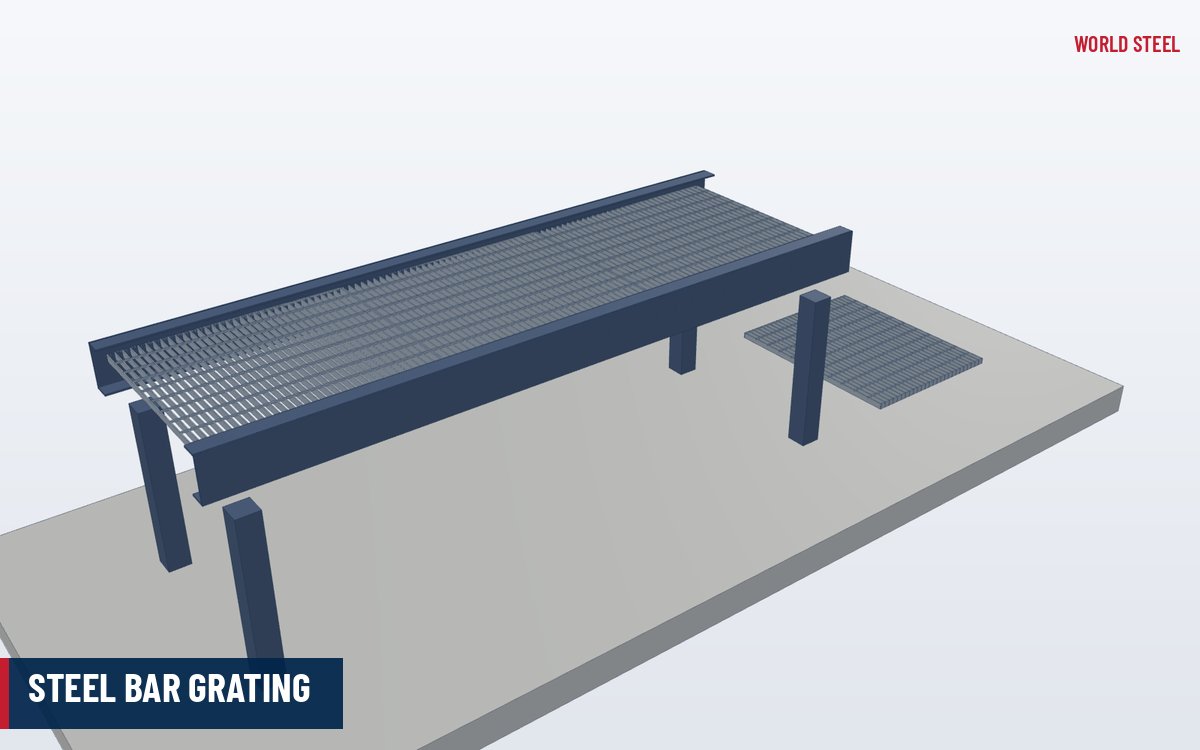
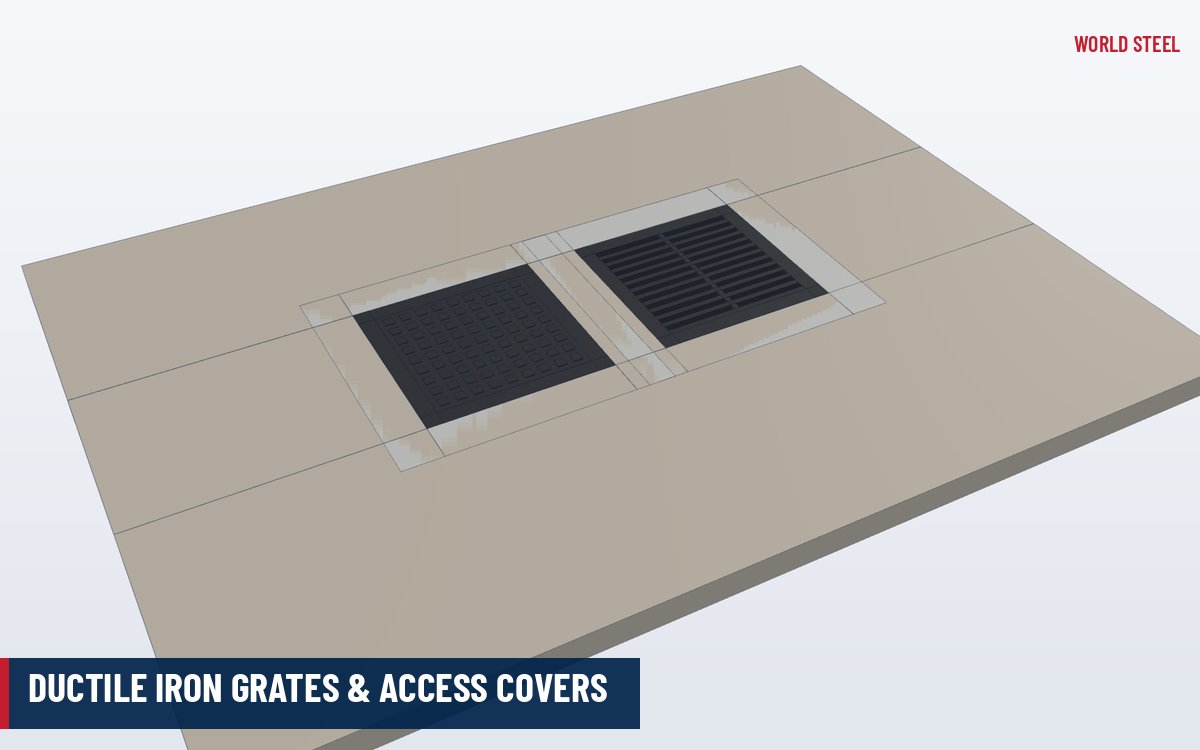
World Steel fabricates grates and frames in its plant at Hai Son Industrial Park, Tay Ninh, alongside the steel bar grating and trench covers it already supplies for industrial floors. Square and rectangular grates for stormwater pits sit naturally with our pit covers, and heavier traffic areas move up to heavy-duty road grates.
Types and load classes
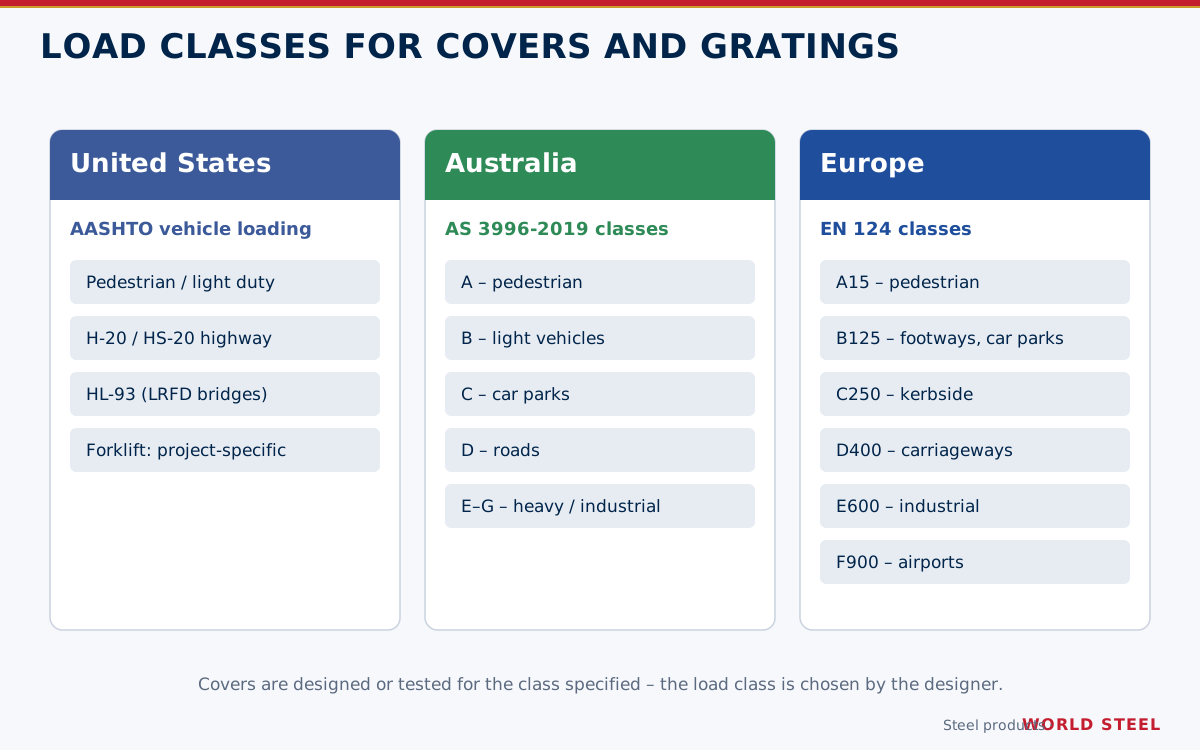
The load class sets the bearing bar depth, bar spacing, frame angle and anchorage. It is chosen by the designer from the location of the pit – not by the fabricator – and the table below shows the range this product covers. For classes E to G, see the heavy-duty page.
| Location | AS 3996-2019 | EN 124 | US practice |
|---|---|---|---|
| Pedestrian areas, landscaping, cycleways | Class A (10 kN) | A15 | Pedestrian / light duty |
| Footways that may be driven over, driveways | Class B (80 kN) | B125 | Light vehicle, project-specific |
| Car parks, malls, slow commercial vehicles | Class C (150 kN) | C250 | AASHTO H-20 commonly specified |
| Roads and commercial vehicle areas | Class D (210 kN) | D400 | AASHTO H-20 / HS-20 |
- Pit grates – square or rectangular grates in a four-sided angle frame for side-entry and grated stormwater pits.
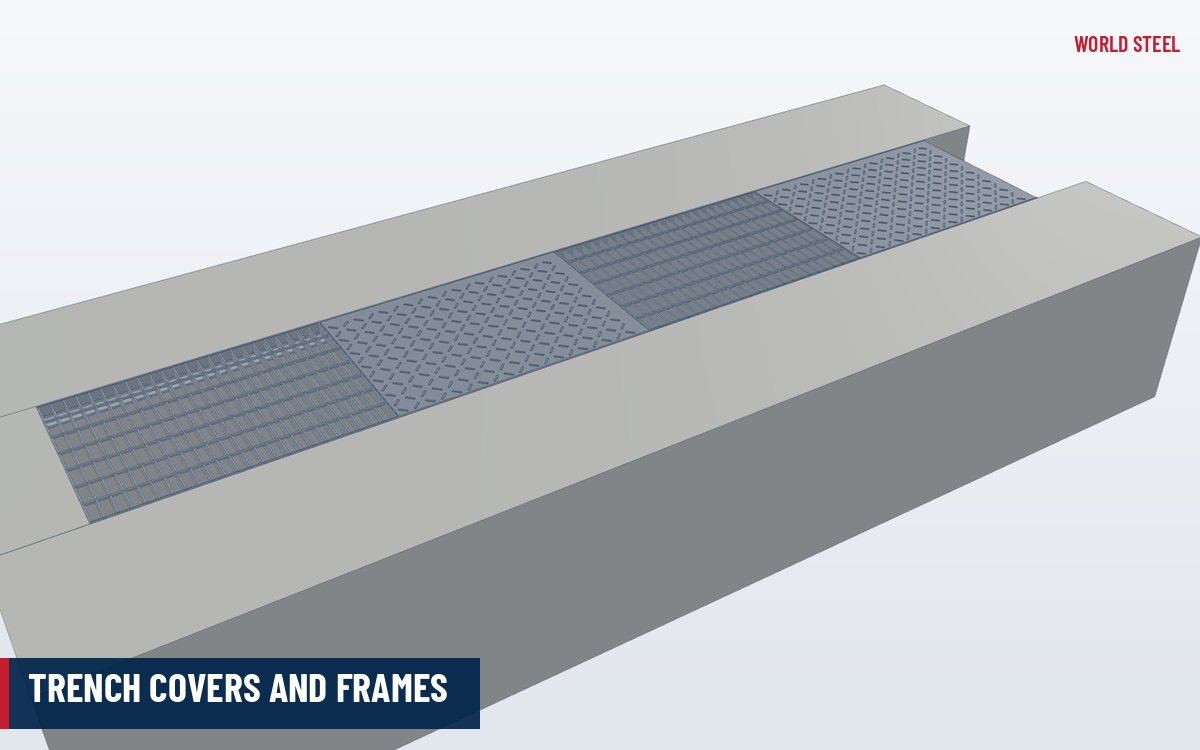
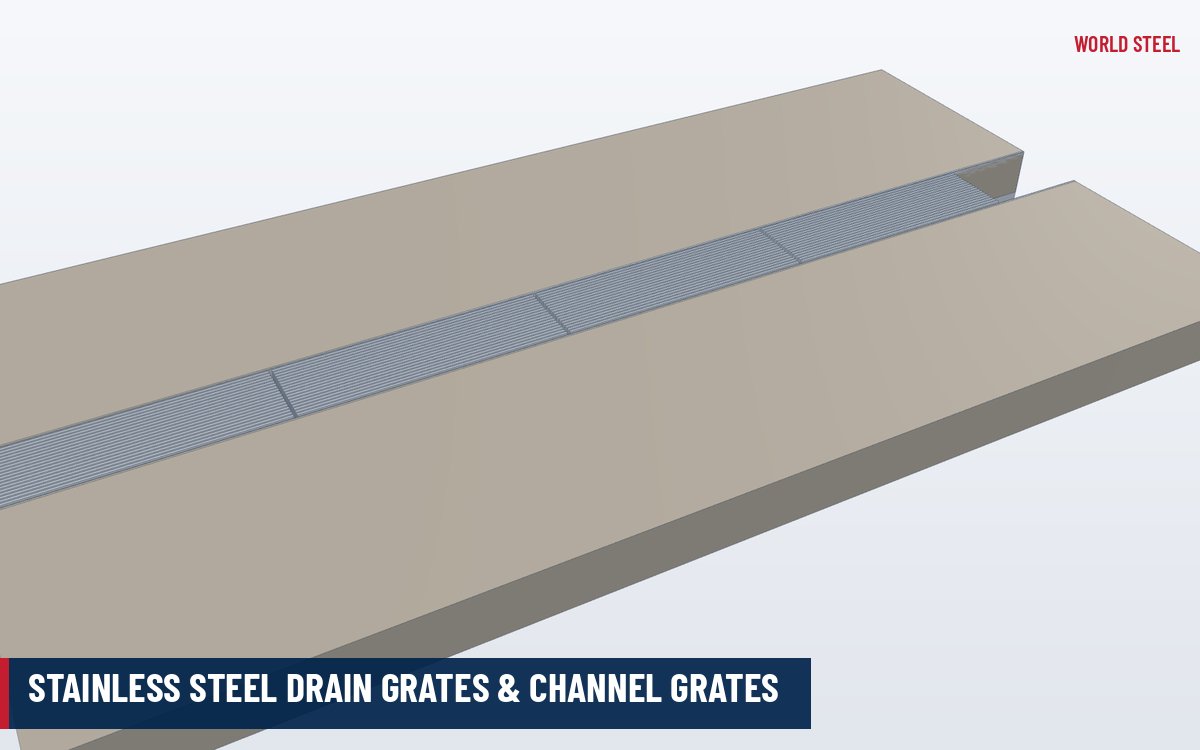
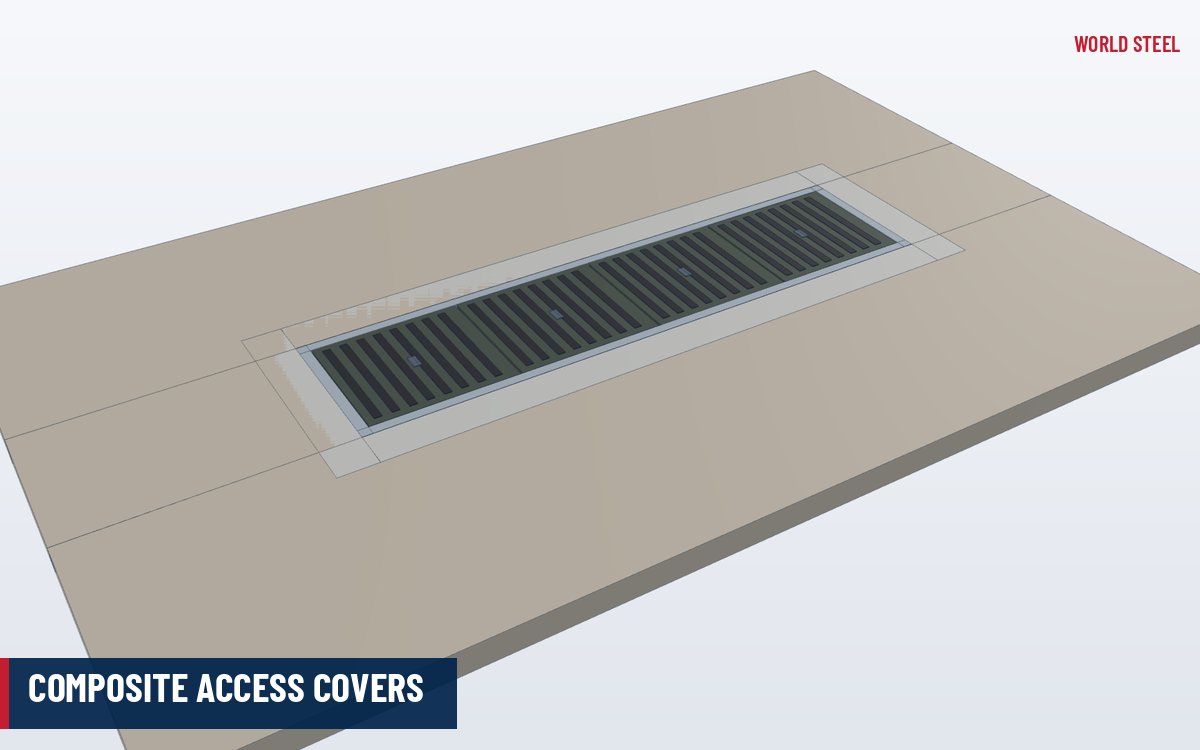
- Trench and channel grates – long modules in a continuous seat frame for surface drains along driveways, loading aprons and hardstands.
- Bicycle-safe grates – bearing bars run across the direction of travel, or slot width is limited to the road authority rule, so cycle wheels cannot drop in.
- Heel-guard grates – close bar spacing or a fine-mesh pattern for plazas and public footpaths.
- Hinged and lockable grates – a hinge on one side and a bolt or lock on the other for theft resistance and easy maintenance access.
Design and compliance
In Australia access covers and grates are specified to AS 3996-2019, which defines classes A to G by test load and sets requirements for seating, fit and marking. In Europe the equivalent is the EN 124 series (A15 to F900), and in the US road-trafficked grates are usually designed for AASHTO H-20 / HS-20 wheel loads. World Steel checks bearing bar depth and spacing, frame angle size and weld sizes against the class specified, using the project design or the client's standard drawing. Where a load test or a product approval is required, it is product-specific and is agreed and witnessed as part of the contract; we do not claim approvals that have not been granted for a specific design.
Frames are anchored with welded lugs or studs to suit the concrete detail, checked to AS 5216, EN 1992-4 or ACI 318 Chapter 17 as applicable. Welding is to AS/NZS 1554.1, AWS D1.1 or EN ISO 3834-2 procedures, and hot-dip galvanising is by qualified galvanisers to AS/NZS 4680, ASTM A123 or EN ISO 1461. Design for galvanising – vent holes, drained corners, no closed pockets – follows AS/NZS 2312.2.
Fabrication and finishing at World Steel
Flat bar and angle are cut on CNC lines, notched and assembled in jigs so every grate drops into its frame with an even, rattle-free seat. Bearing bars are welded to the cross bars and edge bars, frames are mitre-welded and anchor lugs are added to the shop drawing. Each grate and frame pair is trial-fitted, marked with its pit reference and load class, then sent for galvanising as a set. After galvanising the fit is checked again, bolts are fitted and pairs are packed together on export pallets. Shop drawings and an IFC model are prepared in Tekla, and production follows our steel grating process.
Installation and site notes
- Brace the frame to hold the clear opening, set it to finished level and fully compact concrete under the seat flange.
- Keep the grate in the frame during the pour so the frame cannot rack; clean the seat after curing.
- Fit bolt-down or locking hardware where traffic or theft is a risk; check hinged grates open freely.
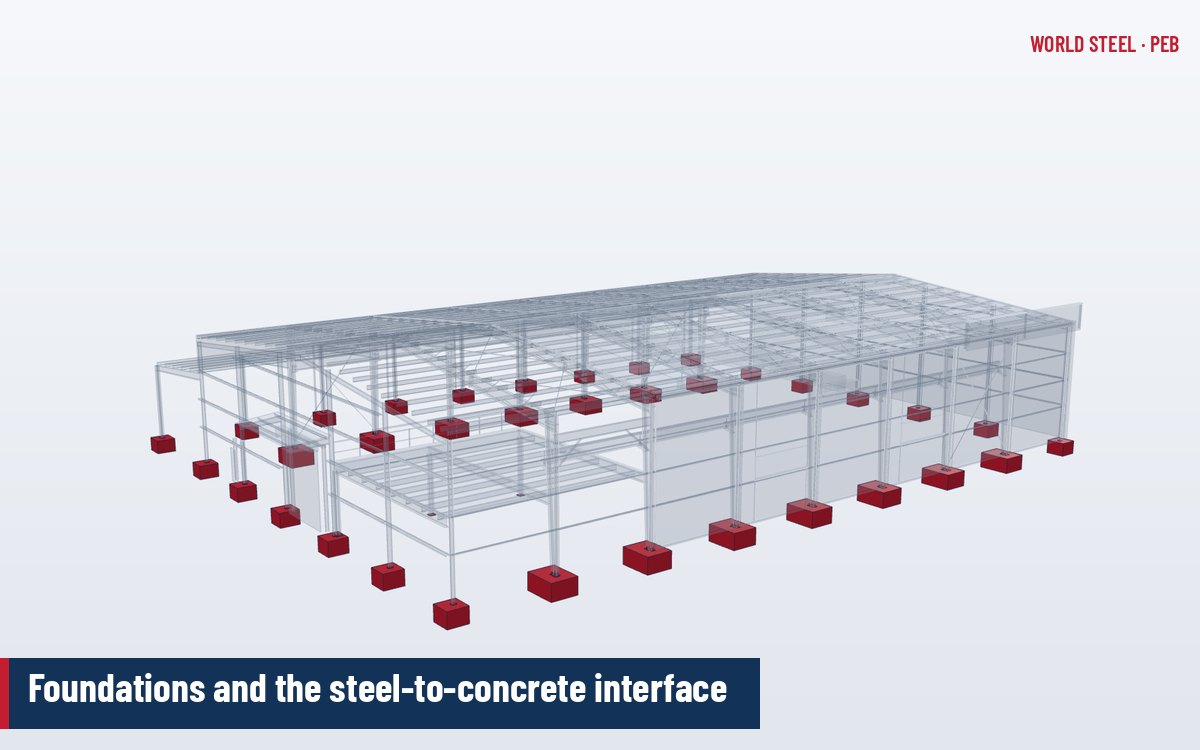
- Repair any zinc damage from handling with zinc-rich paint per AS/NZS 4680 / ASTM A780. See foundation interfaces for cast-in coordination.
Selecting and specifying
To size a grate we need the clear opening, the load class from the drawings, the bar orientation relative to traffic, any bicycle-safe or heel-guard requirement and the locking method. For large civil packages we can schedule grates by pit number so that they arrive grouped for each road section. Export packing and container loading are handled by our export supply team.
Standards and requirements by market
Codes World Steel designs, fabricates and documents this product to – and the key geometric and load requirements in each market.
 United States
- AASHTOVehicle loading H-20 / HS-20, HL-93
- ANSI/NAAMM MBG 531Metal Bar Grating Manual
- AWS D1.1Structural welding code – steel
- ACI 318 Ch. 17Anchoring to concrete
- ASTM A123Zinc (hot-dip galvanized) coatings on iron and steel products
- Road-trafficked grates
- AASHTO H-20 / HS-20 or HL-93 commonly specified
- Galvanising repair
- Per ASTM A780
 Australia / NZ
- AS 3996-2019Access covers and grates
- AS/NZS 1554.1Welding of steel structures
- AS 5216Fastenings in concrete
- AS/NZS 4680Hot-dip galvanized coatings on fabricated ferrous articles
- AS/NZS 2312.2Hot-dip galvanizing – guide to design
- Load class
- A 10 kN, B 80 kN, C 150 kN, D 210 kN (AS 3996-2019)
- Bicycle-safe grates
- Bars across travel / slot limits per road authority
 Europe
- EN 124Gully tops and manhole tops for vehicular and pedestrian areas
- EN ISO 3834-2Quality requirements for fusion welding
- EN 1992-4Design of fastenings for use in concrete
- EN ISO 1461Hot-dip galvanized coatings on fabricated articles
- Load class
- A15, B125, C250 or D400 (EN 124)
Summary for orientation only – the project specification, the adopted code edition and the authority having jurisdiction govern.
Finishes
| Finish | Standards / notes |
|---|---|
| Hot-dip galvanised | AS/NZS 4680 · ASTM A123 · EN ISO 1461 |
| Duplex (galvanised + paint) | For colour coding or aggressive environments – EN ISO 12944 · AS/NZS 2312.1 |
Frequently asked questions
Which load class do I need?
The designer selects it from the location: class A for pedestrian areas, B for footways that may be driven over, C for car parks and D for roads under AS 3996-2019 (EN 124 A15–D400 in Europe). We fabricate to the class on the drawings.
What makes a grate bicycle-safe?
Bars run across the direction of travel, or slot widths are limited to the road authority's rule, so a cycle wheel cannot drop into the grate. Tell us the travel direction for each pit.
Are the grates galvanised after fabrication?
Yes. Grates and frames are hot-dip galvanised as matched sets by qualified galvanisers to AS/NZS 4680, ASTM A123 or EN ISO 1461 after all welding is complete.
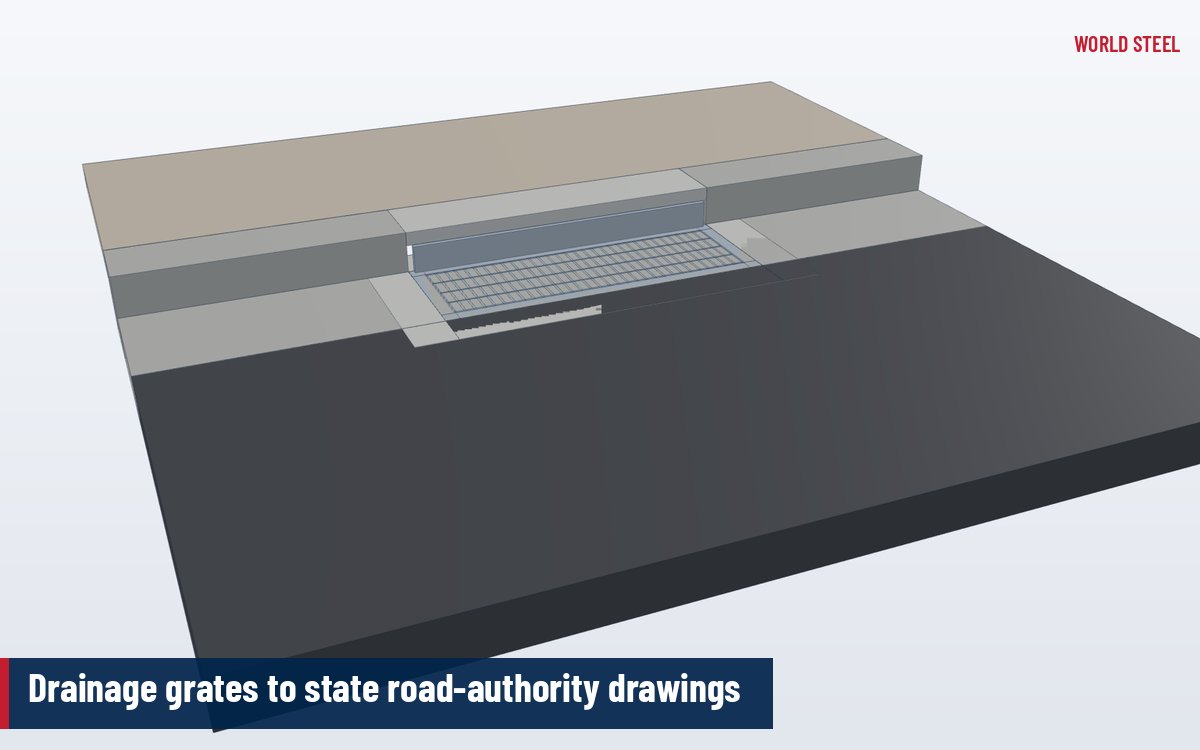
Can you match a council or road authority standard drawing?
Yes – we fabricate to the authority drawing supplied. Any product approval or load testing the authority requires is design-specific and is agreed in the contract.
 New Zealand
 Singapore
 AS/NZS 5131 CC3
 EN 1090 EXC3 · CE