ENEnglish
 VITiếng Việt
 ZH中文
 KO한국어
 JA日本語
 FRFrançais
 ITItaliano
 PTPortuguês
 ESEspañol
 HEעברית
 ARالعربية

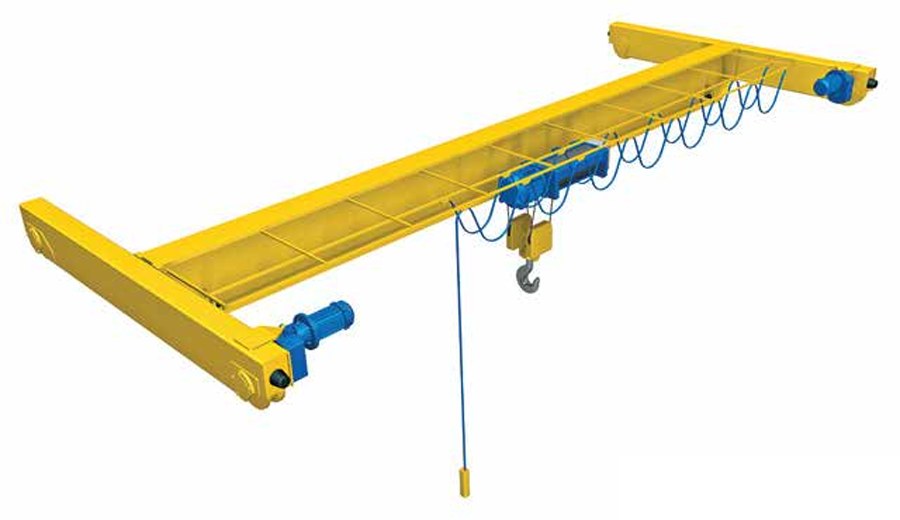
- Box, I or box + I girder by span and capacity
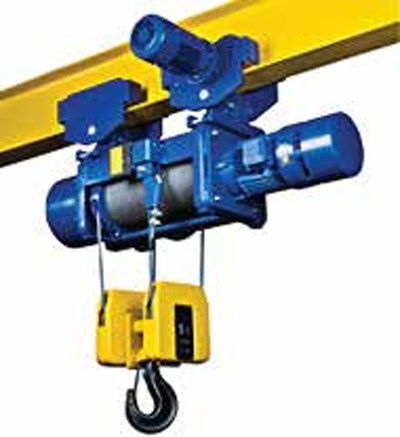
- Underhung single-rail trolley hoist
- Typical capacity 1–20 t, spans to about 30 m
- Low dead weight – lighter runway and building
- Pendant or radio control, inverter options
What it is
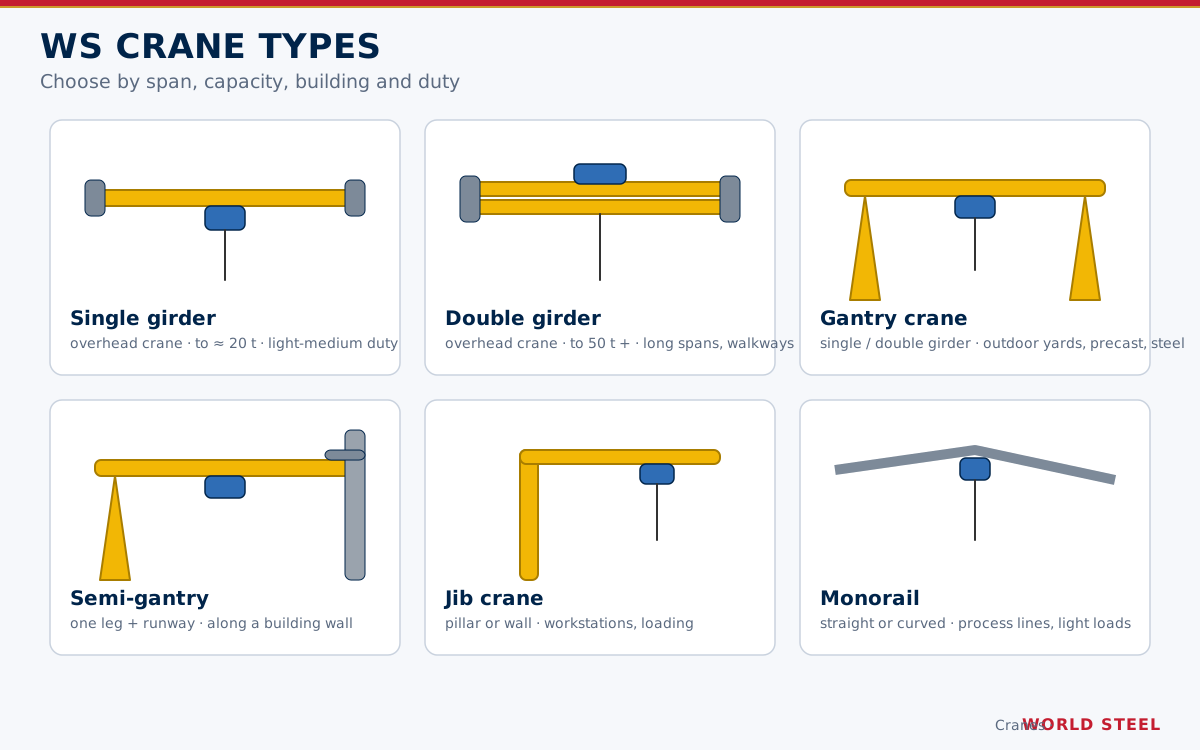
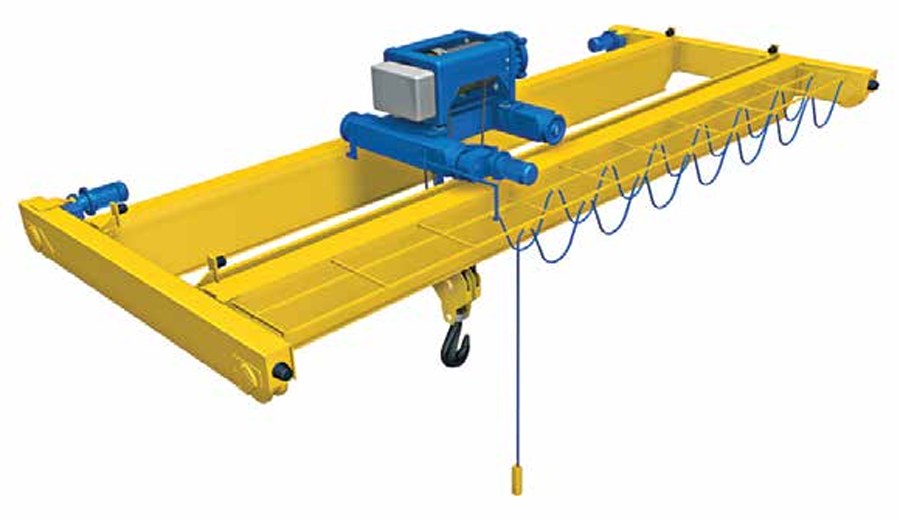
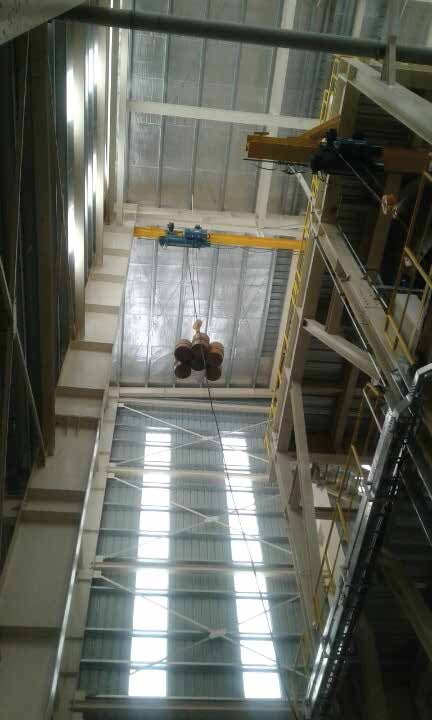
A single girder overhead crane runs on the runway beams of a building with one main girder between two end carriages. The hoist travels on the bottom flange of the girder (underhung trolley), or a low-headroom hoist is used where the building height is limited. It is the economical choice for workshops, warehouses, maintenance bays and production lines with light to medium duty.
The girder is a rolled I-section for short spans, or a welded box or box + I section built in our structural steel plant for longer spans – see built-up steel members.
Structure
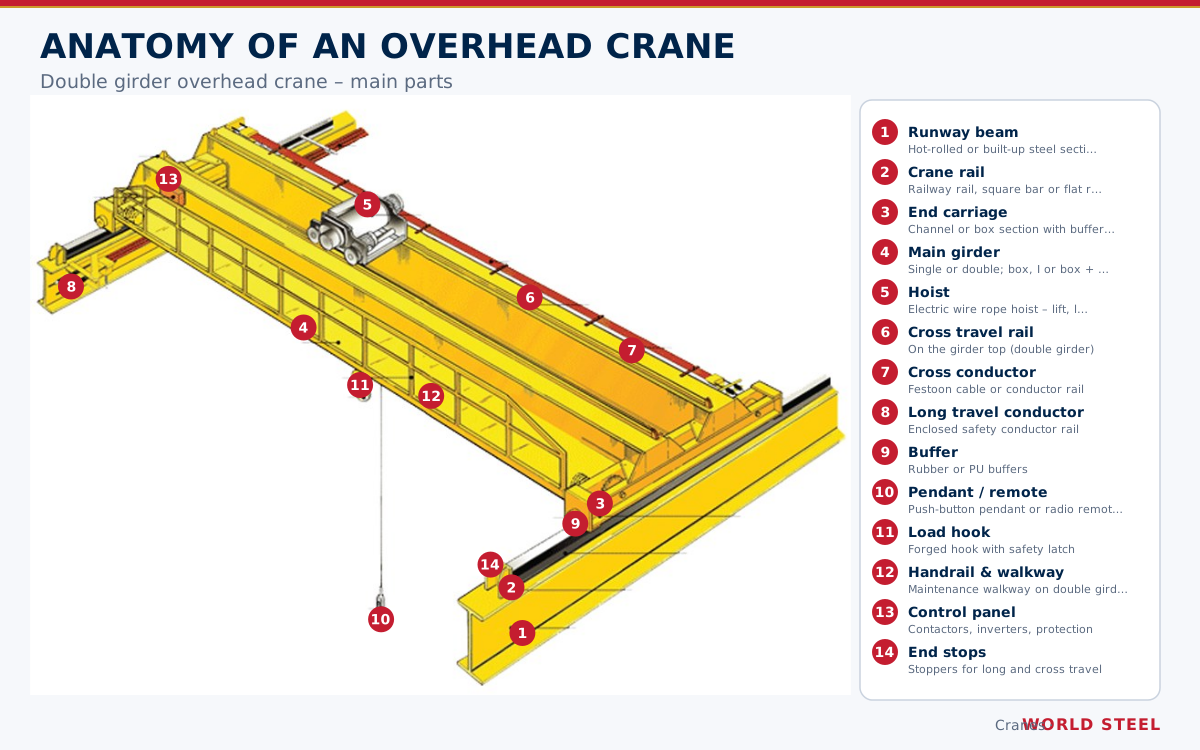
- Runway beam – Hot-rolled or built-up steel section
- Crane rail – Railway rail, square bar or flat rail
- End carriage – Channel or box section with buffers at both ends
- Main girder – Single or double; box, I or box + I by span and capacity
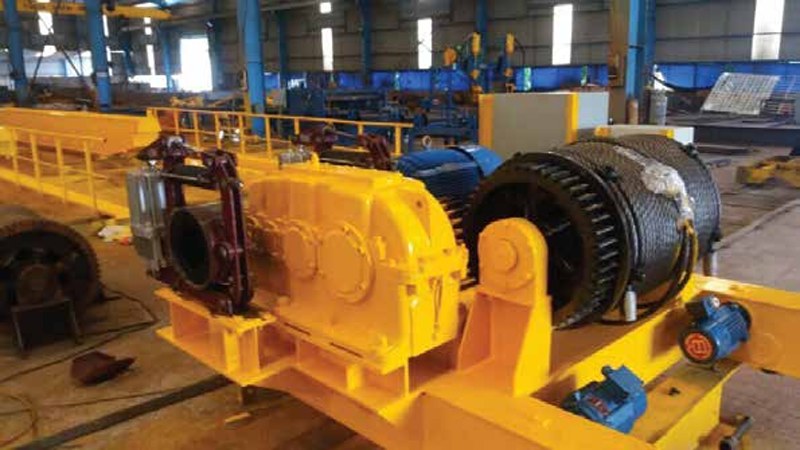
- Hoist – Electric wire rope hoist – lift, lower, cross travel
- Cross travel rail – On the girder top (double girder)
- Cross conductor – Festoon cable or conductor rail
- Long travel conductor – Enclosed safety conductor rail
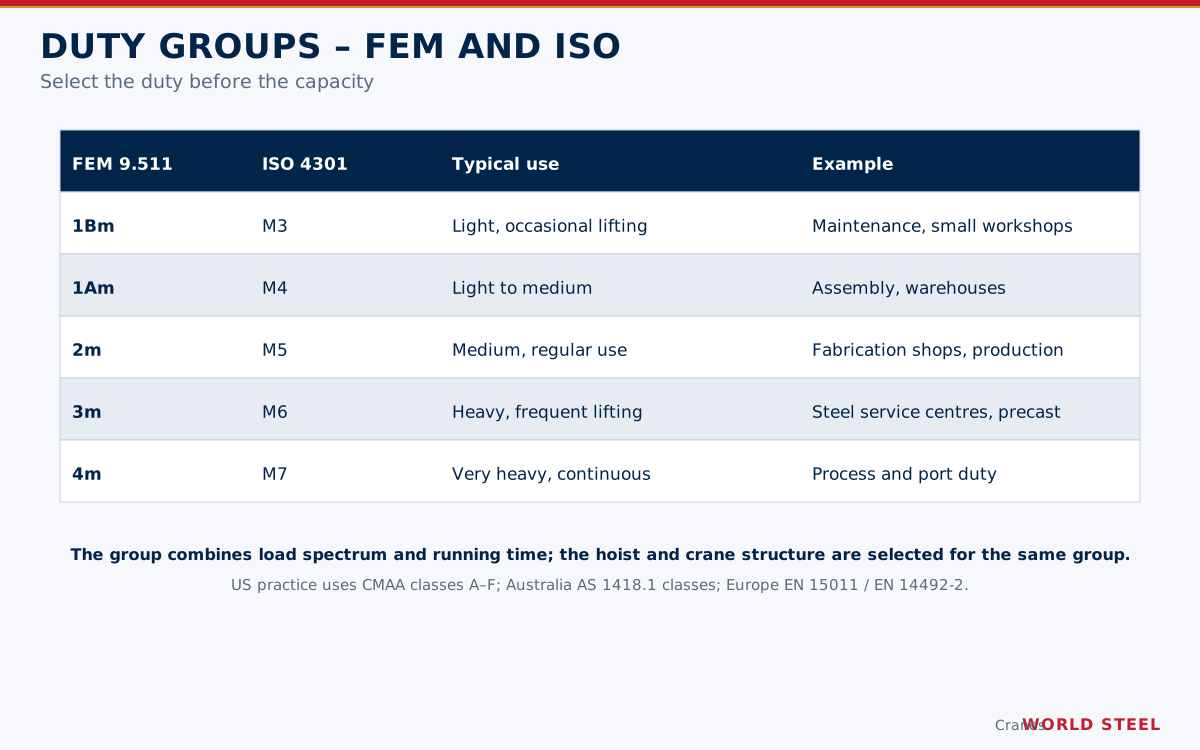
Duty group
Vietnam: cranes are designed, manufactured and inspected to TCVN 4244:2005 and the lifting-equipment safety regulation QCVN 07:2012/BLĐTBXH, with technical inspection before use.
Standards and requirements by market
Codes World Steel designs, fabricates and documents this product to – and the key geometric and load requirements in each market.
 United States
- CMAA 70 / CMAA 74Top-running and single girder crane specifications
- ASME B30.2 · B30.17Overhead and gantry cranes – safety
- ASME B30.16 · ASME HST-4Overhead hoists
- OSHA 1910.179Overhead and gantry cranes
- Load test
- 125 % of rated load (ASME B30.2)
 Australia / NZ
- AS 1418.1Cranes – general requirements
- AS 1418.18Crane runways and monorails
- AS 2550.1Cranes – safe use
- AS 4100 · AS/NZS 1554.1Steel design and welding
- Registration
- Design and item registration per state WHS rules
 Europe
- EN 15011Bridge and gantry cranes
- EN 14492-2Power-driven hoists
- EN 13001 seriesCrane design – general, actions, limit states
- Machinery DirectiveCE marking of the complete crane
- Load test
- Static 125 % and dynamic 110 % per EN 15011 / EN 14492-2
Summary for orientation only – the project specification, the adopted code edition and the authority having jurisdiction govern.
Finishes
| Finish | Standards / notes |
|---|---|
| Paint | Blast cleaned, epoxy primer + polyurethane topcoat in safety yellow or project colour |
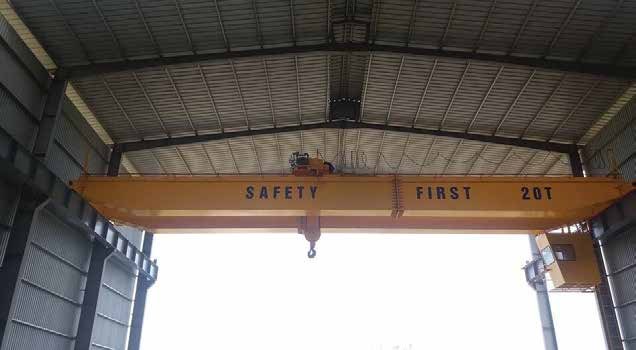
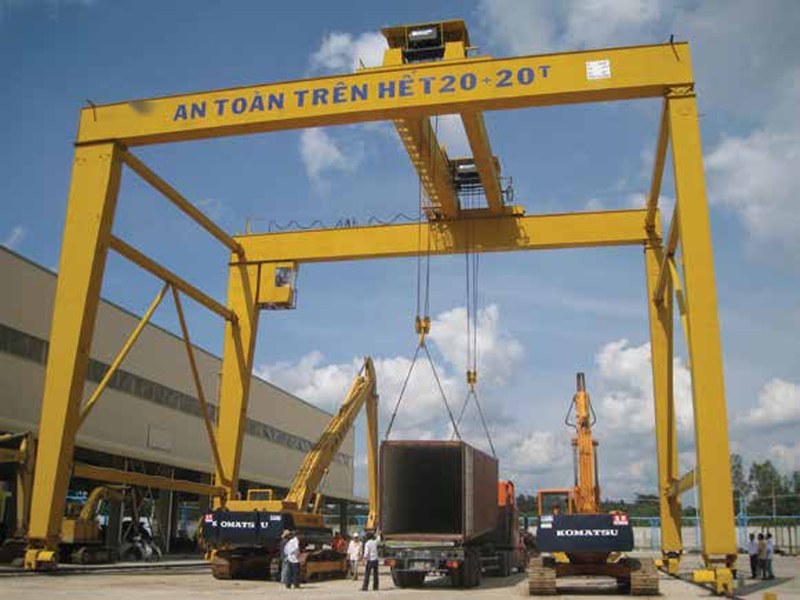
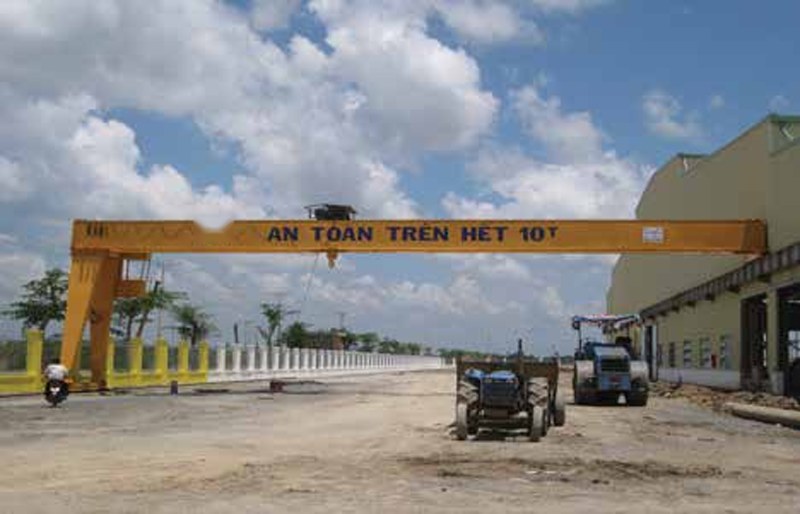
| Marking | Rated capacity and safety slogans on the girder in the client's language |
| Environment | Tropical, cold, high-temperature or chemical execution for hoists |
Frequently asked questions
When is a single girder crane enough?
For capacities up to about 20 t and moderate spans and duty. Above that, or when maximum hook height is needed, a double girder crane is usually better.
Do you supply the runway beams?
Yes – runway beams, rails, brackets and the building can be supplied by World Steel as one package.
 Cambodia
 AS/NZS 5131 CC3
 EN 1090 EXC3 · CE