ENEnglish
 VITiếng Việt
 ZH中文
 KO한국어
 JA日本語
 FRFrançais
 ITItaliano
 PTPortuguês
 ESEspañol
 HEעברית
 ARالعربية

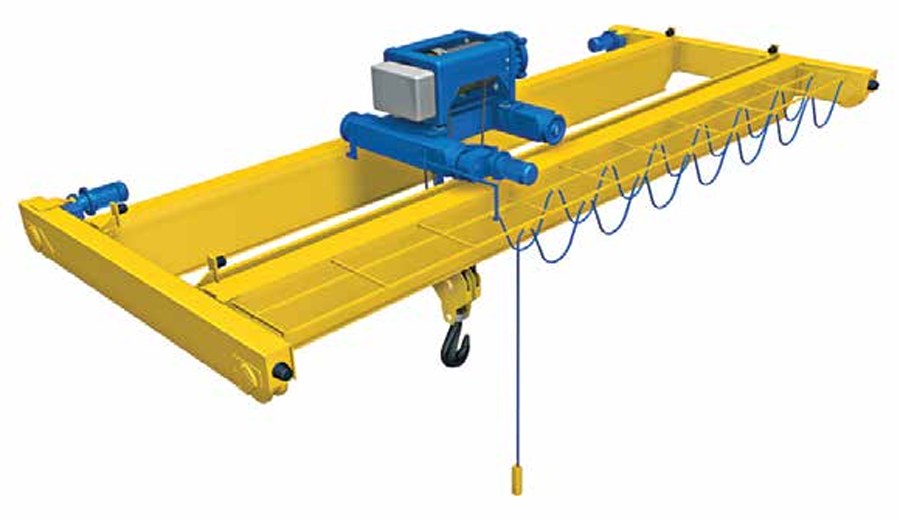
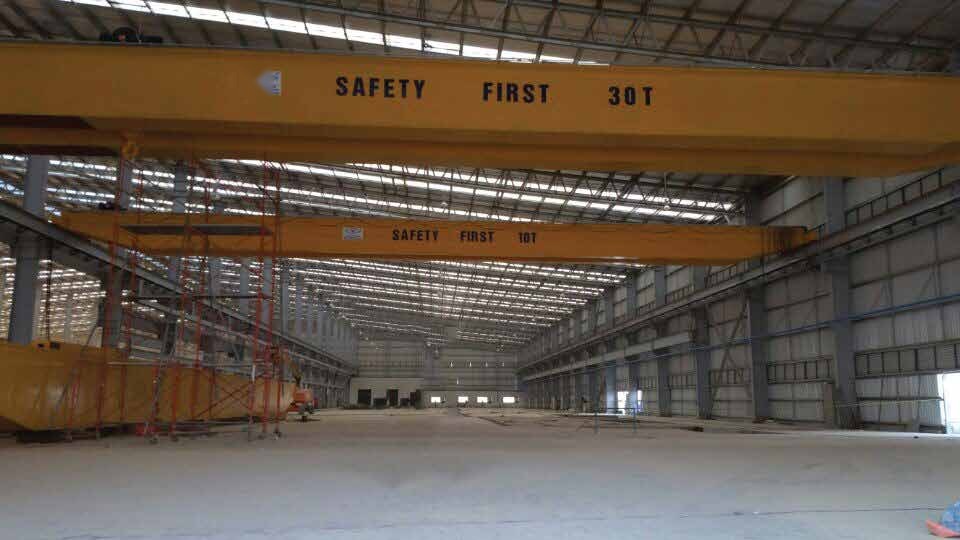
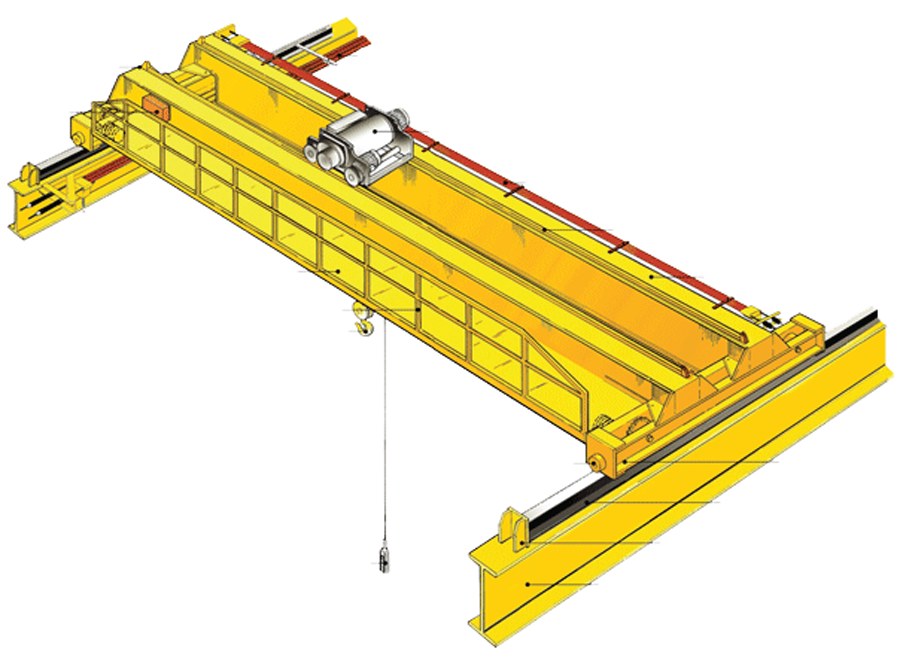
- Two box or I girders with rail-mounted trolley
- Capacities to 50 t and above
- Maximum hook height under the girders
- Maintenance walkway and handrail
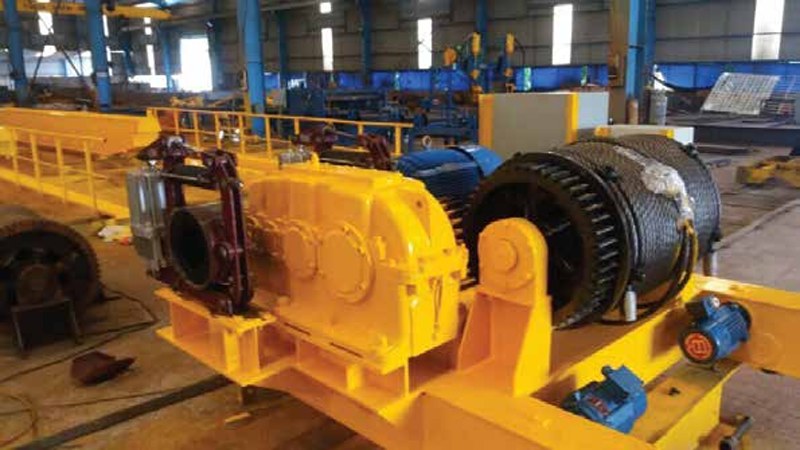
- Open-winch trolleys for heavy duty
What it is
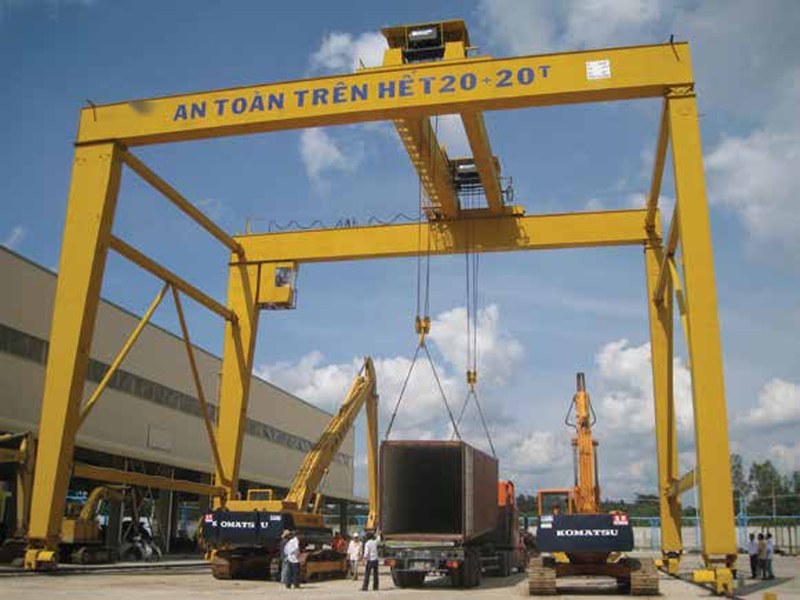
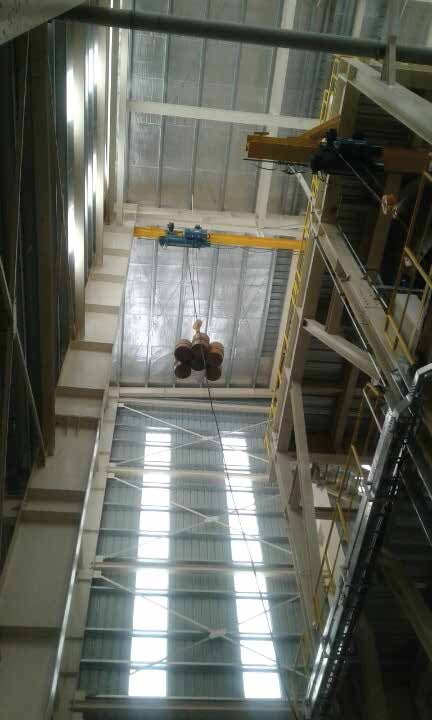
A double girder crane has two main girders with a rail on top of each; the hoist trolley runs between them. The hook can rise between the girders, giving maximum lifting height, and the girders carry heavy loads over long spans. A maintenance walkway with handrail gives safe access to the trolley, conductors and drives.
For the heaviest duties World Steel builds open-winch trolleys – drum, gearbox, motor and brakes on a welded frame – in our own workshop.
Structure
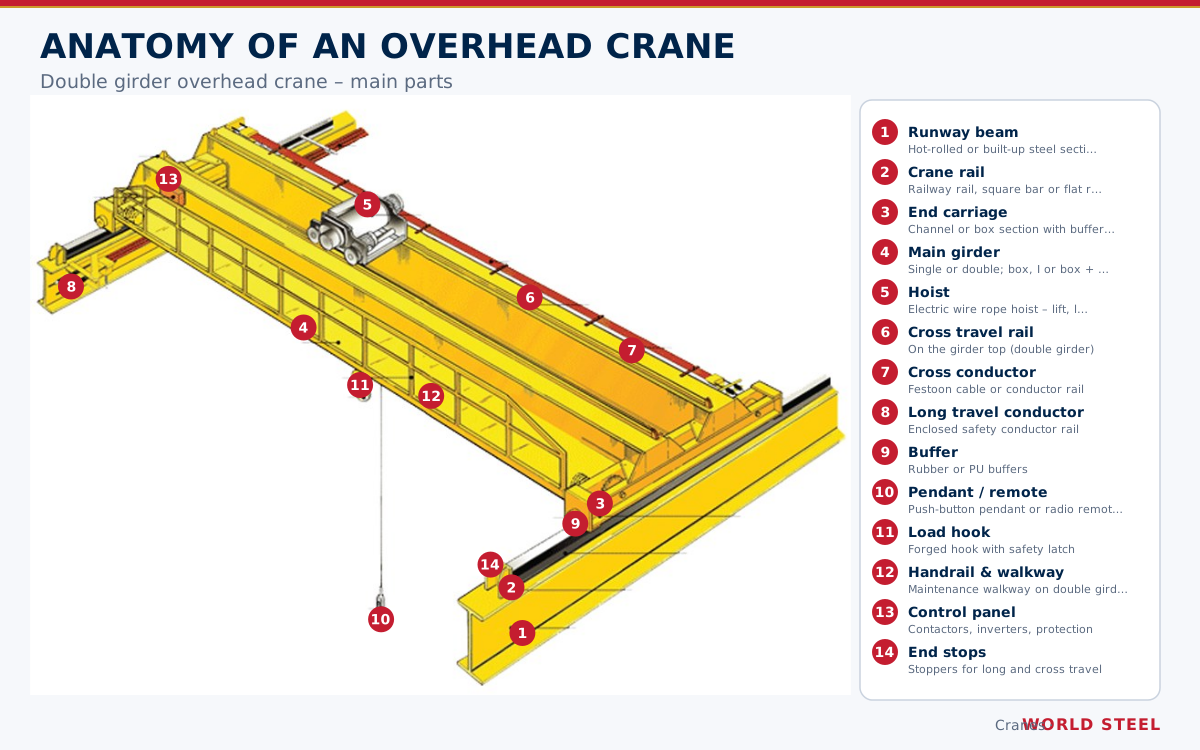
- Runway beam – Hot-rolled or built-up steel section
- Crane rail – Railway rail, square bar or flat rail
- End carriage – Channel or box section with buffers at both ends
- Main girder – Single or double; box, I or box + I by span and capacity
- Hoist – Electric wire rope hoist – lift, lower, cross travel
- Cross travel rail – On the girder top (double girder)
- Cross conductor – Festoon cable or conductor rail
- Long travel conductor – Enclosed safety conductor rail
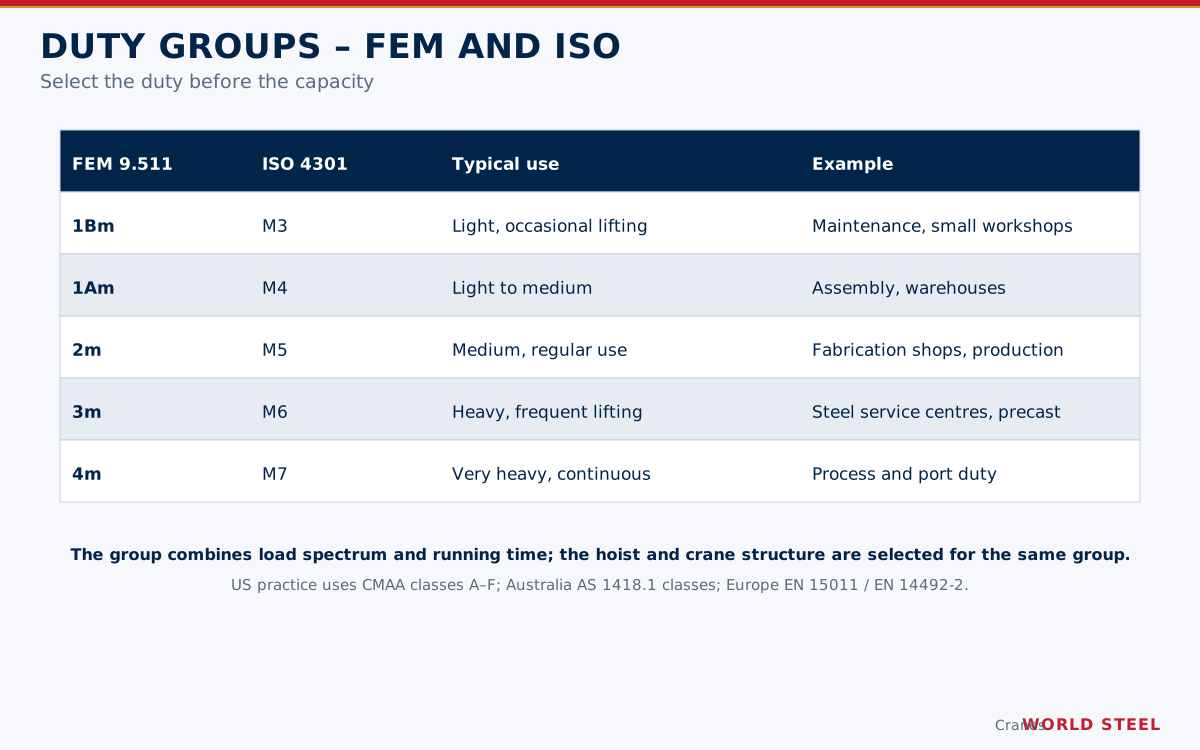
Duty group
Vietnam: cranes are designed, manufactured and inspected to TCVN 4244:2005 and the lifting-equipment safety regulation QCVN 07:2012/BLĐTBXH, with technical inspection before use.
Standards and requirements by market
Codes World Steel designs, fabricates and documents this product to – and the key geometric and load requirements in each market.
 United States
- CMAA 70 / CMAA 74Top-running and single girder crane specifications
- ASME B30.2 · B30.17Overhead and gantry cranes – safety
- ASME B30.16 · ASME HST-4Overhead hoists
- OSHA 1910.179Overhead and gantry cranes
- Load test
- 125 % of rated load (ASME B30.2)
 Australia / NZ
- AS 1418.1Cranes – general requirements
- AS 1418.18Crane runways and monorails
- AS 2550.1Cranes – safe use
- AS 4100 · AS/NZS 1554.1Steel design and welding
- Registration
- Design and item registration per state WHS rules
 Europe
- EN 15011Bridge and gantry cranes
- EN 14492-2Power-driven hoists
- EN 13001 seriesCrane design – general, actions, limit states
- Machinery DirectiveCE marking of the complete crane
- Load test
- Static 125 % and dynamic 110 % per EN 15011 / EN 14492-2
Summary for orientation only – the project specification, the adopted code edition and the authority having jurisdiction govern.
Finishes
| Finish | Standards / notes |
|---|---|
| Paint | Blast cleaned, epoxy primer + polyurethane topcoat in safety yellow or project colour |
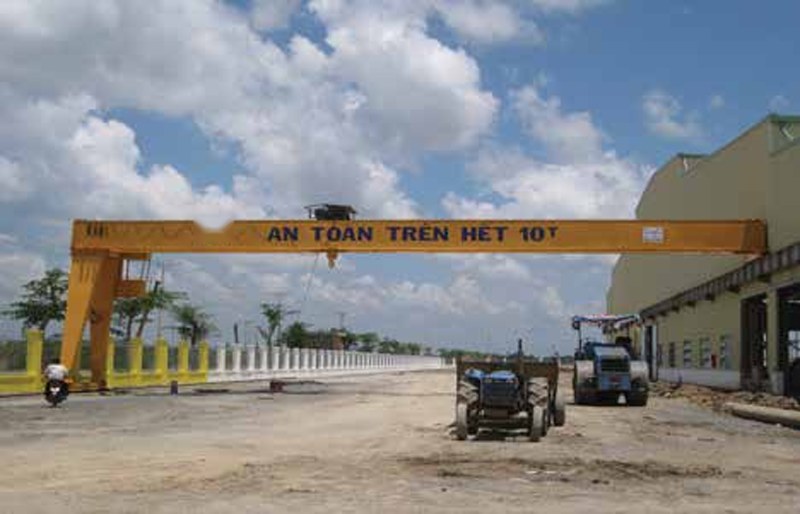
| Marking | Rated capacity and safety slogans on the girder in the client's language |
| Environment | Tropical, cold, high-temperature or chemical execution for hoists |
Frequently asked questions
Why choose a double girder crane?
For heavy loads, long spans, high duty and maximum hook height – and when a walkway is needed for maintenance.
 Cambodia
 AS/NZS 5131 CC3
 EN 1090 EXC3 · CE