ENEnglish
 VITiếng Việt
 ZH中文
 KO한국어
 JA日本語
 FRFrançais
 ITItaliano
 PTPortuguês
 ESEspañol
 HEעברית
 ARالعربية

 Europe
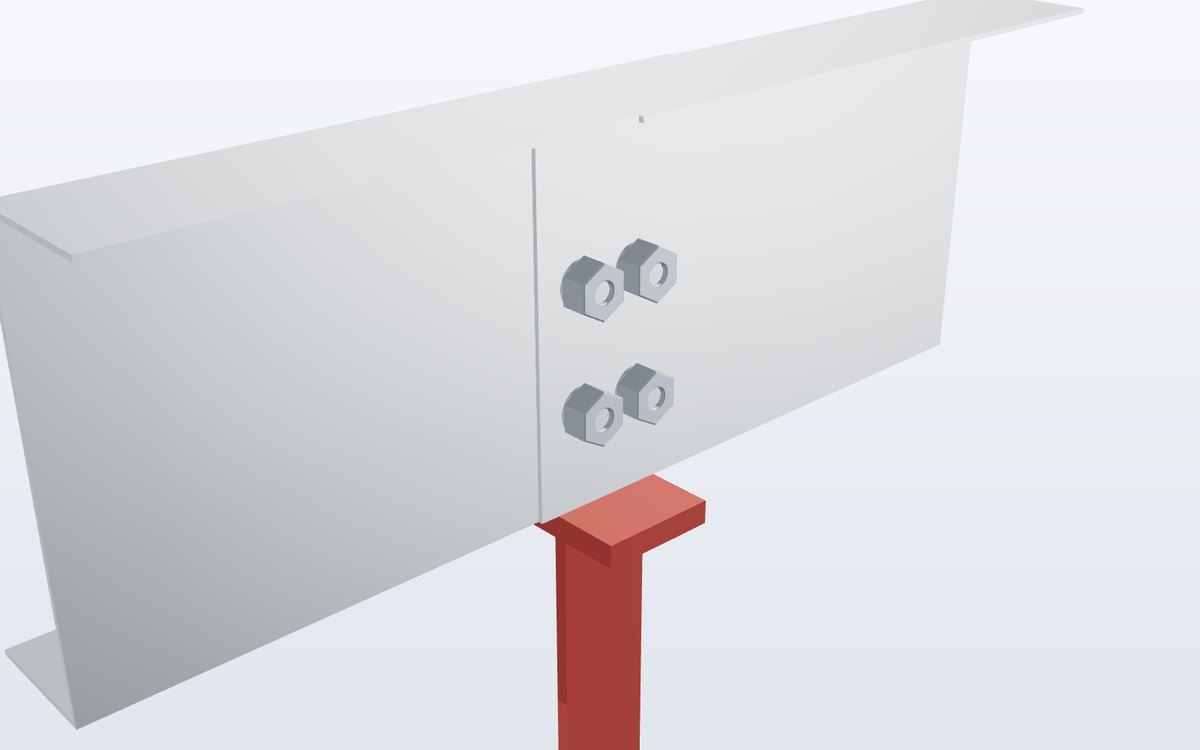
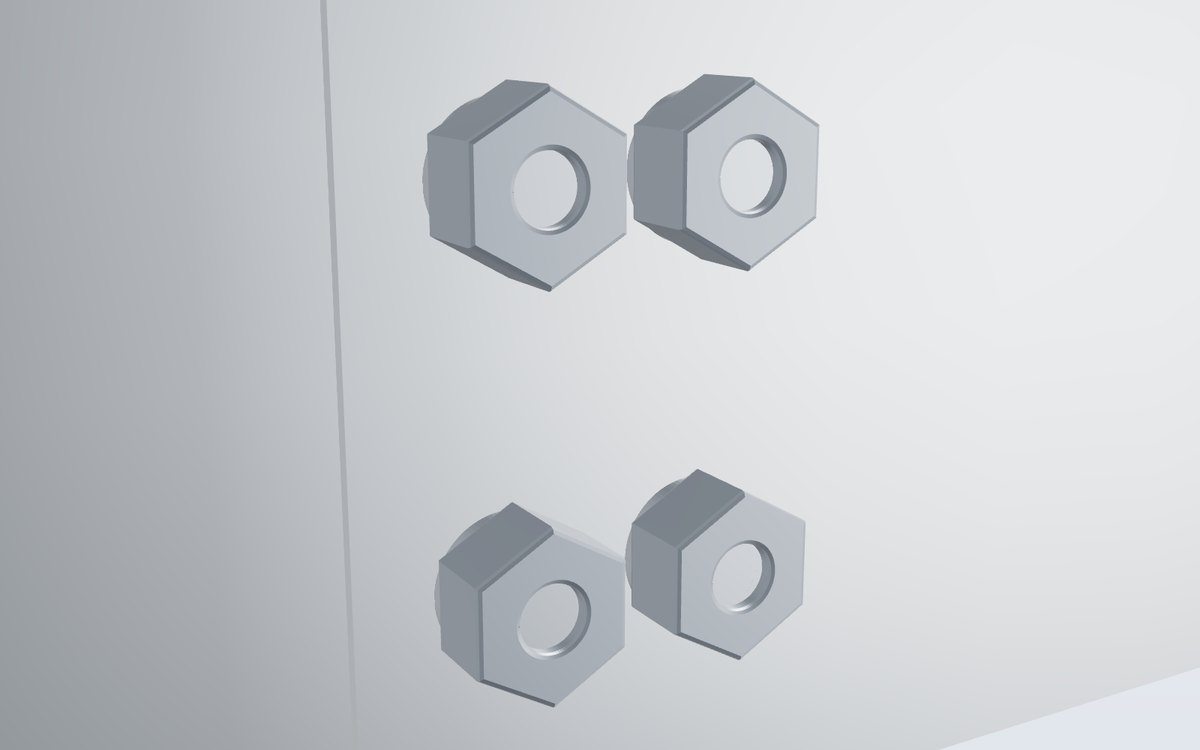
- M12 and M16, class 4.6 or 8.8
- Hot-dip galvanized, matching nuts and washers
- Lengths for single, lapped and sleeved purlins
- Packed per building, per bay
- Flange-brace and bridging bolts included
- Matched to C / Z purlin hole patterns
What it is
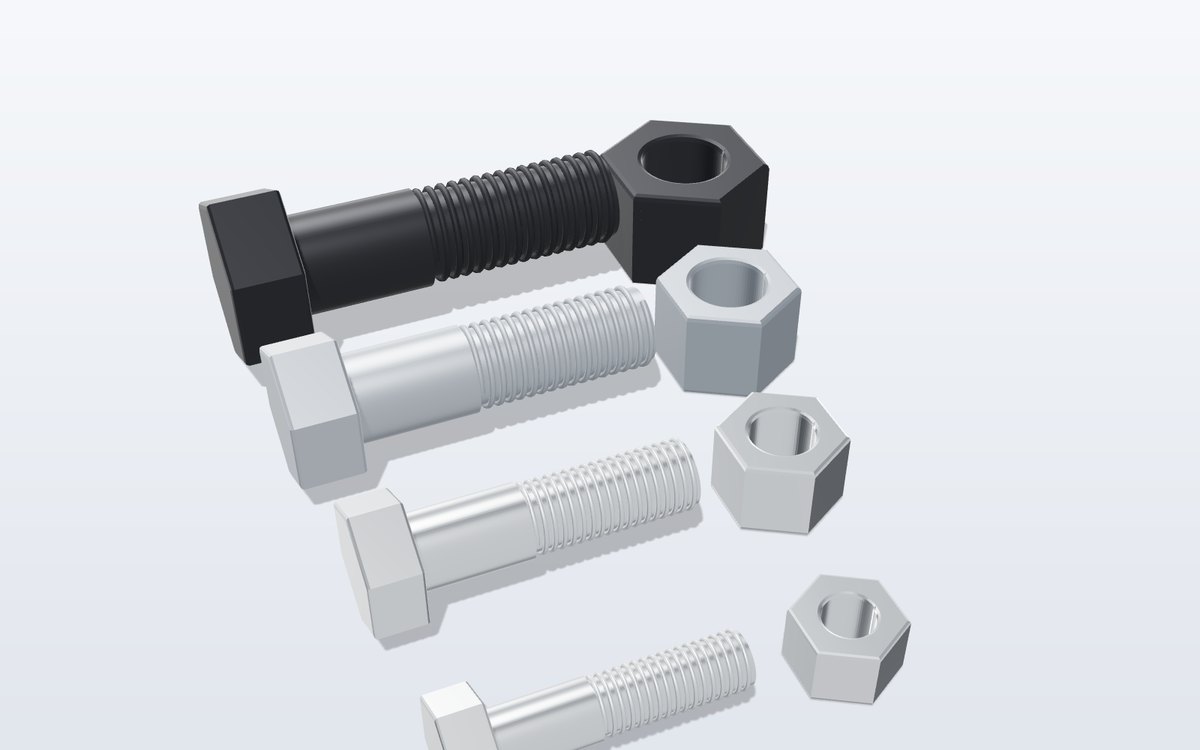
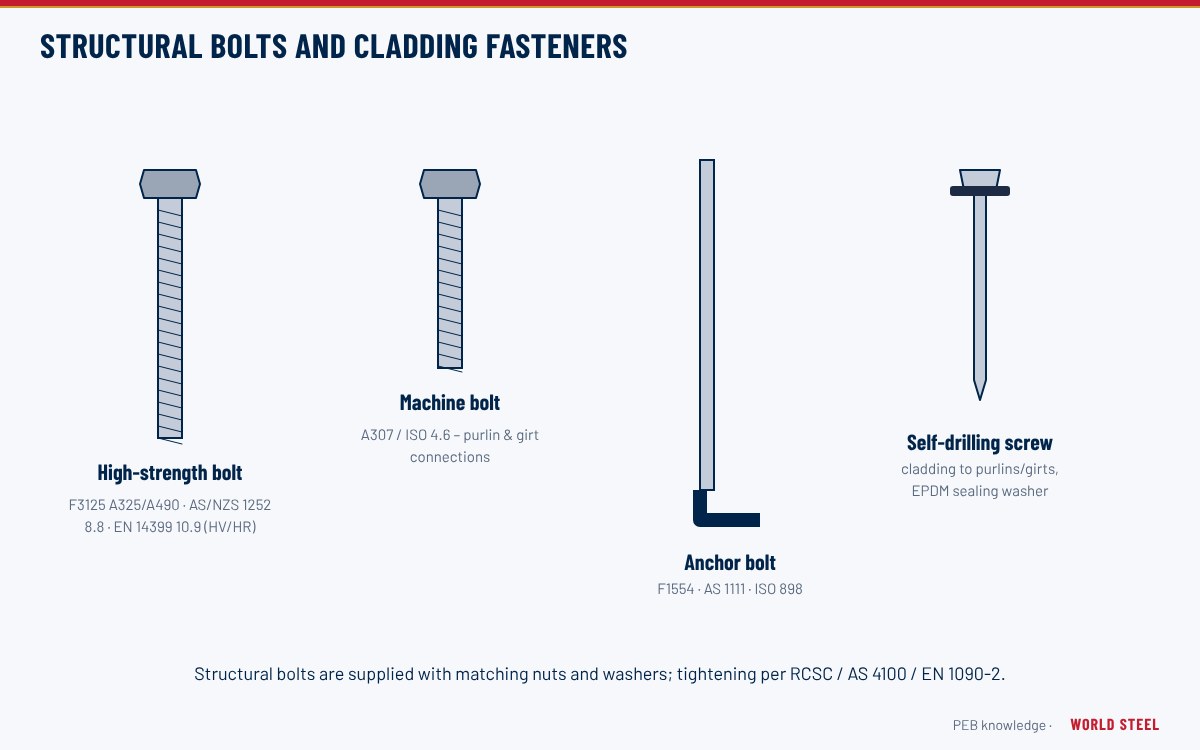
Purlins and girts are connected to rafter and column cleats with small bolts – usually M12 for light sections and M16 for heavier purlins and laps. Every steel building uses thousands of them, so getting the count, length and finish right saves days on site.
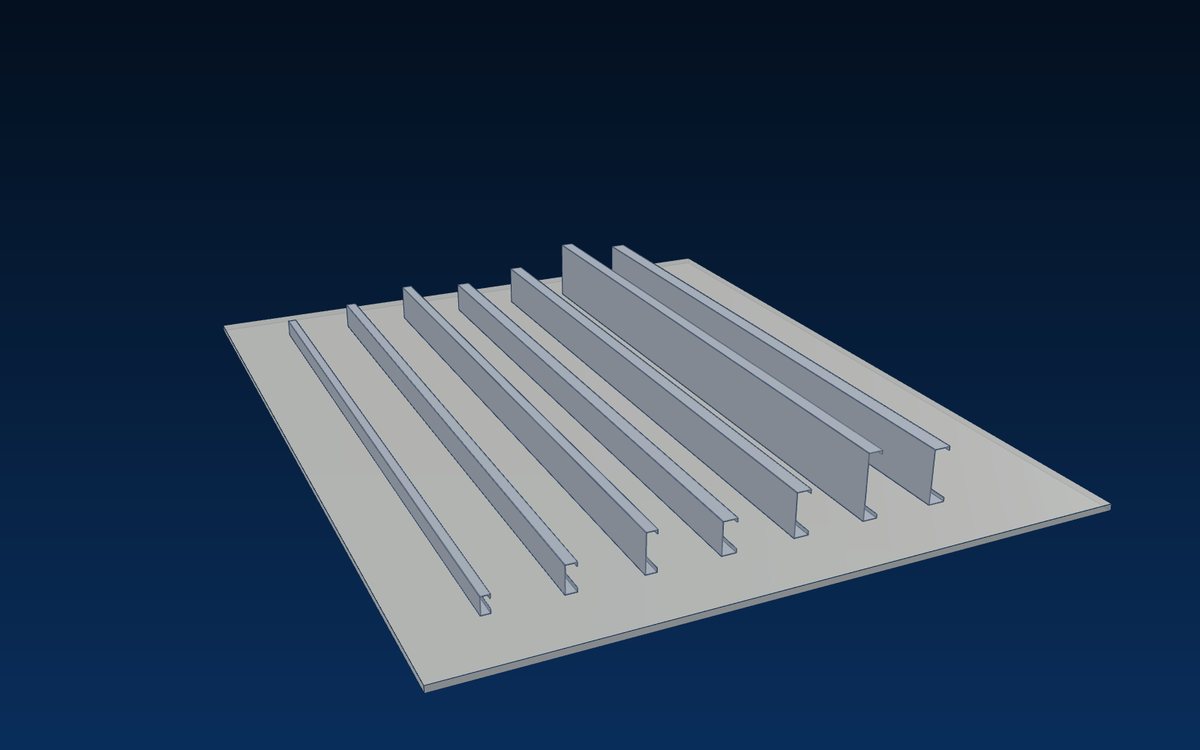
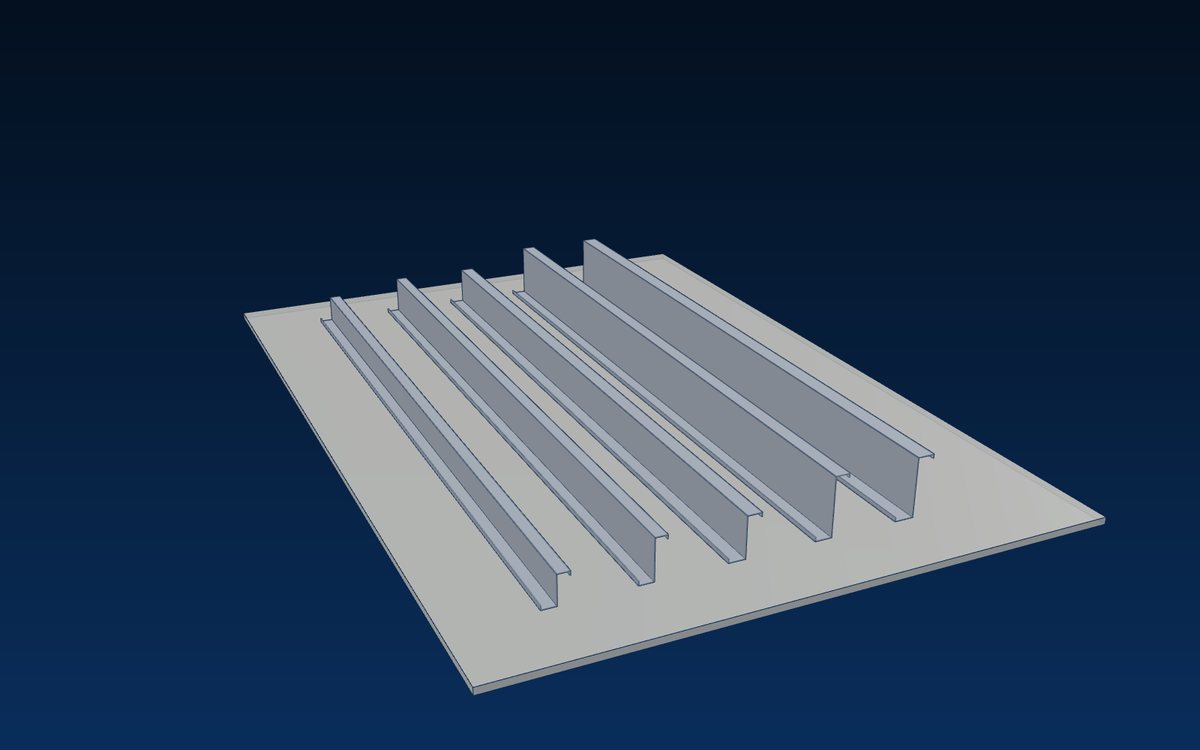
World Steel calculates the bolt list from the 3D model and packs purlin bolts by building and by bay, together with the C and Z purlins.
Typical bolts
| Use | Bolt | Notes |
|---|---|---|
| Purlin / girt to cleat | M12 × 30 – 35, class 4.6 | one or two plies |
| Lapped Z purlins | M12 / M16 × 40 – 45 | three plies at the lap |
| Heavy purlins, eave struts | M16 × 40 – 50, class 8.8 | per design |
| Flange braces, sag rods | M12 × 30 | bracing to purlin flange |
| Bridging | M12 × 30 – 40 | bridging bracket to web |
Finish
Hot-dip galvanized bolts, nuts and washers match the Z275 – Z450 galvanizing of the purlins, so the connection does not become the first point of corrosion.
Standards and requirements by market
Codes World Steel designs, fabricates and documents this product to – and the key geometric and load requirements in each market.
 Australia / NZ
- AS 1111.1Commercial bolts 4.6
- AS 4600Cold-formed steel structures
 United States
- ASTM A307Carbon steel bolts
- AISI S100Cold-formed steel design
Summary for orientation only – the project specification, the adopted code edition and the authority having jurisdiction govern.
Finishes
| Finish | Standards / notes |
|---|---|
| Hot-dip galvanized | ISO 10684 / AS 1214 |